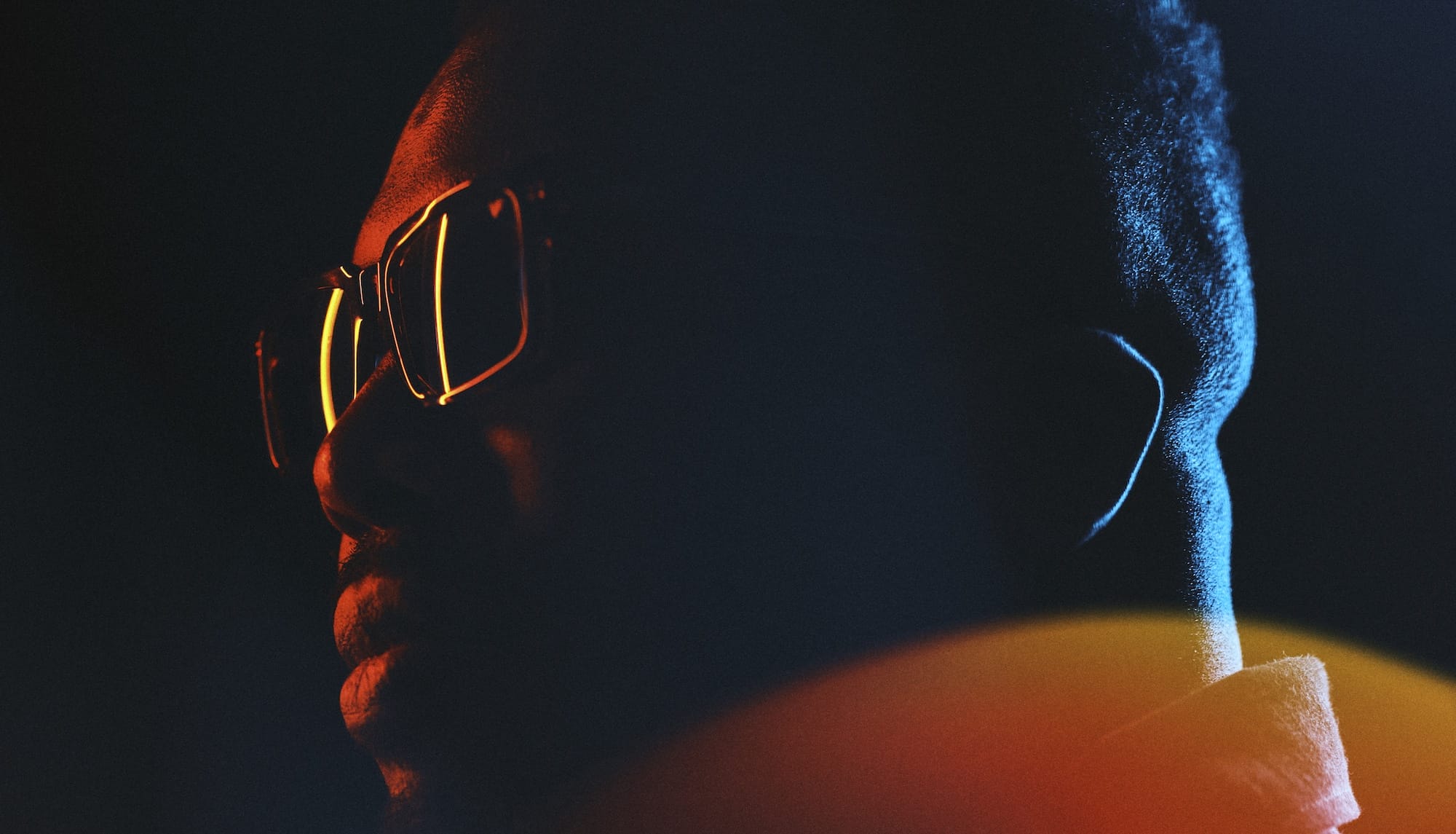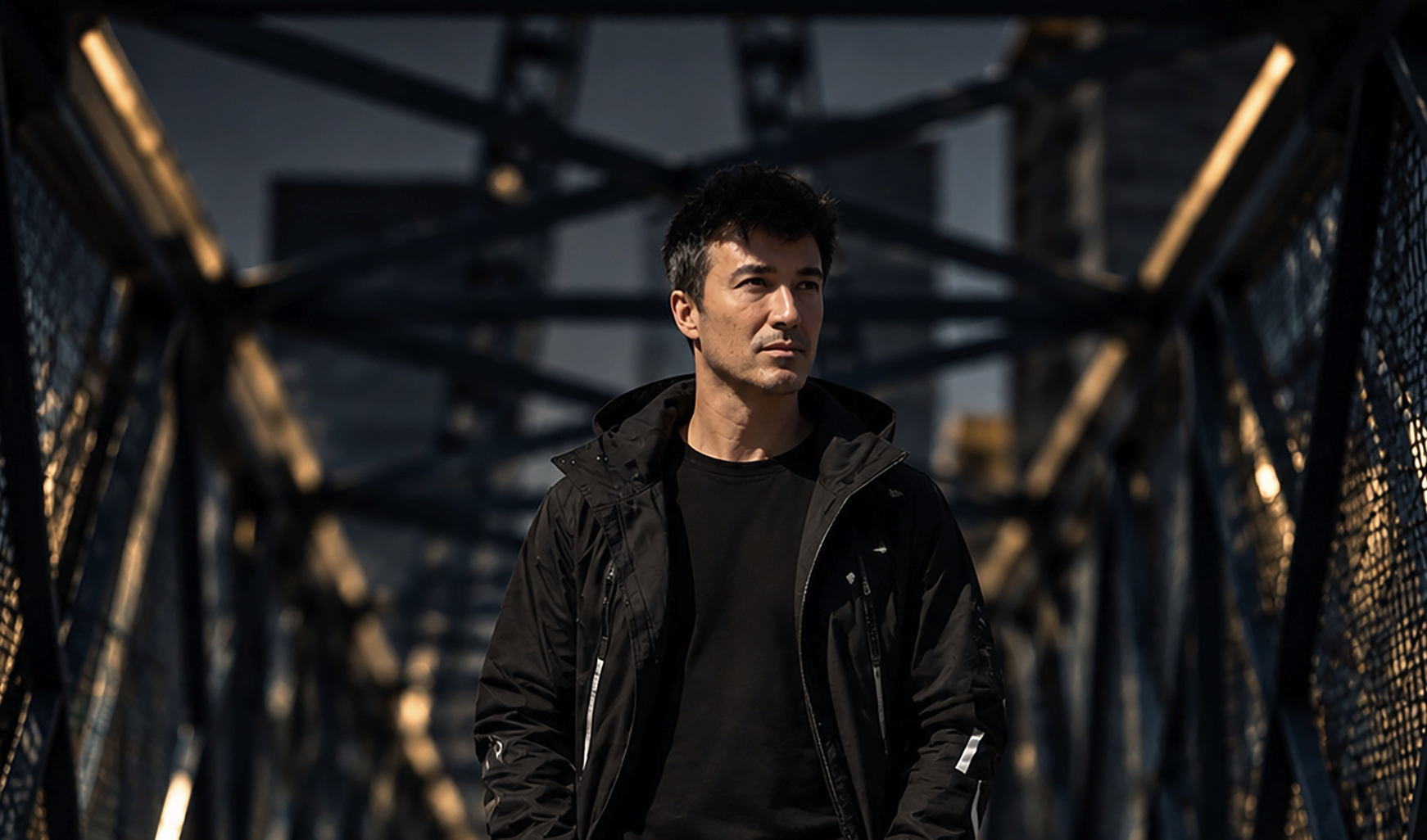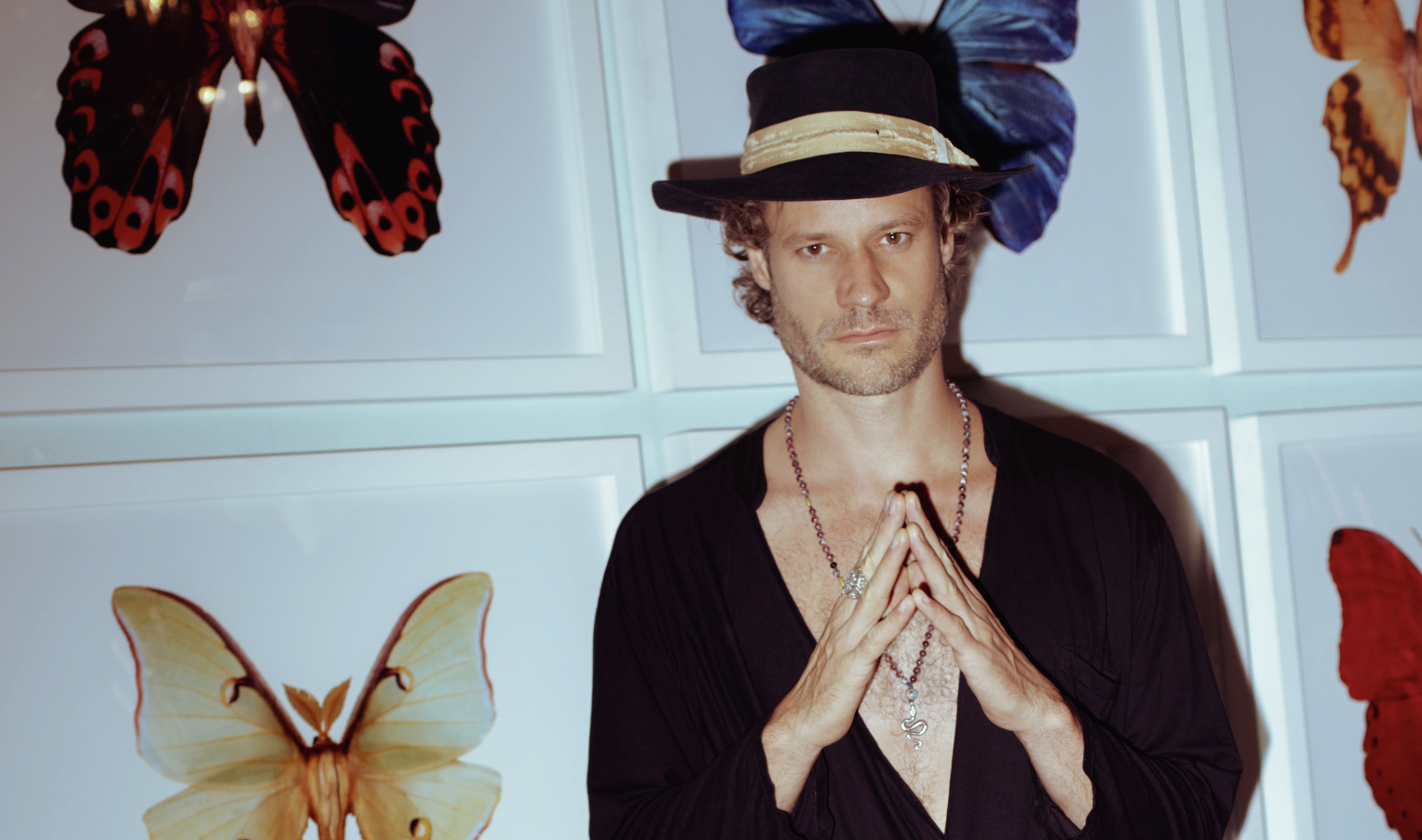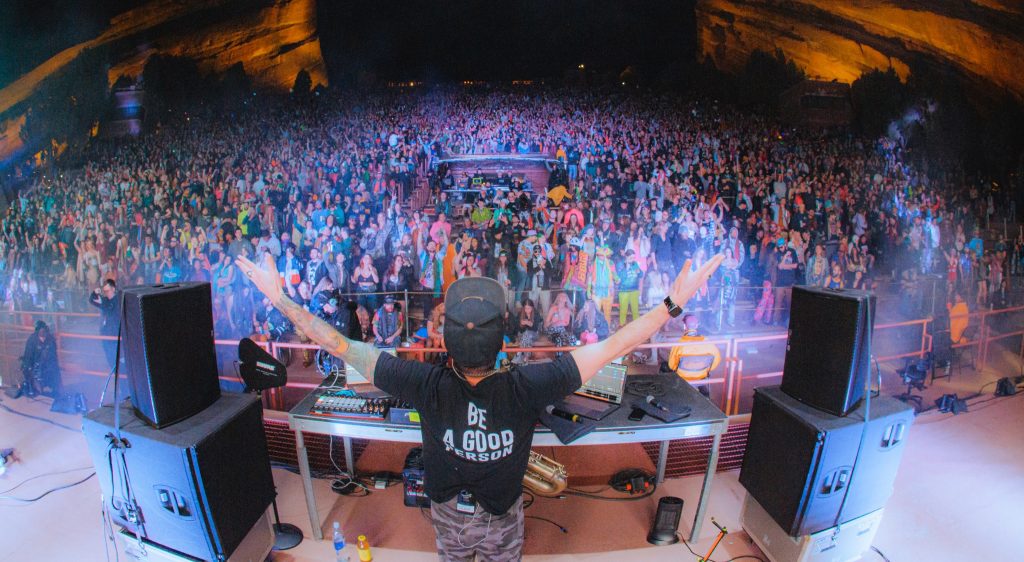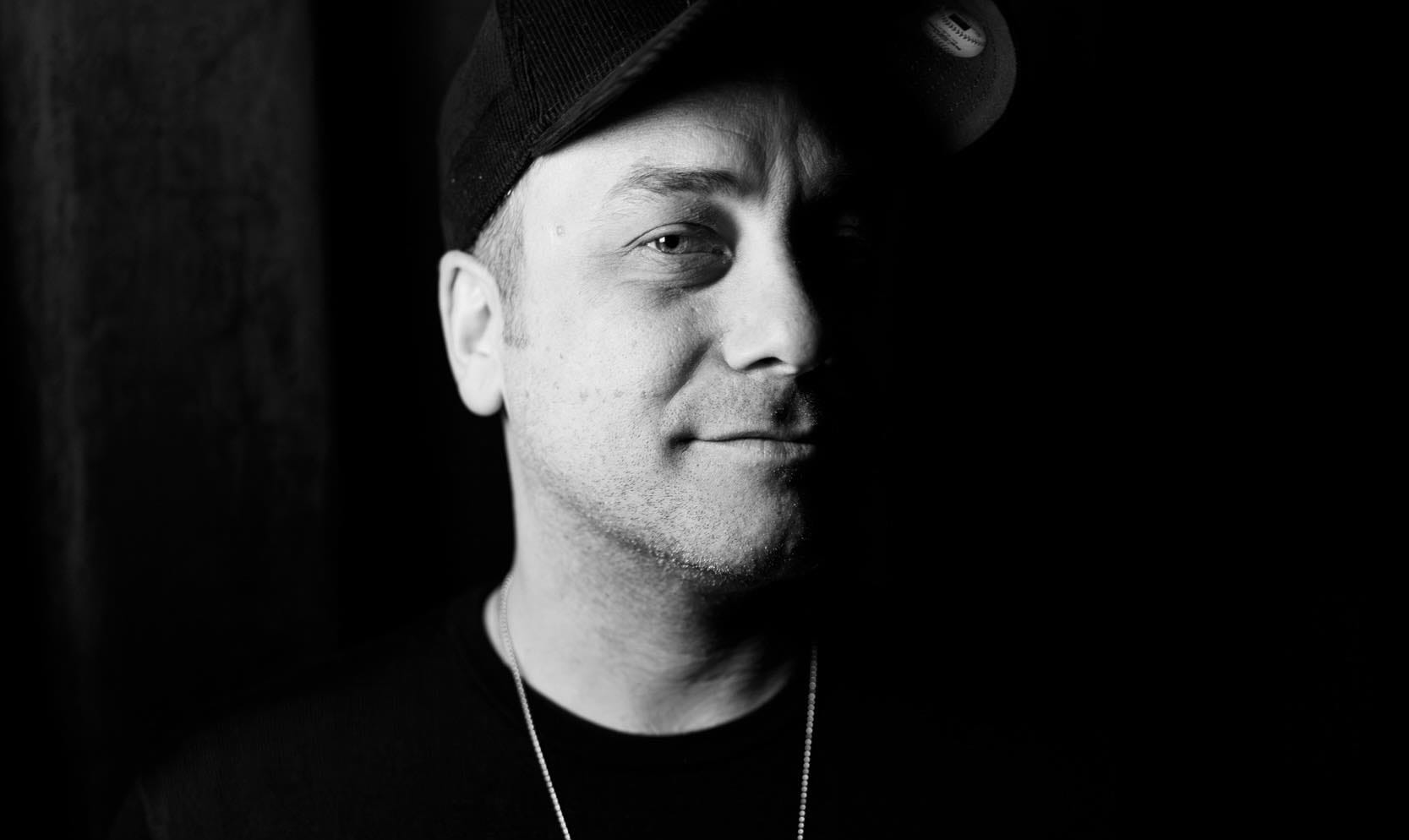
Italian DJ and producer Frankie Ferrara brings warmth and sincerity to everything he does, from the soulful grooves in his new single Roy Zone on David Morales’ DIRIDIM label to the way he talks about the roots of his love for house music.
Growing up in Italy during the 90s, he tuned in religiously to late-night radio shows, absorbing the sounds of Knuckles, Morales, Humphries, and Vega before ever setting foot in a club. That grounding in melody, groove, and emotion still runs through his work today.
We’re very happy to have an exclusive mix and interview with Frankie, both of which you can check below.
You’ve spoken about being glued to the radio in the 90s and later experiencing DJs like Knuckles, Morales, Humphries, and Vega live. Can you remember a single moment from those early nights that crystallised your sense of what house music could be?
It all started in that period, the first half of the ’90s, when, obviously, I couldn’t go to clubs because I was too young, I would glue myself to the radio at night to listen to house music, which at the time was, in my opinion, almost at the peak of its explosion as a musical movement that would later take place in the late ’90s. I would record cassettes at night and then listen to them with friends during the day. In those years in Italy, there were radio stations that played really good music and had programs that also featured mixes by the DJs I mentioned earlier. So many moments from those early parties, but one in particular that really made me understand the power of this music was when Frankie Knuckles was playing at a party in a well-known club near me. It was a summer night, and suddenly it started raining heavily, and the power even went out for a while, but no one left. I remember, and when I say no one, I told you about a crowd of about 5,000 people. As soon as they realized the power was there, Frankie started playing again, and in a flash it was 9 in the morning. That night I understood the power that House Music had. We were so happy that no one would ever leave there, even though it was raining.
Italian club culture of the 90s and 2000s had its own distinct identity, often more eclectic and melodic than elsewhere. How did growing up within that scene shape your approach to DJing and production today?
In those years, it was truly a sociocultural movement that influenced generations in many ways, from musical culture to clothing, so to speak. As for me, musically, I was fascinated by the DJs’ technique of mixing various musical genres and creating that flow that kept everyone on the dance floor, getting them to share the same vibe, which is what I try to do in my sets. As for production, the influence of those times on my tracks ranges from funk, soul, and disco.
You came to production relatively recently, in 2019, after many years as a DJ. How did that long gestation period influence your style once you finally stepped into the studio?
Let’s say it all started partly as a joke, but mostly because after so many years, I was bored of only playing other producers’ music, and I thought, why not give it a try? All things considered, I can say I’ve gotten some small personal satisfaction, but to answer your question, that long period has definitely influenced my productions, which lean toward classic, soulful, deep, and Afro vibes.
Roy Zone feels light, summery, and playful, yet rooted in classic house textures. How do you decide when to strip things back and keep it simple versus layering more complexity into a track?
Roy Zone is a song I really like. It’s probably my favorite style of house music, and it takes me back to the influences of the era we were talking about earlier. I hope the public will like it too. When I enter the studio, I always have an initial idea, obviously, but honestly, the final result always depends on how I feel at the time, my mood. Let’s just say I go by gut feeling a lot.
DIRIDIM is built around David Morales’ idea of house with heart and depth. What have you learned from being part of that family of artists, and how does it influence your own vision of house?
When I signed my first release, “Panorama,” on DIRIDIM, I was over the moon. I thought, “Wow, David Morales likes my music too.” Since then, I’ve signed other releases on DIRIDIM, and the quality of my productions has continued to improve. David has even remixed two of my releases. He’s one of my biggest sources of inspiration, both for djing and producing, and I’m learning a lot from his tracks and his invaluable advice. Ultimately, I’m honored to be part of the DIRIDIM family, and to be honest, I never imagined, when I started producing, that one day I’d be talking about music, my music, with David Morales.
You’ve described yourself as a “360° music lover.” Outside of house, what other genres or artists feed into your work in unexpected ways?
I simply divide music into two categories: what I like and what I don’t like, what transmits something to me and generates emotions of any kind in me, ranging across all musical genres but besides House Music, which remains my favorite, I really like listening to blues, jazz, reggae, disco and rock, a little bit of everything as long as it’s quality music.
As someone who has lived through several waves of house music’s evolution, how do you see today’s scene compared with the underground clubs you grew up in? Are there things you miss, or new elements you’ve come to appreciate?
I’m honestly not exactly thrilled with the current scene, having fortunately experienced one of its best phases. However, changes are and always will be there, and sometimes they’re good, sometimes they’re not. I’ll be honest, the thing I like least is the extreme image of the DJ as a superstar, a dancer, necessarily cool, handsome, and very social, neglecting the music, which unfortunately isn’t always the center of attention. I remember the great DJs coming to play wearing tracksuits and comfortable shoes because they’d stay behind the decks for six or seven hours straight, sometimes even longer, which rarely happens today. What I like, however, is that today’s clubs are trying to create a much more immersive experience, even visually, using technology, creating a different and perhaps more complete experience than before.
Tell us about the mix you’ve put together for us – any specific tracks you’d like to highlight?
Obviously there’s Roy Zone which we talked about before, my “Breathe Again” which is my collaboration with Robert Owens who is another House Music legend who I had the pleasure and honor of working with and then my “The Power Of 2” which is a track I did with Anna-Marie Johnson, a beautiful, soulful love song, in addition to the other tracks of course.
Looking ahead, are there sounds or directions you haven’t yet explored but feel drawn to? What’s the next step in your journey as both a DJ and producer?
The sounds I like to explore are soulful, deep, Afro, and classic, but I don’t rule out veering a bit toward a more “deep dark” side, if you can call it that. Ultimately, I hope to continue making good music and conveying my emotions in my sets, as I always try to do, and perhaps even deliver a few hits that will stay in the hearts and minds of all House Music Lovers like me and beyond. Thanks for your interview, and see you soon.
Roy Zone is out now on DIRIDIM