Images Cred To Ryan James-Beau (Unless Otherwise Credited)
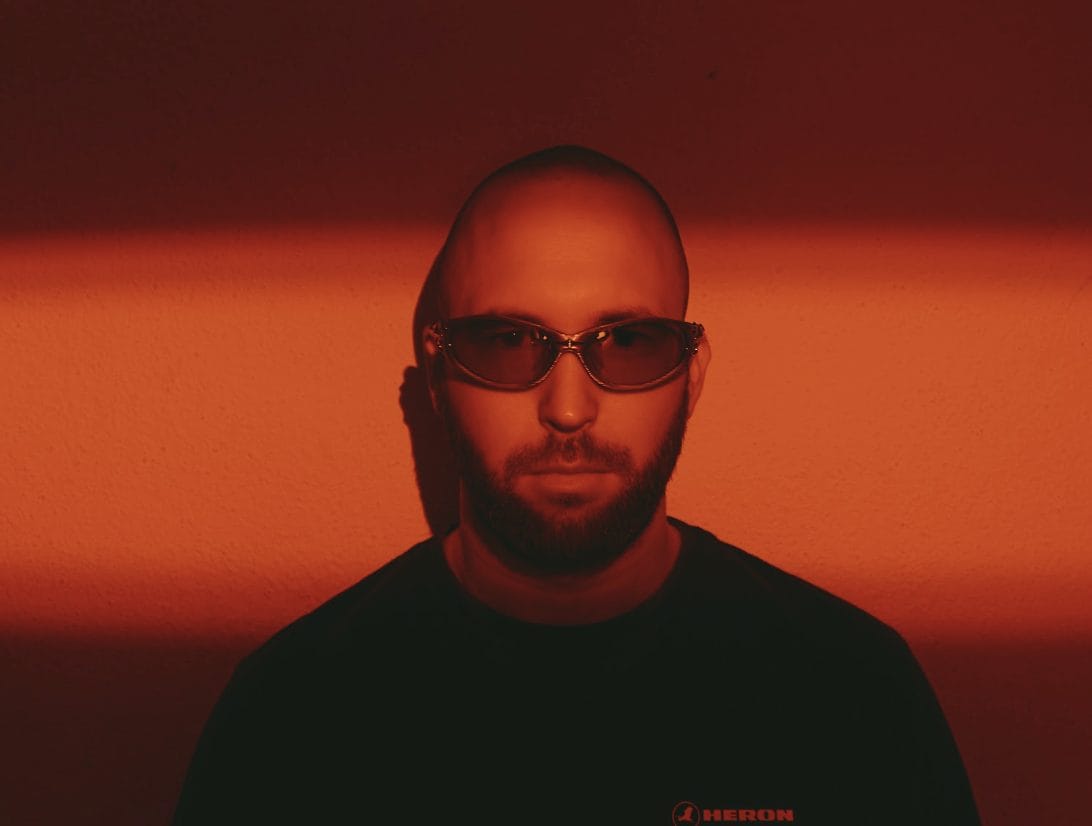
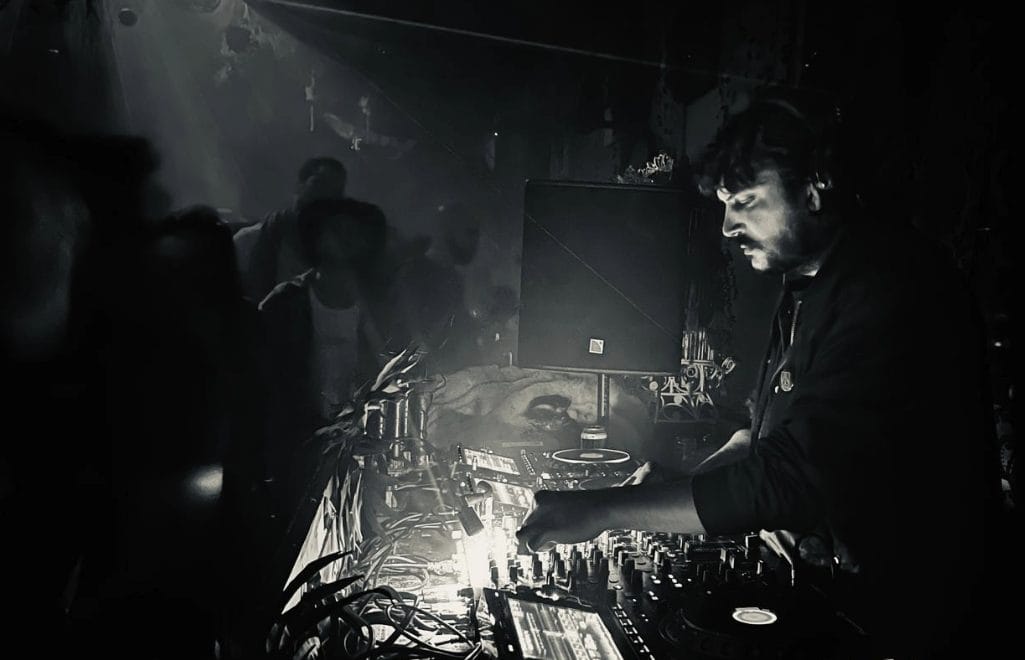
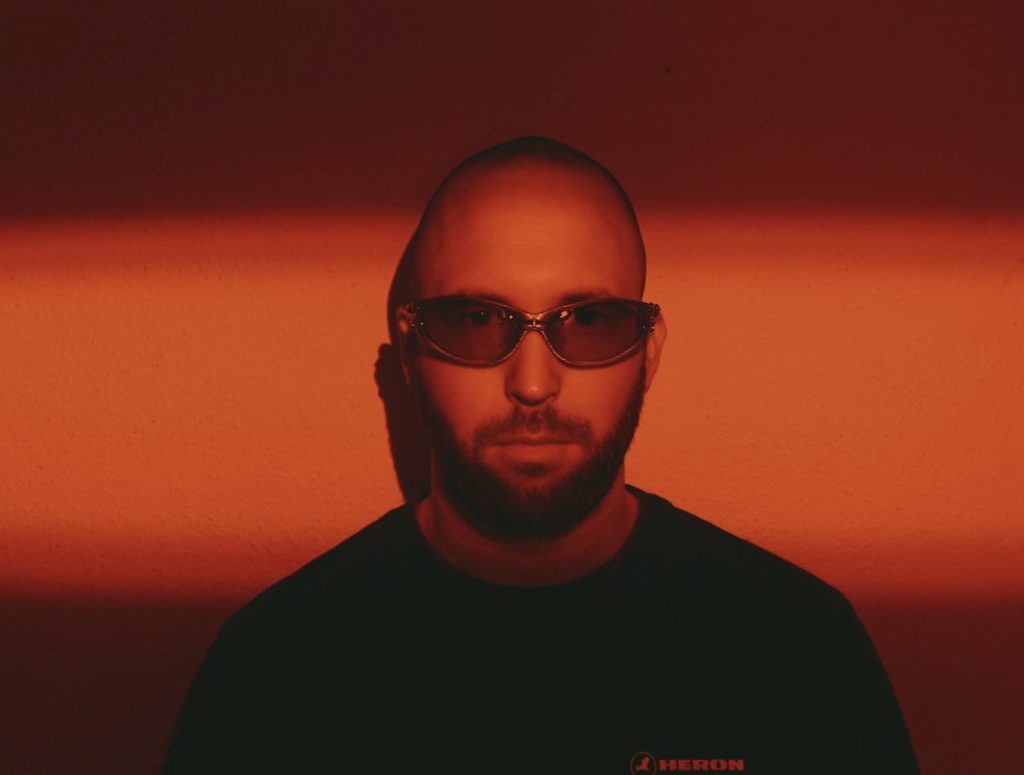
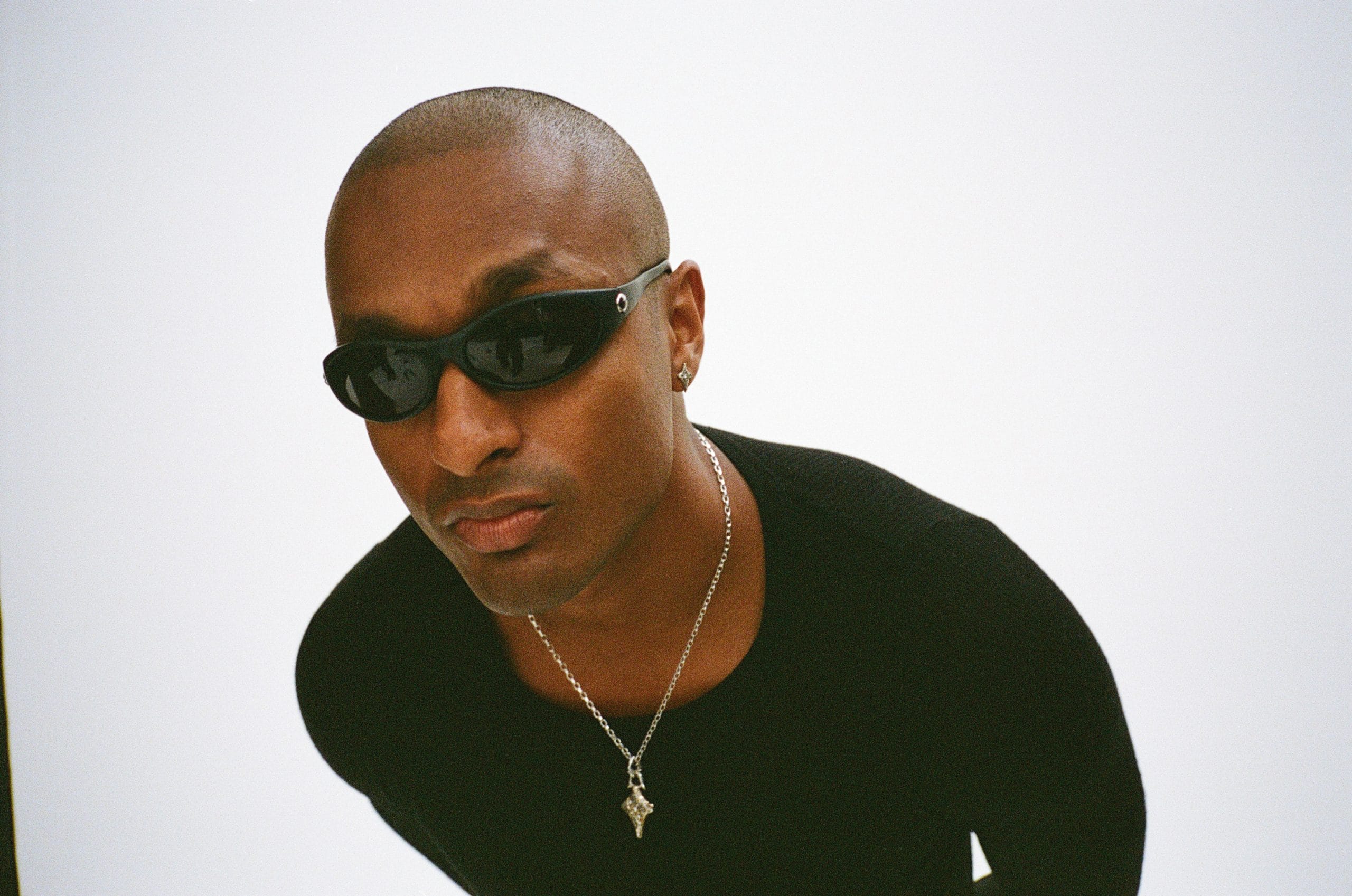
ICYKOF’s (@icykof) arrival on Radio Slave’s Rekids Special Projects imprint lands with a clear sense of direction. ‘Space Talk’ connects his London-rooted perspective with a lineage that runs through Detroit and Chicago, while still staying grounded in club function. That balance has defined his output across KMS Records, Astral People, and his own Rave Nuit platform, and it continues here with a tighter focus on structure, rhythm, and vocal presence.
Across the EP, there is a consistent emphasis on physicality in the mix. ‘Get Outta My Head’ builds around direct drum programming and spoken vocal placement, ‘I Remember’ leans into pressure and release through arrangement, and ‘Glitter Trap’ shifts toward a darker register suited to late sets. It reads as a functional three-track package designed for DJs who need control points inside a set rather than standalone listening pieces.
The conversation around this release moves into how ICYKOF approaches selection and discovery in a streaming-first environment. His answers point toward a clear separation between access and commitment, and how long-term taste is shaped through repetition, physical formats, and lived experience rather than constant input.
Interview With ICYKOF
Has streaming expanded your taste in unexpected ways, or clarified what you were already drawn to?
Streaming definitely expanded my taste early on, especially through shuffle, radio, and algorithmic recommendations. It felt like instant access to worlds I would not have found otherwise.
After years of using platforms like Spotify or Apple Music, it starts to plateau. The recommendations become more predictable and reinforce what you already like rather than challenge it.
So it depends on where you are in your process. At the beginning it opens everything up, and later it tends to refine rather than expand.
In your view, are platforms shaping global taste, or surfacing patterns that were already forming?
Platforms are shaping global taste now.
The barrier to entry is low, so anyone can upload music and potentially reach a wide audience. Because algorithms reward familiarity and engagement, there is a tendency for artists to repeat what is already working rather than push new ideas.
This creates a feedback loop where similar sounds get amplified and individuality can flatten into a more uniform global output.
How do you stay intentional about your selections when trends move so quickly online?
It comes from having a foundation that existed before everything became so fast.
I developed my taste over time by sitting with music and understanding why I liked it rather than reacting to constant updates. That carries into how I approach selection now.
I think in terms of longevity. I ask if something will still feel right in five years rather than focusing on whether it fits today.
Have you ever reviewed your crates and noticed how closely they mirrored the current moment? What did that tell you?
My crates do not really reflect trends. They reflect moments in my life.
When I travel, I buy vinyl from record shops, and those selections are emotional rather than functional. I am not thinking about how they will work in a club, I am responding to what connects with me at that time.
Looking back, those records become markers of where I was mentally and creatively. It is less about capturing a scene and more about capturing a feeling.
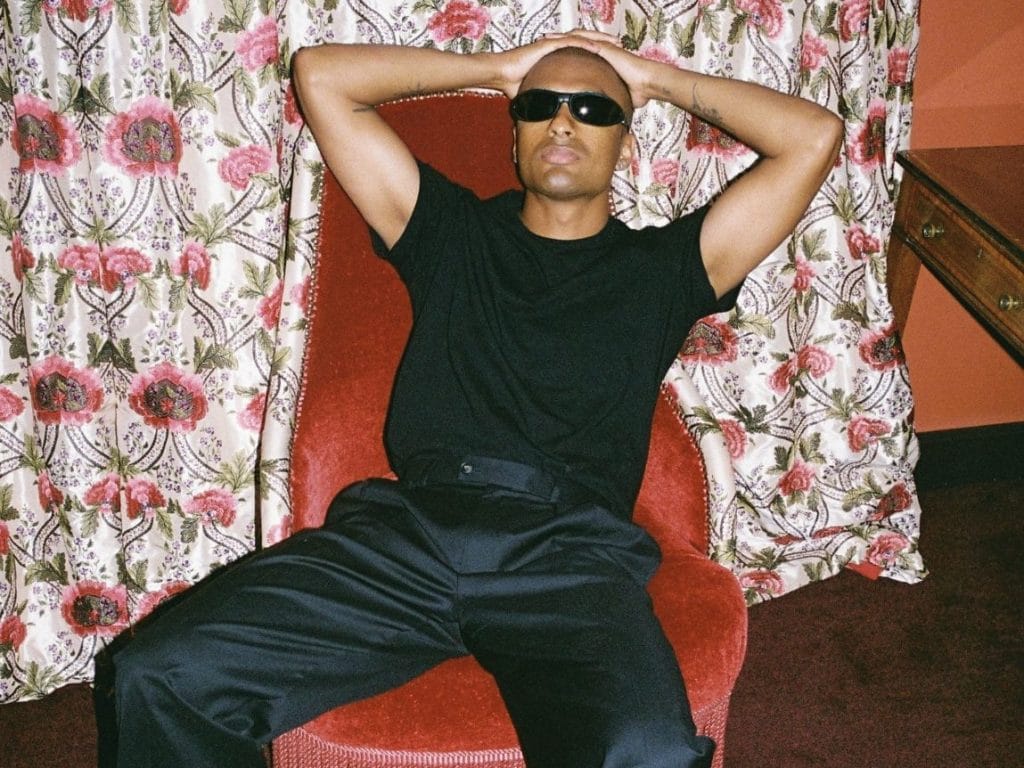
What practices help you stay connected to your own sense of taste beyond algorithmic recommendations?
I spend time in environments that are completely analogue.
I ride motorcycles, bikes like a Triumph Bonneville or a Harley-Davidson Nightster, and that puts you in a different state. You are fully present with no phone and no distractions.
That pulls you out of passive consumption and puts you back into direct experience. Algorithms can suggest music, but they cannot recreate that kind of clarity.
Do you see a generational shift in how younger DJs develop their ear in a streaming-first era?
There has been a shift, especially around sound systems and how music is experienced physically.
A lot of people are used to hearing music through small smart speakers or headphones, which changes how they perceive low-end, space, and dynamics.
I grew up around larger home systems with physical formats, and that shaped how I hear music. It pushed me toward depth and power in sound.
The newer generation develops their ear based on what they are exposed to, which is more compressed and convenience-driven. That feeds back into how music is produced and mixed now.

Will Vance is a professional music producer who has been involved in the industry for the better part of a decade and has been the managing editor at Magnetic Magazine since mid-2022. In that time period, he has published thousands of articles on music production, industry think pieces and educational articles about the music industry. Over the last decade as a professional music producer, Will Vance has also ran multiple successful and highly respected record labels in the industry, including Where The Heart Is Records as well as having launched a new label with a focus on community through Magnetic Magazine. When not running these labels or producing his own music, Vance is likely writing for other top industry sites like Waves or the Hyperbits Masterclass or working on his upcoming book on mindfulness in music production. On the rare chance he's not thinking about music production, he's probably running a game of Dungeons and Dragons with his friends which he has been the dungeon master for for many years.