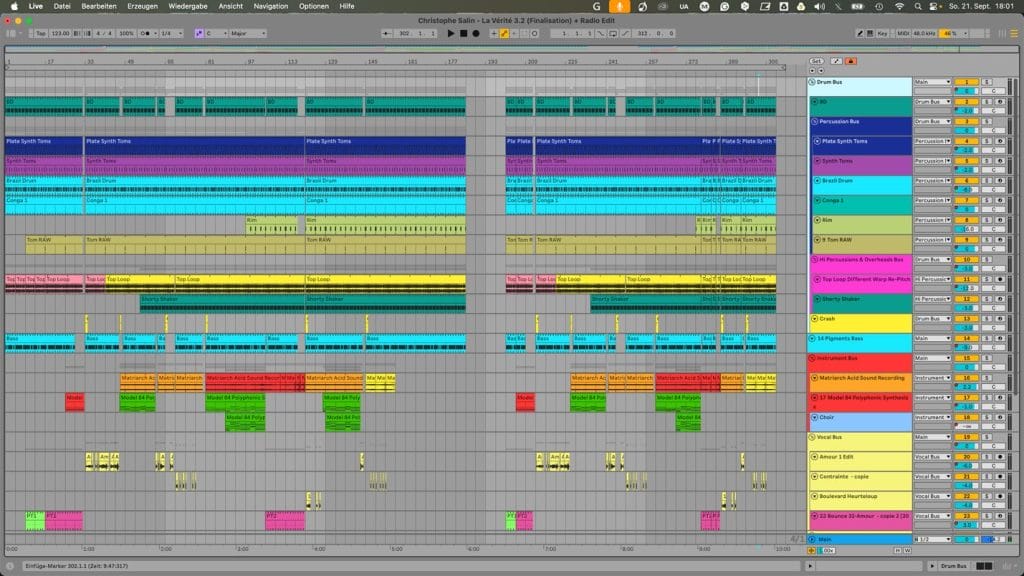
We don’t use the term “master” lightly. But, when it comes to Christophe Salin, there are very few words that fit him better.
The deep house genius is back at it with his newest, “La Vérité“, a collaboration with Justine. Released on his own record label, his track is pretty much everything you’d expect from Salin: a deep house masterclass with both analog and digital synthesis taking center stage, and Justine’s spoken-word vocals taking the track to the next level. Salin, once again, cements himself as a master producer with this track.
On this installment of our How It Was Made series, the master himself sits down to share the tools, tips, and tricks that brought this track together. Take a listen to “La Vérité” below, and then read on to learn some more bout analog synthesis, vocal processing, tape emulation, and more. You don’t want to miss this one!
Moog Matriarch (Synthesizer)

What it is:
The Moog Matriarch is a semi-modular analogue synth with four oscillators, a built-in stereo delay, and endless patching options. It’s known for its rich character, lush low end, and the ability to go from classic Moog basses to wild experimental textures. For me, it’s the kind of synth that always feels alive in your hands — turning knobs is part of the performance.
How I used it:
On La Vérité, the Matriarch created all the acid-style lines. I sequenced MIDI from Ableton into the synth but recorded while tweaking the hardware in real time, which gave the sound movement and unpredictability. Its onboard delay was used heavily in this track, adding space and depth, and I blended in an external spring reverb for extra warmth. The combination gave the acid sounds a raw, organic edge that I couldn’t get from plugins.
Tip:
The Matriarch is a dream for injecting character into repetitive patterns. Perform filter sweeps, push the delay feedback, record long takes and edit them afterwards— the best parts often come from small imperfections. Even if you don’t own the hardware, learning to perform with your synth rather than just programming it is a huge creative boost.
Relab LX480 (Reverb)
What it is:
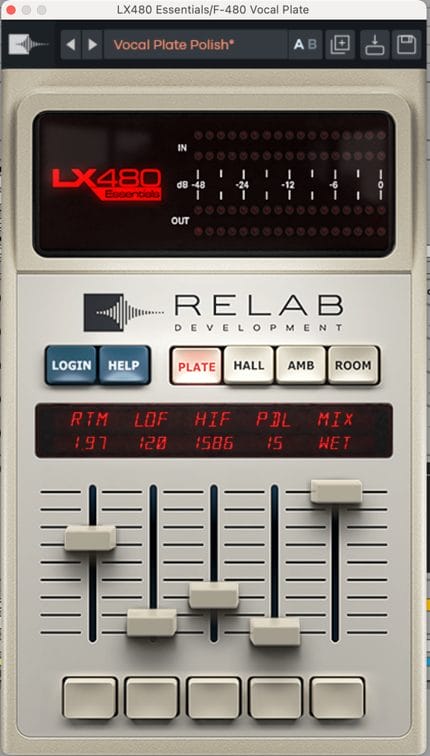
The Relab LX480 is a faithful emulation of the classic Lexicon 480L digital reverb, famous for its lush plates and halls. It’s straightforward to use yet capable of creating everything from subtle room ambience to huge, cinematic spaces. I especially love it for its plate algorithms, which blend beautifully in dense mixes.
How I used it:
For La Vérité, I used the LX480 on Justine’s vocal, specifically with a plate setting. Since her recording came from an iPhone voice memo, the reverb helped give it depth and polish while keeping it natural. It gave her spoken delivery a sense of intimacy but also the right place in the mix.
Tip:
Plates are often easier to fit into the mix than hall reverbs. Try using shorter decay times to keep things tight and adjust the pre-delay to the groove and BPM of the track. The LX480 is great because you can get that classic Lexicon shimmer without overcomplicating things.
Softube Tube-Tech CL 1B (Compressor)
What it is:
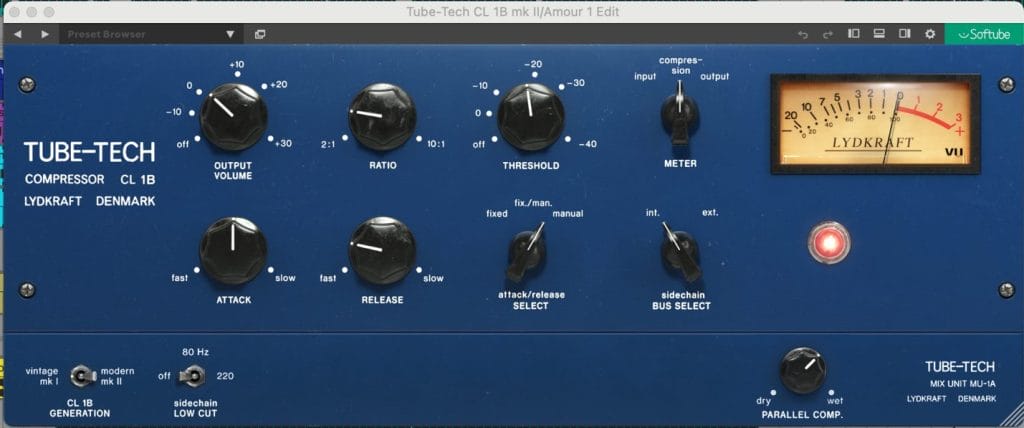
The Tube-Tech CL 1B is a legendary opto compressor, often called one of the smoothest vocal compressors ever. The Softube version captures that warm, tube-driven sound while giving you all the control of a modern plugin. It’s slow, musical, and adds weight without sounding squashed.
How I used it:
I used the CL 1B on Justine’s vocal channel after the initial corrective processing. It wasn’t about heavy compression but about adding tone and body. With a gentle ratio and medium attack/release, it helped the vocal sit right in the center of the mix. The warmth it brings was especially useful since the original iPhone recording felt quite cold.
Tip:
For vocals the CL 1B works wonders. Don’t push it too hard — let it breathe and think of it more as a tone shaper than a strict dynamics controller. Pair it with a 1176 before it, and you’ll have a vocal chain that feels present, polished, yet natural.
Softube Tape (Saturation)

What it is:
Softube Tape is a tape emulation plugin with three different machine types, each adding unique color, compression, and subtle harmonic saturation. It’s simple to use but can transform sterile digital mixes into something warm and analog-like.
How I used it:
On La Vérité, I used Softube Tape on the master channel, with Tape Type B. It gave the low end a rounder, warmer feel and softened the top end, making the whole mix smoother and more cohesive. I didn’t go heavy with the drive — just enough to add glue and take away the harshness from digital elements.
Tip:
For house music, tape saturation is invaluable on groups or the master bus. It adds that subtle compression and warmth that helps tracks translate better. My advice: use your ears, not your eyes. Small amounts can make a huge difference, while too much can easily muddy the mix.

Quick Fire Tips for Making Deep House
Tip #1: Mix and songwriting go hand in hand in electronic music — mix while building your track, don’t separate it from each other.
Tip #2: Reference your track against your favorite records constantly. It keeps perspective and ensures your mix translates.
Tip #3: Record long synth takes and edit them afterwards. Let the performance bring life to loops.
Tip #4: Plate reverbs blend better than halls — they keep things tight and still give space.
Tip #5: The Andrew Scheps Rear-Bus Trick is gold = a parallel compression bus including everything except drums and bass for extra depth and excitement (do your research ;-)).
Stream “La Vérité” here.

Magnetic byline note: This byline is used for staff produced updates and short announcements, often based on press materials and official release information. Editorial responsibility: David Ireland (Editor in Chief) and Will Vance (Managing Editor). About: https://magneticmag.com/about/ Masthead: https://magneticmag.com/masthead/ Contact: https://magneticmag.com/contact/