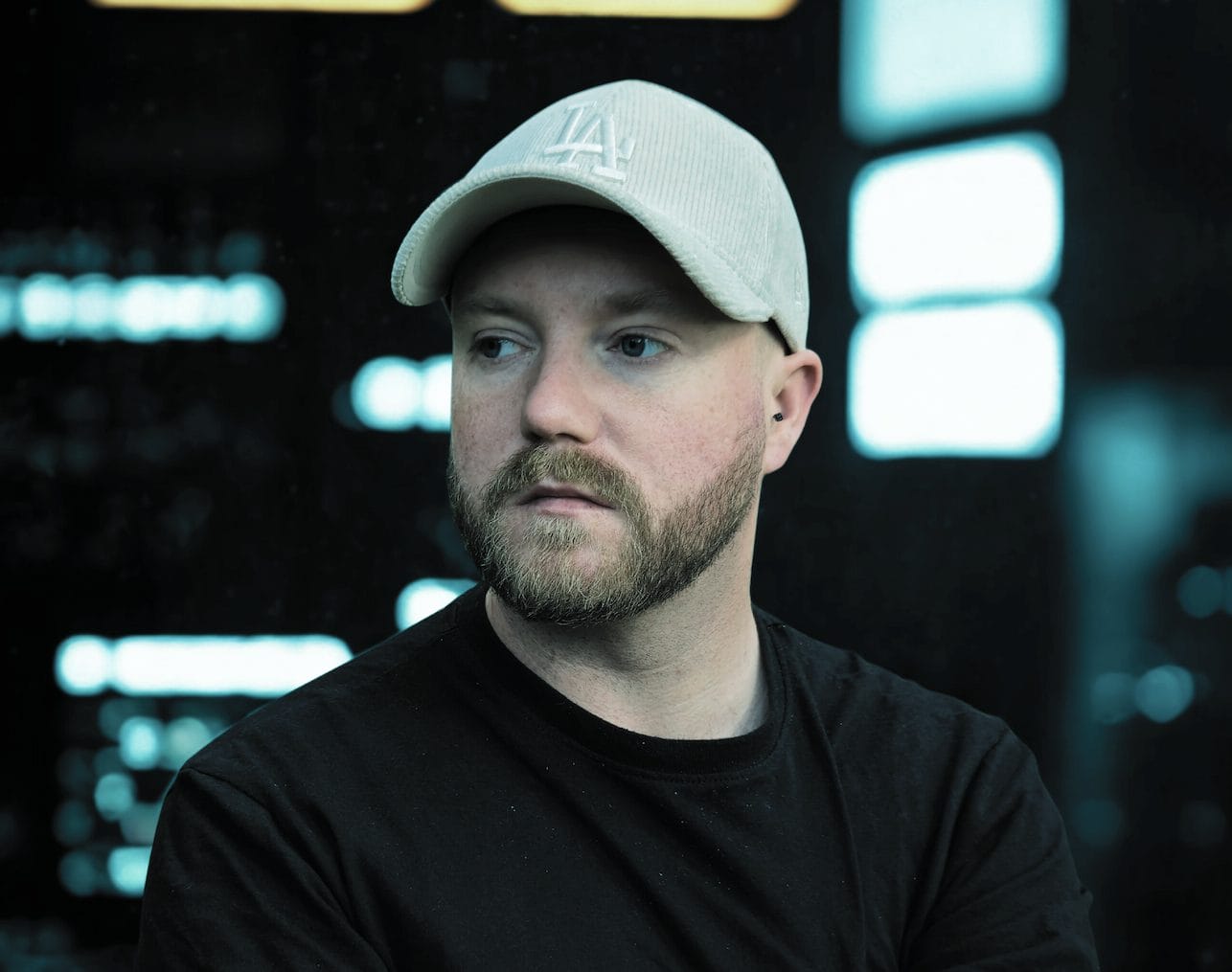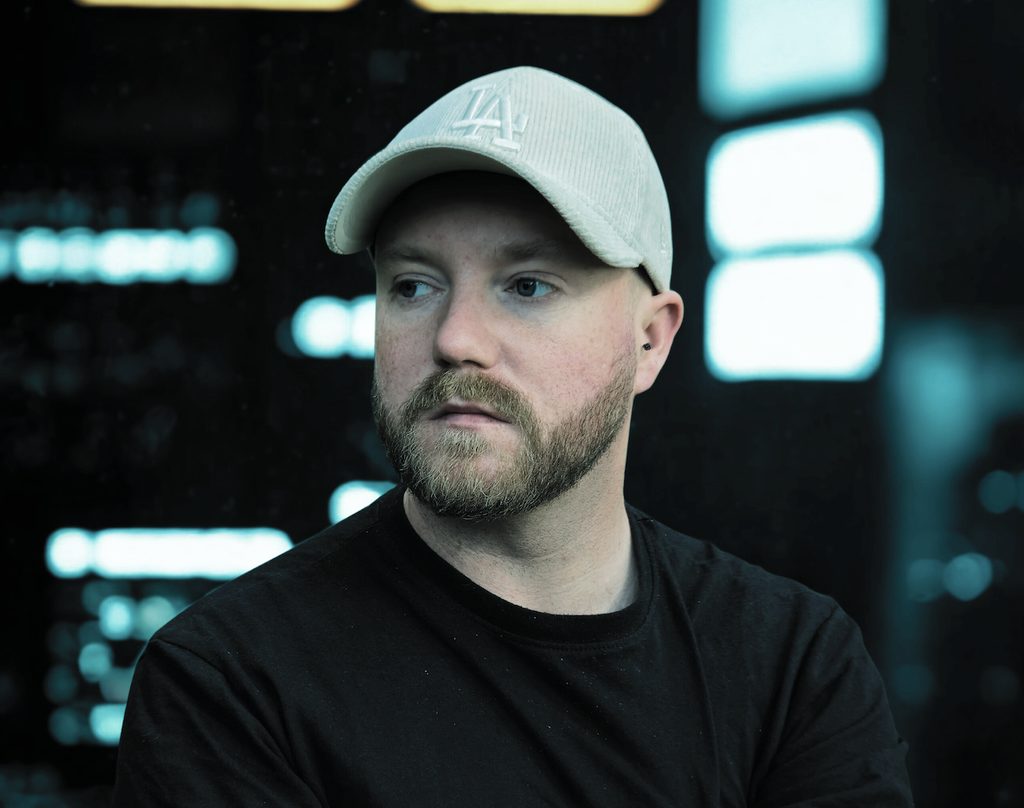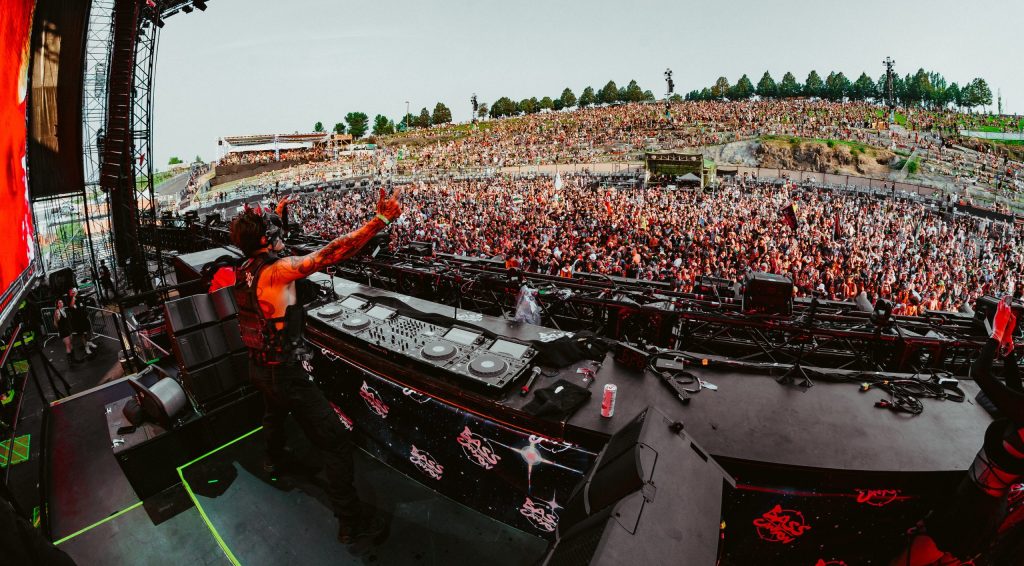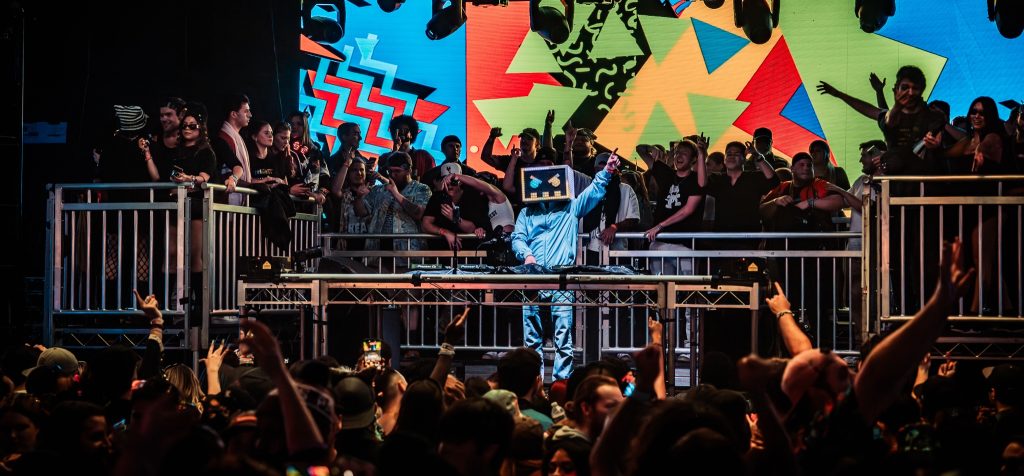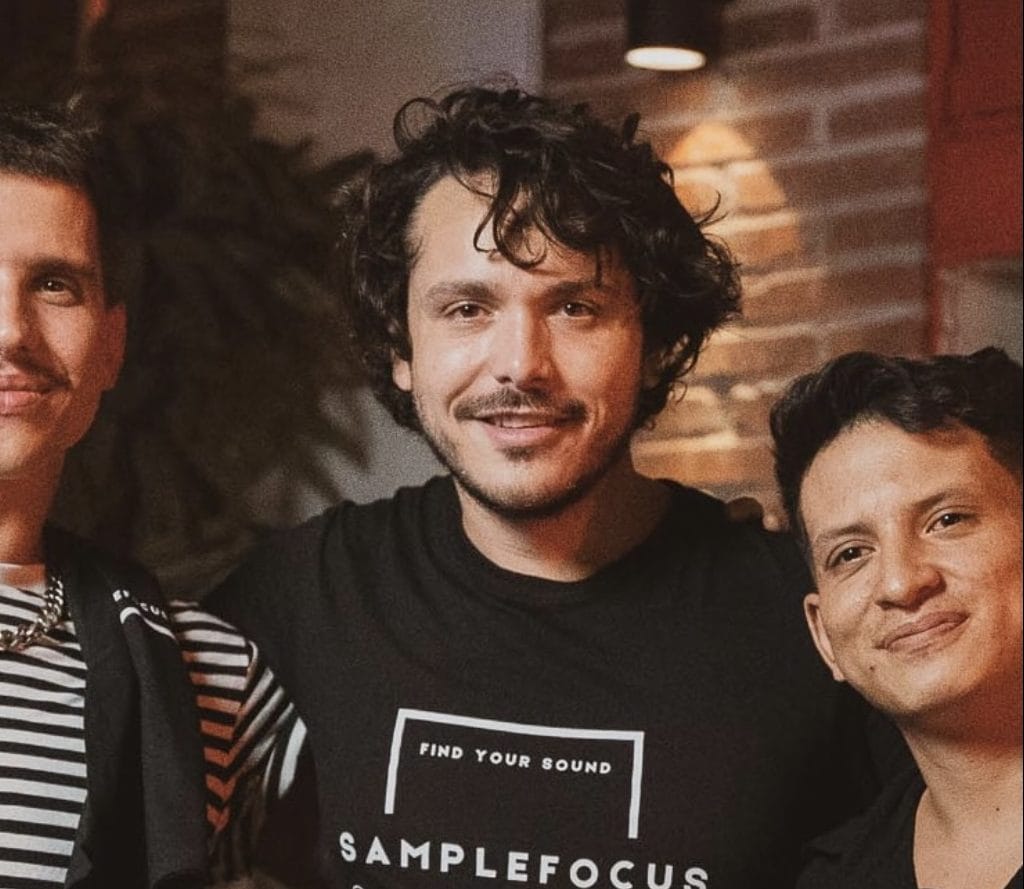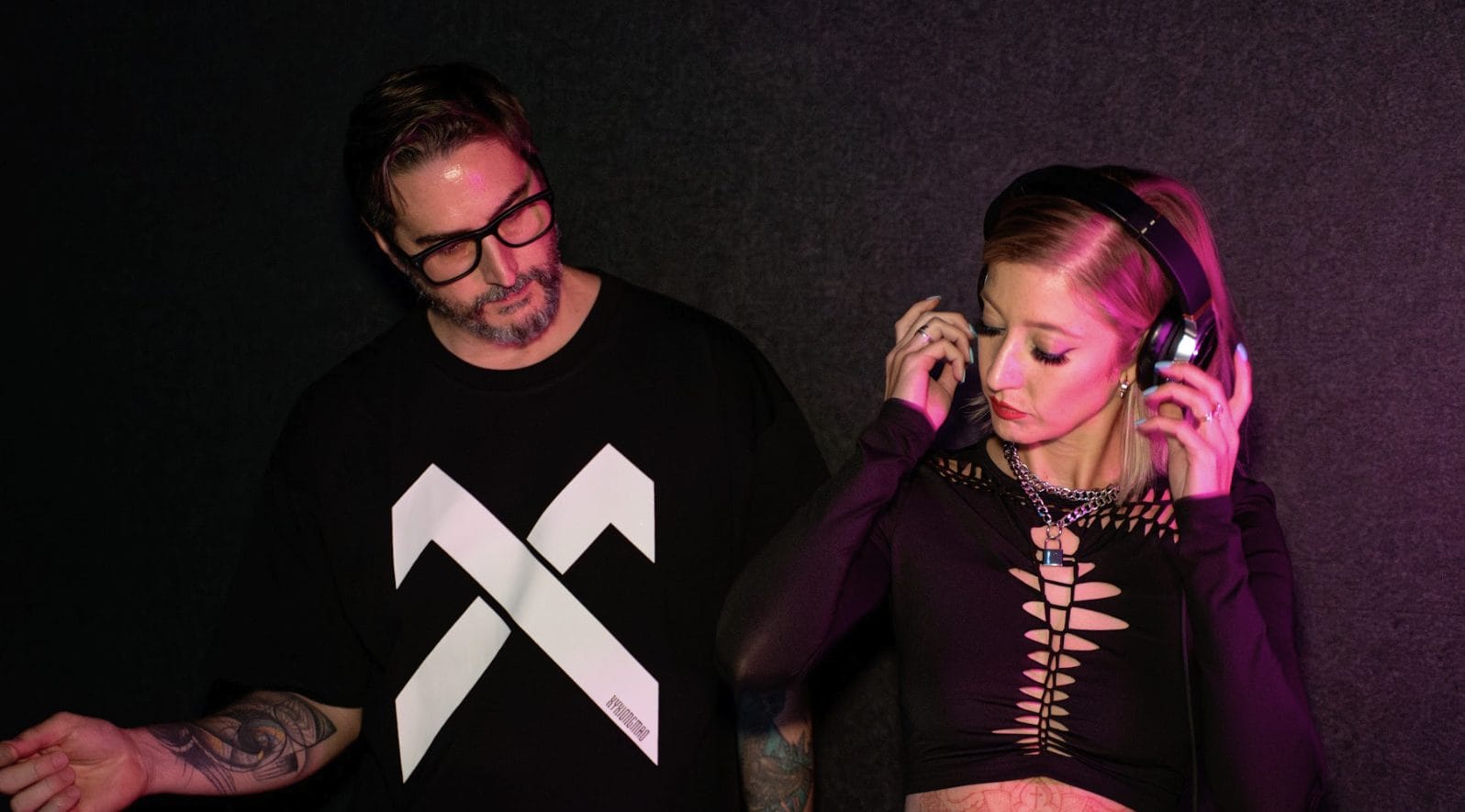
A week after the release of their remix for LAURE’s “Moon Whispers” on Magnetic Magazine Recordings, Dove City sit down to discuss the realities of being producers in today’s electronic scene. Known for their measured approach and grounded sound design, the duo open up about creative burnout, the challenges of maintaining authenticity in a content-driven culture, and how sobriety reshaped their music and mindset.
Their remix of “Moon Whispers” arrived as catalog MMR040, marking their debut on the label and capturing a balance between structure and subtlety that defines their current output. Away from release schedules and algorithmic expectations, Dove City focus on creative sustainability and self-awareness which are two qualities that continue to shape their place in the modern electronic landscape.
Snag It On Beatport Here
Below is the full interview with Dove City, discussing how they’ve learned to maintain focus, find meaning in collaboration, and remain present through every phase of their process.
Magnetic Magazine x Dove City

What’s the one thing you wish people knew about the challenges of being a producer today?
Honestly, it’s that being a “producer” today means doing everything. It’s not just about writing music anymore. You’re expected to handle mixing, mastering, distribution, promotion, content creation, branding—basically, run an entire business on your own. And the most painful part for us? Social media. The constant pressure to churn out content that’s superficial or “on trend” just to stay visible. It’s exhausting and creatively draining.
We know a lot of producers feel the same way—stuck in this loop of having to perform online instead of just making art. It sometimes feels like the smallest part of being a producer is actually producing.
That imbalance can kill inspiration if you’re not careful. We’ve learned to guard our creative energy and focus on the music first, even if it means not playing the content game 24/7.
What’s a key piece of advice you would give to your younger self at the start of your journey?
Write music sober.
That’s the one piece of advice that truly changed our lives. We both went completely sober in 2018, and everything—personally and creatively—got better from that moment on. Before that, we were partying a lot, staying out late, hungover half the time, with zero clarity or motivation. There’s this romanticized image of the tortured artist or the wild party producer, but the reality is… It’s just not sustainable.
Since getting sober, our creative output has skyrocketed. The fog lifted. We gained time, energy, and focus—not just for music but for life. It’s wild how clear your ideas become when you’re not running on fumes. If we could go back, we’d tell our younger selves: You don’t need to be messed up to make good art. In fact, it’s quite the opposite.
What’s one thing you’ve learned about the music industry that surprised you?
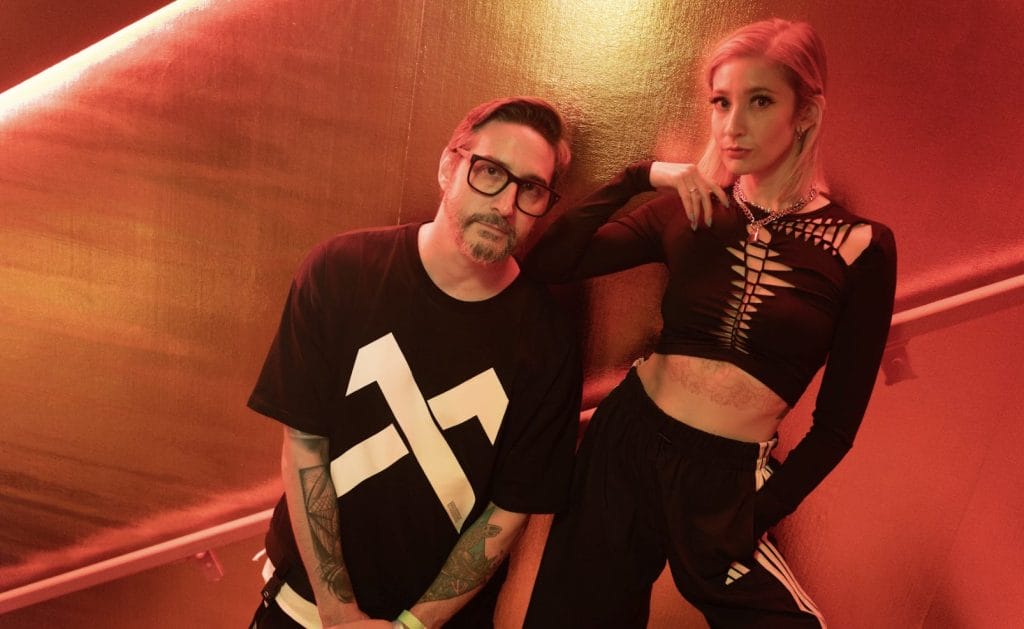
We were surprised by how genuinely supportive the global producer community is. The stereotype of the music industry is often super cutthroat—and to be fair, that can definitely be true in local DJ scenes. We’ve seen the ego trips, the cliques, the people who only want to associate if it benefits their status or gets them booked at the one “cool” club. It can feel really toxic and transactional.
But once we started connecting with other producers—especially outside our local bubble—we found something totally different. The focus was on the music, not the politics. We’ve made real friendships with artists all over the world, from rising peers to big-name legends. It’s collaborative, not competitive.
That sense of community has been the most unexpected and rewarding part of this journey.
What’s the biggest mistake you see other producers making when it comes to their creative process?
Too many producers are stuck in imitation mode. It’s understandable—when you’re starting out, you look up to your favorite artists and want to sound like them. But we see people getting trapped in that cycle for years. Chasing what’s trending instead of discovering what they actually have to say musically. You end up always being behind the curve, never truly finding your voice.
The producers who inspire us most aren’t the ones copying what’s hot—they’re the ones taking risks. Even if the world doesn’t “get” your sound right away, at least it’s yours. That authenticity shines through in the long run. Chasing trends just puts you in the shadow of someone else’s moment, while forging your own sound builds something lasting. People can feel when it’s real.
What’s the hardest part of maintaining a music career that people don’t often talk about?
Time.
Balancing your creative life with the real-life responsibilities that never stop. We’re parents with day jobs, so music happens late at night—after bedtime stories and dishes and all the usual stuff. Our studio time is precious and usually pretty quiet… which is kind of hilarious considering most producers are cranking kick drums at 2 a.m. We’re over here lightly thumping basslines so we don’t wake our kiddo.
It’s not glamorous, but it’s real—and we know a lot of artists are in the same boat. You’ve got to really love this to keep going, because it means sacrificing sleep, social plans, and sometimes sanity. But at the end of the day, it’s still worth it. Creating something out of those late-night windows is its own kind of special.
Where do you think the future of electronic music is heading?
It feels like AI is already infiltrating the music space more than most people realize.
We’re pretty sure a lot of the music that sounds eerily similar or overly polished today might already be AI-generated. A producer friend recently played us some new tracks and asked for our thoughts. We were really impressed and asked who the female vocalist was—turns out, it was entirely AI. We couldn’t tell the difference. That moment was a wake-up call.
While electronic music was born from technology, it’s ironic—and a bit dystopian—that the same technology might end up displacing the human soul of it. AI DJs, AI producers, AI vocalists… It’s already happening.
Some people will absolutely embrace it, and that’s fine. But for us, there’s something deeply unsettling about the idea of music made without real emotion or lived experience. We’re not anti-tech, but we’re definitely not aligned with the transhumanist agenda. If anything, it makes us more committed than ever to staying human in our process.

Will Vance is a professional music producer who has been involved in the industry for the better part of a decade and has been the managing editor at Magnetic Magazine since mid-2022. In that time period, he has published thousands of articles on music production, industry think pieces and educational articles about the music industry. Over the last decade as a professional music producer, Will Vance has also ran multiple successful and highly respected record labels in the industry, including Where The Heart Is Records as well as having launched a new label with a focus on community through Magnetic Magazine. When not running these labels or producing his own music, Vance is likely writing for other top industry sites like Waves or the Hyperbits Masterclass or working on his upcoming book on mindfulness in music production. On the rare chance he's not thinking about music production, he's probably running a game of Dungeons and Dragons with his friends which he has been the dungeon master for for many years.