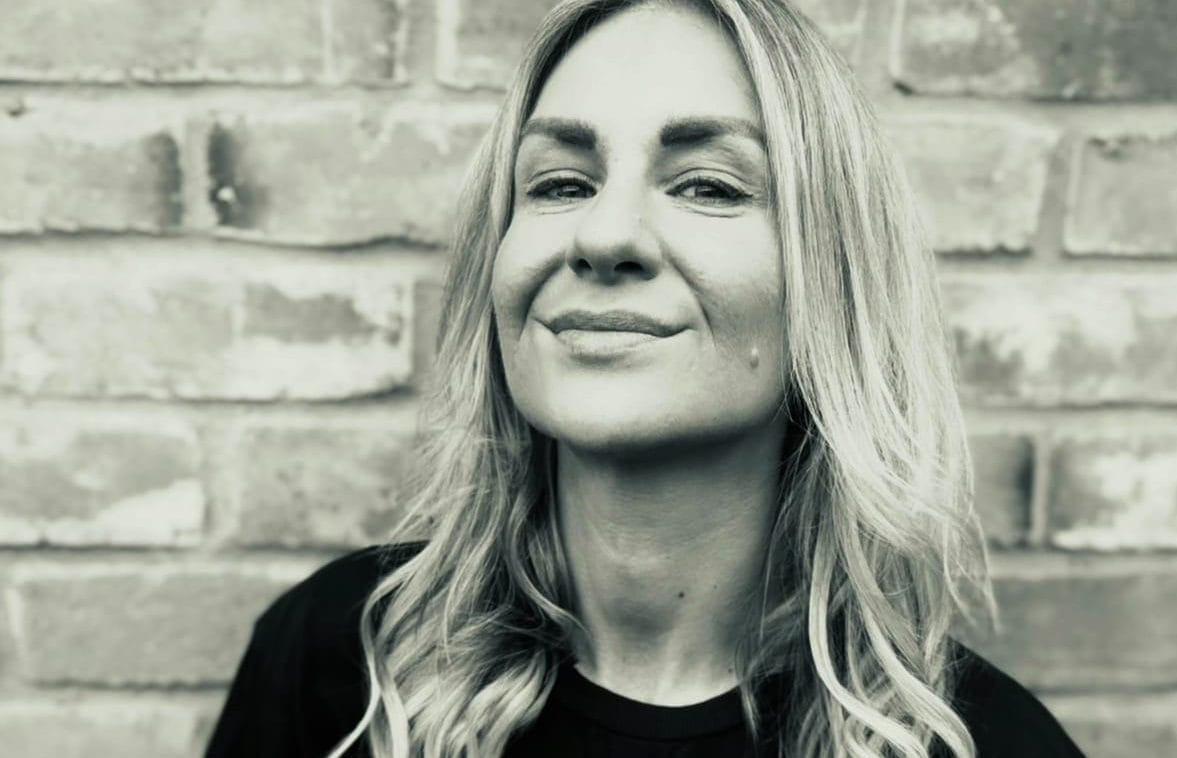
With over twenty-five years spent on global dance floors and almost fifteen years working behind the scenes of the industry itself across the scenes of UK, Ibiza, Mexico, California, Hawaii, New York and much much more, JoJo Walker has loved, lived, and breathed the evolution of modern club culture.
As founder of Walker Music, she’s built a colossal career bridging artistry and operations, from managing international artists to curating world-class events and developing globally recognised brands. Her imprint is vast and uniquely impressive.
We sat down with JoJo to distil her lessons, from late nights to leadership, and the insights that continue to shape her approach to music, people, and purpose.
Who is JoJo Walker?
JoJo Walker is the founder of Walker Music, a consultancy specialising in event talent buying, brand strategy, and artist development. Formerly Director of Underground Music at Avant Gardner / Brooklyn Mirage, she has also led the charge strategising large-scale events for DJ Mag, Defected, Cityfox, Glitterbox, built multiple of her own successful event brands, plus booked hundreds of the world’s leading brands including Boiler Room to Keinemusik at the venues she works with. She further serves as a voting member of the Recording Academy (GRAMMYs).
1. Master the Art of Creative Logistics
People see the fireworks; I see the spreadsheets behind them. Creativity only thrives when operations are bullet-proof, but the two must go hand in hand for large-scale success.
At Avant Gardner, where I served on the director board as Director of Underground Music Programming (2020–2023), we ran up to five shows a week across The Brooklyn Mirage, plus multiple shows in Kings Hall and Great Hall on top, often welcoming 10,000 people through our doors per event. Every element — artist programming, production design, venue operations, our team members — all had to align perfectly.
I drilled into my team that every single decision affects the dance floor. Tight systems create freedom.
The tighter the systems, the freer the art.
2. Build Brands, Not Just Headline DJs
I’ve turned many ideas into identities that fans commit to and follow far and wide. The same applies to the established brands I’ve built in new markets.
These brands don’t rely on big-name headliners to sell tickets; they thrive because they’ve built a complete experience. Each has a clear, consistent “experiential cocktail” marketed online, heard in its music (both are also record labels), and lived physically in the room. This is my passion and a niche I’ve carved out for myself over the years, to ensure the event experience always stays as the focus.
With Glitterbox, audiences know they’re stepping into an “everyone’s-welcome” dance floor: disco balls, dancers, house-disco DJs, unapologetic fun, and a brand aesthetic that radiates joy and inclusivity. With Cityfox, it’s the opposite spectrum: underground futurism, progressive programming, minimalist production, and a crowd that treats every detail like ritual.
When a brand is that strong, not only do ticket buyers know what to expect, but so do the DJs. That’s when you know a brand is thriving: when artists actively request to play your shows because they want to contribute to that culture.
During my time at Avant Gardner, I built a sub-department focused purely on event brand creation. At one point, I had more than 30 concepts moving, each with its own creative world. Two that came to life, Copacetic and Sessions, became sell-out event series in Brooklyn, both with unique experiential cocktails that delivered a damn good party.
Review: Copacetic BK001 At Brooklyn Mirage With DJ Seinfeld & Black Loops
Great brand architecture is storytelling, a blend of tone, visual language, audience psychology, and value system.
When people feel it belongs to them, you’ve built more than a logo; you’ve built community.
3. Curate Like a Scientist
Programming isn’t guessing what’s hot; it’s decoding patterns. I have secured thousands of bookings, including some of underground’s biggest acts like Black Coffee, Carl Cox, Michael Bibi, and brand takeovers ranging from Boiler Room Festival to New York takeovers of Zamna Festival, Mayan Warrior, and Jamie Jones Paradise.
I build my line-ups like ecosystems: momentum, balance, emotional pacing, and sometimes pushing artist teams, gently but firmly, out of their comfort zones to try new formats.
The approach depends on the market, venue size, number of stages, and emotional journey you want to deliver. It’s a never-ending cocktail I’m constantly taste-testing to perfection.
Festival curation is the most complex: budgets, genres, audience flow, stage capacities, daylight hours, travel schedules, artist preferences — every factor changes the outcome, and it can take months of juggling multiple complex artist offers to get the perfect programming set.
One fun programming example is Miami Music Week 2023 and the annual Defected takeover, always a chance to experiment. We persuaded Idris Elba to do an unannounced pop-up set to close our South Beach day party, a near-impossible feat given his schedule and profile. His 90-minute set of fresh and classic house sent the beach into euphoria; it was spontaneous magic that took weeks of careful persuasion, planning, and our awareness of his likelihood to accept our offer at that exact moment in time.
At Halcyon SF, our 24-hour licence meant no fixed closing time, a rare opportunity as a club that unlocked immense creativity as we made this well known to all the decision makers, way ahead of anything that happened inside the club on the fly at night. Impromptu B2Bs, surprise guests, and a legendary 12-hour marathon from Danny Tenaglia (our GM even handed out breakfast bagels mid-set) became folklore during the club’s initial years.
That balance of structure and chaos is the art form itself.
Good curation feels spontaneous; great curation is engineered that way.
4. Be Open to Everyone Who Approaches You
You never know who’s going to blow up. Back at Halcyon SF around 2016, a young John Summit walked in off the street asking to meet the talent buyer. He’d had a couple of releases on Dirtybird and Repopulate Mars, I was aware of, but was very much a new face on the scene, grinding his way up like so many DJs are. I still remember his infectious big grin and, strangely, that he had a backpack on like it was yesterday. His charm and hunger earned him a daytime slot at a local collective event we hosted, not exactly prime time, but he crushed it. That one “yes” led to years of collaboration between us (I have since booked him to headline shows for Defected across the US, plus The Brooklyn Mirage), and I have a timeless bond with him and his team.
Kindness is still one of the best business strategies.
5. Keep Listening to New Music
It’s easy to lose touch when you’re buried in budgets and timelines, but curiosity is oxygen.
I still swap playlists weekly with friends I’ve met through DJ Mag, Defected, and dance floors worldwide. One of my dear friends, Mike, and I met backstage at BPM Festival in Mexico. He was DJing in Playa del Carmen at the time, and our friendship groups connected over our love of the music. Years later, we’re still trading discoveries, dissecting new tracks, and fuelling each other’s enthusiasm.
It’s not important, it’s essential.

6. Management Is a Deep Connection, Not a Transaction
True artist management is empathy, strategy, and shared belief. It’s such a delicate role to get right. I’ve managed Crackazat for over a decade; our partnership moves between intuitive and analytical. Sometimes I lead, sometimes he does. This year, we hit a marker as he played Glastonbury Festival for the first time, booked in the mighty Block9, Friday night prime time. It was a moment where we saw all our hard work paying off in front of our eyes collectively as Alpha played out to a packed room full of fans, dancing the energy of the tune back at us. It was such a moment for us. His forthcoming album for Freerange Records marks a bold new phase of artist collaborations, proof that evolution is the aim as we also move into planning his first 6-piece live band tour show for 2026. The best managers understand the person behind the music as deeply as the art itself.
You don’t just manage careers, you nurture people who make art that lasts.
7. Nurture Your Industry Network
Your network is your lifeline, especially if your network is underrepresented. I’m active in women-in-dance-music, parents-in-music, and entrepreneur collectives. I sit on the board of Change The Beat – an equality in dance music non-profit, and I’m proud to serve as a GRAMMY Recording Academy voting member. Over the years, mentors, including former bosses and senior peers, have guided my hardest calls. This connecting effort takes extra time and energy, and often can get lost as you progress in your career. It can be seen as extracurricular, rather than core. But that couldn’t be further from the truth. The more generously you invest in yourself and others, the richer your circle, experience, and returns become.
One incredible example of this is that one of my mentors was closely linked to Keinemusik and, hence, introduced me to the guys and their team on a peer-to-peer exploratory business level. When I moved to The Brooklyn Mirage, this already trusted relationship helped me leverage one of the most prolific booking deals I placed there, securing Keinemusik to move their annual New York show to The Mirage in 2023 and helping design and launch the floating Peace Kloud. The 10,000 capacity show sold out in minutes and resulted in a 2nd night sellout show. The event itself delivered an iconic sunrise set from the guys, plus a new bowl-shaped floor (to encourage intimacy and viewpoints in such a vast space), and we added the floating Peace Kloud (we created it and it’s now part of Keinemusik’s global brand at large-scale events). This was an iconic moment in the artist’s career, and also for everyone in New York in attendance. It was not only a career highlight to me, but a direct result of how much my network returned to me, and everyone else, upon my investment.
Connection is the real currency of this business.
8. Never Confuse Visibility with Value
The loudest voices aren’t always the most effective. I built Walker Music’s social profile intentionally under the radar, letting the work speak.
There are so many people out there shouting on socials about everything and anything all the time, and yes, it is important to share what you’re up to as a key strategy of profile building in a very competitive industry, but it’s just one tool in a box full of options. Social media can also be a huge distraction and create a false sense of reality. True credibility and worth are earned in consistent delivery of long-term results, of the work you actually do, not from follower counts or likes.
Always remember to stay focused.
The long game always wins.
9. Health + Creative Energy: Protecting Longevity in Music
This industry celebrates late nights and long days, and I adore the challenge and variety, but I now understand that endurance comes from balance, not burnout.
I have many times done a long-haul flight into a city, gone directly to production check, popped into a hotel to shower and change, taken the artist team to dinner, delivered the show, overseen load out, then gone straight to the airport to move on to a new city (sleeping on the plane!). There’s also been countless days spent at festivals working seventeen plus hours in 100-degree heat, ensuring everything is smooth pre doors, across the show, and after. That social content won’t approve itself, you know! The demands are entirely relentless across our entire industry, and if you have the care of ownership I have, it’s never-ending. To counter these demands, I treat sleep, hydration, exercise, and mental space as my professional tools. Workouts, yoga, playlists, therapy, and scheduled gaps of downtime between the madness are all maintenance for clarity and creativity and I encourage everyone in our industry to have their own carefully curated toolbox of support that you can utilise anytime you need.
Saying no sometimes means saying yes to your future self.
Burnout isn’t a badge; it’s a warning light.
10. Evolve with the Culture
I’ve seen dance music shift through every phase, pandemic closures, livestream booms, reopening highs, and a new generation finding its voice.
Venues and festivals are now multi-sensory playgrounds; audiences crave authenticity as much as escape. Through it all, one truth remains: the dance floor connects us.
DJ Mag itself has evolved as a publication over the past year, now a quarterly print edition, and with that, I reassessed what we should be doing with our cover stars and events. Looking at US data around club culture, spending, and projections, we are going big from 2026, launching larger capacity block parties and venue events, with multiple artists doing special showcases, fresh performance concepts, and even adding multiple stage lineups into the mix, to align with what today’s ticket buyer enjoys from an event experience. Obviously, I’ll still be doing the fun, smaller underground stuff like pop-up DJ sets in hot dog stands, etc… it’s just in my blood to serve that slice!
I’m also now working with a tech brand called mufi, who are delivering {bash} parties alongside some really cool back-end technology which is re-shaping how our industry runs, shares and learns about itself, utilising web3, AI and data. I curate the programming for {bash} – including Barry Can’t Swim for their first ever event in Brooklyn, plus I support the brand curation and consult the founders with my experience to help build parties that will slot into how the next generation will function.
The pulse never dies; it just changes rhythm.
Closing Reflection
Fifteen years in, I still chase the same magic: that collective exhale when the drop lands and every moving part aligns. One thing I always tell anyone coming up in this business is to lean into their uniqueness, whatever that may be. For me, it’s being British while predominantly operating in the US market – my perspective is like no other. It’s being a senior woman in a heavily male-dominated industry, a parent constantly balancing both love and leadership, and someone whose endless creativity is matched by a deep understanding of business.
The industry changes, the names change, but the pulse stays the same. I’ve built my career on reading that pulse and helping shape where it beats next.
Follow JoJo