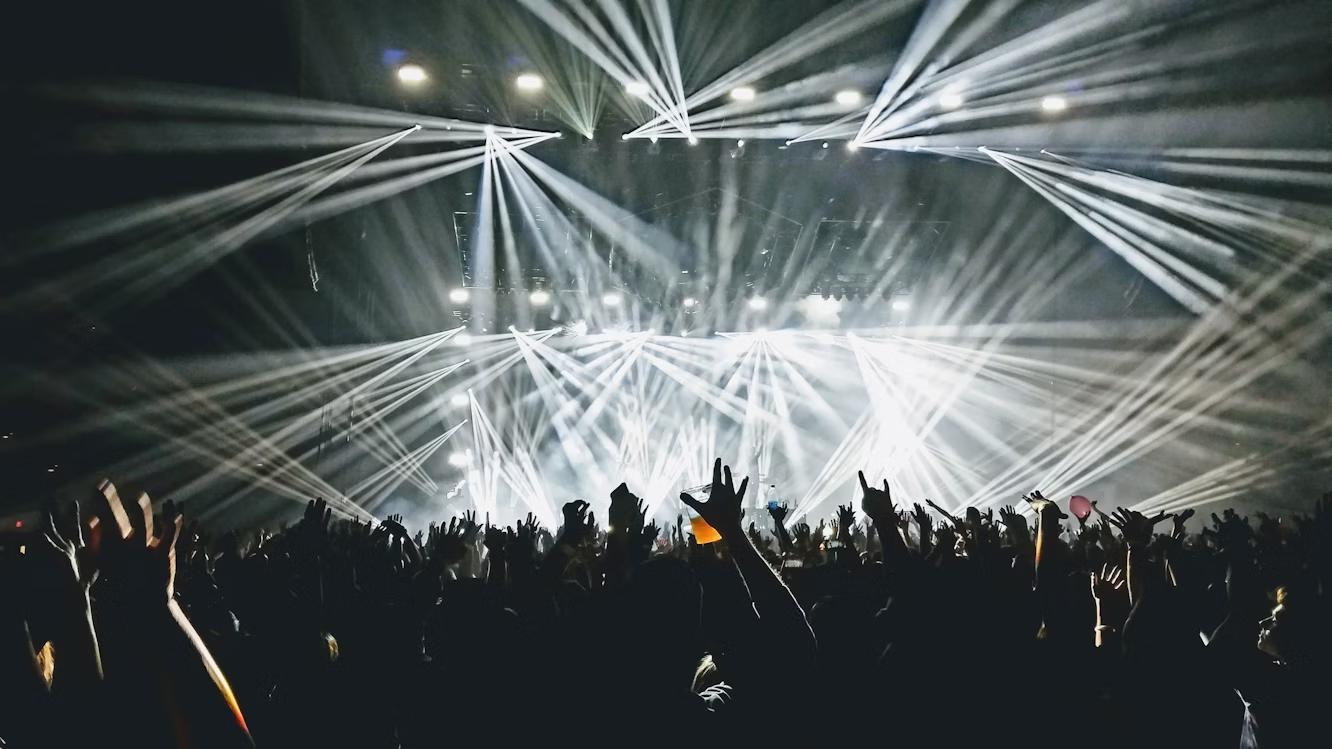
Music concerts and festivals appeal to visitors from various backgrounds, and multiple factors, including the singular live experience, social interaction, and the emotional connection with the artist or music, can explain the phenomenon. This kind of events offers a more intense and personalized emotional experience, meaning that attendees can form valuable memories. As we get older, we tend to remember the things that happened to us in our adolescence and early adulthood more than other eras in our lives. Organizers must focus on improving the quality of the experience to attract more visitors to future music concerts and festivals.
Local concerts, international music festivals, and other types of gigs are just some of the projects that have appeared on the market. While attending a musical event can be an exhilarating experience, it comes with inherent risks such as hearing damage, crowd-related incidents (surges and stampedes), and substance use. Although organizers implement security, crowd control, and emergency protocols, lapses in planning and execution can still result in hazardous situations. Not only should you be doing your own individual risk assessment, but you should also become part of the collective effort to minimize risks.
Here are some informed strategies to help ensure you have a safe and enjoyable concert/festival experience:
Stay Hydrated
Concerts and festivals can vary considerably in length. When you attend a concert, especially if the artist is a renowned headliner, you can expect the show to last between 90 minutes and three hours, with breaks between sets. A festival can span several days and feature numerous artists performing on various stages. Audience members show their enthusiasm by standing or dancing, or they may come closer to the stage, especially when encouraged by the performers to do so. It is not uncommon to get wrapped up in the music and forget to drink water, which can cause fatigue, headaches, dizziness, dry mouth, and difficulty concentrating.
Do not hinder your fun or miss out on any of your favorite performances due to dehydration. When you engage in physical activity like dancing, your body increases its metabolic rate and generates heat, leading to water loss. Drinking water will help you avoid muscle cramps, dizziness, and irritability. Creating an electrolyte drink to combat dehydration can be done with a few basic ingredients, such as water, salt (optional), honey, and citrus juice. Milk is a natural source of electrolytes. If you eat a balanced, varied diet, electrolyte supplementation is not necessary since the amount of minerals you obtain from your diet is enough.
Establish A Buddy System
Going with a buddy makes the experience more enjoyable and keeps you safe. It can help you navigate large crowds, look out for each other, and deal with unexpected situations (e.g., finding a doctor). If you’re with a group, agree on a meeting point should you get separated. There is nothing weird about attending a concert or festival yourself, so do not let the fear of judgment stop you from doing what you like. Nonetheless, it is recommended to share your location with a trusted contact or use a safety app to react in an emergency. Keeping in touch with your loved ones makes it easier to alert someone if circumstances change all of a sudden.
Protect Your Ears
Exposure to high-intensity sound is enough for auditory changes to occur. Loud music can damage the tiny hairs in your inner ear, potentially leading to temporary or permanent hearing loss, which cannot be reversed. Difficulty in hearing can make you feel alienated from the environment that surrounds you, so you may become frustrated, irritable, or angry. Enthusiastic, yelling, clapping, singing, and screaming audiences can also contribute to noise exposure. The best way to protect your hearing when you go to a concert or festival is to wear earplugs, which block out the noise. They are especially helpful for tinnitus symptoms such as ringing in the ears.
Prolonged exposure to loud music can cause temporary/permanent hearing loss or increased sensitivity to sounds, so venues and sound engineers must manage decibel levels to prevent unnecessary harm. According to Accident Claims Lawyers, filing a lawsuit is challenging because the courts apply the assumption of risk principle, meaning it can be difficult to prove the venue or event promoter was grossly negligent in a way that caused your hearing loss. If your own actions contributed to your injury, your compensation may be reduced. An attorney can assess the merits of your case, identify liable parties, and help you calculate and claim damages.
Plan Your Exit Strategy
Have an exit strategy, even if you do not need one, to manage potential stress. Concerts and festivals are exciting and fun, but they can pose non-negligible safety risks in case of fire, crowd panic, or other hazards. Be aware of emergency exits and how to access them. Event organizers use various methods to inform and remind the audience of planned exits, such as announcements, posters, flyers, videos, and social media posts. Regularly check that exit routes are still accessible – it can save your life. If you or someone you are with experiences medical issues, an exit path allows for faster access to first aid or emergency personnel.
Wrapping It Up
Event organizers and security teams work tirelessly to ensure that concerts and festivals remain safe for everyone involved. Unfortunately, the mix of energy, excitement, and immense crowds creates potential hazards, and awareness of the dangers empowers you to take personal precautions, such as wearing hearing protection or familiarizing yourself with exit points. As much as you love music, seeing new shows, and experiencing new things, danger is not something you should endure for the sake of seeing live events. Attending a concert or an event is usually a safe experience, but it can sometimes turn into a tragedy.
Ultimately, if the thrill and benefits of the experience outweigh your concerns, boost your safety practices rather than abstaining completely. Invest in high-quality earplugs, travel with friends, and know where the exits are located to reduce risk while still enjoying the event.

Magnetic byline note: This byline is used for staff produced updates and short announcements, often based on press materials and official release information. Editorial responsibility: David Ireland (Editor in Chief) and Will Vance (Managing Editor). About: https://magneticmag.com/about/ Masthead: https://magneticmag.com/masthead/ Contact: https://magneticmag.com/contact/