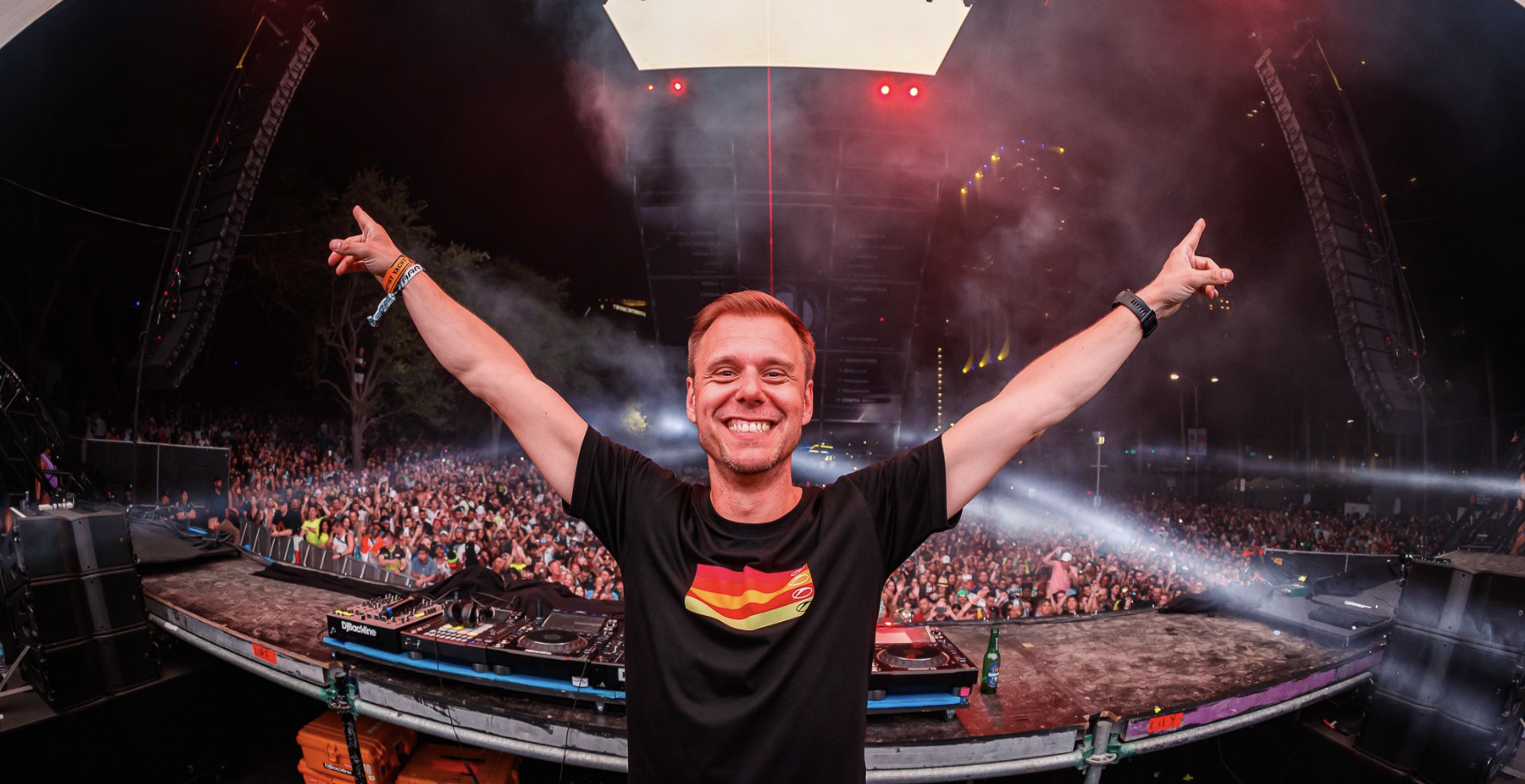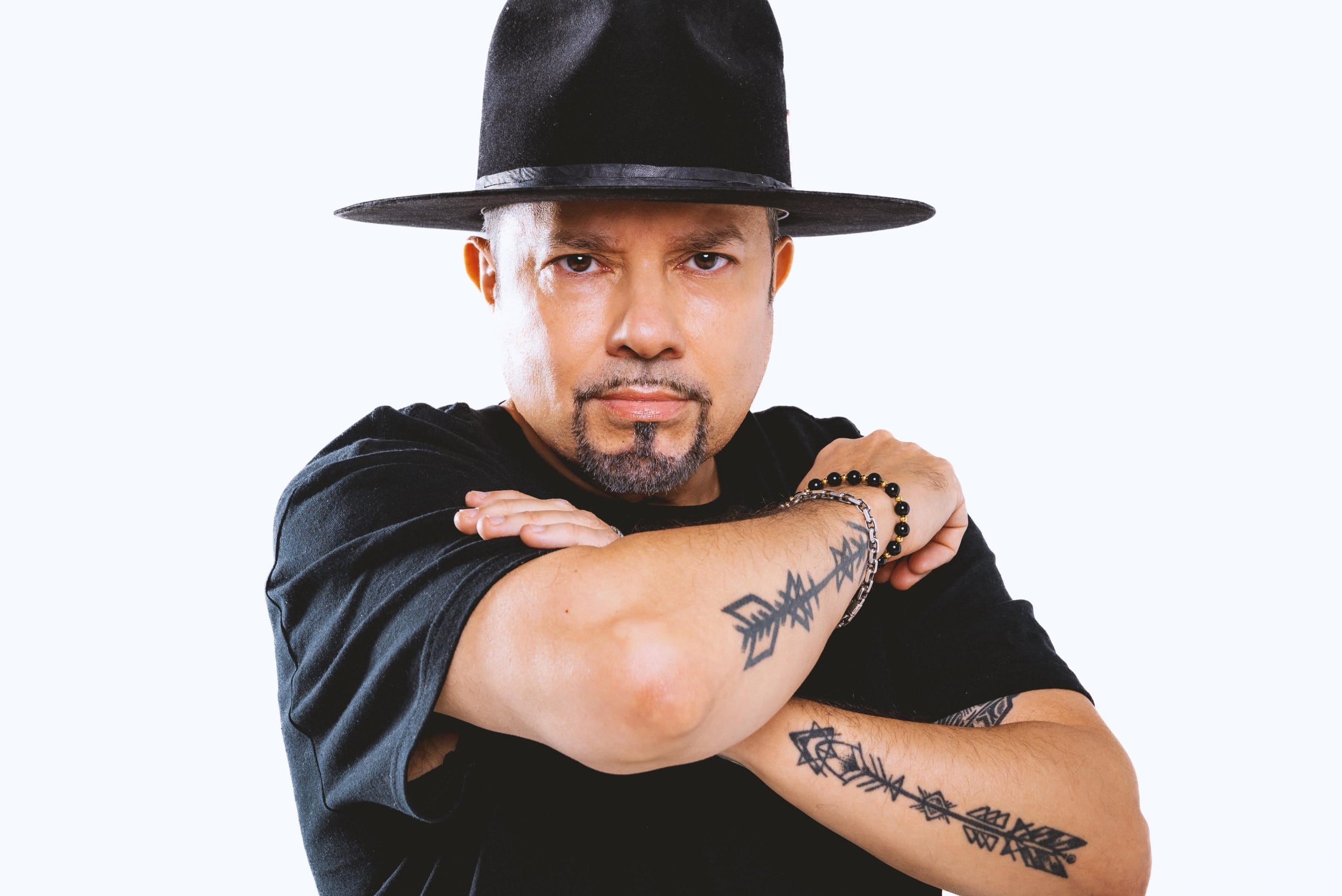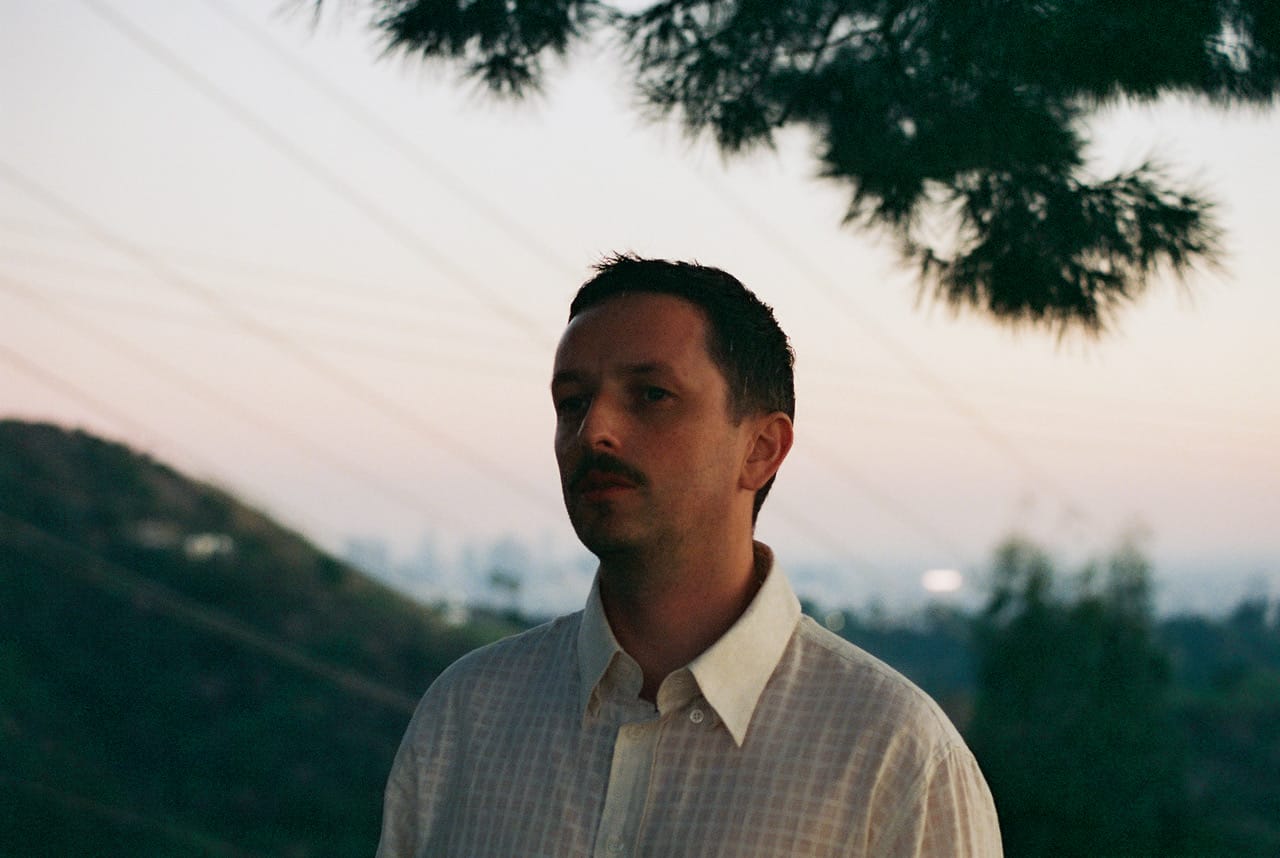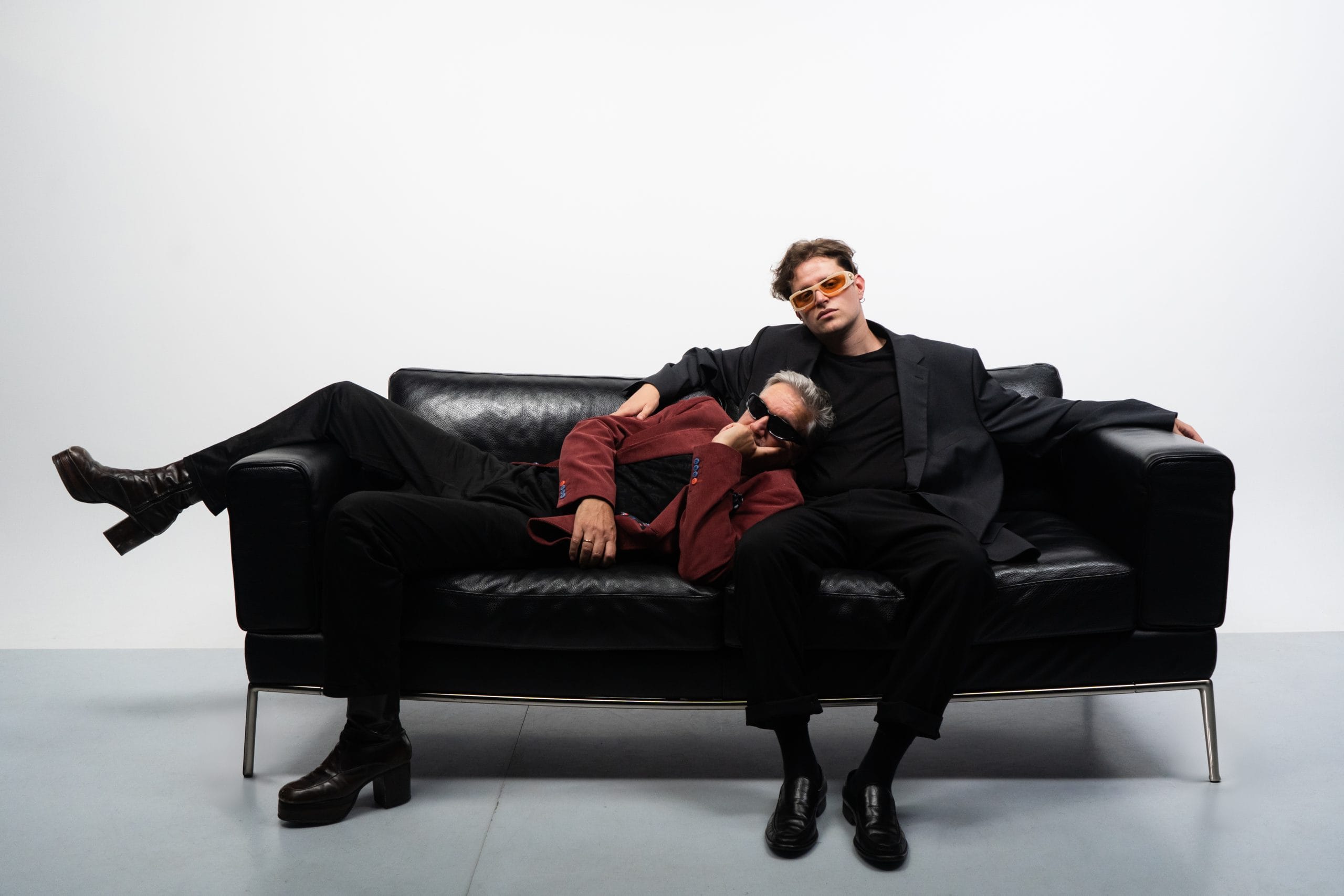
Schrotthagen are building a reputation for cinematic techno that hits with both weight and emotion. The German duo of Giovanni Berg and veteran film composer Dieter Schleip came together in an unexpected way, blending Berg’s raw vocal delivery and techno instincts with Schleip’s orchestral drama and decades of scoring experience. Their new album Nostalgie und Traurigkeit is otu now and explores themes of pain, loneliness, longing, and fear of the future through a framework of techno, trance, and cinematic textures.
The album follows a breakout year that has already seen them perform at Ultra Music Festival, with upcoming shows at The Roxy in Los Angeles, Great American Music Hall in San Francisco, and Roadrunner in Boston. Ahead of its release, they’ve shared the single “Das Omen,” a track that merges punk energy with soaring, melodic synths while Berg’s lyrics confront male vulnerability. It’s a track that sets the stage for the emotional scale of the album, signaling how far they’re willing to push beyond convention.
For their How It Was Made feature, the duo walk us through the layers that shape “Das Omen,” from Moog leads and RD-9 percussion to reversed vocals and their approach to creating unrepeatable textures.
Lead Synth
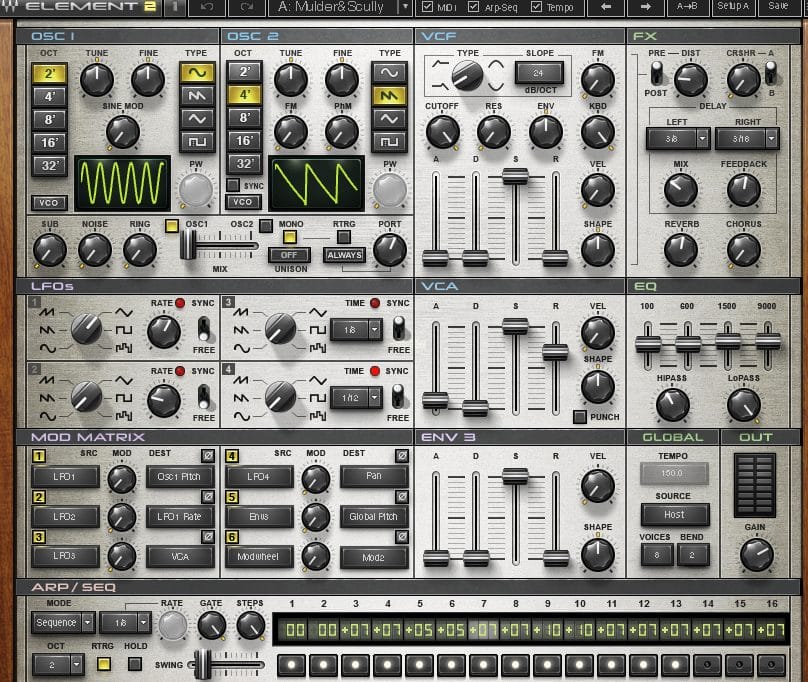
For the lead synth, I used a theremin-like sound created with the Element plugin by Waves. I layered two tracks, as I wanted to combine both major and minor harmonies. I tweaked the preset so it could work within both scales.
Second Lead
The second lead was created with my Moog Subsequent 37. I used Kickstart for sidechain compression—double in the drop for extra pulsation. An Ableton stock Overdrive added warmth, while Raum provided reverb and the Auto Filter added dynamic movement.
80s Bass / Main Bass
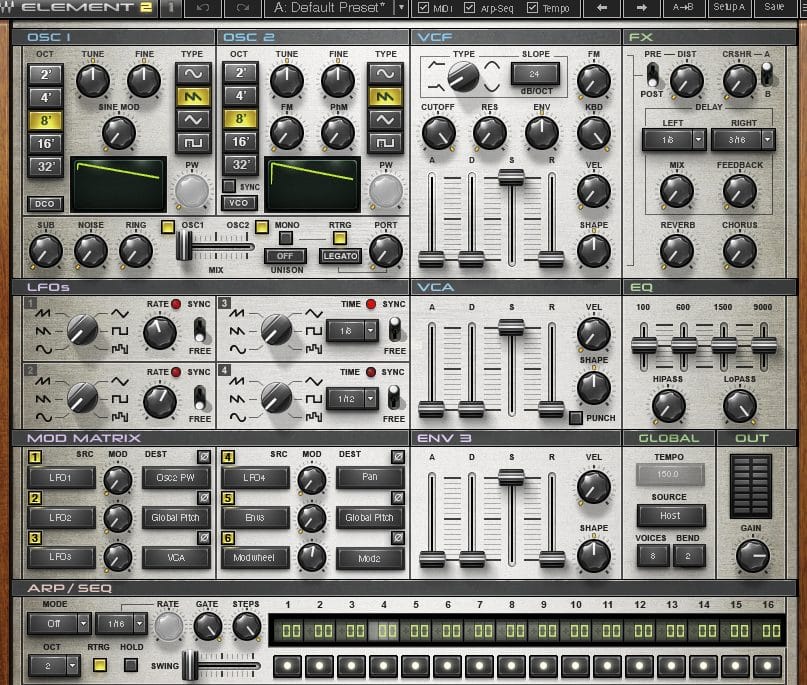
The 80s bass also comes from the Waves Element synth. It’s a classic 80s octave pattern, with an arpeggio jumping between lower and higher octaves in eighth notes. I added sidechain compression using Kickstart by Nicky Romero to make it more rhythmic and dynamic.
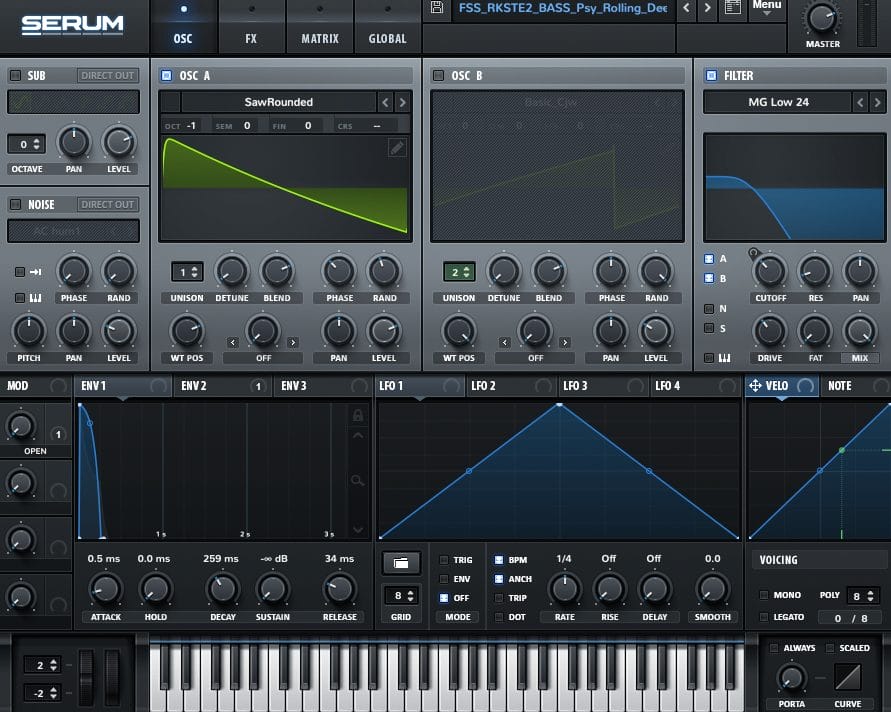
The main bass comes from Serum. I used the Auto Filter to cut the highs in certain sections, making room for other elements. It’s a classic psy-trance style bass—bouncy and energetic to emphasize the groove.
Clap/ Hihat/ Drums
The clap was made with 909 sounds from my Behringer RD-9. I work purely intuitively here, without a set recipe, until it feels right in the mix. Occasionally, I added Raum reverb to avoid sounding too dry.
For the hi-hats, I also used the RD-9 and processed them with delays: Ableton’s stock Delay and Replica XT by Native Instruments. I added light sidechain compression to make them groove more.
The remaining drum section consists of 909 and 808 sounds, created with my Behringer RD-9 and RD-8 clones.
Brass
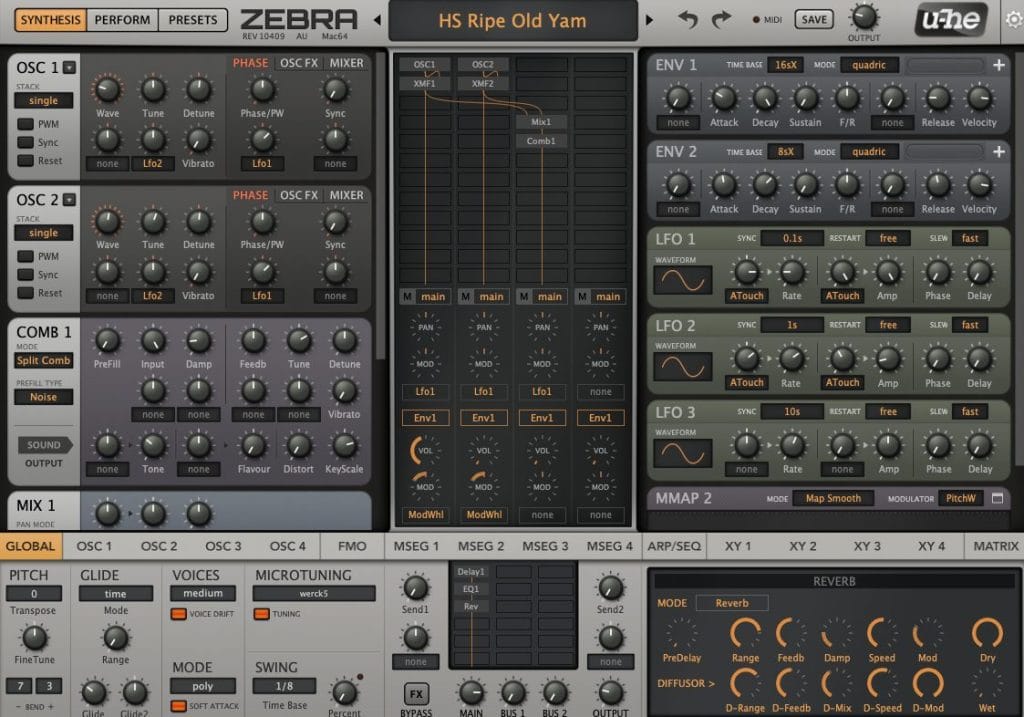
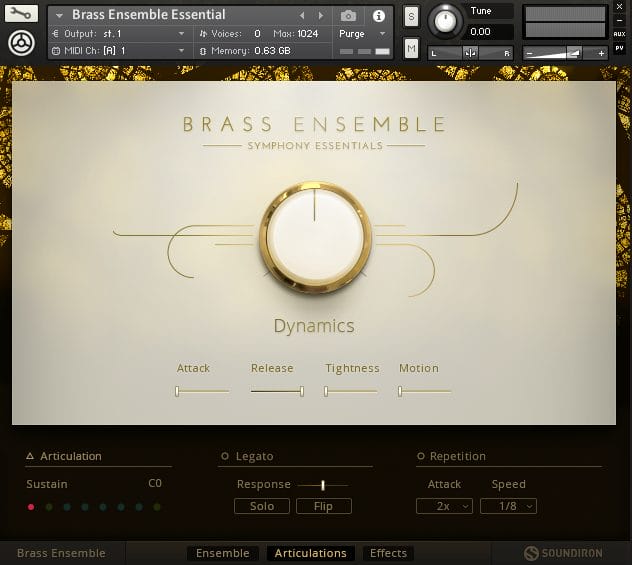
To enhance the track, I added small brass swells for a cinematic touch. I used a Native Instruments plugin, processed with distortion and EQ. I also used a brass sound from Zebra 2, treated with overdrive, Vocal Doubler (to widen the stereo image), amps, sidechain, and reverb.

FX-Sounds
For the FX sounds, I experiment freely. I take random samples and run them through different effects until I create unusual textures. This approach feels very expressionistic to me, as it’s purely intuitive. I often freeze the tracks, so I can’t even fully recreate the sounds afterwards. This helps me shape a unique sound that’s based entirely on feel.
Acid Sound
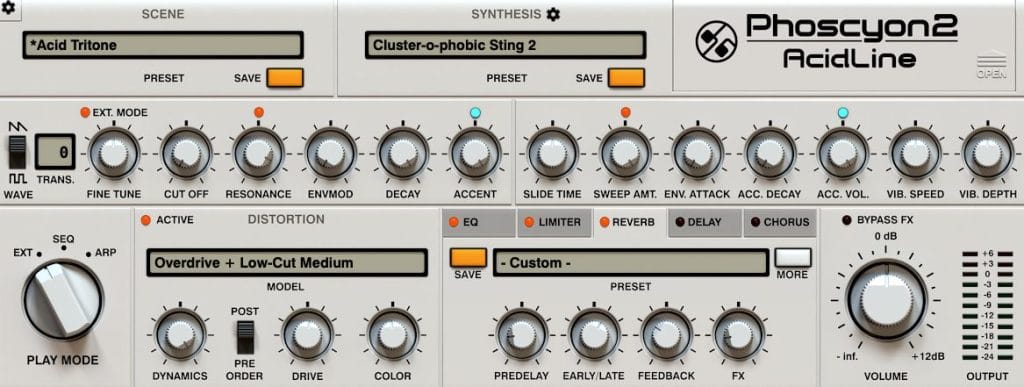
The acid synth comes from my Behringer TD-3 (a 303 clone). I doubled it with Phoscyon II by D16. I froze the WAV, reversed the tail, and placed it before the first note—similar to the vocals—so the synth transitions naturally from the voice.
Vocal FX
For the vocal FX, I recorded my own vocal sample and processed it until I was satisfied. This sound stays more in the background and it’s just used to get a bit more organic feeling.
🎤 Main Vocal
To build tension, I reversed the main vocal and added reverb, turning it into a riser. I stacked 8–10 voices to create a wide chorus. The distortion and overdrive make the vocals sound dirty and punky, while reverb helps them sit in the mix. Compression gave me better control over volume, density, and warmth. I applied subtle autotune only to fix small pitch issues while keeping the raw edge intact.
For the vocals, I used the following plugins:
- VC-76 by Native Instruments as Vocal-Compressor
- Ableton stock Overdrive
- Ableton stock Glue-Compressor
- De-Esser by Techivation
- Raum by Native Instruments for reverb
- Ableton stock Auto Filter
- iZotope Vocal Doubler

Will Vance is a professional music producer who has been involved in the industry for the better part of a decade and has been the managing editor at Magnetic Magazine since mid-2022. In that time period, he has published thousands of articles on music production, industry think pieces and educational articles about the music industry. Over the last decade as a professional music producer, Will Vance has also ran multiple successful and highly respected record labels in the industry, including Where The Heart Is Records as well as having launched a new label with a focus on community through Magnetic Magazine. When not running these labels or producing his own music, Vance is likely writing for other top industry sites like Waves or the Hyperbits Masterclass or working on his upcoming book on mindfulness in music production. On the rare chance he's not thinking about music production, he's probably running a game of Dungeons and Dragons with his friends which he has been the dungeon master for for many years.