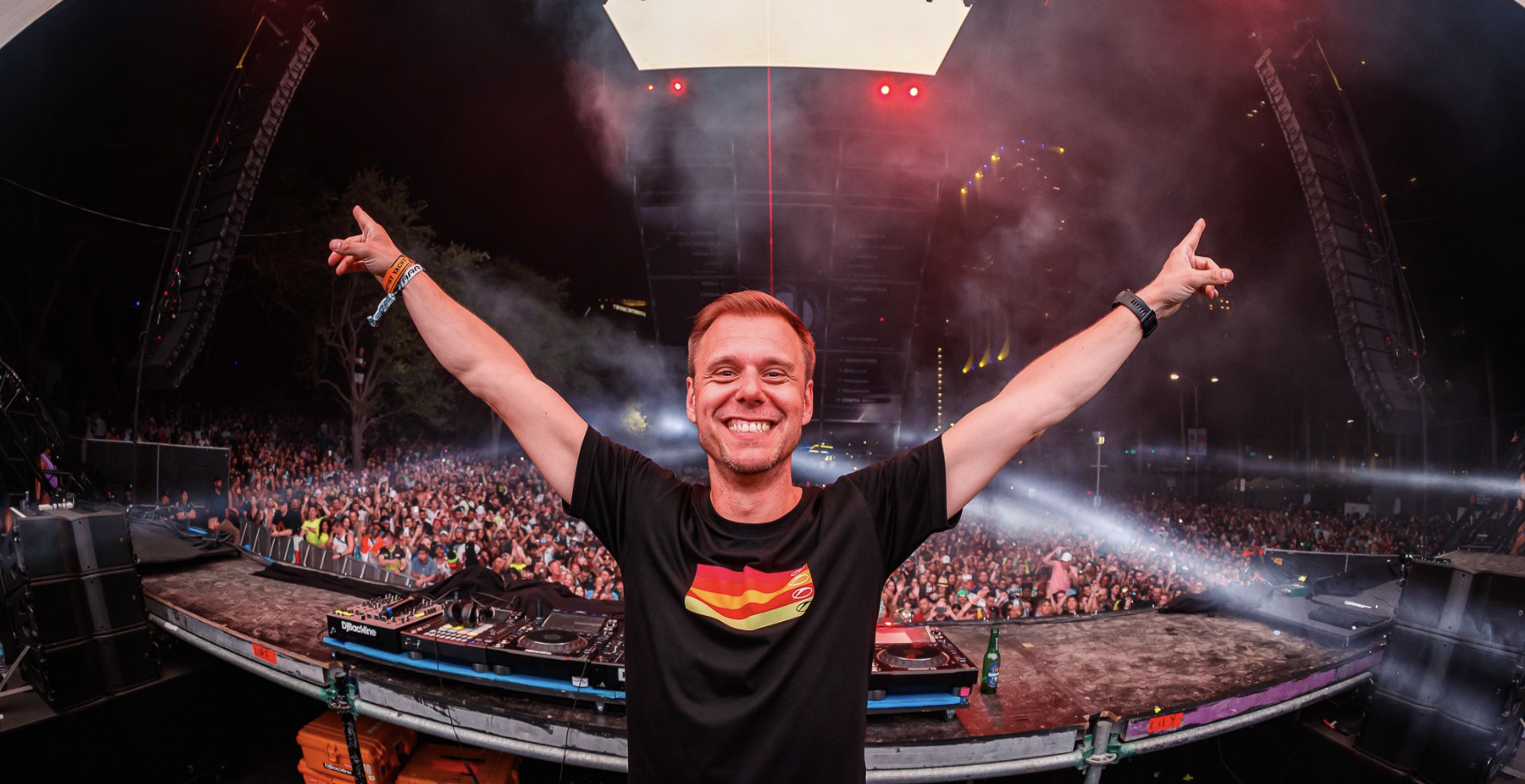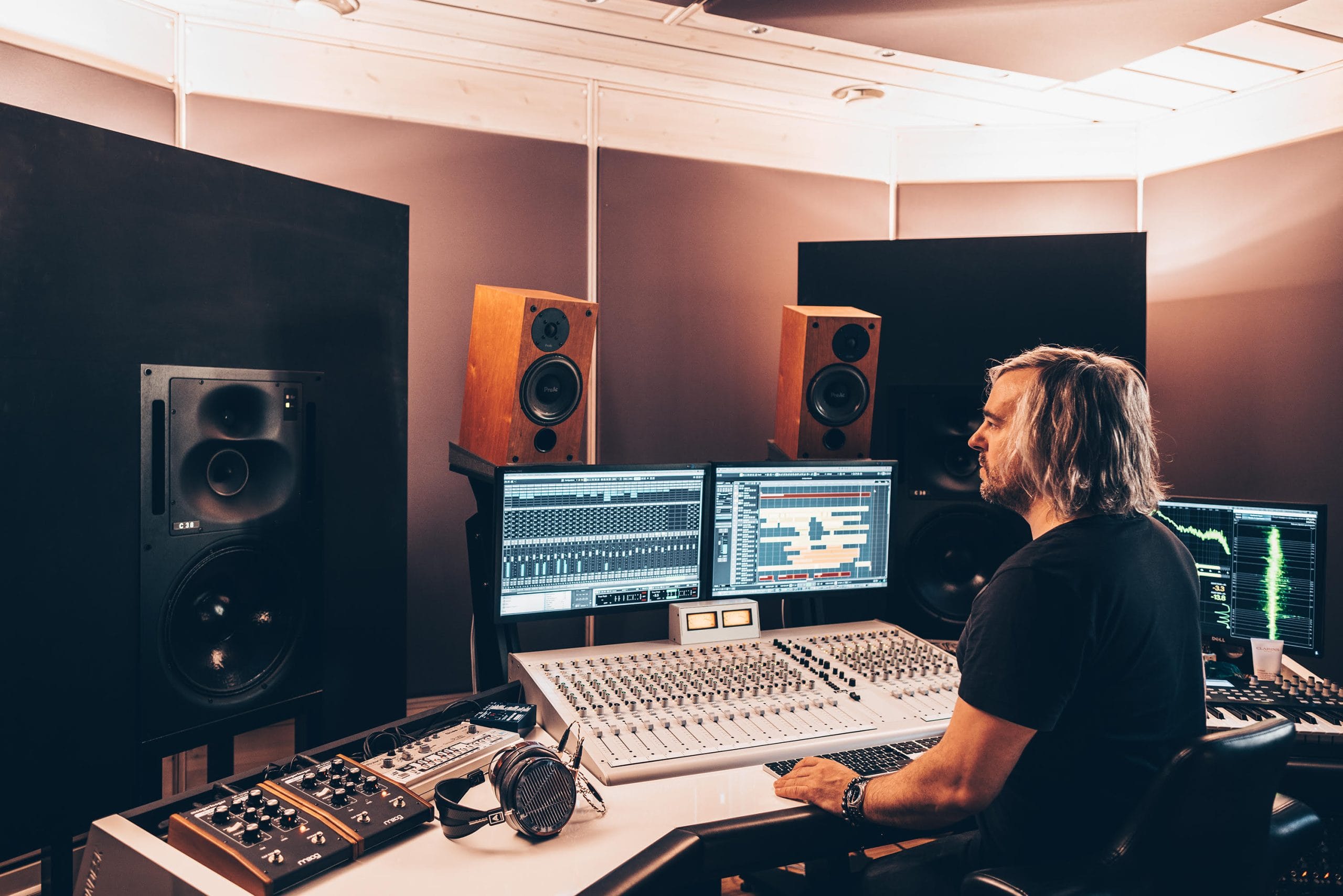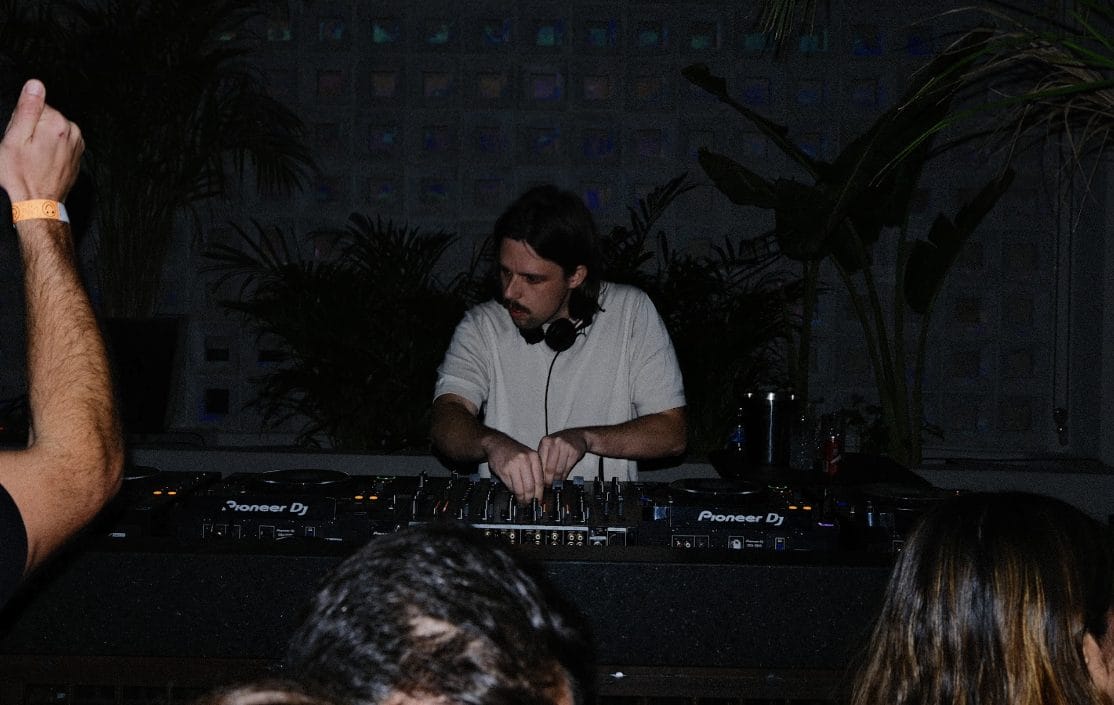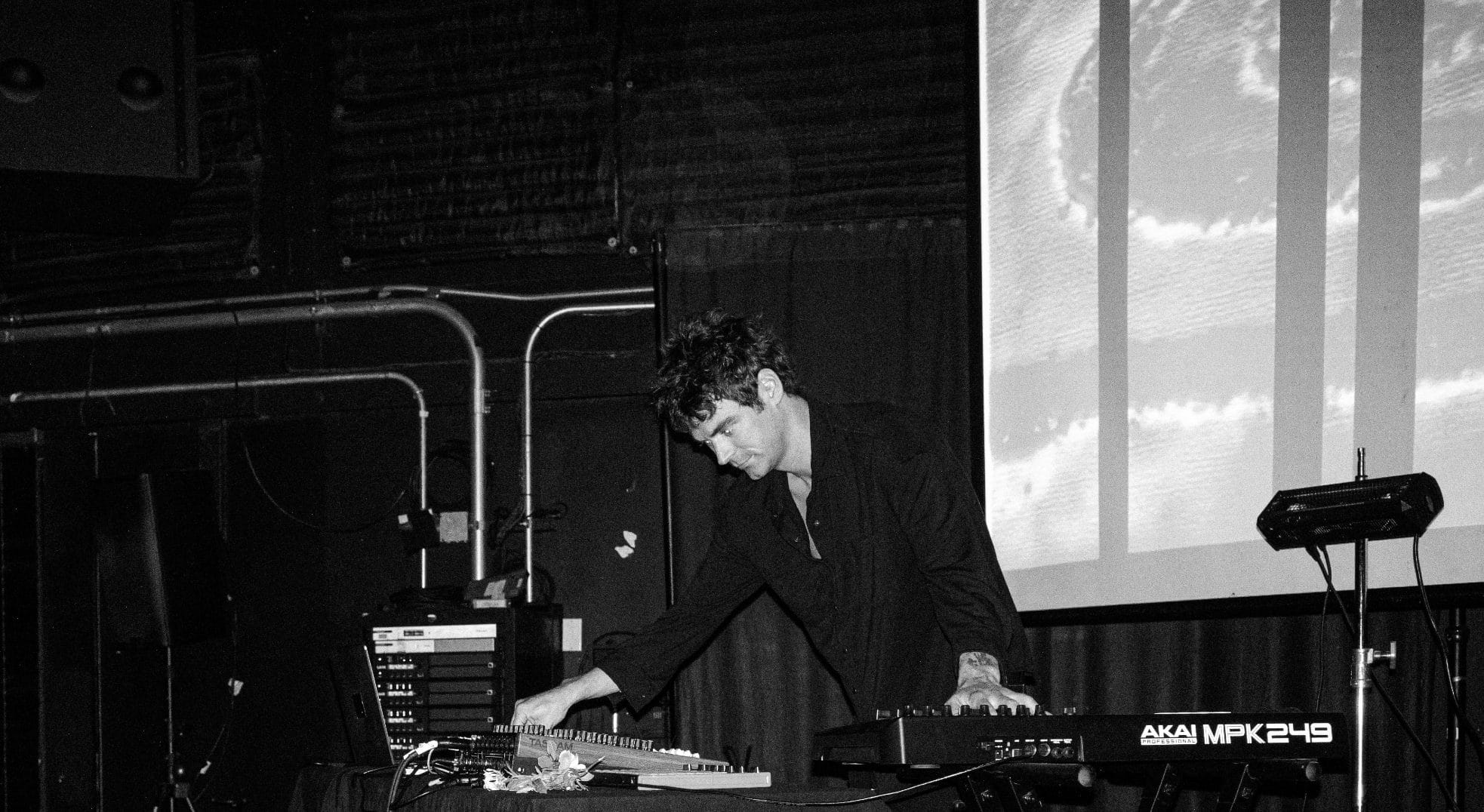
After years working in film and fashion, LA-based artist Hayes Bradley is stepping back into the club with a new single, “Total Call,” out now via StrataSonic. Bradley’s background includes scoring indie films, supervising music for brands like Guess and Burberry, and carving out space in ambient music with releases that even caught Beck’s attention for an official remix. With this record, he pivots into peak-time intensity, balancing raw instrumentation with heavyweight breakbeats.
“Total Call” opens with distorted guitar riffs before cutting into thunderous, rave-ready percussion. The track rides on a driving bassline and tightly wound synths, channeling the kind of energy built for late-night sets. It also marks the first look at Bradley’s upcoming fourth album, which blends progressive and broken-beat club music with more introspective songwriting—an approach that reflects his wide-ranging career to date.

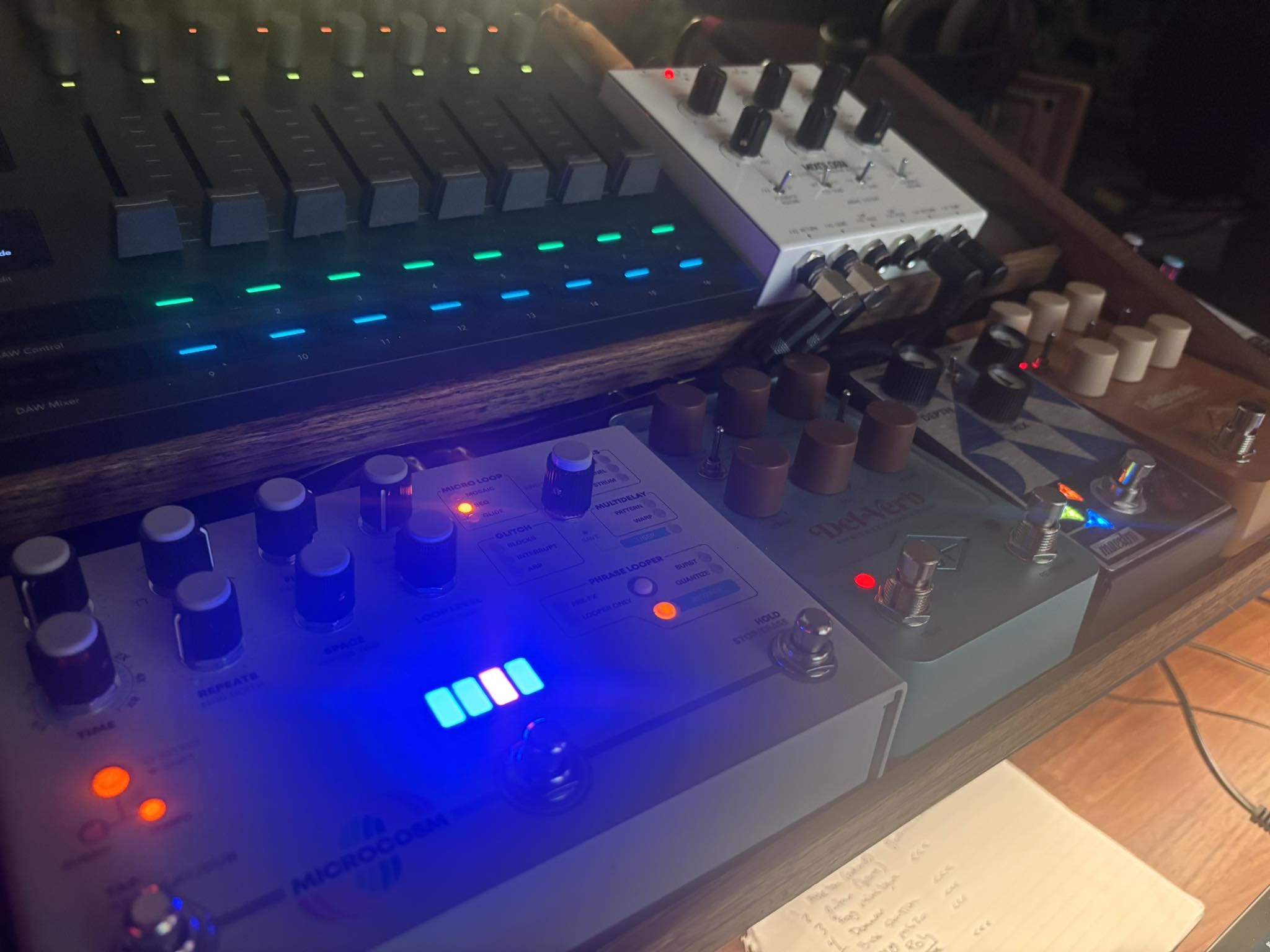
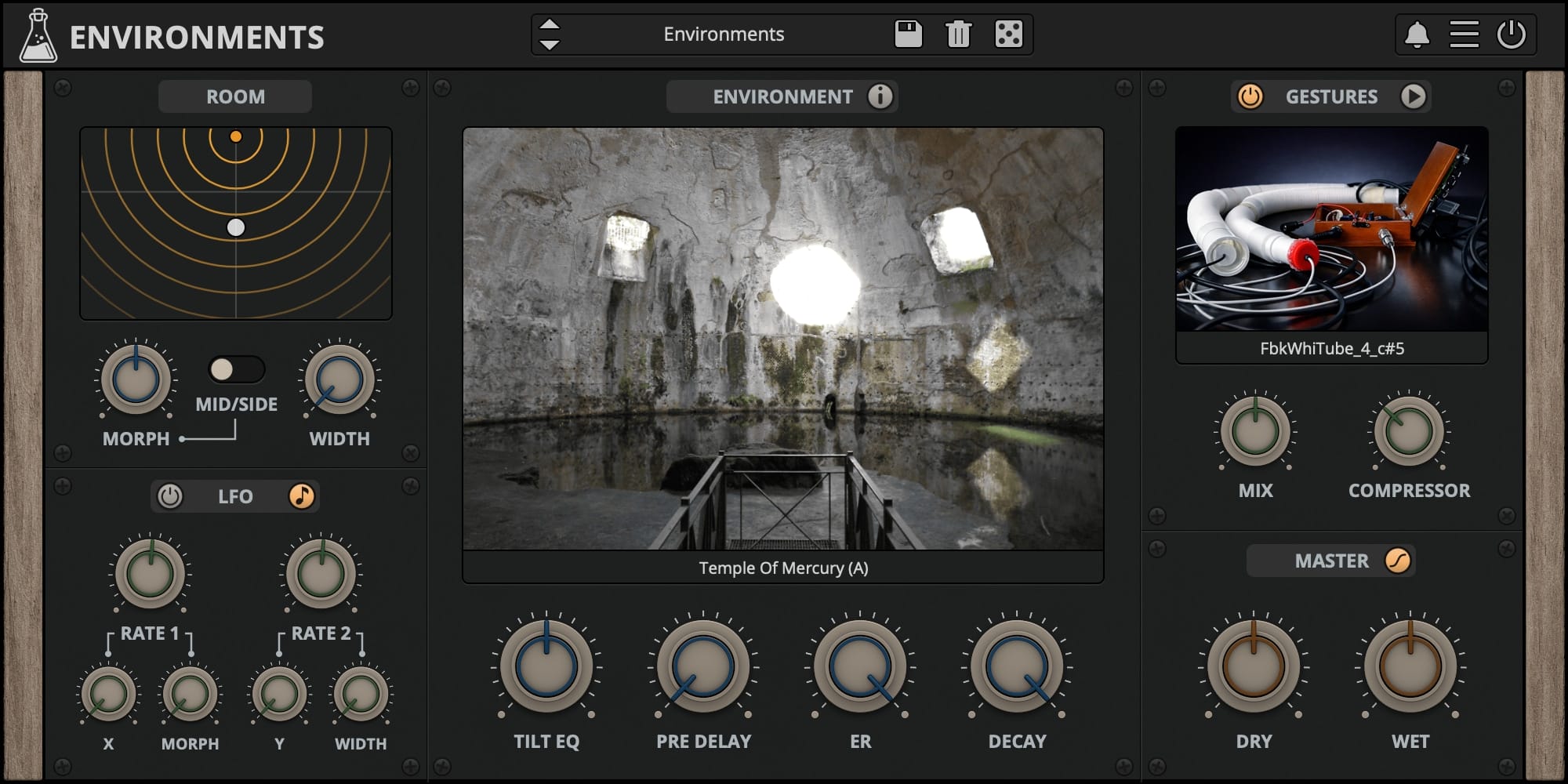
In this How It Was Made feature, Hayes breaks down the key tools behind the single, from his Korg Prologue 16 and Paulstretch experiments to Kontakt bass layering and FabFilter’s surgical EQ work. He also shares quick-fire production tips inspired by the rave and breaks heritage that informed the record, while reflecting on how playing it live in LA clubs helped him know when it was ready.
KORG PROLOGUE 16
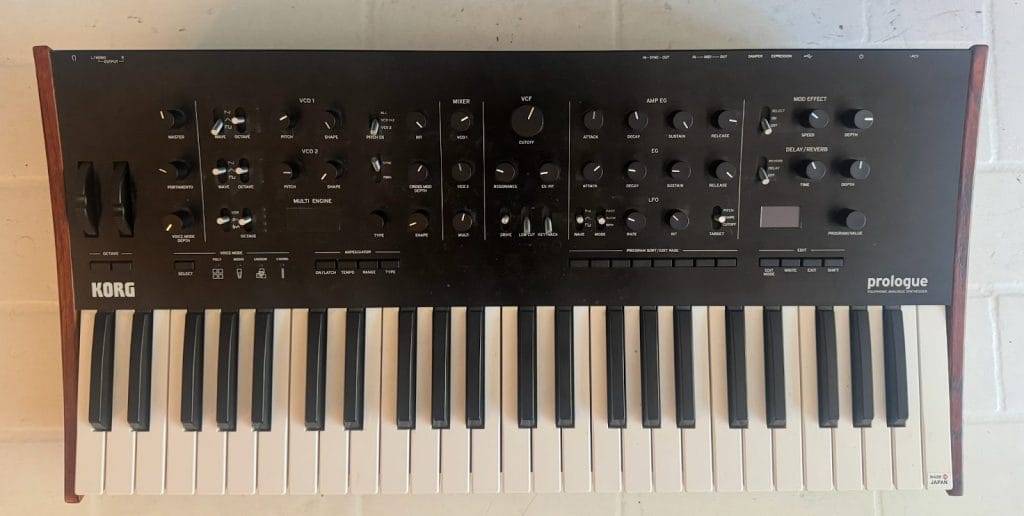
The main piece of hardware I used on this tune and on the whole record really is my Korg Prologue 16. My friend Mike gave it to me as a birthday present a few years ago and I use it on almost everything I make. The main VCF knob is so fun to play with and automate chords in real time. A pro and also a con is that it’s very hard to recreate a sound again once you find something cool, but I also like that because it makes it feel a bit more special.
The big ravey pad towards the second half of the song came straight from the Prologue, and it’s funny because I’ve never really been able to recreate it exactly since writing it but I have it doubled for the live show so it sounds really big and full.
My friend who gave it to me made totally different music with this synth under his artist name Rhye. So for that reason its one of my favorite pieces of hardware because I can do ambient, downtempo and rave stuff all in the same place.
PAULSTRETCH
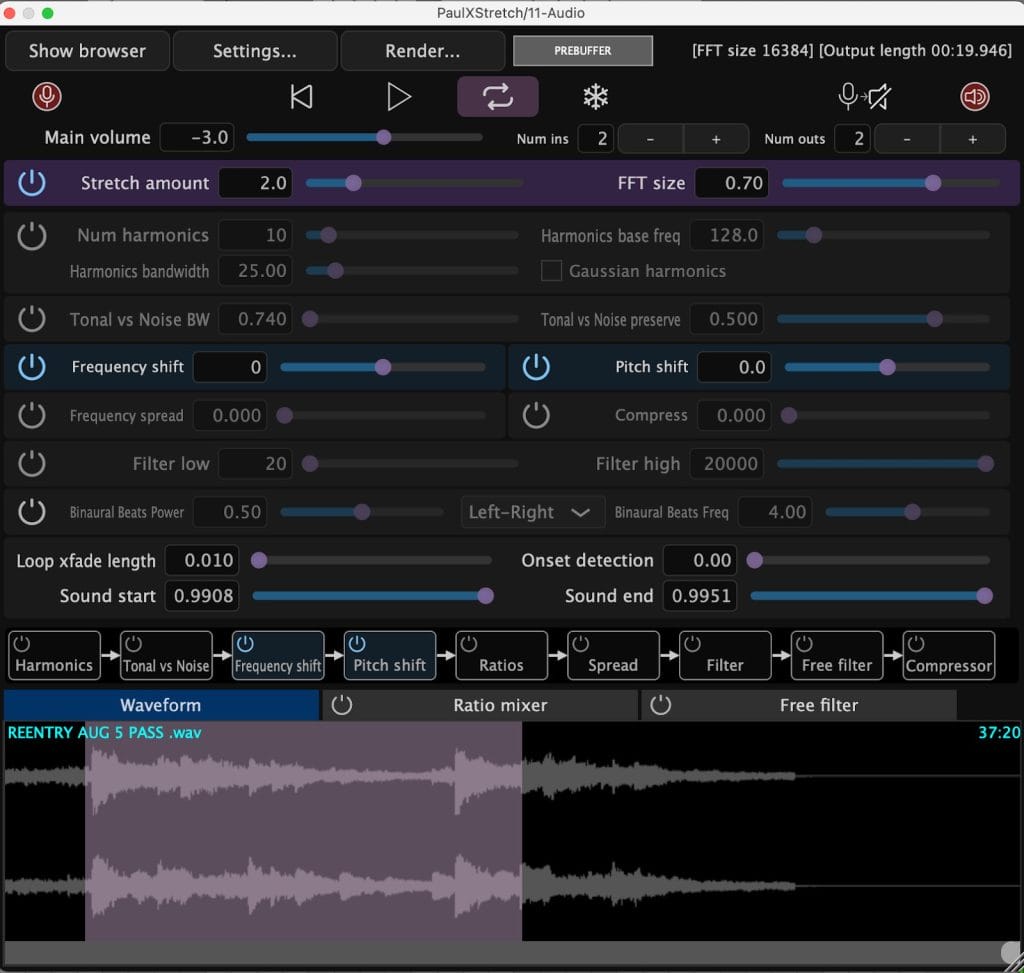
This might be not a very exciting plug in but I recently feel like ive been able to use it almost as an instrument, but its Paulstretch from sonosaurus.
A lot of the weird glitchy sounds you hear coming in and out of Total Call are overly manipulated synth pads that I stretched out and made shorter over and over again in Paulstretch. You can make a 3 or 4 second sound stretch to 30 minutes of audio with almost zero interference with the quality of the audio. It essentially creates or finds a completely new sound within the micro seconds of the sound, and then re recording that and reversing it or throwing it into MIDI is just a fun way to make something out of virtually nothing.
You can use this for kind of anything, even outside of music. It basically just transforms sound, so it’s not an exclusive to music vst, its for anything you can think of.
Also it’s totally free which is pretty cool too.
KONTAKT BASS SYNTH

Kontakt is obviously a very popular plugin but I’ve been using it for so long without ever really hitting a wall that I felt like it would be a good one to share.
The acid basslines you can write with so much ease and efficiency makes it really easy to just get ideas down and then tweak the sounds in real time with their modular controls on the bottom.
My favorite patch sounds are the Acid Trip, Be True and Bass Vulture. The bass sound used in Total Call I actually played on my Fender Bass at home and then over layed it with a super low channel of the same notes in Bass Vulture to give it some extra punch.
The best thing about Kontakt is I’ve been using it since I started producing at 16 years old and now we’re more than a decade later putting it in tracks I am still really proud of.
Fab Filter Pro Q4
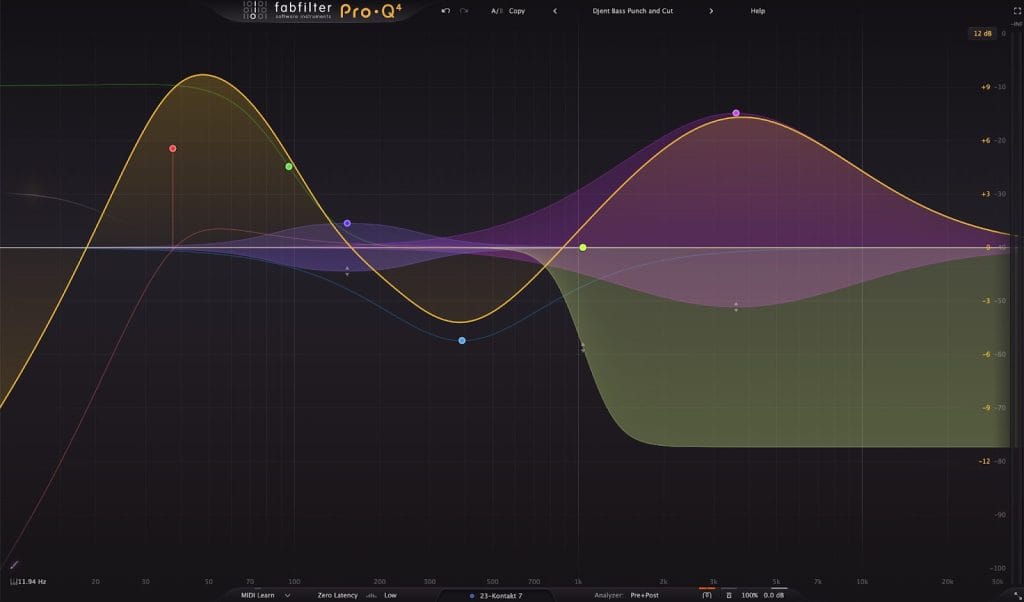
A lot of this record and this tune specifically used a lot of instruments I’ve never really worked with before – bass, midi guitar, multiple hi octave tracks fighting for room, etc.
So the Pro-Q4 plug in really helped me fix in time mixing issues I was running into that I haven’t had to deal with before. Especially the bass frequencies, since I had VST bass, and one analog, using the Djent Bass Punch and Cut pre set with a little more cut on the high really helped everything breathe and be heard when you wanted to hear it, and punch when other moments were looking for more room.
It’s not a secret for most producers, but I think that specific preset for bass will be helpful to use if you’re doing big break music for people who haven’t tried it before.
Quick Fire Tips For Making Music
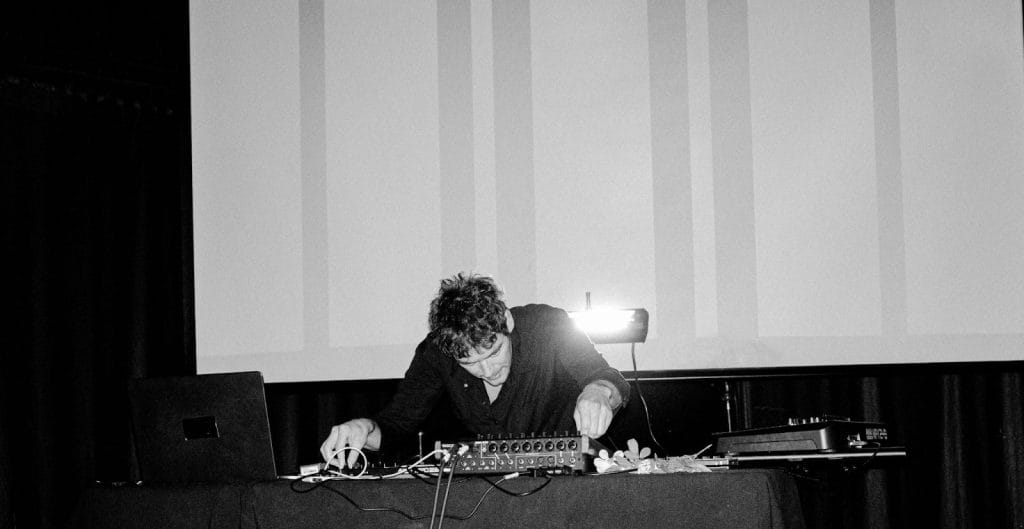
#1 – I would start off with getting as familiar as possible with the background and origins of rave, breaks and house music. I was listening to a lot of Apollo 440, Orbital, The Prodigy when making this record just because I was feeling a bit bored earlier this year with some of the current state of house music and I think the big break rave stuff is really coming back with cool groups like Kumo 99 and William J. Canning in LA making really amazing stuff in my city.
#2 – I always start with drums and then let everything fall into place between the grooves. I also usually try and wait until I get really bored with a drum loop, playing it over and over, and then add everything else to try and make it fun again.
#3 – Mixing your new music with your favorite song at the time is a good litmus test if you actually love it or not. And when I played this at club Tee Gee in Atwater Village after Smack My Bitch Up I was like ok cool this feels done.

Magnetic byline note: This byline is used for staff produced updates and short announcements, often based on press materials and official release information. Editorial responsibility: David Ireland (Editor in Chief) and Will Vance (Managing Editor). About: https://magneticmag.com/about/ Masthead: https://magneticmag.com/masthead/ Contact: https://magneticmag.com/contact/