Table of Contents
For as long as DJs and producers have been remixing, the hunt for acapellas has been part of the process. Sometimes that meant buying official remix packs, trading files online, or ripping questionable versions from vinyl.
Other times it meant pulling stems from promo CDs that only a handful of DJs had access to. No matter how you got them, having clean vocals was a gatekeeping point for anyone who wanted to flip tracks into edits, mashups, or remixes.
That landscape looks very different today. The rise of AI stem separation tools like LALAL.AI, Moises, and PhonicMind has changed how producers think about acapellas. With a few clicks, anyone can upload a track and split it into clean(ish) vocals, instrumentals, drums, bass, and more. What used to require official access can now be done on a laptop in minutes.
This shift is reshaping remix culture, raising questions about ownership, access, and what it means to work with borrowed material.
From Acapella Packs to AI Stem Splitters
In the past, acapellas were scarce.
Labels released them selectively, often tied to official remix contests or DJ promo pools. If you wanted something outside that system, you had to work for it. Producers built networks to swap files or hunted down bootleg versions that weren’t always in key or properly isolated. This exclusivity created a culture where access was power.
AI stem separation has upended that. Now, instead of relying on label-provided stems, producers can split songs themselves. LALAL.AI and similar platforms make it easy to extract the parts you need from virtually any file format. The quality is not always perfect, but it is reliable enough for creative use. For DJs who need quick edits for live sets, or producers experimenting with new vocal lines, the process is no longer bottlenecked by distribution.
That accessibility has broadened participation in remix culture. A bedroom producer in any city can download a track, split it, and start experimenting. This democratization has made remixing more immediate and experimental, but it has also shifted the meaning of what an “official” remix really is.
How DJs and Producers Are Using AI Acapellas
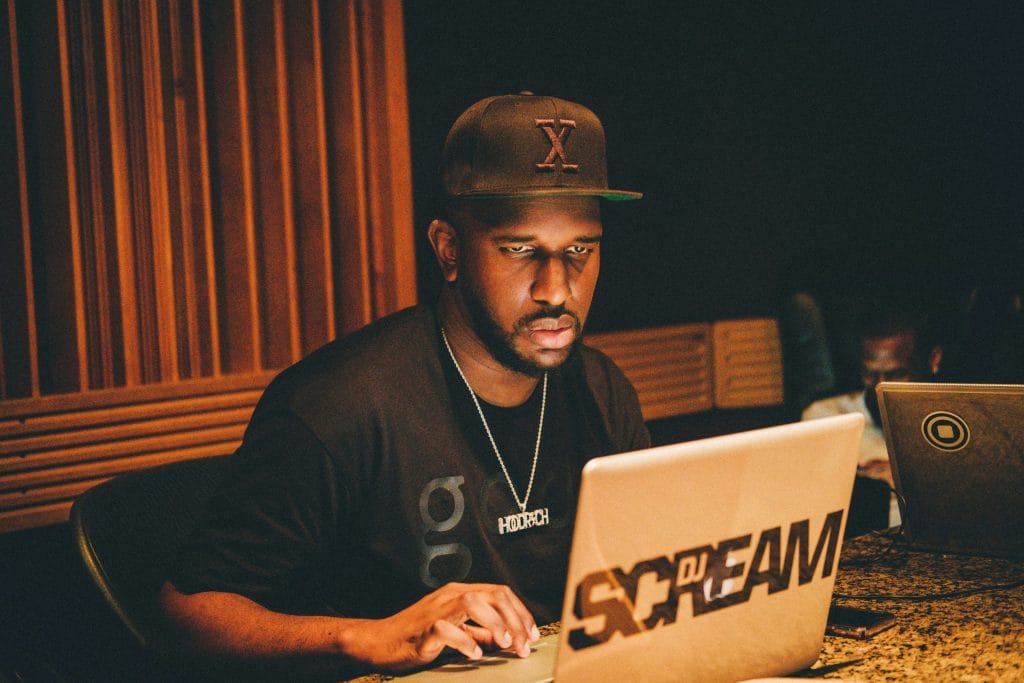
The impact is most visible on platforms like SoundCloud, YouTube, and TikTok, where unofficial edits circulate widely. A DJ who once needed to chase down a rare promo now has the tools to make their own version for the club that night.
Producers are using AI acapellas in a few distinct ways:
- Mashups and quick edits – DJs can isolate vocals, layer them over new instrumentals, and test ideas in live sets. The turnaround is fast, which keeps sets fresh without waiting on official packs.
- Creative sampling – AI stems allow producers to grab vocal phrases or hooks that inspire new tracks. The process feels closer to classic sampling culture, but with more precision and flexibility.
- Teaching and learning – Instructors and students use stem splitters to study vocal delivery, harmonies, or production techniques in detail. Pulling a clean vocal line is valuable for educational breakdowns.
- Content creation – Online creators use AI acapellas for short-form videos, remix tutorials, or behind-the-scenes content where clean stems make the demonstration clearer.
These uses show that acapellas have moved beyond being a limited resource into being an everyday tool. The workflow has become streamlined, and the creative possibilities have expanded as a result.
What This Means for Remix Culture
Sampling culture has always existed in a grey area between artistry and legality. The availability of AI acapellas pushes that balance further. On one hand, it allows for a surge of creativity. On the other, it raises concerns for labels, publishers, and artists who see their material reworked without permission.
For DJs, this technology reinforces a culture of edits and personalization. Club culture has always thrived on reinterpreting songs, from disco edits to house remixes. AI stem splitting makes that tradition more immediate. Instead of waiting months for an official release, DJs can create custom versions the same week a song drops. That speed fuels cultural moments in real time, keeping sets reactive to trends and crowd energy.
For producers, the shift creates a more blurred line between unofficial remixes and official collaborations.
The ease of extracting vocals makes it harder to control how and when songs are repurposed. While this raises challenges for copyright, it also reflects how digital culture operates. Artists gain reach through remixes, even if those remixes were never sanctioned. Platforms like SoundCloud built entire communities around this, and AI tools have only amplified the scale.
The Future of Acapellas in an AI Era
So do we still need acapellas? The answer depends on perspective. For practical purposes, official acapellas are less essential than they once were. AI stem separation provides workable alternatives that most producers are comfortable using. For creative purposes, the culture has shifted toward experimentation without waiting for gatekeepers.
At the same time, official acapellas still matter in professional contexts. Clean, label-approved stems are higher quality, free of artifacts, and safe to use in commercial releases. AI tools are strong enough for edits, practice, and underground distribution, but they do not replace the legal and sonic advantages of official material.
The more interesting development is how AI reshapes participation. Remix culture is no longer about who has access to rare files, but about who has the creativity to use the tools effectively. A DJ can turn a Top 40 hit into a club-ready edit overnight. A producer can study isolated vocals to refine mixing skills. A content creator can use snippets in ways that spread quickly online. Access is no longer the barrier. Imagination is.
So… Where Do We Go From Here?
AI stem separation has changed the relationship between producers and acapellas. What was once guarded and exclusive is now accessible to anyone with an internet connection. This shift has accelerated remix culture, empowered more DJs to create personalized edits, and opened up new spaces for learning and experimentation.
The cultural impact is clear. Remixing is no longer about chasing files or waiting on official packs. It is about engaging with the tools available and finding ways to use them creatively. For music producers and DJs, that makes the landscape more open, more participatory, and more aligned with how digital culture operates today.

Magnetic byline note: This byline is used for staff produced updates and short announcements, often based on press materials and official release information. Editorial responsibility: David Ireland (Editor in Chief) and Will Vance (Managing Editor). About: https://magneticmag.com/about/ Masthead: https://magneticmag.com/masthead/ Contact: https://magneticmag.com/contact/