Starting a rock band involves more than just hooking up the instruments and making it loud. To make something different, you gather the right people, style, and ideas. If you play guitar and want to be the leader or are just starting to dream of being in a band, you need to know how to start a band from scratch. The guide will help you get your sound right, find suitable musicians, and prepare for performing on stage, placing importance on musical compatibility, your band’s identity, and staying loyal to your goals.
A Shocking Start
Starting with the electric guitar is important for any guitarist. It defines the unique sound of every rock musical group. First, make sure your tone, riffs, and sound are good enough before recruiting others. Concentrate on getting your rhythm and melodies right, as they help make your band different and impressive. For players seeking vintage-inspired clarity and modern playability, the PRS Silver Sky SE delivers studio-ready tones that cut through any mix—perfect for crafting that signature sound.
Find a Bassist with Groove
A bass is needed to create good rhythm and harmony. Look for a musician whose performance seems like a joint discussion instead of a single-sided monologue. A talented bassist predicts what’s coming, taking care of empty spaces and adding energy to the music. The way a band’s guitar and bass play together can be the main source of the band’s personality. Play music regularly to learn how to work as a team without talking.
Choose Tone Over Complexity
Make sure not to put too much importance on a bassist’s soloing skills or technical abilities. Pay more attention to someone who plays on time and has a tone that suits your tone of music. Most bands do better with simple and exact sounds rather than adding too much complexity.
Add Percussion That Locks Everything In
The backbone of your band depends on who you choose as drummer. Other than rhythm, the way they manage dynamics, tempo, and style will affect the way your music sounds. It doesn’t matter if the beats are noisy or quiet, they should fit with the sound of the group.
Discover a Distinct Vocal Identity
The lead singer creates the emotional mood for the song. Your band’s ability to tell a story mainly comes from how you deliver your songs, not only from your vocal skills. Try not to use voices that sound the same as many others. Look for an artist who brings their own touch to the words of the song. The lyrics can be created by an individual or a team, but the singer should always make the song better.
Don’t Overlook Harmony
Backing vocals enhance depth. Guitarists or keyboard players often double as secondary vocalists, contributing subtle layers that make choruses soar. Experiment early with vocal blending—tight harmonies often separate amateur groups from polished acts.
Add Keys or Synths if the Sound Calls for It
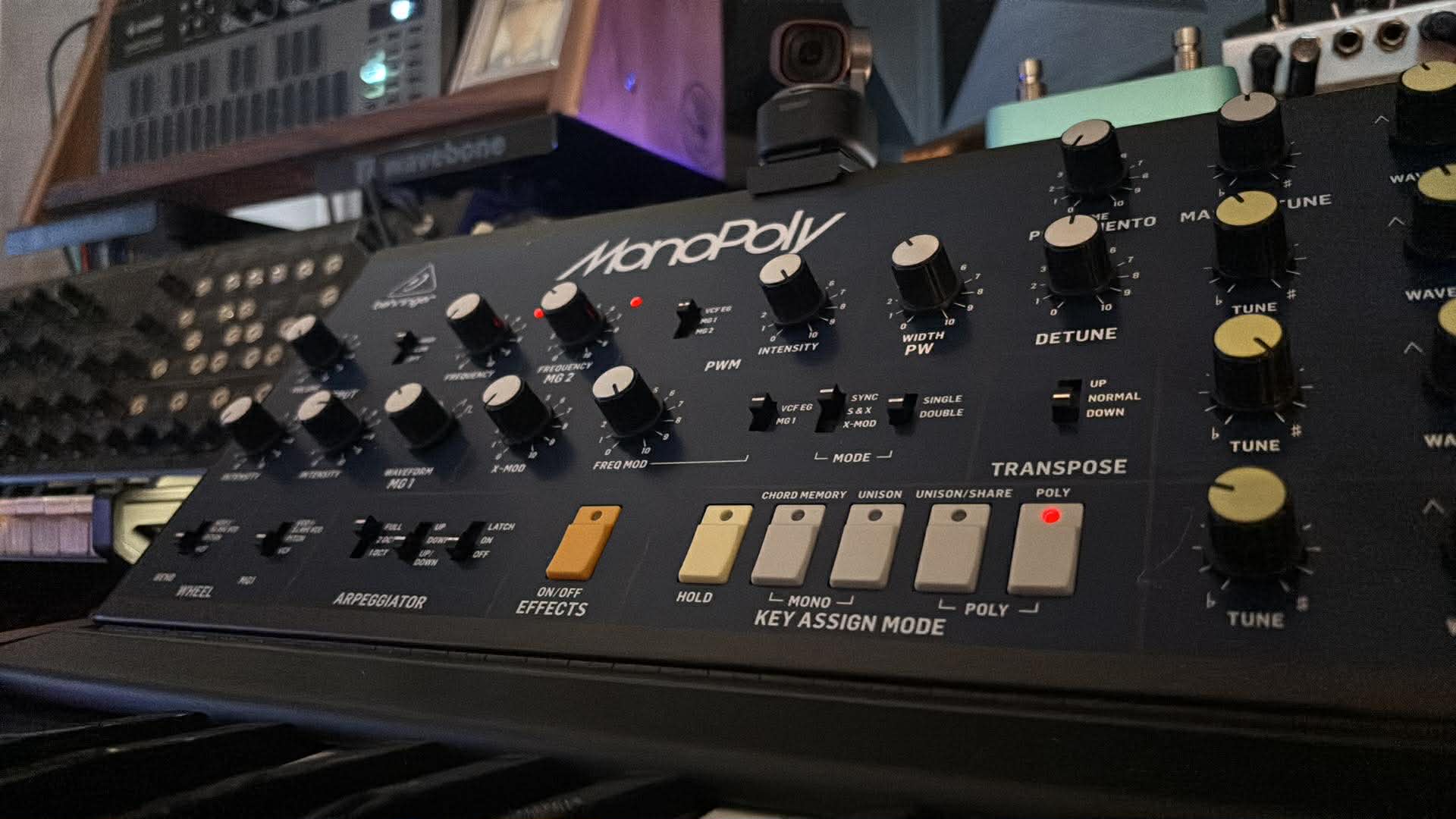
While not every rock outfit requires a keyboardist, this role can add texture and atmosphere. Whether you’re leaning toward gritty organ tones or ambient synth waves, extra instrumentation can widen your sonic palette. Carefully consider whether this addition enriches your sound or distracts from the core.
Agree on a Shared Vision
At the start, settle on your goals before you pick a name or book shows. A number of bands make music just to perform at dive bars. Many musicians hope to play at music festivals. People’s opposing goals can cause conflicts. Discuss the schedule for rehearsals before you start the project. Which genres appeal to you and which do you prefer to ignore? Will you play originals mostly, cover songs mostly, or a variety of both?
Rehearse Intelligently, Not Just Frequently
Practising for a long time is not important unless you know the right thing to do. Organize each session in an effective way. Concentrate on how your songs change, move from one section to another, the timing of the music, and playing live. Make a recording of your rehearsals to spot any problems. Ensure you’re not just familiar with the song, but it also has a strong effect when played as a group.
Promote Without Pretending
After your sound is solid and some tracks are done, you should start advertising. Make sure to use networks that your audience relies on. Pick and choose the trends that fit you best and work on building strong ties and posting unique content. In the beginning, being real is more important than looking perfect.
Build the Band You’d Want to Watch
Creating a rock band involves something more than having instruments and good ideas. A successful team needs chemistry, a strong commitment, and creativity. First, get a solid guitarist, then set up a tight rhythm team, and on top of that, bring in singers that engage the crowd. No matter your venue, make some music that people will listen to and enjoy watching you perform.

Magnetic byline note: This byline is used for staff produced updates and short announcements, often based on press materials and official release information. Editorial responsibility: David Ireland (Editor in Chief) and Will Vance (Managing Editor). About: https://magneticmag.com/about/ Masthead: https://magneticmag.com/masthead/ Contact: https://magneticmag.com/contact/