Table of Contents
The OBSBOT Tail 2 doesn’t feel like a typical PTZ camera—and that’s exactly why I’ve been recommending it to other artists in my circle.
I’ve used plenty of these AI-tracking, remote-controlled cameras over the years, and they usually fall into two camps: clunky conference room tools, or glorified webcams with gimmicky features. This one’s different. It’s compact, battery-powered, records 4K, and—here’s the kicker—it actually tracks like it knows what it’s doing.
At $1,199, it’s not a casual buy. But suppose you’re a DJ, solo artist, livestreamer, or even running hybrid production setups where space, crew, and setup time are limited. In that case, this is one of the few cameras I’ve used that actually delivers on the promise of solo operation with pro-level control.
OBSBOT Tail 2 Wins The Editor’s Choice Awards
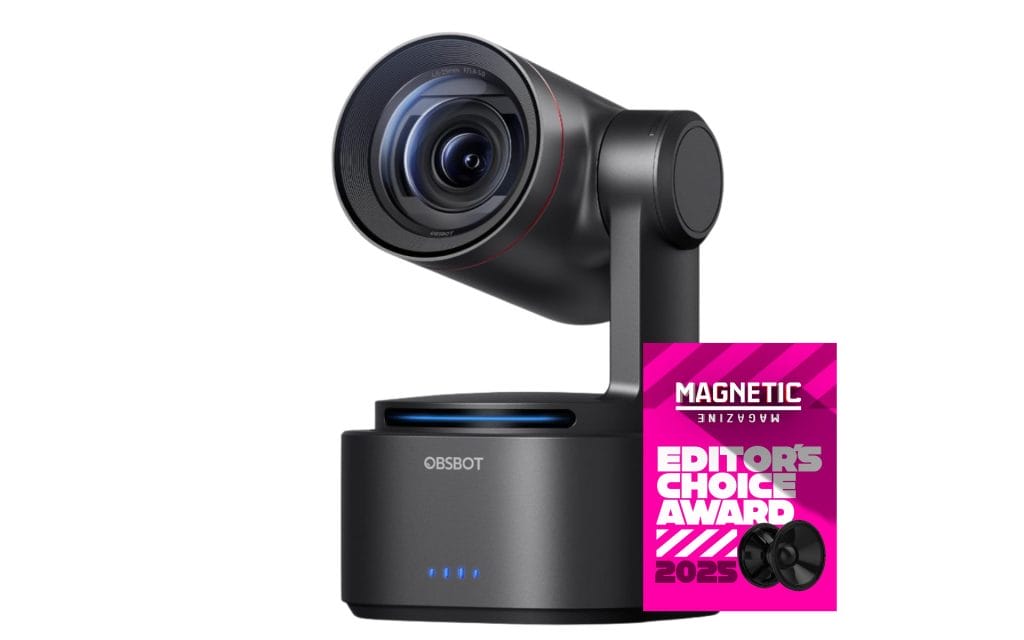
We don’t hand out Editor’s Choice awards lightly. It takes a product that actually reshapes how we work—something that doesn’t just meet expectations but quietly rewrites them. The OBSBOT Tail 2 is that kind of product.
After weeks of using it in real sessions, from pop-up livestreams to actual DJ sets and location shoots, it proved over and over again that it could handle real-world use without flaking out. It tracks smoothly, plays well with pro workflows, and doesn’t fall into the trap of overpromising features it can’t back up. It’s not flawless, but it’s dependable—and dependable is what most creators need.
What pushed it over the edge was how often I reached for it without even thinking about it.
That’s always the test. It was something I packed because it worked. I trusted it to track a speaker across a packed venue, to grab clean vertical content without repositioning a rig, to run 4K for hours off battery alone. For the kind of solo or small-team work so many of us do—content, event, hybrid gigs—this is one of the most usable tools I’ve touched in years.
Build and Connectivity
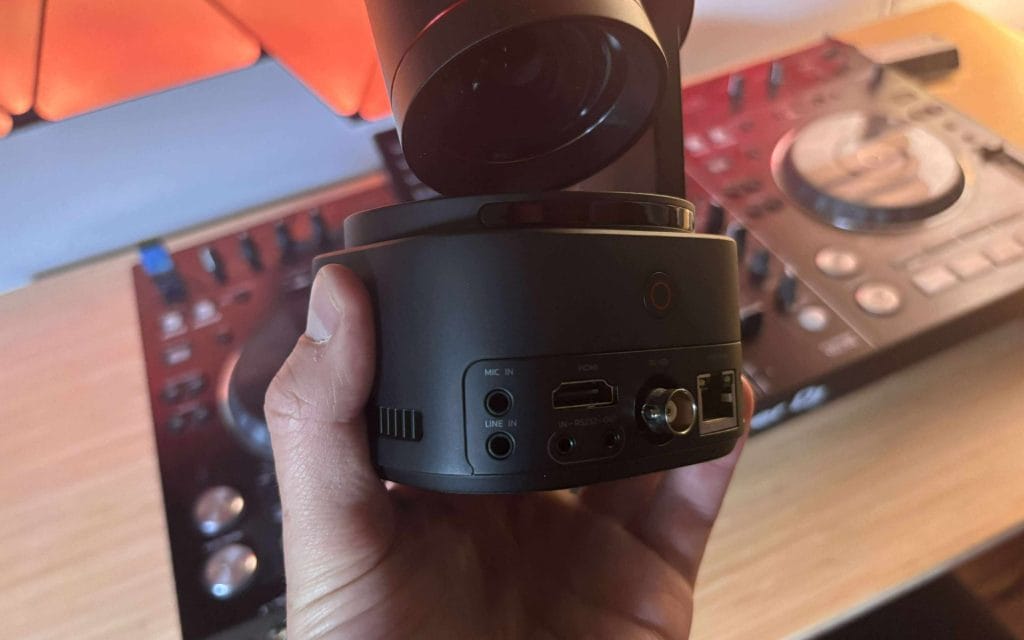
I care way more about I/O than I probably should, but with camera gear, it’s a dealbreaker—and this thing delivers. You’ve got HDMI 2.0 for 4K60, SDI for 1080p switcher workflows, full-size USB-C, a LAN port with PoE, and dual 3.5mm jacks. That’s a serious connection suite for a camera this size.
The magnetized base is another underrated perk that I don’t think is getting enough attention at all.
I’ve mounted this in a DJ booth on a metal beam and didn’t have to tape or clamp anything. For mobile artists or performance crews, that alone cuts setup time in half. The 5,000 mAh battery runs for hours—I’ve streamed two full sets on one charge without touching a power cable. No onboard mic is a bummer in theory, but in practice, I wouldn’t trust any built-in mic for actual production anyway.

One underrated benefit: the camera boots quickly and doesn’t need a tethered power supply unless you’re running longer than four or five hours. I tested it during an outdoor workshop with no available AC, and it kept up without any hitches. That kind of self-sufficiency matters more than specs when you’re juggling multiple pieces of gear on the go.
Optical Performance
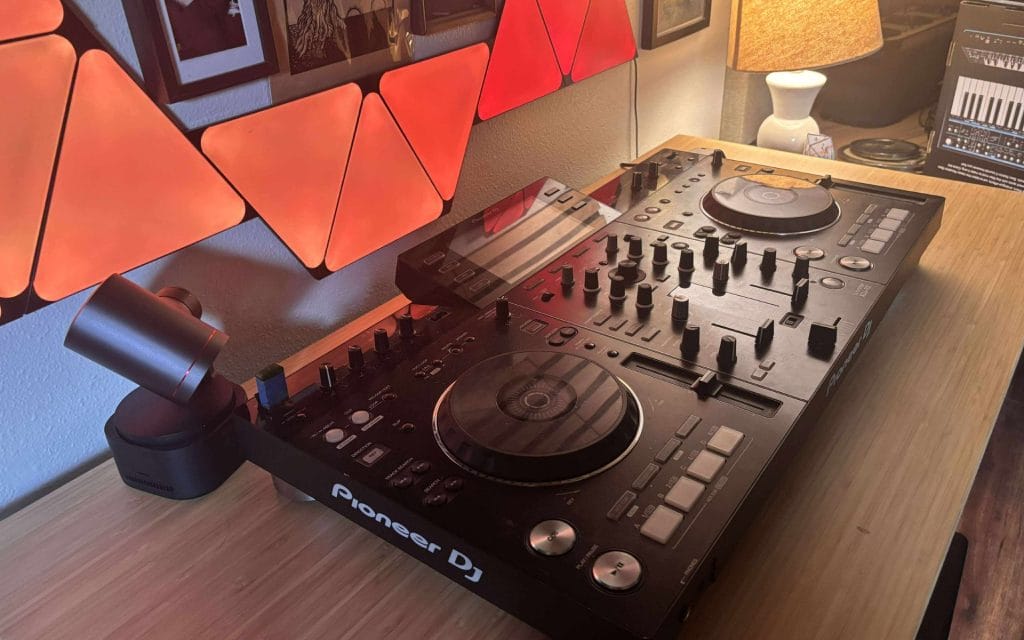
I didn’t expect much from a 1/1.5″ sensor, but I was wrong. The footage from this thing punches well above its weight class. At 4K60, it’s sharp, natural, and genuinely usable alongside DSLR b-roll—especially in club settings with clean lighting.
ISO performance holds up through 3200. Once you hit 6400, you’ll notice softness and some loss of detail, but it’s still functional if you need to stretch. The 5x optical zoom is really where this thing shines. I was tracking a performer from 40 ft out in a low-lit bar, and the framing held beautifully with no weird refocusing or delay. The digital extension to 12x? Fine for static shots, but anything beyond 8x gets noticeably soft.
One night I used the Tail 2 to record a late set with minimal lighting—mostly LED uplighting from the floor—and I was surprised at how clean the shadows looked at ISO 1600. You don’t always need cinematic noise performance, but the fact that I didn’t have to fight the footage in post was a win.
Tracking
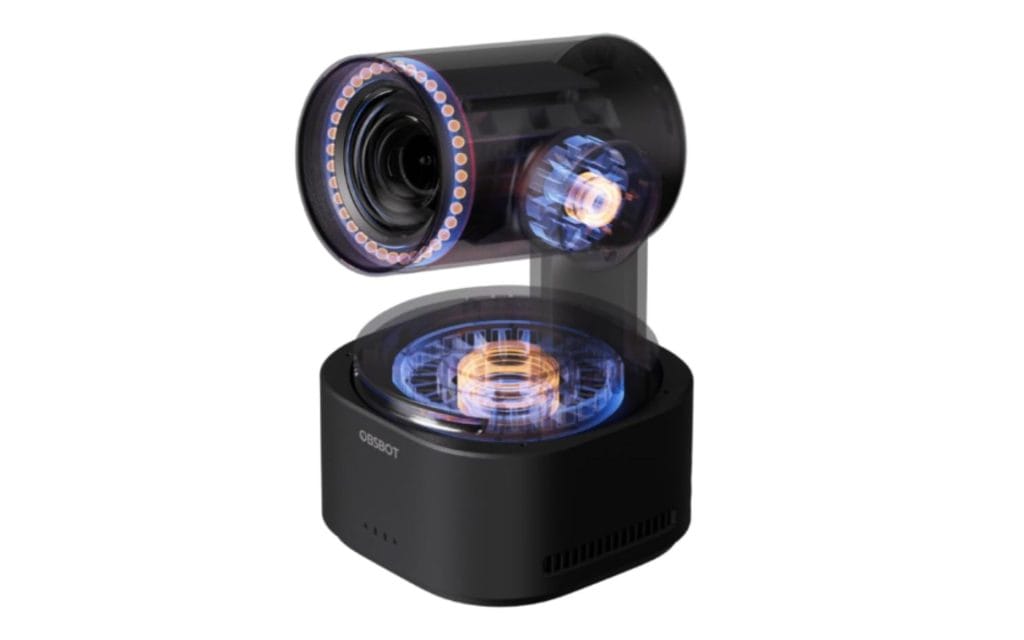
Finally! AI that doesn’t feel like a gimmick (trust me, this is a common gripe around our editorial office).
Here’s the thing: most AI tracking I’ve used either overcorrects or completely loses me when I turn away or cross behind gear. Tail 2’s AI 2.0 actually gets it. It tracks human movement the way a trained camera op might, with smooth, controlled framing.
In one test, I walked through a cluttered space with mic stands, poles, and lighting trusses, and the camera reacquired me within a second every time. It didn’t flinch or spin out looking for another person. It just waited. Re-centered. And picked up where it left off.
Gesture controls actually came in handy when I was filming tutorial content. Being able to raise a hand to switch framing or zoom levels without walking off camera broke up my workflow less than I thought it would. The AI Plus framing options (like headshot or full body tracking) feel like presets that actually respond to real-world context, which is rare.
Vertical Rotation and Leveling
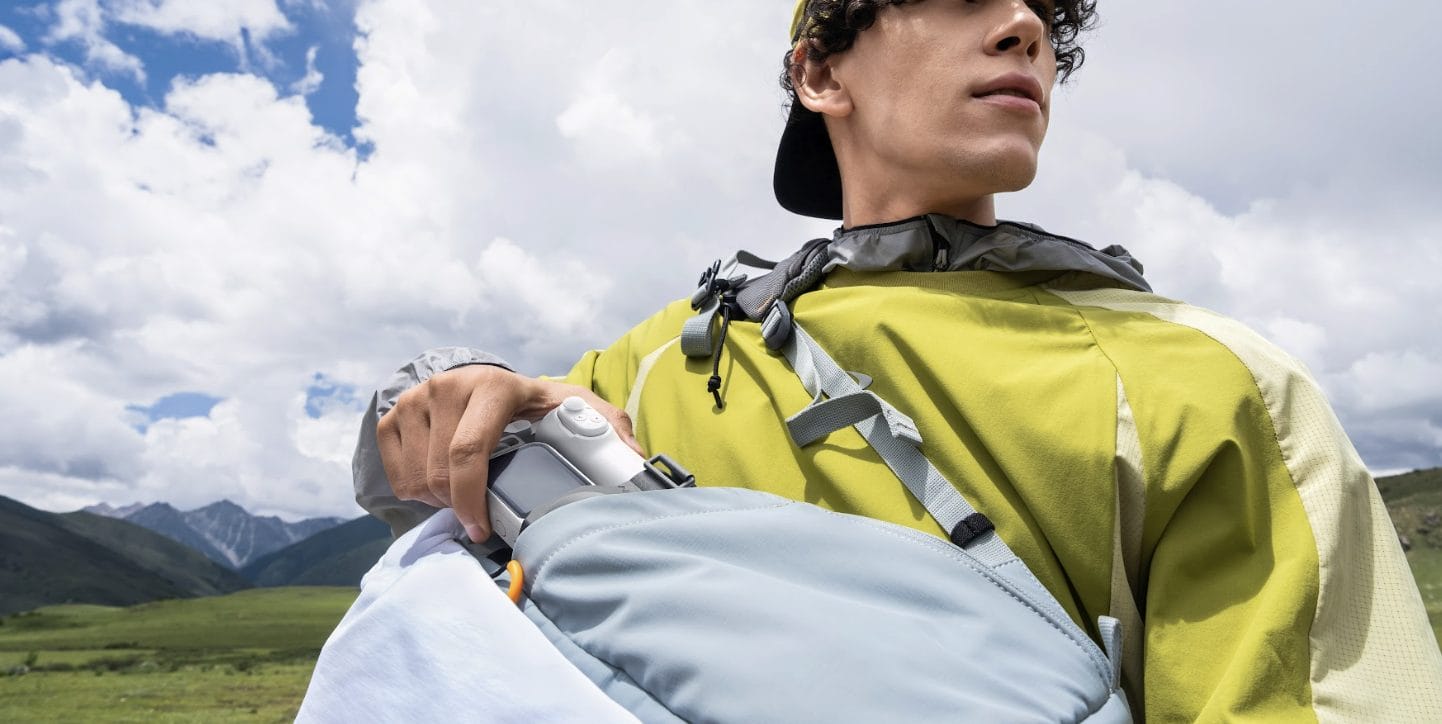
This is a big one for mobile-first filming and content creation.,
I didn’t think I’d use the roll axis as much as I do, but once you start making reels, TikToks, or behind-the-scenes posts, having a physical 9:16 mode makes a huge difference. No cropping, no hacks—just clean, vertical framing in full quality. Having native portrait support was massive—there was no degradation, no weird LUT issues, and I didn’t need a second rig.
Self-leveling also came in clutch when I mounted it on uneven flooring at a festival setup. It took about 30 seconds for the sensor to adjust, and I didn’t have to touch the tripod again. If you’re setting up in non-studio environments, this feature pays for itself.
Control Options

The desktop app is definitely the way to go if you’re setting this up in a controlled environment. But when you’re in the field—especially on mobile Wi-Fi or with firmware updates pending—the mobile app can be hit or miss.
I had one firmware update hang mid-pairing, which required reconnecting via USB-C and doing a hard reset. Slightly annoying, but once you’ve gone through it once, it’s easy to avoid.
Preset switching, though? To be honest, it was insanely fast. I run P1 as a wide, P2 as a tight center frame, and P3 as a vertical social crop. The transitions are smooth enough to use live, which wasn’t the case on earlier models I’ve tried. If you’ve ever fumbled through a mobile app mid-performance, you’ll appreciate how dialed this feels once it’s configured.
Streaming and Recording
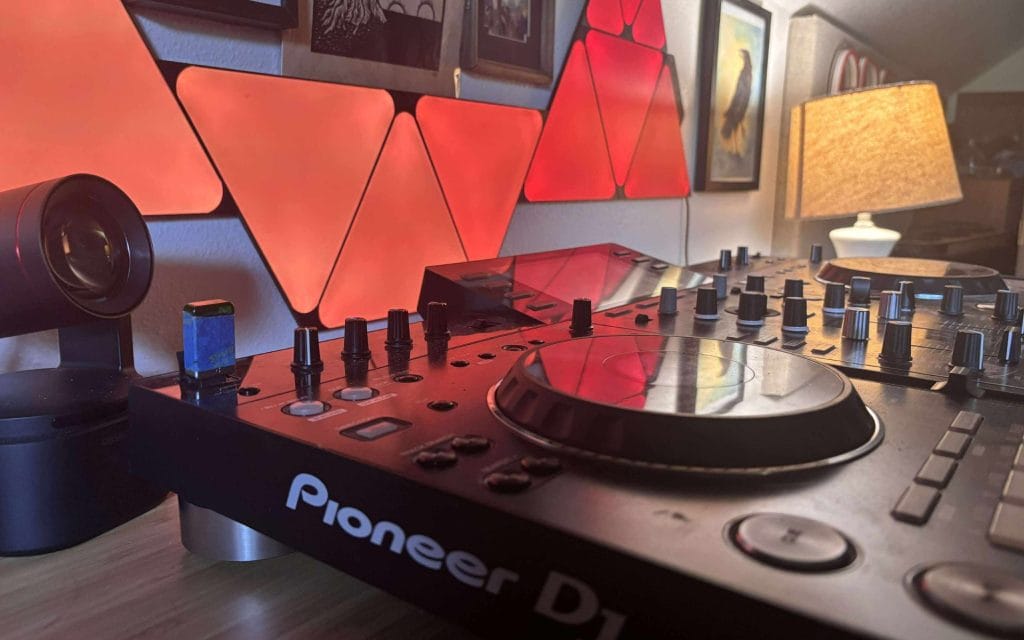
You can record internally up to 160 Mbps and segment the files, which saved me during a pub show where the power blipped mid-set. Only the current file was lost, not the whole session.
I also tested the Tail 2 as an NDI source during a 4K livestream with OBS. I had to activate the license ($99, which still feels like it should be bundled in), but once done, it worked cleanly with no dropped frames—even over Wi-Fi.
Bitrate controls helped when I was streaming in a venue with unpredictable internet. I dropped down to 6 Mbps and still got clean 1080p output without artifacts. If you’re planning to run hybrid live/video workflows, this flexibility is a big reason to choose this camera.
Final Thoughts
The Tail 2 has earned a permanent spot in my kit. I can set it up, walk away, and know I’ll come back to usable, sharp footage. It handles solo shoots without compromise, integrates into real systems, and doesn’t look like a gimmick.
If you’re making content around music—whether that’s DJ sets, live performances, breakdown videos, or even just livestream Q&As—this camera lets you do it without needing a team. It’s not perfect, and the software has rough edges, but the hardware is ready to go.
I used to think PTZ cameras were for corporate boardrooms and church livestreams. Now I use one to record BTS studio sessions, document field tests, and shoot social clips on the fly. The Tail 2 turned out to be one of the few pieces of gear that actually reshaped how I work—and I don’t say that lightly, especially considering this price tag (which certainly isn’t cheap).

Will Vance is a professional music producer who has been involved in the industry for the better part of a decade and has been the managing editor at Magnetic Magazine since mid-2022. In that time period, he has published thousands of articles on music production, industry think pieces and educational articles about the music industry. Over the last decade as a professional music producer, Will Vance has also ran multiple successful and highly respected record labels in the industry, including Where The Heart Is Records as well as having launched a new label with a focus on community through Magnetic Magazine. When not running these labels or producing his own music, Vance is likely writing for other top industry sites like Waves or the Hyperbits Masterclass or working on his upcoming book on mindfulness in music production. On the rare chance he's not thinking about music production, he's probably running a game of Dungeons and Dragons with his friends which he has been the dungeon master for for many years.