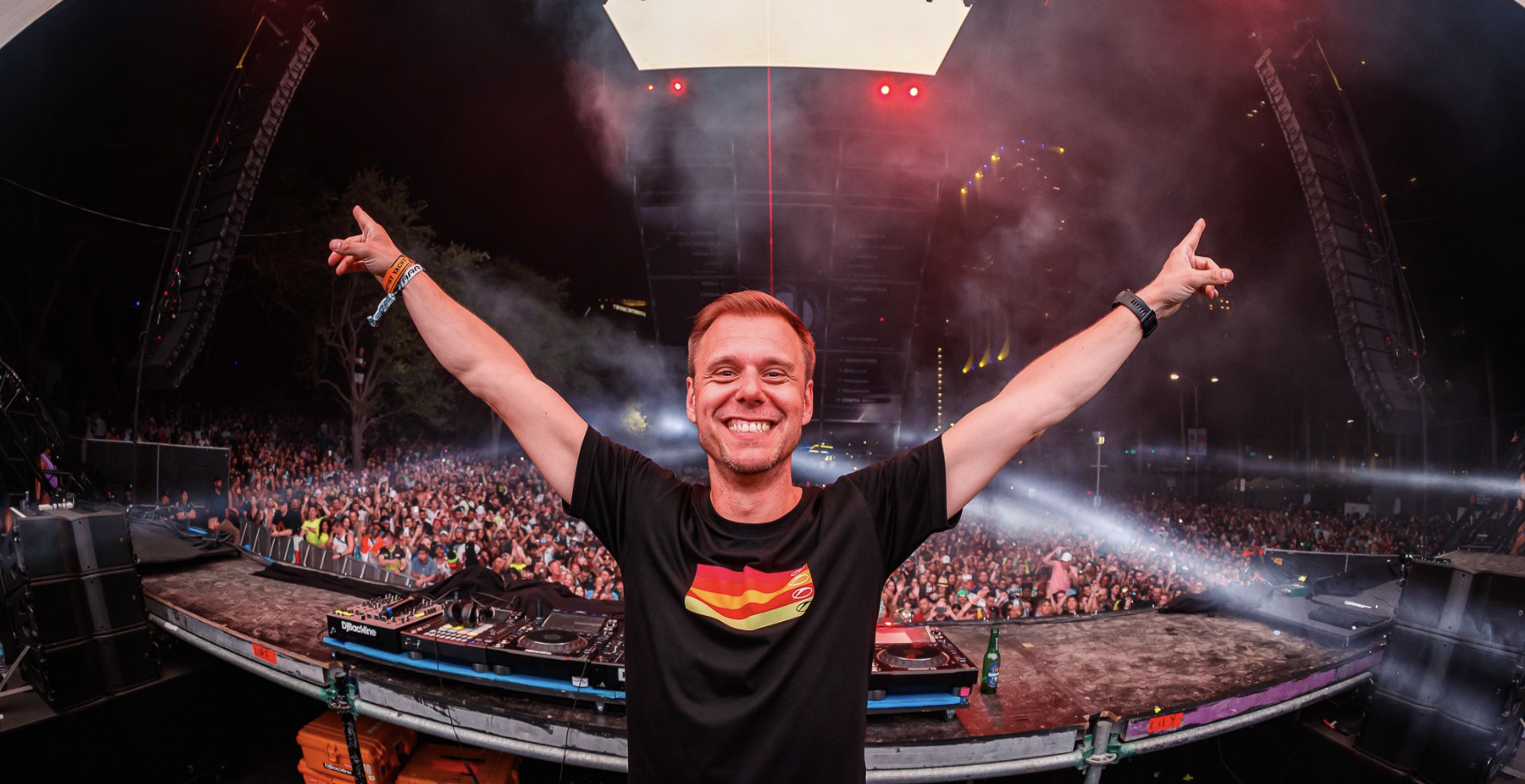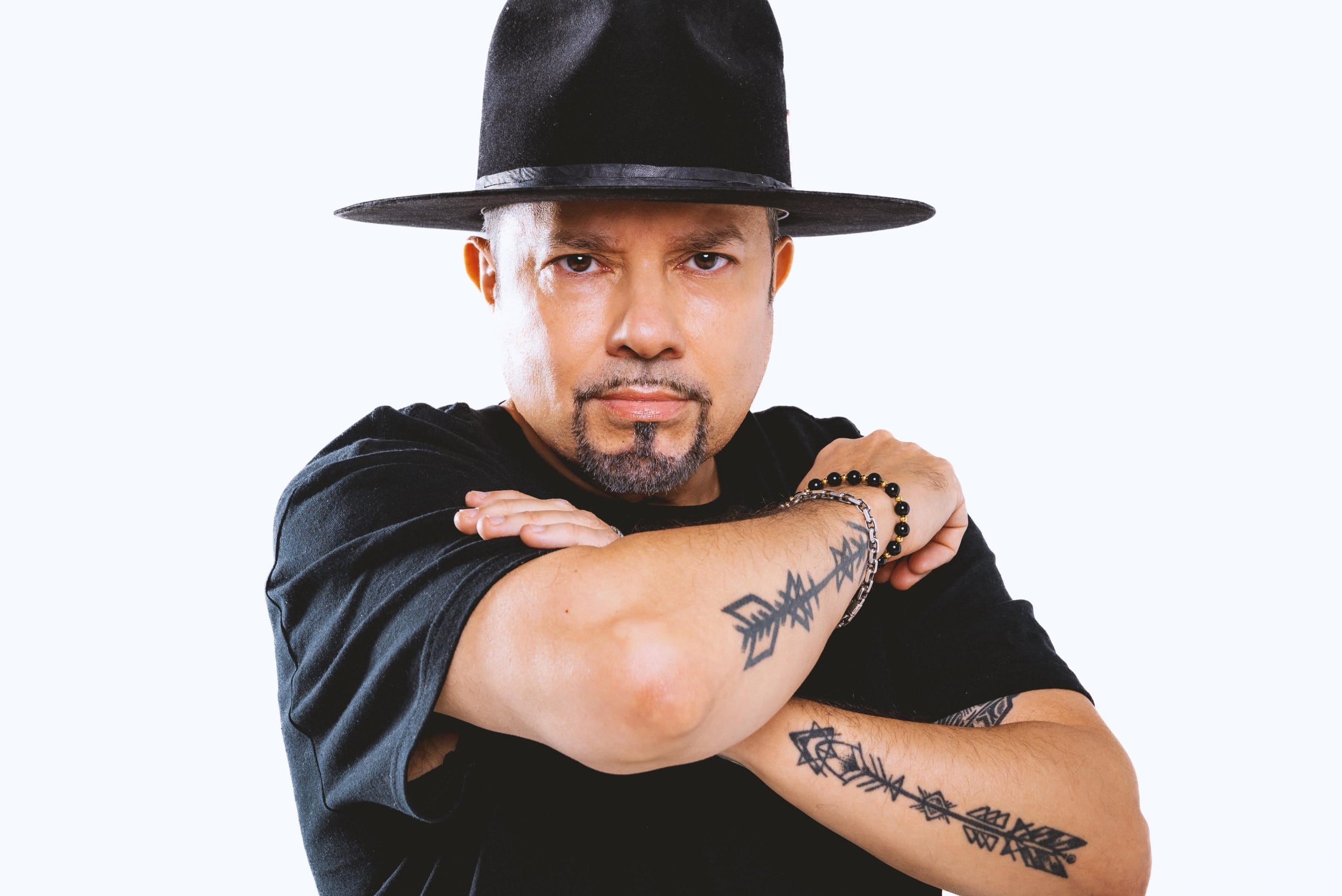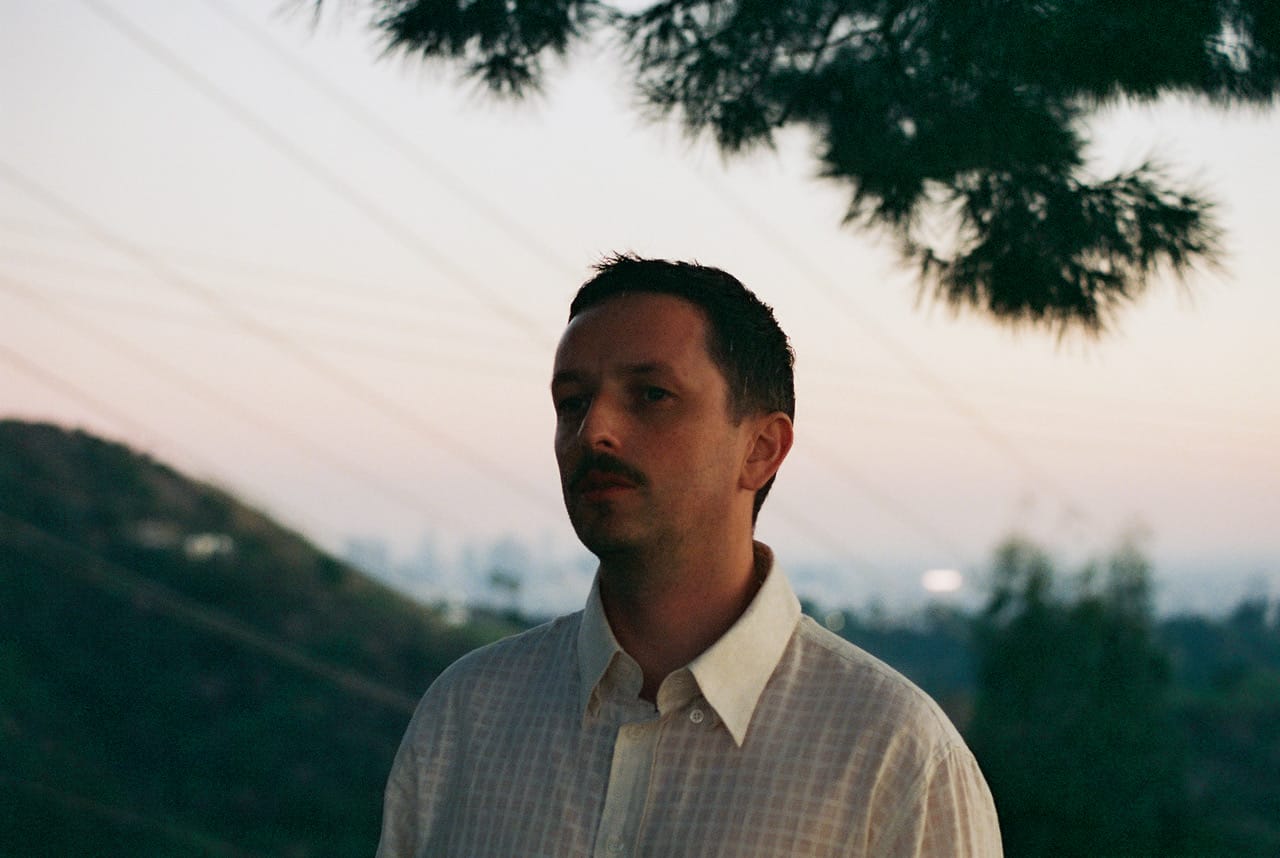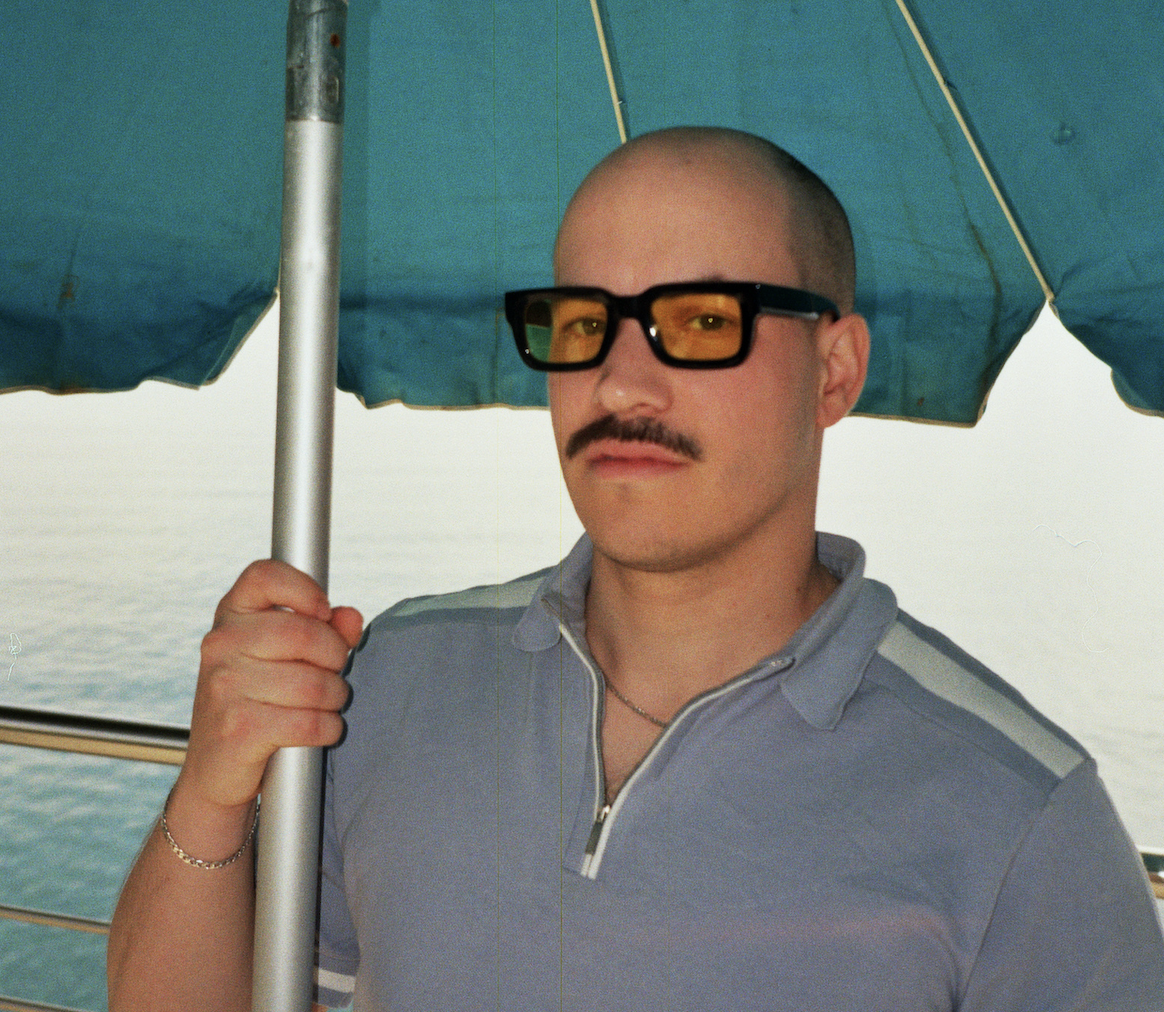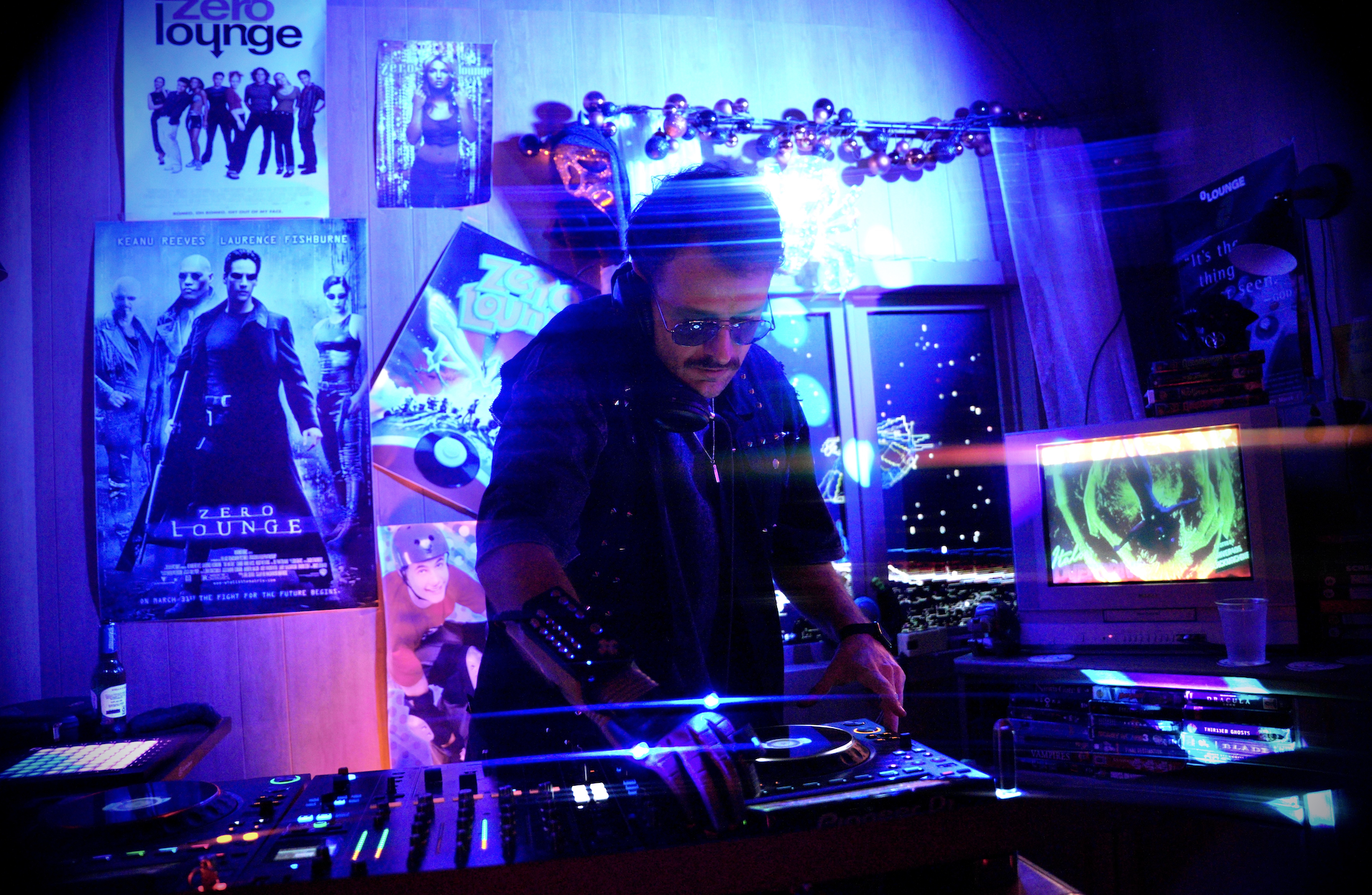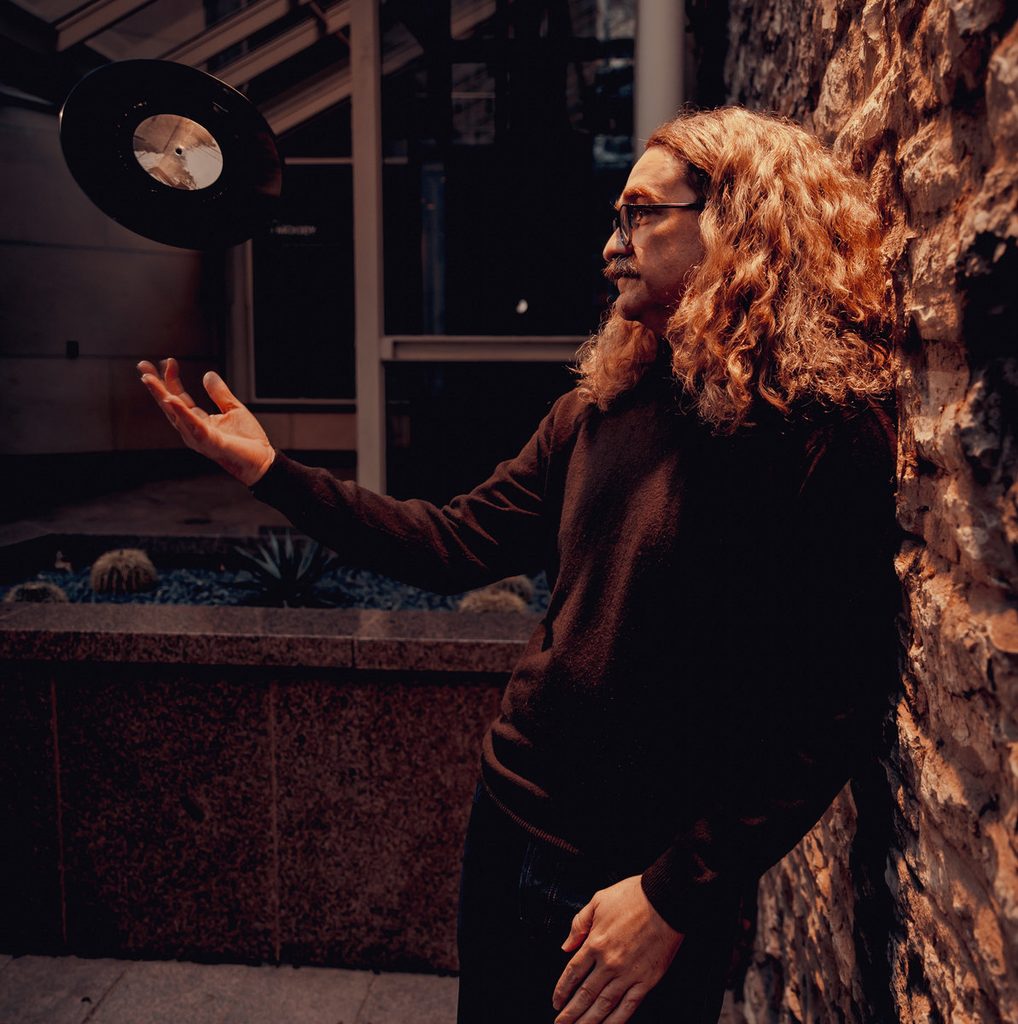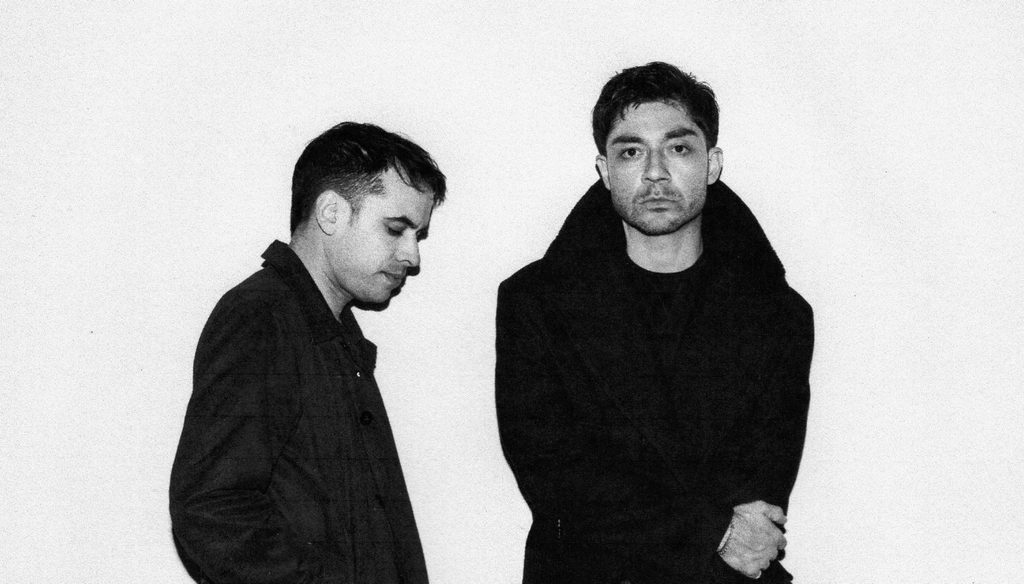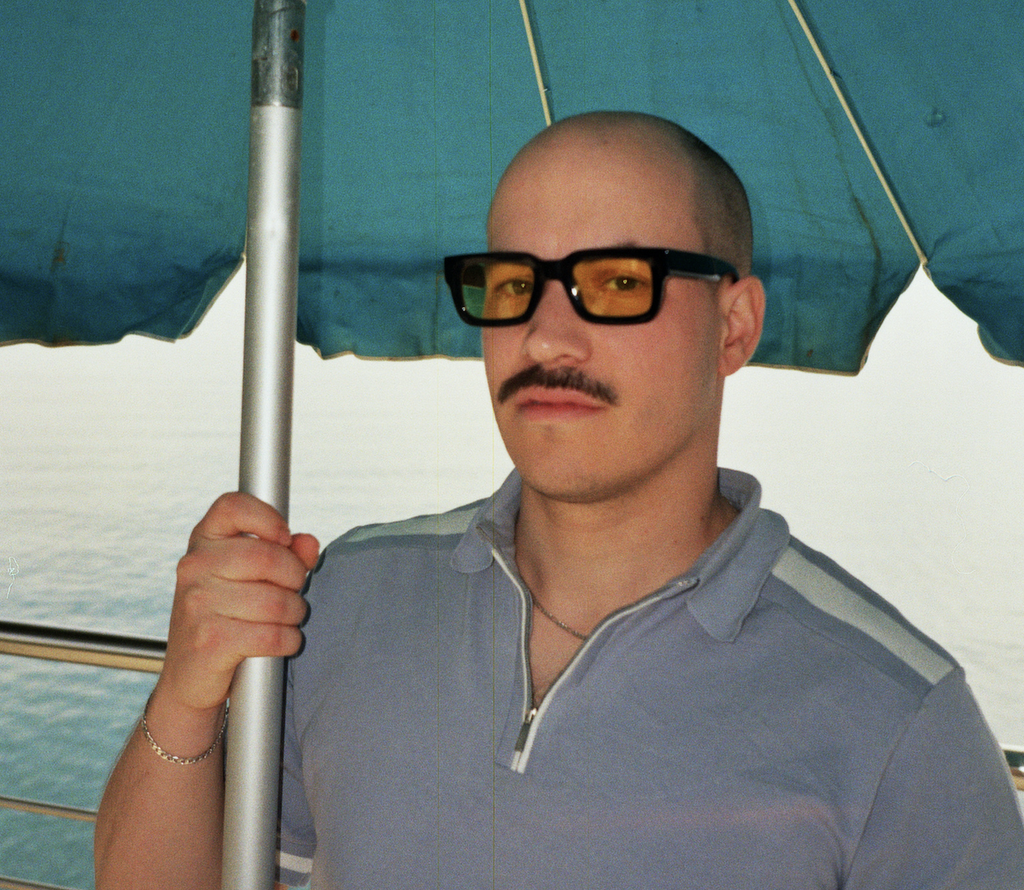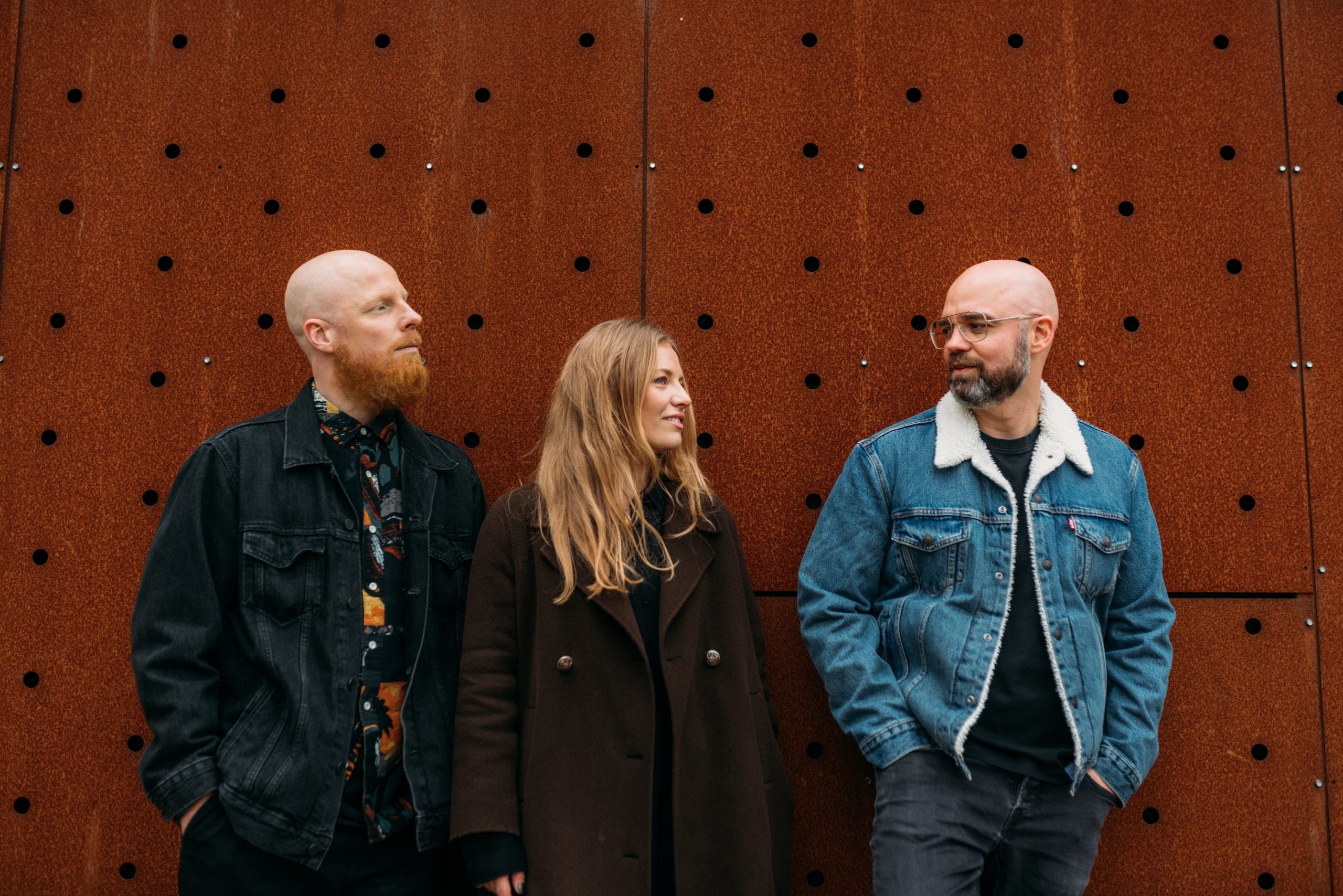
Tinlicker’s new single “I Started A Fire” featuring Hero Baldwin is out now on Remember The Future/[PIAS] — a slow-burning cut built on emotional clarity, breaksy momentum, and restraint that hits hard in its own way.Following a run of shows including Coachella, Lightning in a Bottle, and Brooklyn Mirage, this new release also marks the start of their next live chapter later this year as Baldwin joins the band, starting with South Facing Festival, Tinlicker Live in the Park at Crystal Palace Bowl in London on August 16th.
In this interview, Jordi talks about tracking creative progress without obsessing over it, learning to let go of self-doubt, and the quiet work of building confidence over time. It’s less about metrics and milestones and more about patience, collaboration, and showing up with less ego and more curiosity.
With a rumored new album in the works and a packed tour calendar ahead, Tinlicker’s latest phase feels grounded and wide open at the same time — and that combination is rare.
How do you track growth without falling into the trap of picking yourself apart?
If you do what you love, in our case it’s making music (and performing) you know that you succeed for yourself. Especially when you’ve done it before.
It comes down to trusting your own process. And accepting that things need time, and in the end, patience is very important.
Do you ever go back to old projects to spot what’s changed over time?
Occasionally it happens.
But it usually happens when we need an instrument from an older project, and opening an old project can be surprisingly fun.
We do see that we’re still using a lot of the same elements, sounds, samples for the songs. But from time to time, we learn new things and we integrate them into the new projects.
How do you measure progress when there’s nothing obvious to track?
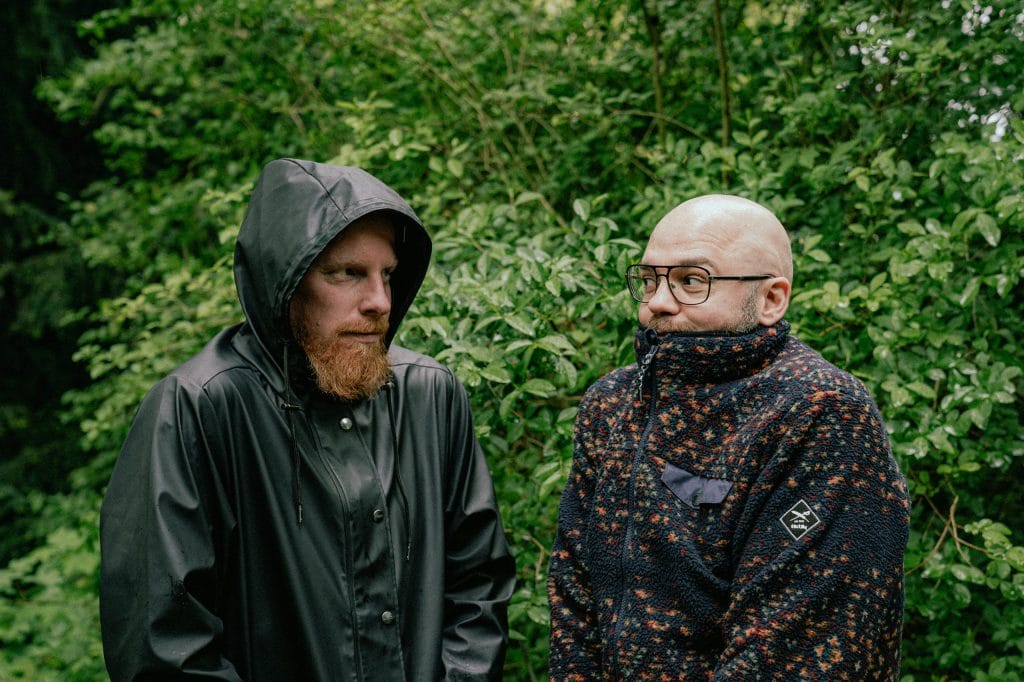
There is always something to track if you really want to. It happens a lot that we in fact don’t measure anything, but after a period of time we notice a change. That change may be in the way we write and/or create songs. Or the way our live show has been developing.
You learn from that.
So the trick would be, not focusing too much on measuring, go with the flow and stay open for new things to happen.
Do you keep any kind of log or system to track sessions or creative habits?
Sessions are mostly a file on our hard drive. So we name them, and keep everything in a folder. We can always open them and listen to the sessions we created. Creative habits they come, and sometimes go….
And it’s quite easy to remember them. If you find yourself in a creative ‘eureka’ moment, it’s hard to forget it.
How do you stay focused on the long game when progress feels slow?
First of all keeping it fun. We always remind ourselves where we come from whenever there is a ‘dull’ moment or there is a lack of fun or creativity. Making music is something we really enjoy doing, in fact making new songs is a necessity mostly, a weird obsession.
And making music is something we do for ourselves. Of course we feel very grateful that so many people around the world connect with our music.
So to sum it up: We came from seven years of creating songs for ourselves, having fun, playing for empty rooms. It’s just good to reflect on yourself and say we can handle the long run, we already did it. Let’s move forward.
Can you think of a time when being too hard on yourself actually got in the way?
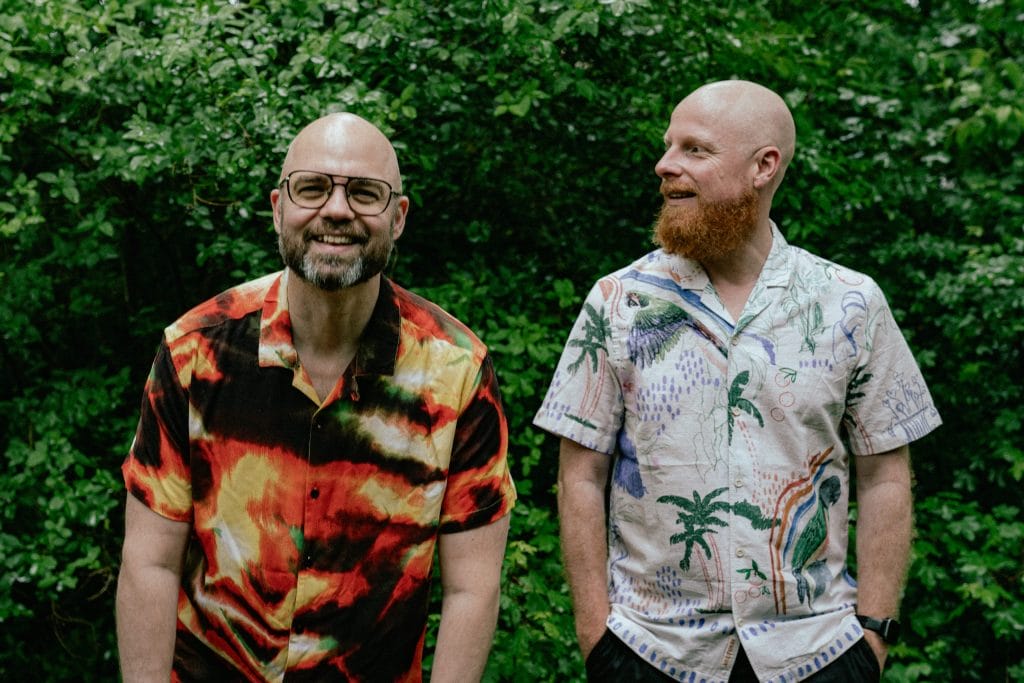
I can only talk for myself (Jordi). But this has been a struggle for most of my life. Back in 2016 it was the peak of being too hard on myself.
I got diagnosed with ADHD around that time, and I could only see the negative side of ADHD. For example: when I got distracted in a conversation and people would think that I was not interested in them. Or that I was completely obsessed with making music, but I couldn’t do any of my administration work, which caused a lot of trouble with doing taxes.
That’s where this huge buildup of self-pity began. And this also occurred in my musical career. I found myself not good enough. I was wanting a music career so badly and I didn’t succeed so I was so destructive towards myself. I remember one of the worst nights, I was in the studio, and I created the song ‘Soon You’ll Be Gone’. I could relate so much to the acapella from Thomas Oliver.
I cried a lot during the process of creating it. I’ve learned, I’m not hard on myself anymore. It’s a waste of time. Be nice and kind to yourself.
Love yourself.
Was there a mindset shift that helped you start noticing real progress?
I don’t want to think too much about progress in my music career. I think that it’s more important that there is a way of noticing progress towards yourself.
And I see a lot of that. I’ve become more conscious. I’ve become more aware, I know myself quite well, I like myself, I love myself, I’m open to new things, I love to learn. I’ve overcome most of my fears that I had for many years.
And this progress has been going on ever since in my life. But I reflect from time to time, what I do have for that is a huge archive of photos. I had many digital cameras from the year 2000. And I just look through the photos and remember my mindset.
Hero Baldwin will be joining the band for your live shows from this summer. How do you find having a new musician’s outlook inspires you? Does it push you creatively?
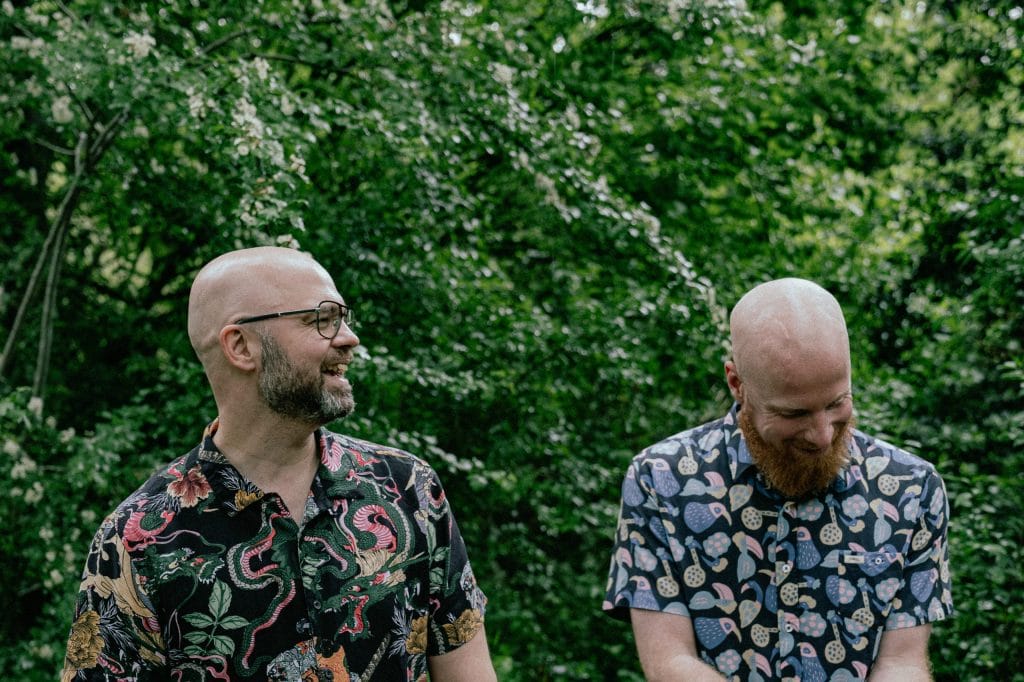
I met Hero a long time ago. Back in 2012 I had a writing session with her in Amsterdam, then we always kept in touch, we worked on several songs together.
This was eventually a very logical and new step for her to invite her for a couple of shows. So basically what I’m saying is that you don’t really ‘find’ them, you just connect with them sooner or later, and if you’re on the same frequency you will inspire each other.
With more heads in the game comes more opinions and preferences. How do you navigate things if you disagree on the direction of a track or a performance?
Trust the people you work with. If you trust them, and they have another opinion, let them have that opinion. Disagreeing and not finding a solution is only caused by an ‘ego’ conflict. Let that ego go.
What made you decide to develop the live show and bring in another person?
We have a lot of collaborations with singers and songwriters. Playing live in a band formation without any live vocalist felt a bit out of touch. It was a logical thing to do, to ask Hero since we know each other quite well.

Will Vance is a professional music producer who has been involved in the industry for the better part of a decade and has been the managing editor at Magnetic Magazine since mid-2022. In that time period, he has published thousands of articles on music production, industry think pieces and educational articles about the music industry. Over the last decade as a professional music producer, Will Vance has also ran multiple successful and highly respected record labels in the industry, including Where The Heart Is Records as well as having launched a new label with a focus on community through Magnetic Magazine. When not running these labels or producing his own music, Vance is likely writing for other top industry sites like Waves or the Hyperbits Masterclass or working on his upcoming book on mindfulness in music production. On the rare chance he's not thinking about music production, he's probably running a game of Dungeons and Dragons with his friends which he has been the dungeon master for for many years.