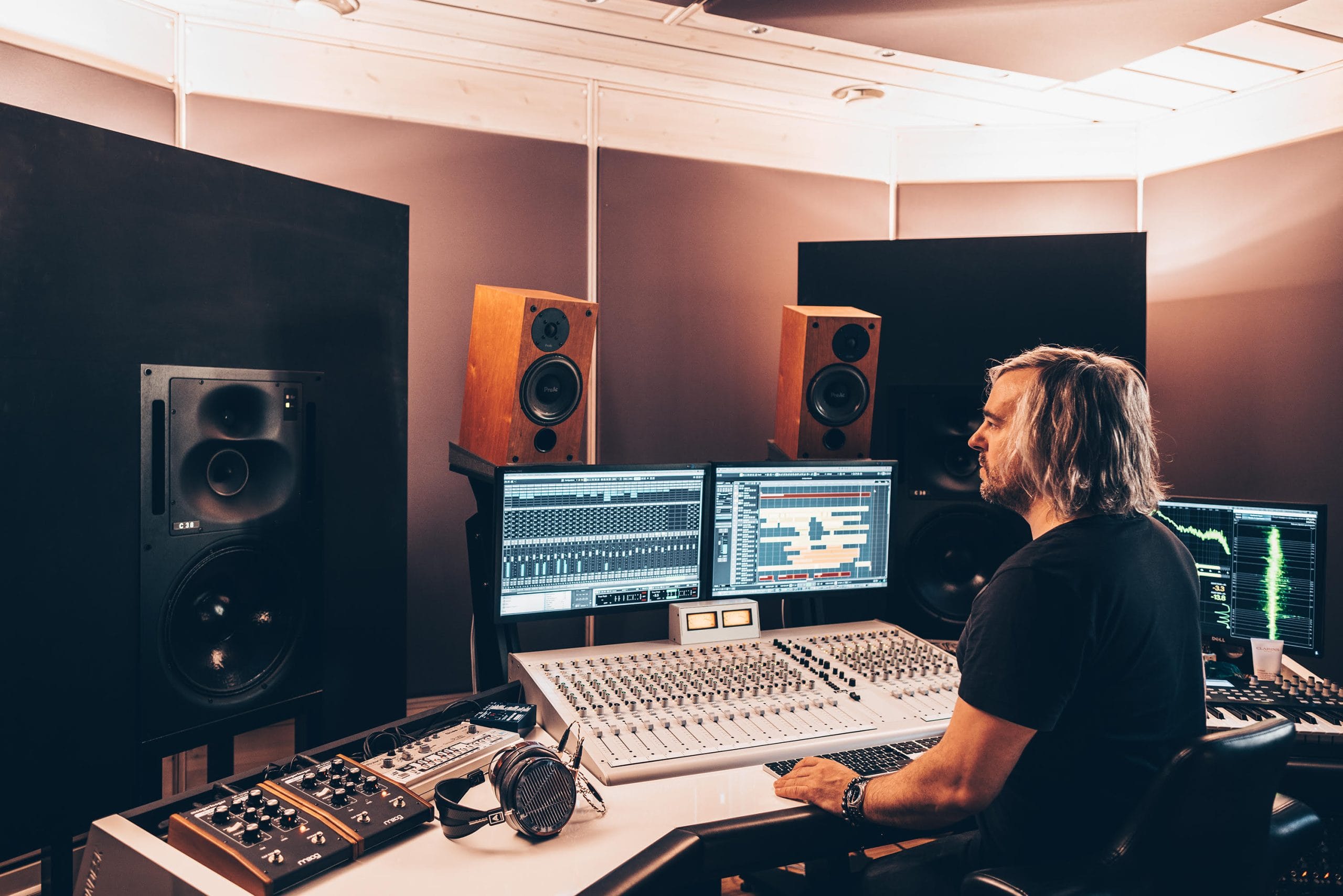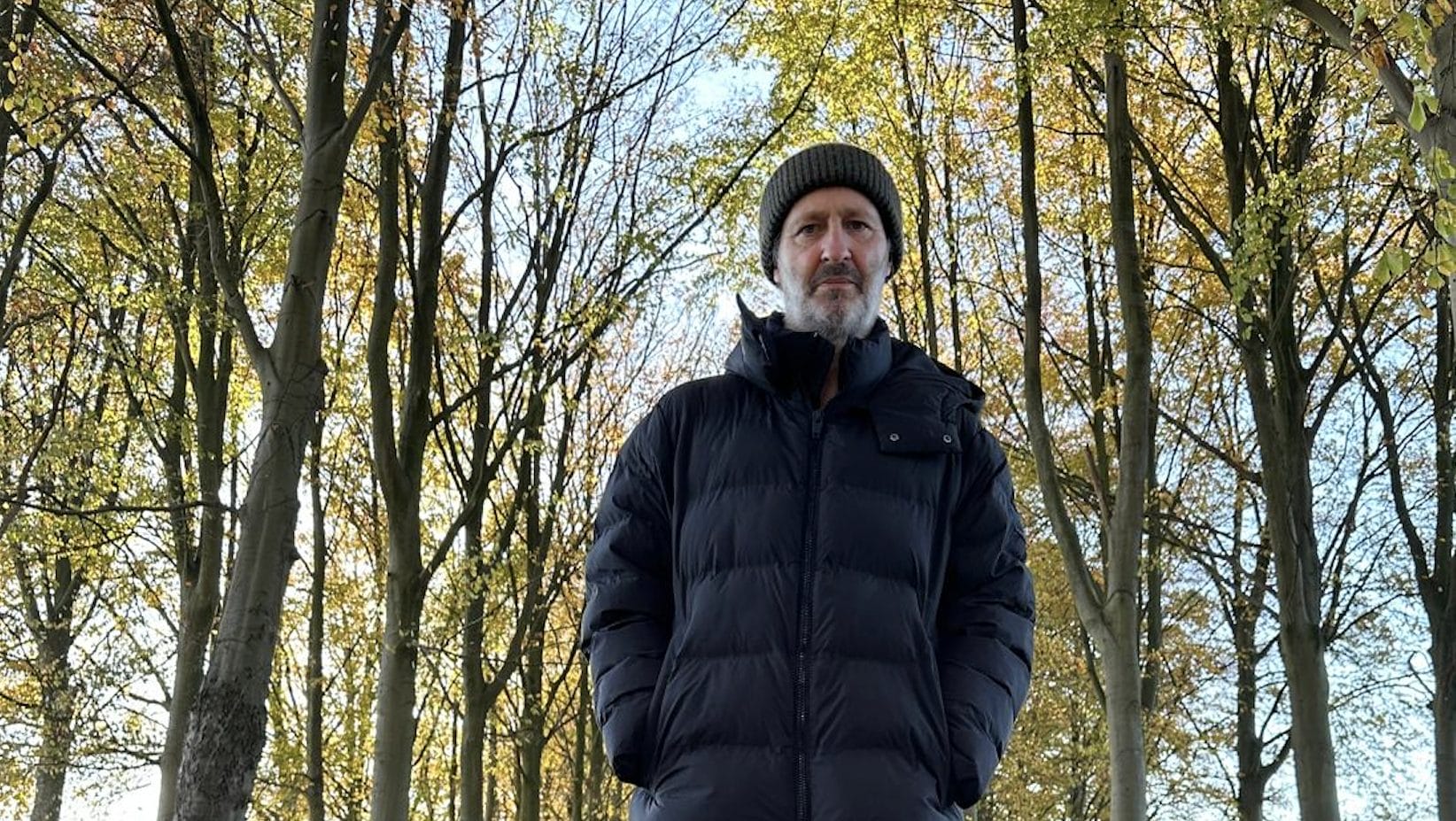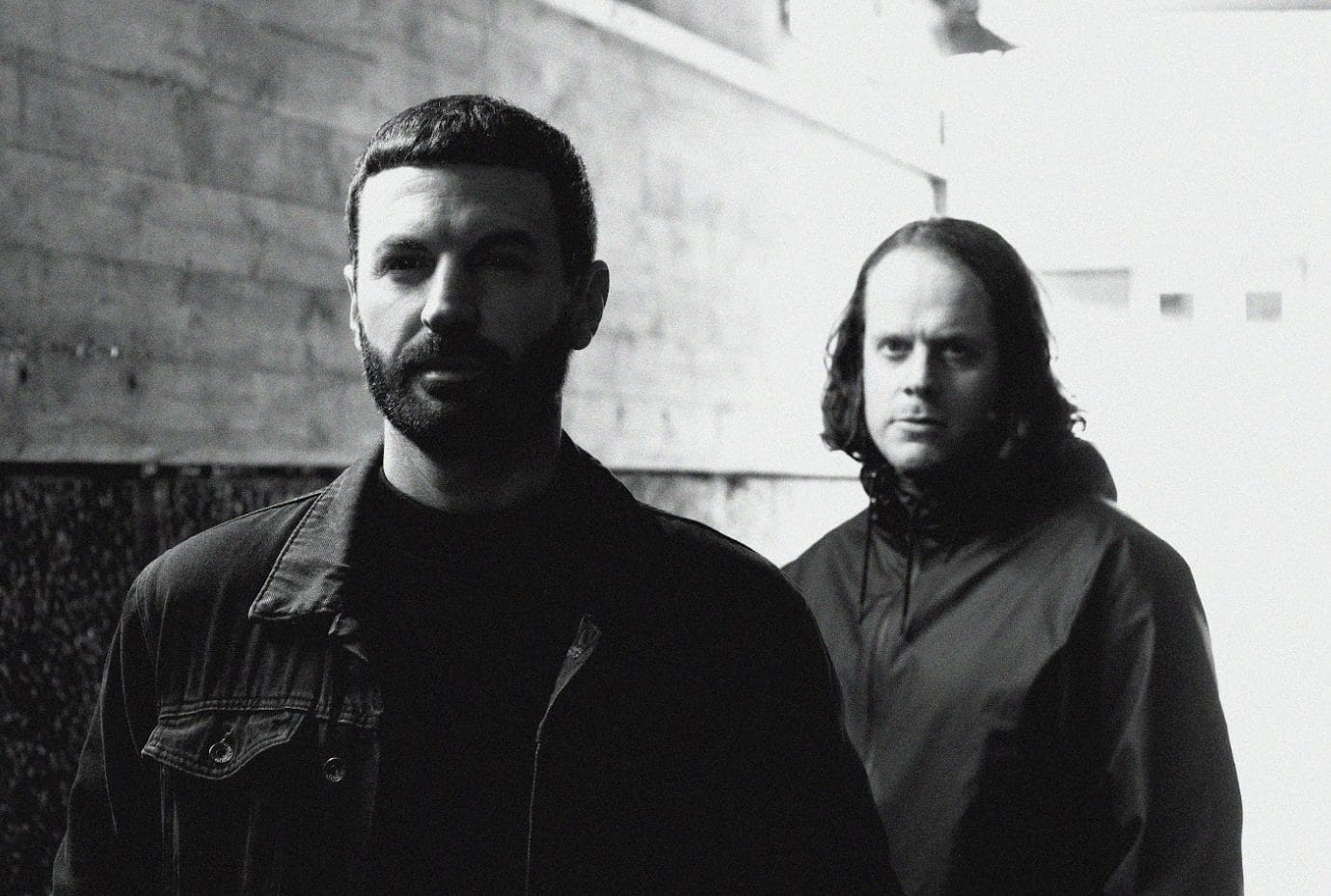
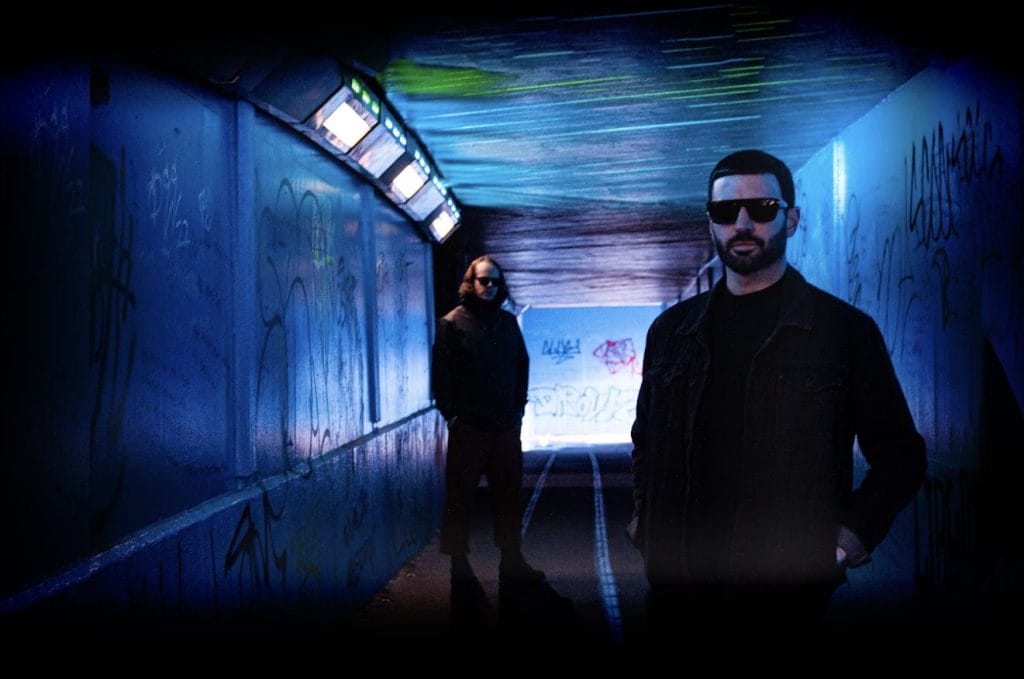
Midnite Pharmacy’s debut Becoming EP is out now on GRVTYWVS, a new label the duo built to house their evolving sound and creative direction. Blending emotional songwriting with electronic textures and live instrumentation, the three-track project captures the patience and perspective that’s defined their path so far.
In this interview, Liam and Si open up about what it actually takes to trust your process — not in the motivational poster way, but in the real-world “this still isn’t clicking but we’re doing it anyway” way. They talk about creative friction, learning how to write together, and why momentum sometimes comes from simply opening a session and finishing something, even if it’s not the perfect idea.
The Becoming EP marks a first step — but it’s built on years of showing up, getting stuck, and working through the parts that don’t always look like progress.
What’s the hardest part about trusting your own process as an artist?
Liam
For me, the hardest part is perfectionism. We’re both definitely perfectionists, and this can sometimes be detrimental — overthinking even the smallest detail can block your output! However, the process is by far the most enjoyable part, especially the creative writing stage. Creating new music and ideas can be incredibly exciting. Since we’ve been writing together for a few years now, we experience less doubt around our musical direction compared to when we first started in the studio.
Si
I’d say trying to be true to yourself and not writing for an audience. It’s so easy to step outside of yourself and get lost in how it could be perceived by the listener. Once you go down that road it’s pointless and you’ll second guess every miota.
By writing with one another we have an element of keeping within our own sound margins, but we have to be patient and allow one another’s ideas to be realised before dismissing them. It’s easy to be precious about an idea.
How do you keep going when things feel slow or uncertain?
Si
This can be a struggle. The best method can be to just get yourself in the room and spend a few minutes on an old idea, or even just play something — you often then find hours will fly by. But it’s the getting in the room sometimes. Things come in waves, almost like seasons. It can’t be forced, but can be gently persuaded. (Sometimes).
Liam
When things get tough or you feel unsure about your music, it’s best to take a break, step away from the project and give it some space. Creativity often needs time to breathe — forcing it can sometimes be detrimental.
I find that walking in nature, whether in a park or a forest, can be incredibly helpful for clearing my mind and gathering my thoughts. The change of scenery and fresh air not only help to reset my perspective but often inspire new ideas or solutions that I hadn’t considered before. Taking time to recharge is just as important as the work itself.
What do you come back to when nothing is working?
Liam
There are several ways to overcome writer’s block. Whatever thoughts you have, head to your creative space and make a start. It’s often helpful to begin off from the computer screen, focusing on your favourite instrument instead. Whether it’s the piano, guitar, synth, or anything melodic, try experimenting without worrying about the outcome.
Another approach is to revisit an old idea and play around with it. Use randomisers, modular effects, or creative tools to breathe new life into it. Ableton Live and Max For Live can be especially enjoyable for this, offering a range of effects that spark experimentation. The key is to stay curious and embrace the process of discovery.
Si
Together we jump on to an unfinished project and just get something boxed off, even if it’s a bit of arrangement. Keeps the momentum going and means we move forward.
Working alone I’ll often listen back to voice notes for some inspiration. I’ve got over 400 ideas in there, most absolute drivel and not worth the storage space. But some nuggets will jump out and get me back on it. Or just stick on some new music or something you love and remember what it’s all about.
Have you ever questioned your process and stuck with it anyway?
Si
Always! Half the ideas I have literally come to me out of the blue, in the middle of the night or when you least expect it. I’m a firm believer that we tune into a frequency somehow — that’s not to say that the frequencies are always any good, but if it’s presented itself that way I’ll try and see it through to its logical conclusion at least.
We’ve definitely stuck with ideas we perhaps should have scrapped, but it’s a good exercise to try & finish everything.
Liam
Every time I make music, self-doubt inevitably creeps into the writing process. It’s a natural part of creativity, but sometimes you just have to push through and keep going, even when you’re unsure. It’s important not to be too hard on yourself — allowing space for imperfection often leads to unexpected breakthroughs.
When has your slow approach paid off long-term?
Liam
Taking a slow and steady approach can be incredibly beneficial. It’s important to give yourself time to learn your craft and develop a clear understanding of the type of music you want to create. Building this foundation allows you to grow more confident in your sound and output, which is essential for maintaining a strong creative direction in the long term. Patience and self-discovery are key — each step you take helps shape your unique artistic voice.
Si
Yeah in complete contradiction to my last answer, we’ve had ideas that just got left for a while, but that’s usually because we’ve had to move onto a project that needs finishing. You find though when coming back to it, you’re hearing it with fresh ears and the direction can be blatantly obvious.
What systems or reminders help you stay confident in your path?
Si
I’d be lying if I said I had any solid systems other than just getting stuck in as much as possible and not being overwhelmed by the end result. It’s the old cliché isn’t it — just trying to enjoy the process, which is far easier said than done!
Liam
Not many, haha! The most important thing is to stay true to what you love — that’s what keeps you on your path. Personally, I don’t spend much time looking back or even focusing too much on what I’m doing at the moment. My attention is usually on what I can do next and how to achieve it.
What’s something that used to make you doubt yourself — but doesn’t now?
Liam
Writing songs and crafting chord progressions has been a long journey for me. It took a significant amount of time before I felt truly happy with how I approach writing chords and structuring songs. I studied songwriting at university, but even with that foundation, it took over a decade of consistent writing to fully understand my creative process and discover the sounds that resonate with me.
Although I still experience moments of self-doubt, I’ve grown much more confident in my abilities — whether it’s writing, producing, mixing or designing sounds in the studio — the more I learn the less self-doubt appears.
Si
I’ve always been confident with my writing on my own. But it’s the working together and articulating ideas which has stepped up for me. Whilst I’ve always used production software to aid in my writing and basic translation of ideas, I still prefer to be hands on with a piano or guitar. So I’ve been working more on believing my own raw production ideas and not being embarrassed to share them.

Will Vance is a professional music producer who has been involved in the industry for the better part of a decade and has been the managing editor at Magnetic Magazine since mid-2022. In that time period, he has published thousands of articles on music production, industry think pieces and educational articles about the music industry. Over the last decade as a professional music producer, Will Vance has also ran multiple successful and highly respected record labels in the industry, including Where The Heart Is Records as well as having launched a new label with a focus on community through Magnetic Magazine. When not running these labels or producing his own music, Vance is likely writing for other top industry sites like Waves or the Hyperbits Masterclass or working on his upcoming book on mindfulness in music production. On the rare chance he's not thinking about music production, he's probably running a game of Dungeons and Dragons with his friends which he has been the dungeon master for for many years.