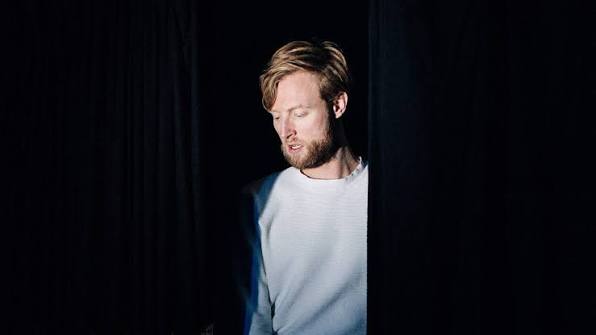
For Andreas Henneberg, gear has always been a tool for momentum—not a crutch for inspiration. Across decades of studio work and global club sets, his approach has become more refined, but never more rigid. That clarity is on full display in “Pura Vida,” a euphoric collaboration with Beth Lydi and vocalist A. Castro Ulloa, out now on SNOE. What started as a festival-born friendship in Costa Rica became a celebration of groove, connection, and uncomplicated joy—an anthem built for letting go.
Marking the 100th release on SNOE, “Pura Vida” is as much a milestone as it’s a reflection of the way Henneberg approaches every part of his creative process. From the classic Moogs within arm’s reach of his desk to his refusal to force inspiration when it’s not there, his method is all about comfort, balance, and trusting the decades-long systems that still make him want to show up and create something worthwhile.
What kind of gear tends to spark ideas for you—and does that change what kind of track you end up writing?
The worst enemy after 25+ years of writing music is to get rid of the routines. Routines made me a very fast producer in a technical aspect cause I know what I’m doing, how to get what I want and so on. On the other hand it’s a killer for inspiration and innovativeness.
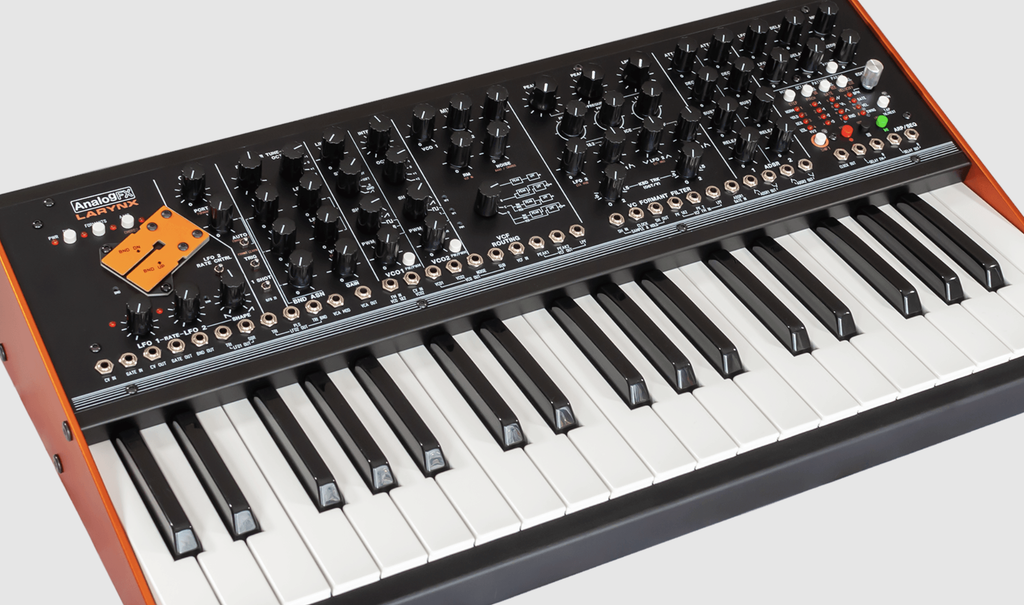
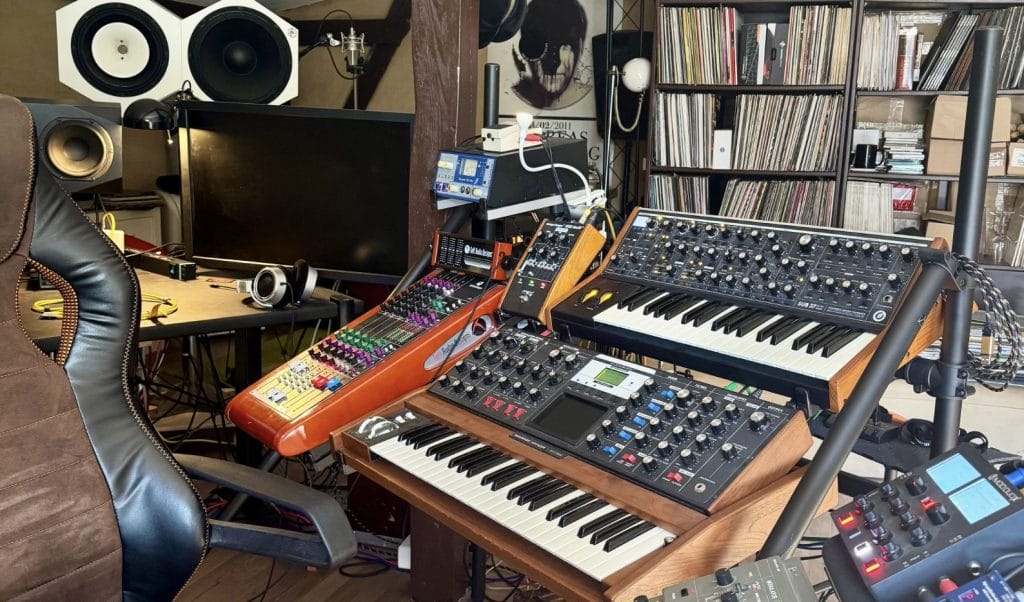
On my right-hand side I have a rack with my Minimoog and a Sub37. I love the simplicity of these synthesizers because I can get the sound that I have in mind just by screwing a few knobs. It helps me to get inspired and find the first steps into a new song. It’s a great entry point, helps to get into a certain mood and most of the time the original synth is not even part of the final song anymore.
Have you noticed your workflow shift depending on whether you’re working in the box or using hardware?
Actually no..
I started on hardware only back in the days and saw the computer as a revolution.
The computer is the centerpiece of everything. Plugins and virtual instruments became extremely good and integrating hardware is easier than ever.
So yes..
My workflow shift is definitely the time and money I save when making music, mixing or mastering. Instead of spending thousands of € on a hardware compressor, I have a reliable, fantastic sounding choice of software dynamics that is doing the same thing on all my channels at the same time if needed. With total recall and without symptoms of age. The haptic on musical instruments such as synthesizers, guitars, etc. is another sheet of paper. I’m faster on the knobs and less creative on the mouse.
Are there any pieces of gear you’ve had for years because they help you get started faster?
Yes!
I’m not a collector at all and I try to get rid of the stuff I don’t work with that much. My studio is reduced to the gear I really wanna use. Everything has its place, is easily accessible and well routed into the studio environment. I bought my Jomox X-Base09 around 25 years ago and I still use the analog snare with the fantastic pitch and modulation possibilities. Same with the Nordlead 2 for crazy LFO games or the Roland Juno for these 80’s synth basses if needed.
To answer the question: it really helps me to know my gear and reduce myself to the important plugins and/or devices to get started faster.
How do you decide when to try something new versus sticking with what you know works?
As soon as I get stuck in the creative process I choose between 2 players:
- Get out of that comfort zone, try something new, play the flute backwards or switch to 3/8. Whatever it takes..
- Save the project, shut down everything, go home, empty the dishwasher and vacuum your living room.
If I really get stuck while writing or arranging it helps to export the sketch and listen to it again the next day in a different surrounding, like on headphones or in the car on the way to the studio.
I really think there are signature sounds, techniques and grooves which makes everything sound like a Henneberg production without me knowing or realizing it. That’s an automated process I rely on and which formed itself over the years of making music. In the mix & mastering process I stick with my knowledge, tools and routines because that’s how I want everything to sound.
Do specific tools make you more experimental—or more focused?
Absolutely.
It’s a 20-minute drive from where I live to get to my studio. I’m using the time to get inspired, listen to music, get into a vibe or just analyze the stuff I worked on the day before. Usually I’m pretty focused when arriving in the studio with lots of ideas in my head. I try to push all the emails and social media stuff at least to midday instead of injecting all this at the beginning of the day.
Happy accidents are very welcome in the experimental or creative process as well. One machine for that purpose is my Arp Odyssey which is always surprising and giving.
But ultimately it’s the beautiful sounding speakers that keeps me focused and makes me more experimental. The trust in my monitoring setup is the most relaxing and calmative tool I could imagine.
When you hit a wall creatively, do you ever switch up your tools to reset your brain?
How to reset a creative brain again? If I’m not vibing, I’m not vibing. I go home, hit the sofa or do some technical work in the studio when I hit the wall creatively. It makes no sense to force something ‘cause I may delete it the next day anyhow. I don’t care about deadlines. If it’s not good, it’s not ready to ship. Basta.
The cool thing is that I use the same combinations of tools or instruments for all the different genres I’m in. I write music played by full philharmonic orchestras and I include the same roaring Moog I would use on a raging club tune. That usually helps me to stay focused and to keep me vibing to what I work on.
How much of your current setup is based on feel vs. practicality?
Everything 100% on comfort. The internal and external routing of my studio gear is very well elaborated and practical. I’m working with Steinberg Cubase since the very first version on Atari and I know this DAW inside out. The positioning of my hardware synths, effects and gear is very comfortable and easily accessible. The sound is fantastic and my inner monk is more than happy.
Everything feels practical.

Magnetic byline note: This byline is used for staff produced updates and short announcements, often based on press materials and official release information. Editorial responsibility: David Ireland (Editor in Chief) and Will Vance (Managing Editor). About: https://magneticmag.com/about/ Masthead: https://magneticmag.com/masthead/ Contact: https://magneticmag.com/contact/