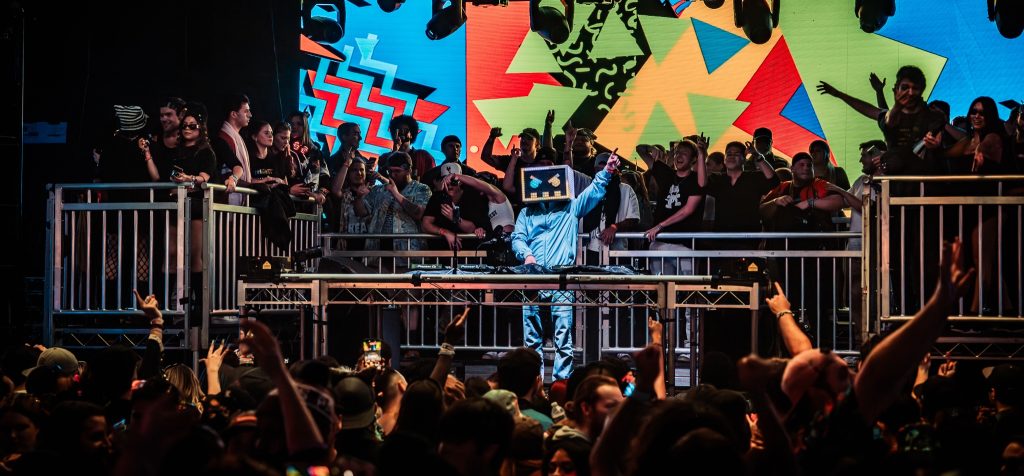
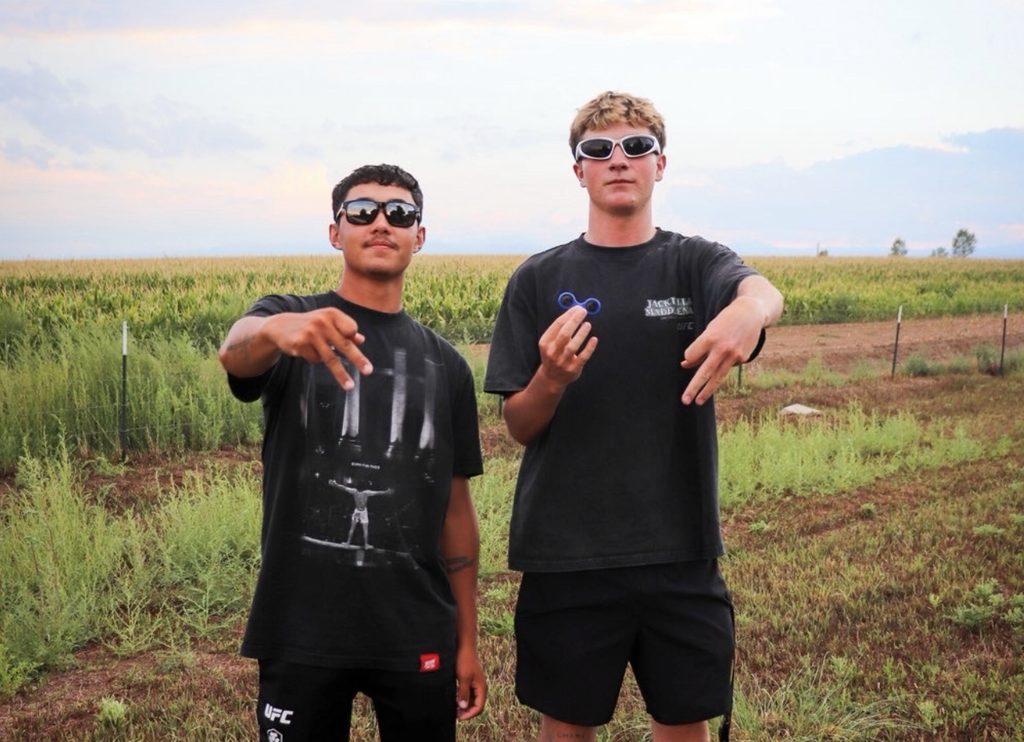
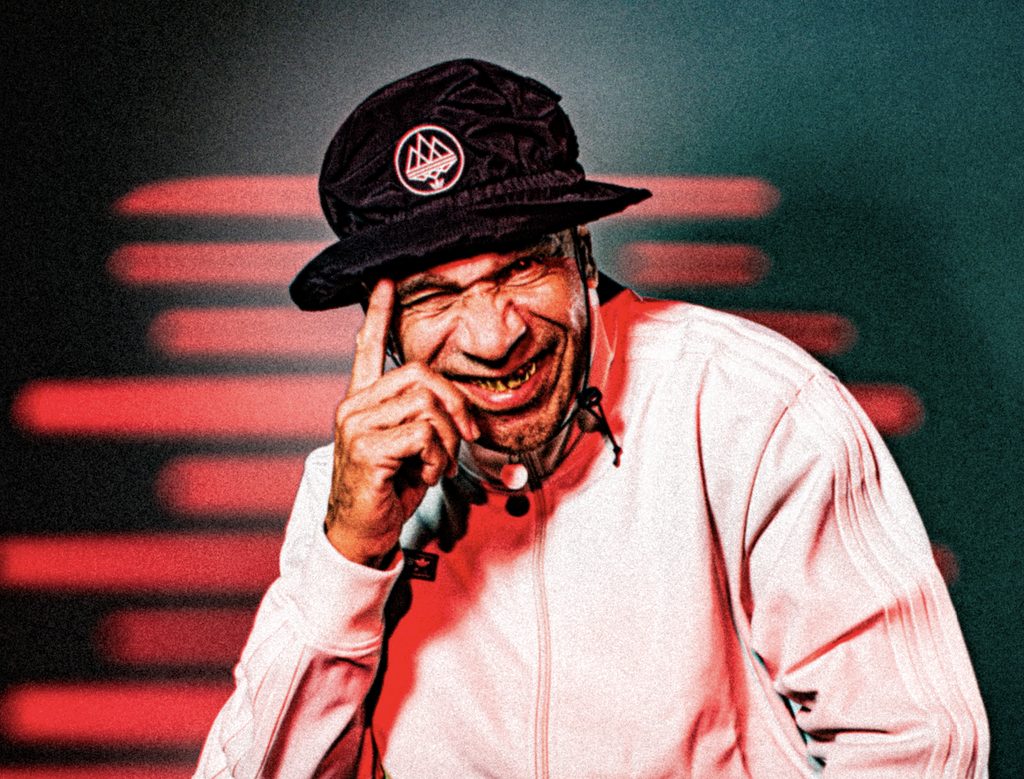
When you’ve been in the game as long as Nihil Young, you start to notice patterns—what fades, what sticks, and what compromises aren’t worth repeating. His new collaboration with Xenia Dia, Neon Ghost, premiered this week on Magnetic and lands as one of those tracks that feels dialed in from every angle. It’s sleek without sounding sterile, emotional without leaning too far into sentimentality. Released via Frequenza, the single pairs Nihil’s clean, high-pressure production style with Xenia’s melodic instincts, creating something that feels tightly controlled but still human.
Nihil’s had a long run of consistent releases on labels like Purified, Realm, and Enhanced Music, and you can hear that polish immediately. But what makes this release more interesting is where his head’s at behind the scenes. In the interview below, he gets candid about the lines he won’t cross, the regret that still lingers from a past collaboration, and why he’ll never chase market trends just to stay visible. It’s a rare, no-bullshit look into the mindset of a producer who knows exactly who he is—and who’s not afraid to pull back the curtain on how he keeps it that way.
This conversation isn’t about plugins or DAW workflows—it’s about intuition, integrity, and navigating an industry that constantly rewards conformity. Nihil doesn’t sugarcoat his experiences, and that honesty adds weight to everything you hear in Neon Ghost. If you’re an artist trying to figure out where to draw your lines—or someone who’s compromised too many times—this one’s worth your time.
What do you believe is true about music, no matter what?
I believe music is one of the last truly universal languages. No matter what culture, era, or emotion you’re coming from, there’s a piece of music that can meet you where you are. It bypasses logic and hits the heart directly. That connection—between people, between moments—is something no algorithm or trend can fake.
To me, music is a kind of truth that doesn’t lie, even when it’s messy or abstract. It’s a mirror, and sometimes a shelter, for what we can’t say with words. That’s what makes it sacred to me.
How do you stay anchored to your creative values?
To be honest, I don’t have rituals or strict rules. It’s not like I light candles or chant affirmations to stay “true.”
Sometimes, I just have to make music—it’s like breathing or processing what I’m living. That need alone keeps me grounded. I don’t really overthink “values” in the moment, but when something doesn’t feel like me, I know it right away. It’s more instinct than structure. It’s more like I can feel when something’s off, like a wrong note in my gut.
The sound tells me when I’m drifting too far from my center. I think staying anchored isn’t about control—it’s about letting your truth come through, even in the chaos. And I trust that part of myself, even when the rest feels uncertain.
Have you ever compromised your beliefs in a project and regretted it?
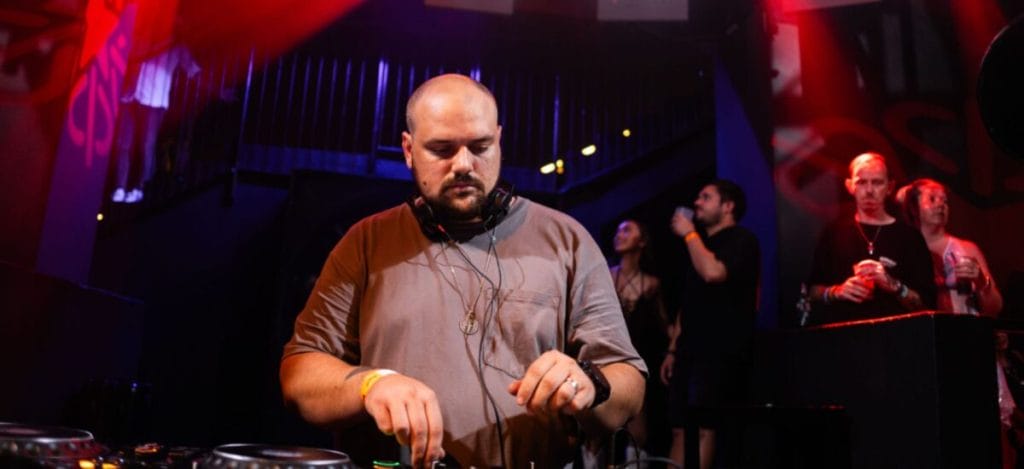
Yes, I have. There was a time when I said yes to a collaboration just because the other guy had a big following. I ignored a gut feeling—and even clear, vivid dreams—that the connection wasn’t right, musically or personally. The result was something polished but hollow—not to mention I ended up being exploited. It didn’t reflect me, and I couldn’t stand behind it. That experience taught me that no amount of exposure is worth diluting your voice.
I learned to say no—even to big opportunities—if they don’t align with who I am. Regret is a powerful teacher.
What helps you hold your ground when outside opinions get loud?
I remind myself that outside opinions are often based on someone else’s fears or projections. I also try to ground myself in the idea that I’m not creating for everyone, I’m creating for someone—someone who will understand and need what I’m expressing. That helps me stay focused. I keep a few messages from listeners who’ve said my music meant something to them. Reading those brings me back when I feel shaken.
And honestly, solitude helps too. When I spend time alone in silence, I can hear my own thoughts again.
How has your creative philosophy changed with experience?
At first, I believed everything had to be perfect and polished. I used to chase this imaginary idea of what “professional” should sound like. But now I value vulnerability much more than perfection. I’ve realized the most powerful music often carries imperfections—it breathes, it bleeds a little.
Over time, I’ve become more courageous in letting my true self show in the music. My philosophy now is: if it moves me, it will move someone else. That shift gave me more freedom than any plugin or technique ever could.
Do you ever put your values ahead of market trends?
Absolutely. I’m not interested in chasing the latest sound if it doesn’t resonate with me. Trends move fast, but I want my music to age well—to still feel honest years from now.
That only happens if it’s rooted in truth. I’d rather have a smaller, loyal audience who connects with my sound than a huge following built on compromise. It makes me cringe when I see artists switching sounds like outfits—doing afro house in the summer or whatever’s trending just to stay visible. I get the game, but I can’t play it like that. Integrity always comes first.
I often end up doing the opposite of what’s trending. I’ll play new stuff to other artists and they’ll say things like, “Progressive house isn’t selling right now.” And I’m just like—so what? What does that even mean?
What’s something you’ll never do, even if it meant more success?
I’ll never pretend to be someone I’m not. I won’t fake a persona just because it might attract more attention or play into what’s trendy. My story, my background, even my silences—they’re part of my music. To erase or exaggerate that for clout would make the whole thing feel hollow. I also won’t make music I don’t believe in just for streams or syncs.
That kind of success would feel like failure in disguise. I’ll never send a demo to labels with agendas that go completely against what I stand for. And I avoid putting my private life or political opinions on display—because honestly, it’s incredibly stupid and cringe when a producer or DJ acts like their opinion is somehow essential or enlightening.
I’m here for the music, not to preach. And lastly, even though I’ve learned a lot as a producer, sound designer, and mixing/mastering engineer—unless I have the mathematical certainty that I’m perfect at what I do, you’ll never catch me online handing out garbage advice like so many do just for likes, views, or to sell their products. That’s a hard no.

Will Vance is a professional music producer who has been involved in the industry for the better part of a decade and has been the managing editor at Magnetic Magazine since mid-2022. In that time period, he has published thousands of articles on music production, industry think pieces and educational articles about the music industry. Over the last decade as a professional music producer, Will Vance has also ran multiple successful and highly respected record labels in the industry, including Where The Heart Is Records as well as having launched a new label with a focus on community through Magnetic Magazine. When not running these labels or producing his own music, Vance is likely writing for other top industry sites like Waves or the Hyperbits Masterclass or working on his upcoming book on mindfulness in music production. On the rare chance he's not thinking about music production, he's probably running a game of Dungeons and Dragons with his friends which he has been the dungeon master for for many years.