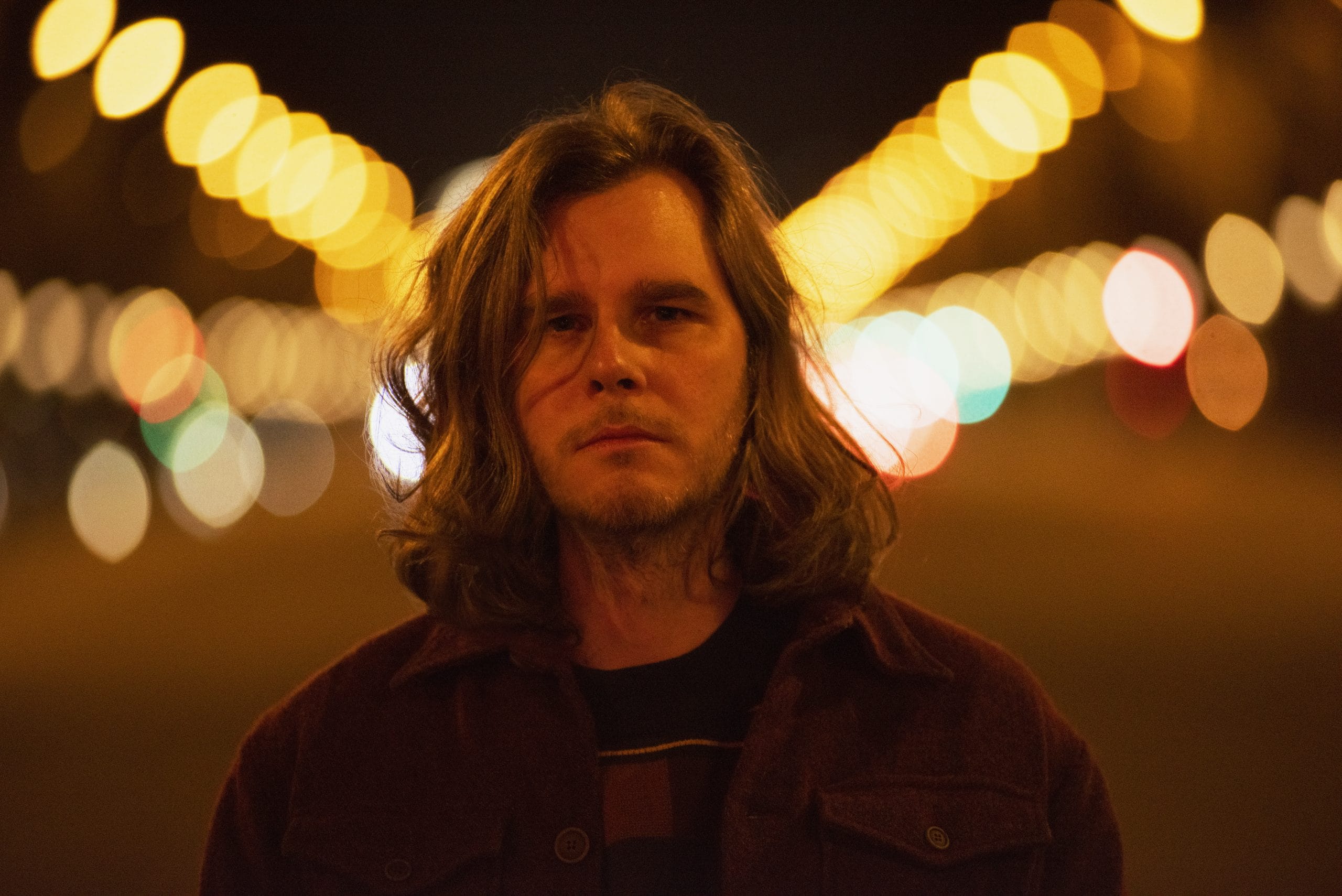
For many artists, streaming feels like the end-all-be-all. For millhope, music is more than that.
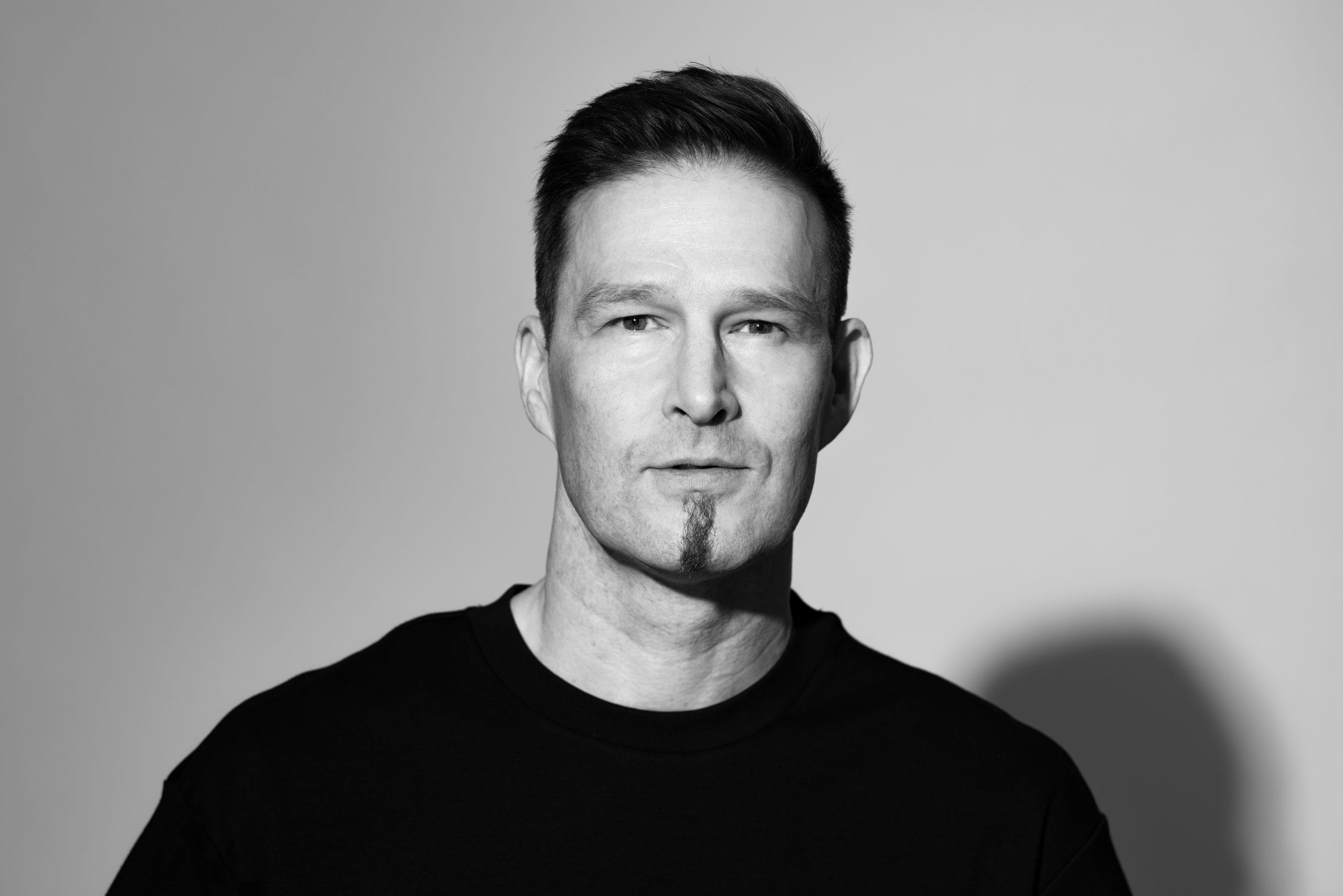
On March 7th, German artist millhope, real name Thomas Mühlhoff, released his debut album, Truth and Dare, through Hey!blau. It’s a triumphant record, seamlessly blending sounds of chillwave, downbeat, and ambient rock. Throughout the album’s runtime, millhope blends normal, everyday sounds into every track to give the album an air of authenticity. Synths blend perfectly with washed out guitars, creating a once-in-a-lifetime listening experience. Two artists from the American label Ghostly International also provide remixes, with Lusine remixing “Daydream” and Rafael Anton Irisarri, who also mastered the album, remixing our personal favorite track “Green Yellow Yellow.”
But, to millhope, this is far more than an album to be consumed on streaming platforms. He’s chosen to release the album in several physical formats, including a CD, a cassette, and a meticulously crafted picture disc. He’s also created a small cardboard figure lying on an air mattress that can be played on the vinyl record as it plays; it will drift across the player as the album plays, symbolically representing the musical journey that this album, in itself, is.
We recently sat down with millhope to get his thoughts on the current streaming-focused state of electronic music culture, as he clearly only sees streaming as part of the end result. So, put on Truth and Dare, and read on to see what a truly visionary creative has to say.
Do you think streaming culture limits how people experience music, or do you see it as just one piece of a bigger picture?
Music has always evolved alongside the way it is performed and listened to. Historically, the listening environment shaped the way music was composed—take classical music, for example. As opera houses grew larger, composers had to adapt their music to ensure it could be heard clearly, influencing both orchestration and even venue architecture.
I see streaming as part of an adaptive evolution of music consumption. Unlike a linear progression where old formats disappear, we actually live in a time where nearly all forms of listening coexist: sheet music, vinyl, cassettes, CDs, downloads, and streaming—they all still have their place. Instead of replacing each other, these formats seem to complement different listening habits and preferences.
That’s something I keep in mind when producing my music. I want it to feel right in every format—whether it’s the intimate headphone experience of streaming, the tactile joy of vinyl, or the aesthetic and physical presence of a beautifully designed package. I enjoy finding what makes each format special and embracing it, rather than seeing them as competing.
Do you think people still want physical connections to music, or is everything moving toward digital-only?
For me, physical music is still very important. I love the feeling of putting on a vinyl record, holding an album in my hands, or even just seeing my collection grow over time. That connection to music goes beyond just listening—it becomes an experience, something personal and real. The fact that vinyl and even cassettes are making a comeback shows that a lot of people feel the same way.
At the same time, I also appreciate the freedom that digital music brings. I use streaming and digital platforms to discover music, but when something really resonates with me, I want to preserve it in the best way possible—physically. That’s why I keep a lossless archive of my favorite albums and buy records or CDs of the music that truly matters to me. I don’t want my access to those highlights to depend on whether a streaming service decides to keep them available.
That said, I also love how digital music strips everything down to its essence—just sound, pure and intangible. Sometimes I think that this might actually be the purest time to experience music, because it’s no longer tied to a physical object. Music exists in the air, in headphones, in the moment.
And one thing I really appreciate about streaming is that it has removed financial barriers to discovering music. When I was younger, what I could listen to was limited by what I could afford to buy. Now, anyone can access an entire universe of music instantly. That’s a huge cultural shift, and I think it’s something worth celebrating.
So for me, it’s not about choosing one over the other—I love both. I enjoy what makes each format special, and I try to embrace the strengths of each one in the way I release my music.
How do you see merch, art, or other physical mediums playing a role in the way you present your music?
For me, it’s crucial that my music exists not just as sound, but as a Gesamtkunstwerk (total work of art). With my latest album, Truth and Dare, I wanted to bring that idea to life. The limited edition of the vinyl in the Picturedisc version is more than just music; it’s an extension of the themes in the album. The music itself is about daydreaming, drifting, and stranding, and I wanted to translate that feeling into something physical.
That’s why I created the Groove Drifter—a small, cardboard figure that floats on an air mattress, drifting towards an island on the vinyl’s surface. As the record spins, the figure moves across the disc, telling a visual story that mirrors the album’s themes. What I find particularly exciting is that each side of the Picturedisc has an endless groove, which means the sound loops continuously, keeping the listener in a state of drift. And what I love most about it is that each side represents its own unique island world, with a different sonic landscape that reflects the different moods of the album.
The most important moment, though, is when you choose to step away from the dream world and look around on the stranded island. That’s the crucial transition—the point between dream and reality. When you decide to leave the loop and move into the waking world, that choice defines the rest of the experience. It’s the key to how you connect with the music and the world it creates.
This is why I believe physical formats—like this limited edition vinyl—offer a much richer experience. While streaming is great for quick access, engaging with the record physically and being present with the music allows you to experience the story and the transition in a deeper way. It’s not just about hearing the sound; it’s about stepping into a world and deciding when you want to leave it, which is something only a physical format like this can offer.
So for me, art, merch, and physical formats are more than just extras—they’re essential to how I present my music. It’s about creating an experience that extends beyond listening. It’s about feeling, seeing, and fully connecting with the music in a way that streaming just can’t replicate.
What’s your take on music as a social experience—do you think fans connect more when there’s something beyond just listening?
Absolutely. I believe that music has always been, and should continue to be, a social experience. It’s not just about the sound itself but about the context, the shared moments, and the feeling of belonging to something larger. Music has this unique power to bring people together—whether that’s at a live show, through shared listening experiences, or even through physical mediums like vinyl, where fans can connect not just with the music but with the artistry, the story, and the object itself.
For example, when fans buy a physical album, especially something like a limited edition vinyl with artwork and a special feature, it’s not just about owning a copy of the music. It’s about participating in something. They’re becoming part of a community that values the same experience, and they’re connecting on a much deeper level than simply playing a song on a device. The way the packaging feels, the visual elements that accompany the music, and even the act of unboxing or displaying the vinyl—it’s all part of the ritual that enhances the connection between the music and the listener.
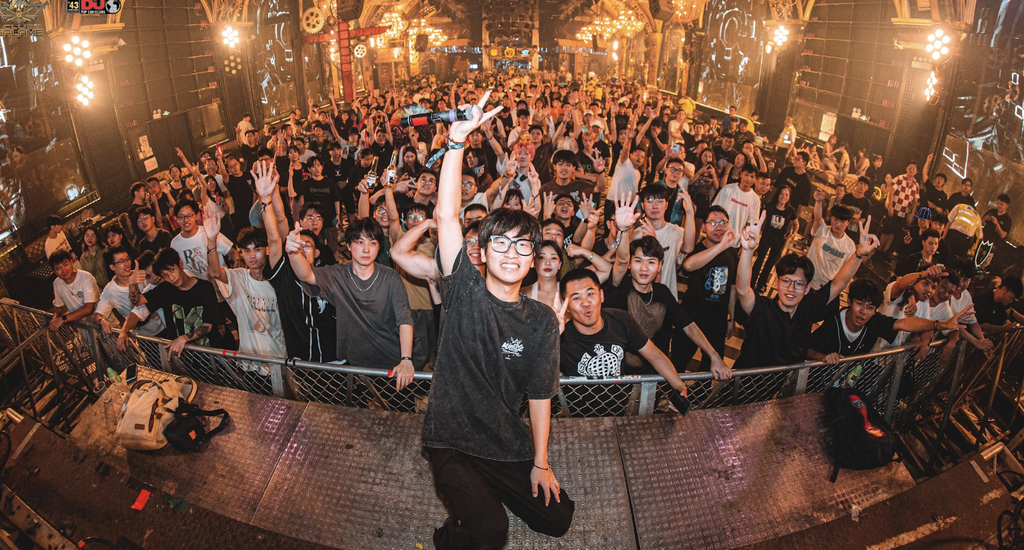
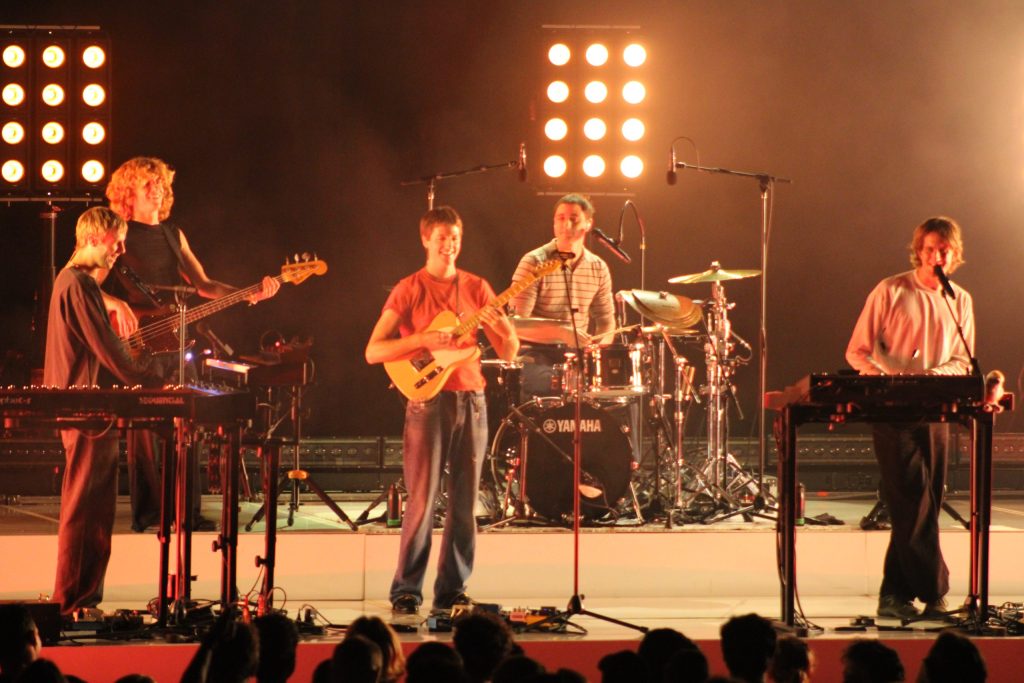
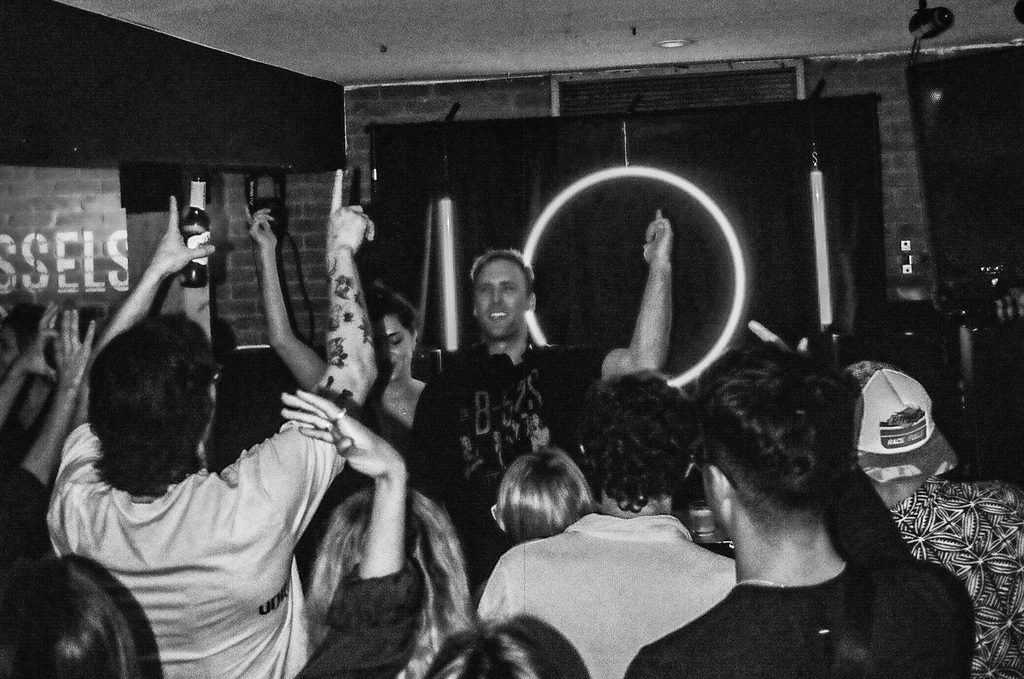
When it comes to concerts or live shows, there’s nothing quite like the energy that comes from a crowd experiencing the music together. It becomes more than just listening; it becomes a shared moment of emotion, of release, of community. Fans connect not just through the music but also through the energy in the room, the collective experience, and the unique, fleeting nature of the moment.
That’s why I think music is always at its best when it’s part of a greater experience—when it transcends just being “background noise” and becomes a means of connection, of conversation, and of collective memory.
How do you keep yourself from falling into the trap of making music that’s just optimized for streaming algorithms?
For me, the best “algorithm” is sharing. When people connect with your music, they’ll share it—and that’s when the algorithm does its thing naturally. I don’t see the point in trying to fit my music into an algorithm or a trend. Sure, streaming platforms are an important tool for discovery, but they’re not going to dictate my creativity. What matters to me is creating music that feels authentic and real, because I believe that’s what resonates with people.
When you make something true to who you are, the right audience will find it. And once they do, they’ll share it with others—and that’s when the snowball effect begins. It’s not about chasing what’s popular right now. It’s about building a community of people who truly get what you’re doing. If you try to optimize for trends, you lose the deeper connection that’s at the core of what music should be.
Music is more than just sound; it’s about the experience and the emotions it evokes. And that’s what I focus on—creating something that speaks to me first. If I’m honest with myself and my audience, I know it will find its place in the world, no algorithm required.

If you could give advice to artists who feel stuck in the cycle of “release, stream, repeat,” what would it be?
When you feel stuck, it’s often because something doesn’t feel right—the music might be flowing, but the outside world feels overwhelming, like it’s drowning out the joy of creating. My first piece of advice would be: Don’t let the external noise drown out your inner music. The feeling of being stuck is often a sign that there’s more to discover. Trust that feeling.
In today’s world, it’s easy to get consumed by the pressure to constantly release music, stay visible on social media, and fit into the streaming world. Every day, hundreds of thousands of songs are released, and the pressure to be seen and heard can be suffocating. But is it worth letting that sense of external overwhelm overshadow the pure feeling of making music? It’s important to ask yourself that. Music is a reflection of who we are, and when we focus too much on external expectations, we may lose touch with the deeper meaning of our work.
It takes a certain inner strength to look through all the noise and see the light at the end of the tunnel. But that light is there, especially when you stay true to what you love. Think about the journey you’ve already been on: you’ve learned instruments, developed your craft, been creative, and poured your soul into your music. That’s incredibly powerful. Don’t let the constant cycle of “release, stream, repeat” steal the magic of that process.
Sometimes, you just need to pause, take a deep breath, and reconnect with the reason you started making music in the first place. You’re not just part of the noise—you’re part of something bigger, something deeper that connects us all. And if you trust in that, you’ll find that the right people will find you. It’s not about constantly chasing visibility. It’s about creating from a place of authenticity and intention. The right people will find your music, and from there, everything will fall into place.
Check out this short video made by millhope about the aforementioned picture disc!

Ben Lepper is a music producer and journalist from Boston, Massachusetts.