







Table of Contents
Arctic Monkeys’ “Do I Wanna Know?” feels like one of those songs that sticks with you long after you hear it. It’s got that unmistakable riff, sure, but it’s really the lyrics that hit hardest—the questions, the self-doubt, the emotional back-and-forth. This isn’t just a love song; it’s a snapshot of vulnerability, obsession, and the messy gray areas of relationships.
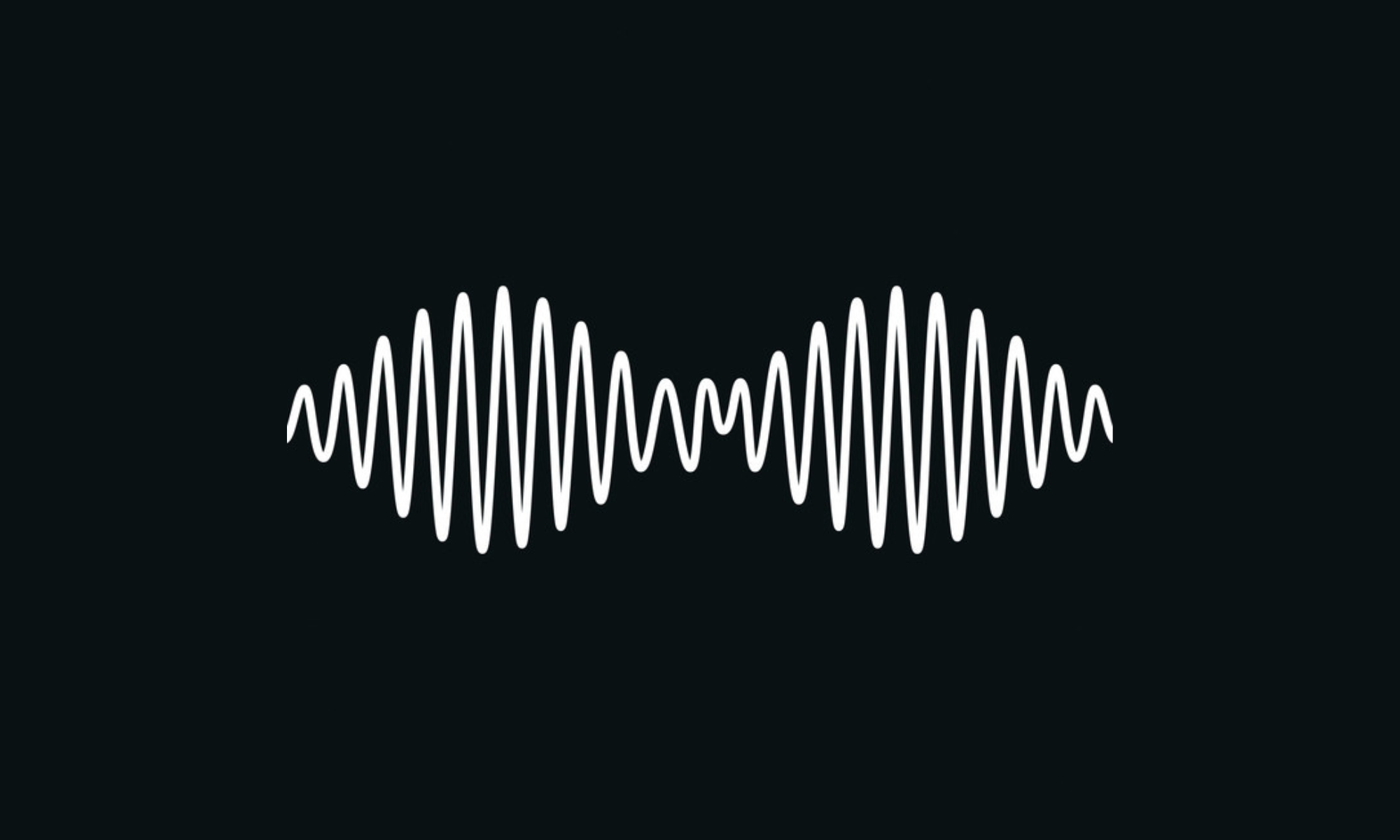
This song came out during the AM era, which is often seen as the band’s big breakthrough on a global scale. Tracks like “Do I Wanna Know?” and “R U Mine?” helped define that moment, blending heavy basslines and slick production with lyrics that felt like late-night thoughts you’d never admit out loud. What makes this song even more interesting is how it fits into Arctic Monkeys’ journey as a band. Frontman Alex Turner has said in interviews that he often revisits their older work, deciding which songs still resonate and which ones to leave behind.
For example, tracks like “Fluorescent Adolescent” from earlier albums were left off setlists for years because, according to Turner, they didn’t feel as relevant anymore. But “Do I Wanna Know?”? It’s stayed a mainstay because it taps into something more timeless.
Using my background in English literature and creative writing, I want to explore the lyrics of this song through a literary lens. These are just my personal thoughts, but I think it’s a great excuse to stretch some comparisons to classic poetry and modern storytelling. Themes like uncertainty, obsession, and those fleeting moments of nighttime honesty aren’t new— and by drawing these connections, I hope to shed a different kind of light on what’s really going on in this track.
Do I Wanna Know? At a Glance
- Uncertainty Hits Hard: The song dives into the universal fear of unspoken feelings and wondering if the person you’re into feels the same way.
- Obsessive Loops: From playing songs on repeat to crawling back despite knowing better, it captures how love keeps us stuck in cycles.
- Nighttime Truths: The lyrics explore how emotions and confessions feel easier at night but harder to face in the morning.
Do I Wanna Know? Artic Monkeys Lyrics

Do I Wanna Know? Artic Monkeys Meaning
“Do I wanna know if this feelin’ flows both ways?”
This question hits right at the heart of the song. It’s all about the fear of unreturned feelings. The speaker isn’t sure if the person they care about feels the same way, and that uncertainty creates a lot of emotional tension. They’re asking a big question but are too afraid to come out and say it directly to the other person.
This reminds me of Philip Larkin’s poem Talking in Bed, where he writes:
“Talking in bed ought to be easiest,
Lying together there goes back so far.”
Larkin’s words highlight how even when two people are close, communication can be tough. In the song, the speaker is dealing with the same problem—they want to know if their feelings are mutual, but they don’t know how to bring it up. That tension, the gap between wanting to connect and not knowing how, is at the center of both the song and the poem. It’s a universal feeling, and I think that’s what makes these lyrics so relatable.
“There’s this tune I found that makes me think of you somehow”
Here, the speaker uses music as a way to process their emotions. They play the same song over and over because it reminds them of this person. It’s like they’re trying to hold onto those feelings and make sense of them at the same time.
This kind of fixation reminds me of James Fenton’s In Paris With You. In the poem, Fenton talks about being stuck in an emotional loop, just like the speaker in the song. One line stands out:
“If we say sod off to sodding Notre Dame,
If we skip the Champs Elysées
And remain here in this sleazy old hotel?”
Both Fenton and the speaker in the song are hyper-focused on one person. They don’t care about anything else—their thoughts and actions keep circling back to the same place. Playing a song on repeat, like in the lyrics, becomes a way to deal with those overwhelming feelings. It’s about trying to stay connected, even if only through a memory or a moment.
“The nights were mainly made for sayin’ things that you can’t say tomorrow day”
This line is so powerful because it shows how people feel braver at night. The speaker is admitting that the nighttime gives them the courage to express feelings they wouldn’t dare bring up during the day. It’s like they know the truth is fleeting—it’s easier to say something in the dark, but it’s hard to face it in the light.
Thomas Hardy explores a similar idea in his poem Neutral Tones. He writes:
“Since then, keen lessons that love deceives,
And wrings with wrong, have shaped to me
Your face, and the God-curst sun, and a tree,
And a pond edged with grayish leaves.”
Hardy reflects on the regret of unspoken truths, much like the speaker in the song does. Both the poem and the lyrics deal with missed opportunities—moments where emotions could have been shared but weren’t. The nighttime in the song becomes a symbol for fleeting honesty, just like Hardy’s gray, lifeless imagery represents lost chances.
“Crawlin’ back to you”
This repeated line shows the speaker’s vulnerability. No matter how many times they try to move on, they keep coming back to this person. They feel drawn to them, even though they know it might not end well. It’s a cycle of hope and regret, where they can’t help but revisit the same feelings.
This ties back to Hardy’s Neutral Tones again. In the poem, he reflects on a past love and how it left him stuck in a loop of sadness and reflection:
“Your face, and the God-curst sun, and a tree,
And a pond edged with grayish leaves.”
Both the poem and the song show how hard it is to let go of someone, even when the situation feels hopeless. The speaker in the song admits their weakness—they’re “crawling back,” knowing they might get hurt but unable to resist. It’s a raw and honest portrayal of love’s pull.
Connecting All The Dots
One of the most striking things about “Do I Wanna Know?” is how it captures the hesitation and vulnerability that come with unspoken feelings. When Alex Turner asks, “Do I wanna know if this feeling flows both ways?” it’s not just curiosity—it’s fear. There’s a risk in wanting that answer, in exposing yourself and potentially not liking what you hear. It reminds me of Philip Larkin’s line in Talking in Bed:
“Talking in bed ought to be easiest,
Lying together there goes back so far.”
Like the speaker in the song, Larkin’s couple is close, but their silence speaks volumes. Both pieces grapple with the emotional distance that can exist, even in moments of supposed intimacy. Turner’s repeated questioning reflects that same tension—wanting to connect but being unsure how to bridge the gap.
Repetition drives the emotional weight of the song. Turner sings about dreaming of someone nightly, playing a song on repeat, and always “crawling back.” It’s not just longing; it’s obsession, a cycle that traps the speaker in their own emotions. This fixation reminds me of James Fenton’s In Paris With You, where the speaker dismisses everything else around them because they’re consumed by one person:
“Do you mind if we do not go to the Louvre,
If we skip the Champs Elysées?”
For Fenton, as for Turner, the world beyond the object of their affection fades into the background. Both works reveal how love, or even the idea of it, can feel all-consuming. It doesn’t matter that the Louvre or Champs Elysées are iconic destinations—they’re irrelevant when all you care about is the person right in front of you.
Then there’s the line, “The nights were mainly made for saying things that you can’t say tomorrow day.” It captures the fleeting courage that comes in the quiet of night, where feelings feel sharper and honesty seems more attainable. But as the morning comes, that clarity fades, and the chance to say what matters often slips away. Thomas Hardy explores a similar regret in Neutral Tones, where he reflects on missed connections:
“Since then, keen lessons that love deceives,
And wrings with wrong, have shaped to me
Your face, and the God-curst sun.”
Both Hardy’s speaker and Turner’s lyrics hold onto the weight of what wasn’t said, the ways silence can leave a mark. It’s not just about the bravery of the moment but about the aftermath, the lingering questions of what might have been if the truth had been spoken.
In all three works, we see the timeless struggles of connection: the fear of rejection, the fixation on a single person, and the moments of truth that feel both brave and fleeting. Turner’s lyrics, much like these poems, sit with those complexities and invite us to do the same.

Will Vance is a professional music producer who has been involved in the industry for the better part of a decade and has been the managing editor at Magnetic Magazine since mid-2022. In that time period, he has published thousands of articles on music production, industry think pieces and educational articles about the music industry. Over the last decade as a professional music producer, Will Vance has also ran multiple successful and highly respected record labels in the industry, including Where The Heart Is Records as well as having launched a new label with a focus on community through Magnetic Magazine. When not running these labels or producing his own music, Vance is likely writing for other top industry sites like Waves or the Hyperbits Masterclass or working on his upcoming book on mindfulness in music production. On the rare chance he's not thinking about music production, he's probably running a game of Dungeons and Dragons with his friends which he has been the dungeon master for for many years.