Table of Contents
For Sam Day, building a song starts with a solid melodic foundation, and amazing is no exception. He leans on tools like Spitfire Audio’s LABS piano and imagiro’s piano plugin to create a core progression that’s both lush and direct, setting up the track’s energy right from the start.
From there, Sam gets into the details that make amazing stand out, using Ableton’s slice mode to rework his own chords into something choppier, more rhythmic, and uniquely his. It’s an approach that brings in a classic, sampled vibe but with a modern edge, pushing the track forward without overloading it. And with AIR’s CreativeFX and SketchCassette II plugins, he’s able to shape a sound that’s as warm as it is textured, keeping every layer tight but adding subtle grit where it counts.
In this breakdown, Sam takes us through each step of his process, from the initial piano setup to the final touches that give amazing its distinct tone. Whether you’re here for technical insights or just to catch a glimpse of how Sam’s creative mind works, this track’s story offers a hands-on look at how modern house music can stay personal, polished, and full of character.
LABS by Spitfire Audio & imagiro’s piano plugin
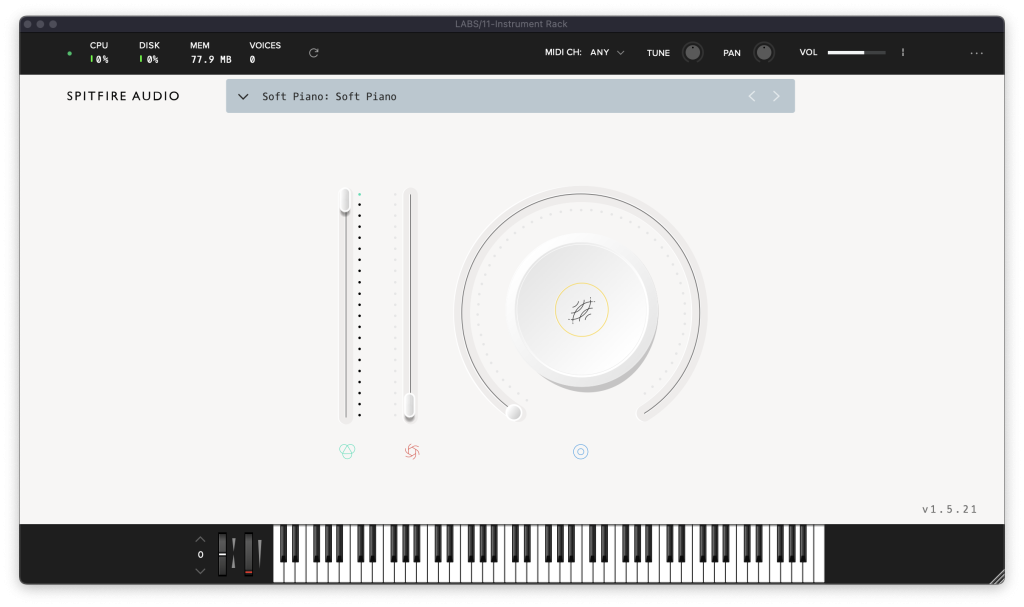
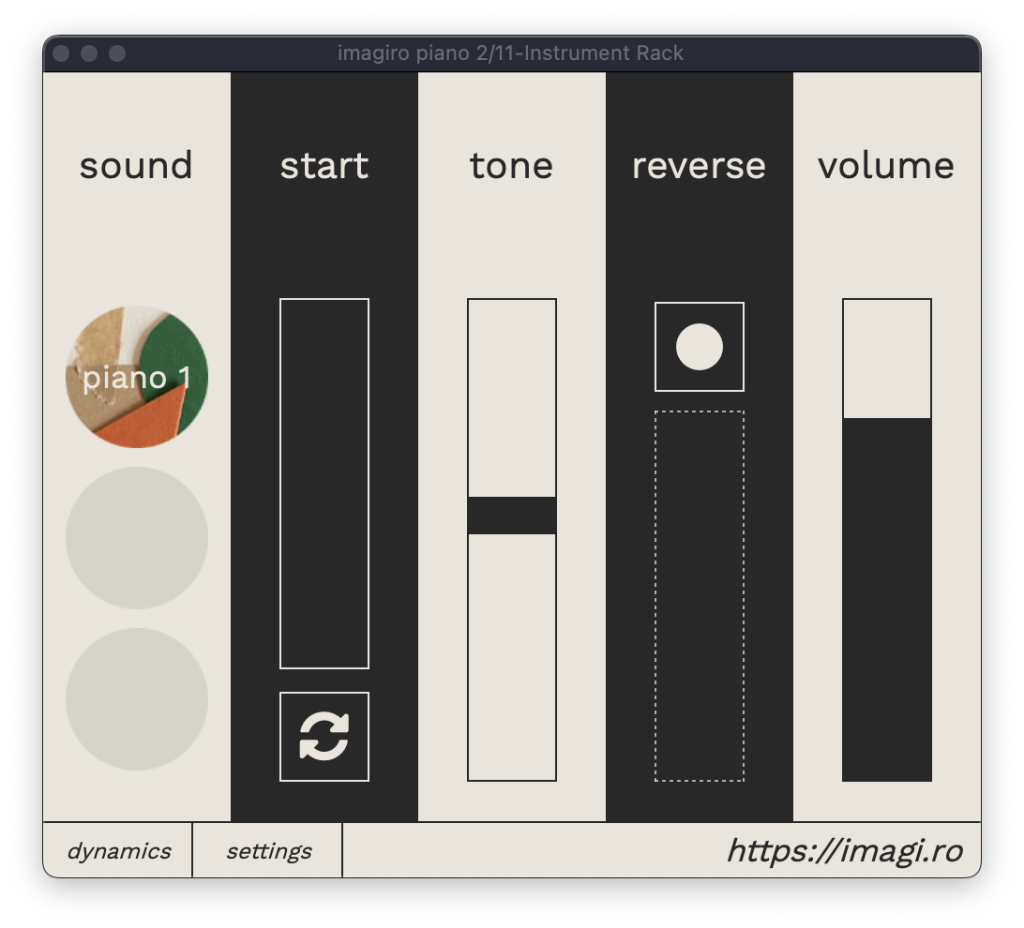
The foundation of this track is a piano chord progression made with a mix of the soft piano patch inside of LABS by Spitfire Audio and imagiro’s piano plugin. The LABS soft piano is a go-to for me as it’s so easy to use and incredibly versatile. Like in this track, I often combine it with other pianos to add warmth and body to the sound. Meanwhile, I use imagiro’s piano to bring in those subtle, unique nuances that give the progression extra character. I absolutely love using it, and at just $30, it’s an absolute steal.
Once I had written the chords, I thought that they felt a bit too plain and lacked excitement so to add more character to the sound, I re-recorded them in Ableton and loaded them into Simpler, using the slice mode. This let me re-perform the chords in a choppier, more rhythmic style. I also pitched the sample up by +2 semitones to give it that ‘sampled’ feeling/quality. My current secret sauce in my sound design is the AIR plugins, especially AIRFlanger and AIRChorus. There’s something so simple and clean about them which means I’m truly addicted to using them.
I can’t stress enough how versatile these piano plugins are, I literally use them in 90% of my productions, whether that’s for my main Sam Day project, side projects, or productions for other artists. The best thing I’ve found with the imagiro piano plugin is playing around with the tone slider which adjusts the warmth and timbre of the sound, meaning I can use it in so many more tunes.
Non-Synth Plugin – SketchCassette II

None of my recent tunes would exist without SketchCassette II. For years I was using RC-20 to add Wow and Flutter to my projects, but since getting SketchCasette I genuinely have’t looked back. It’s a brilliant tool for adding character and depth to your sounds.
Don’t be put off by the childish look, this plugin is such a powerhouse for many different reasons, mostly for the subtle saturation and compression the different tape modes provide. My favourite parameters are Type IV and Master, and upping the Saturation slightly.
All that being said, one of the main reasons I love SketchCasette so much is because it low-key has a secret weapon – the ‘NR comp’ (assuming it means noise reduction compression?). Whatever it does, whenever I add it to a track in Ableton, it adds this really tasteful crunch and saturation which I haven’t been able to find in any other plugin. The manual has this to say: “Sketch Cassette II’s NR Comp. emulates this sound with upward and downward multiband compression. The compressor’s high-frequency boost can be adjusted with the Brightness control, and its overall strength can be tweaked with the Amount control.”
AIR’s CreativeFX bundle
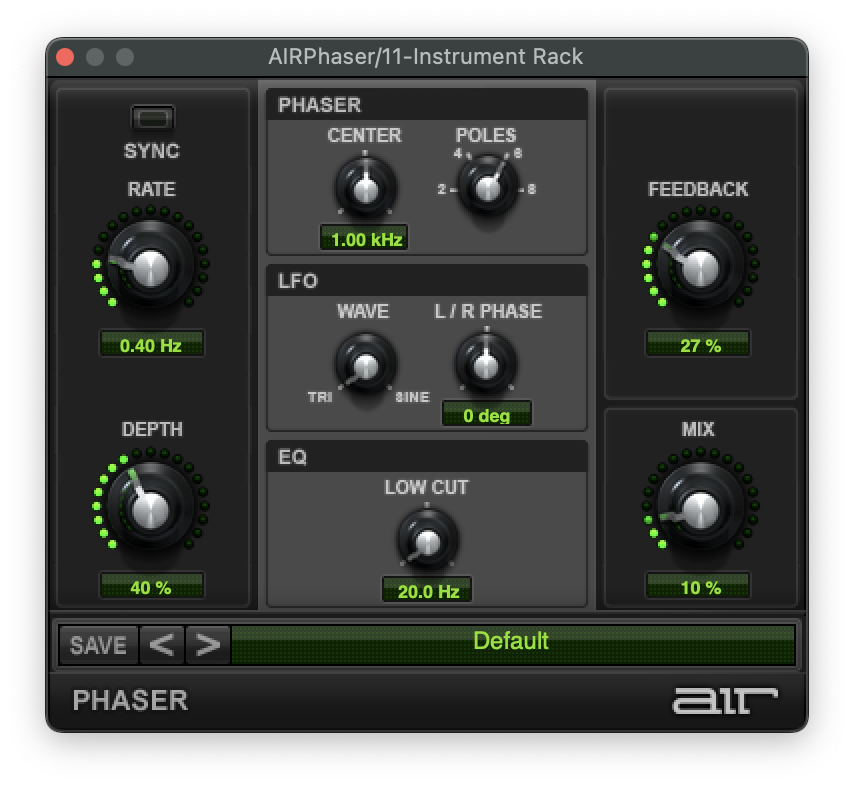
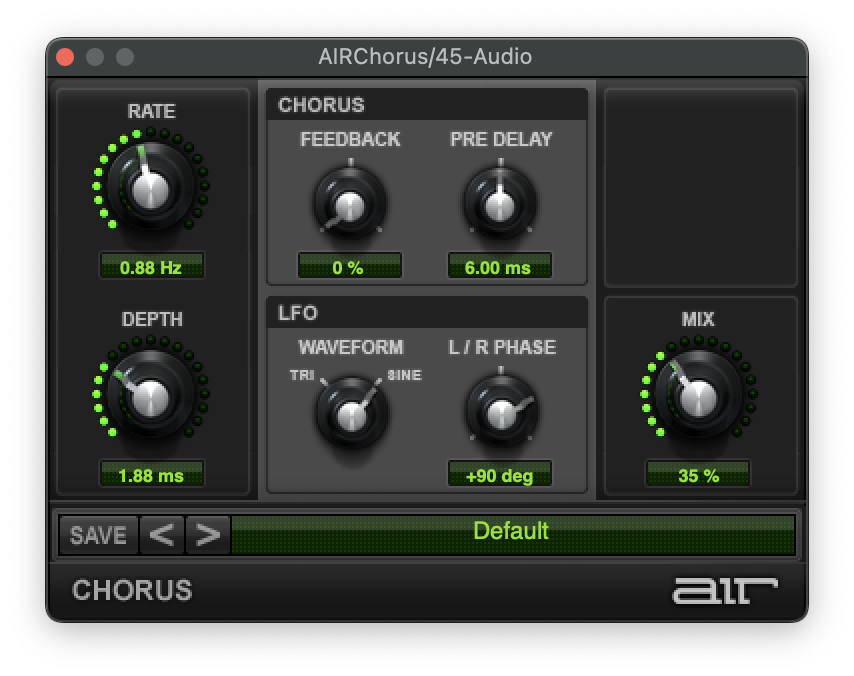
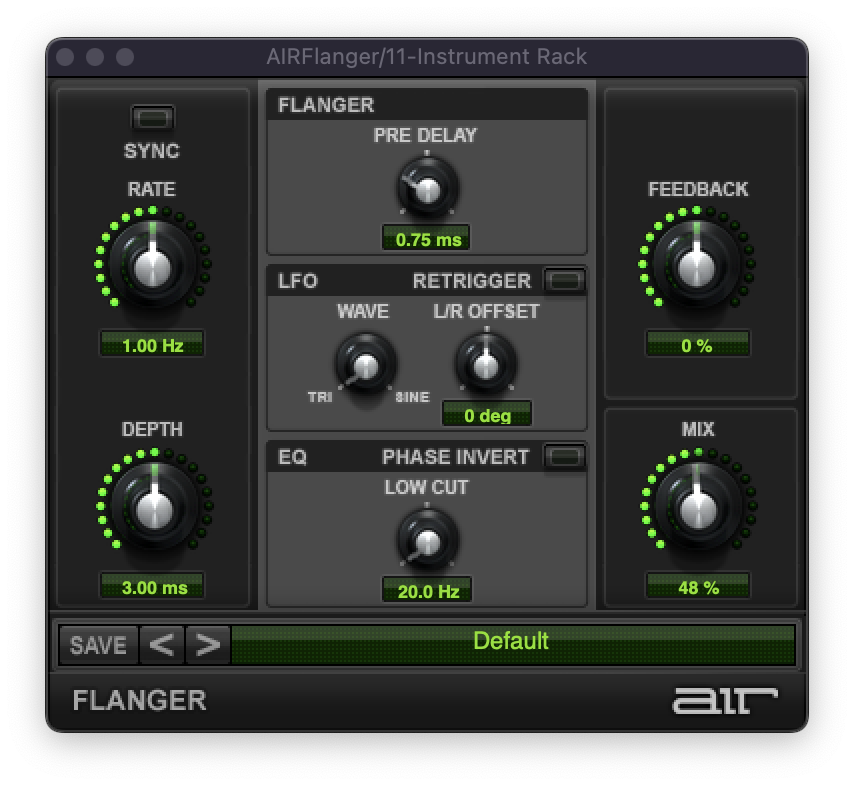
The CreativeFX bundle from AIR are some of my absolute go-tos when it comes to creative mixing and sound design. The main three I use are the Chorus, Flanger and Phaser plugins because of how detailed and great they sound. I know they’re very basic FX and come stock with almost every DAW, but there’s something in the way that AIR have built their plugins that give such a unique sound and characteristic to whatever you put them on.
In my track ‘amazing’, the AIRFlanger and AIRChorus are on nearly every melodic track. It’s really easy to go overboard with these plugins, so the trick is finding a balance where the effect is noticeable but doesn’t end up sounding like a 2000s BMX commercial. I usually keep the mix around 30% and adjust the depth until it feels right. After adding effects like these, I always check that they don’t mess up the mono fold-down too much, since frequency cancellation can become a real headache.
These plugins are really great for experimenting and playing around with. I would definitely recommend every producer try them out and spend time really f*cking up various sounds to hear just how powerful they are. A little secret of mine is that they also sound amazing on vocal chops, and can give you that really tasty melodic UKG sound (especially if they’re run through a lot of delays).
soothe2
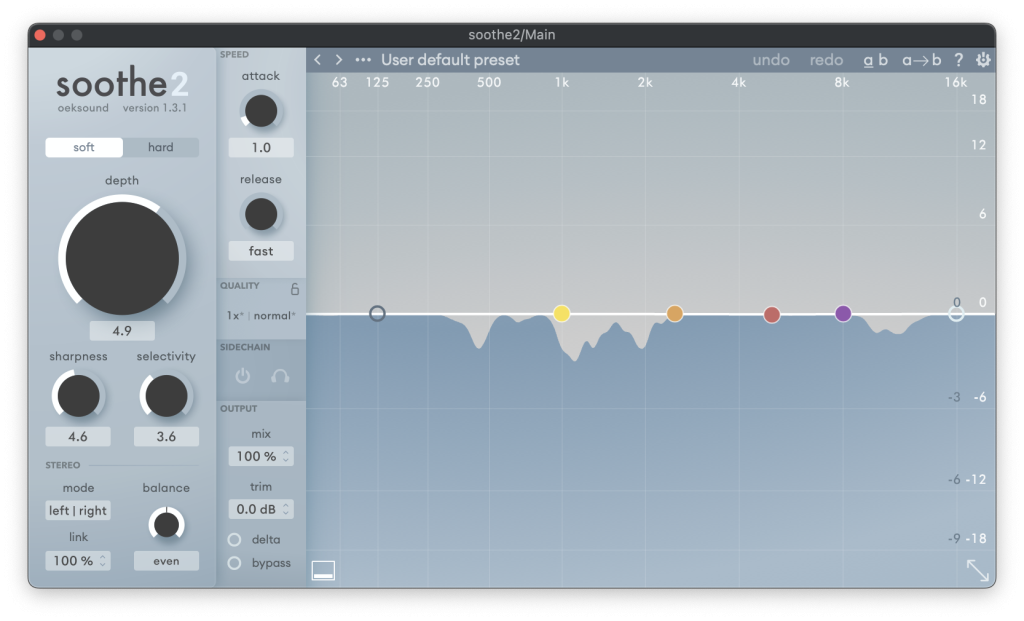
Oeksound’s soothe2 is another plugin that has changed the way I produce music. My default Ableton template has soothe2 (and Fabfilter’s Pro-L 2) on the master bus ready to go. For years I thought it was really gimmicky and a lazy way to produce music, but now I think of it as freeing because I can focus on the songwriting and arrangement a lot more in the early stages of making a track as things just sound better from the get go.
I generally use soothe2 at about 4.5 on the depth control and on soft mode – anything more than this and it can start to carve away at the essential frequencies of your tune. I’ve seen a lot of other producers adjust the bands on the main portion of the plugin window, but as I mostly use this as a global bus/mastering plugin it doesn’t make sense to focus the plugin in on a particular band of frequencies, as I want the the signal to be processed as a whole.
Go careful using soothe2 as you can become reliant on it to “mix” for you, but it’s important to consider it a tool, and not a whole new tool belt. There are various other plugins that do something similar, but I really like soothe2 mostly for its really clean UI, really dynamic, and often on sale!
I would regret it if I didn’t take this opportunity to talk about the incredible free plugin bundles by Melda Audio and Kilohearts. I wholeheartedly believe every single music producer and sound designer should grab these plugins and put them in their projects.
Quick Fire Tips For Making House
Tip #1: Take a step back from the project and think “how can I make this weirder?”
Tip #2: Delays on delays on delays. Experiment by feeding all your sounds through different delay racks (with different parameters) and listening for all the happy accidents that might occur.
Tip #3: Focus on the flow of energy across your tracks, consider the peaks and dips and establish if they’re justified or need improving.
Tip #4: Play! It’s so easy to focus on the technical side of music production, but if you just mess around for a while you’ll be surprised by what you come up with.
Tip #5: Make connections with other producers and creatives! In the early days, it’s important to get feedback so you can improve and make better production and songwriting decisions.

Will Vance is a professional music producer who has been involved in the industry for the better part of a decade and has been the managing editor at Magnetic Magazine since mid-2022. In that time period, he has published thousands of articles on music production, industry think pieces and educational articles about the music industry. Over the last decade as a professional music producer, Will Vance has also ran multiple successful and highly respected record labels in the industry, including Where The Heart Is Records as well as having launched a new label with a focus on community through Magnetic Magazine. When not running these labels or producing his own music, Vance is likely writing for other top industry sites like Waves or the Hyperbits Masterclass or working on his upcoming book on mindfulness in music production. On the rare chance he's not thinking about music production, he's probably running a game of Dungeons and Dragons with his friends which he has been the dungeon master for for many years.