Table of Contents
Image C/O Djo Music & AWAL Recordings
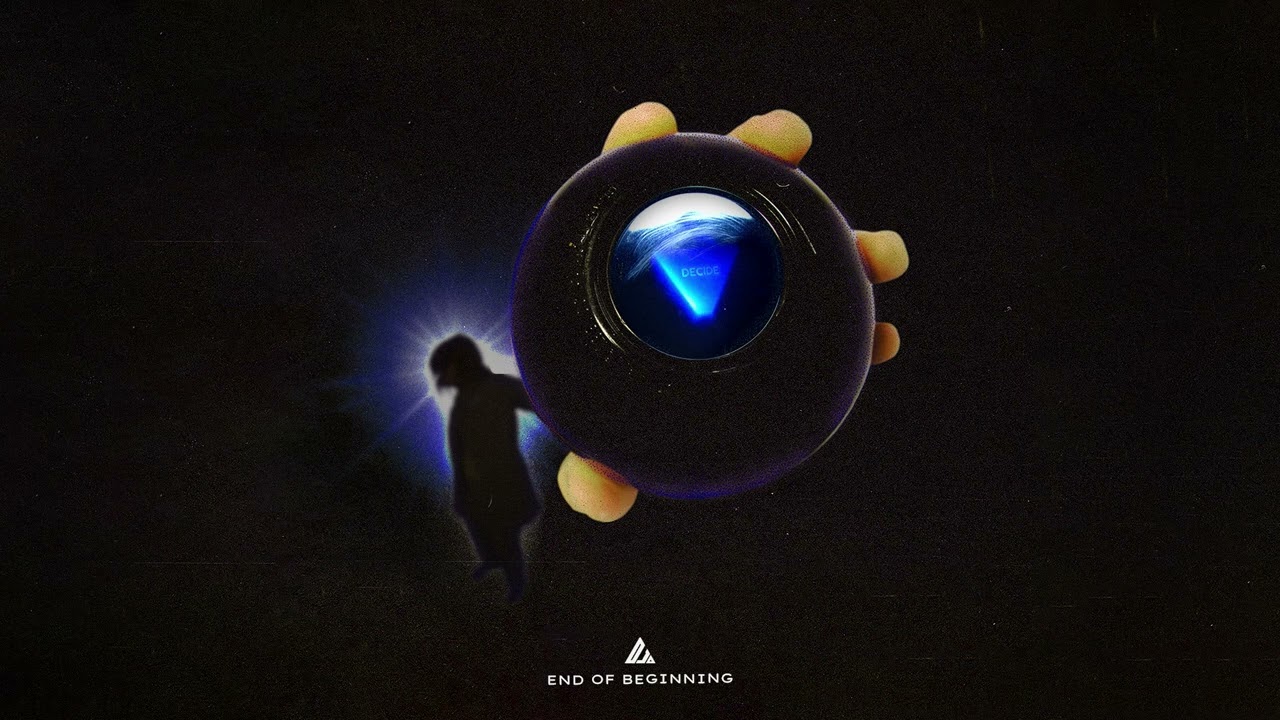
Djo’s “End of Beginning” has taken on a life of its own lately, hitting with listeners in that strange but familiar territory of looking back on their lives. It’s a song about nostalgia and personal change—about loving a time and place that shaped you but also learning to move on. For Joe Keery, who performs as Djo, this track is a deep dive into his past, especially his days in Chicago before his fame on Stranger Things. Those early days in the city clearly impacted him, and he captures that feeling of remembering different versions of himself, showing us how powerful those old memories can be.
In this article, I’m using my background in English literature and creative writing to explore these lyrics from a more literary perspective, drawing from poets like Philip Larkin and Seamus Heaney to shed light on the song’s themes of identity, place, and memory.
While these are just my own interpretations, it’s a good excuse to stretch the literary comparisons a bit, seeing what classic poetry and storytelling can reveal about Keery’s timeless reflection. Ultimately, I hope these connections bring a new level of meaning to the song, showing how Keery’s lyrics tap into feelings that poets and writers have explored for centuries.
Djo End of Beginning Lyrics

Djo End of Beginning Lyrics Meaning
“Just one more tear to cry, one teardrop from my eye”
The song opens with a line about a single tear, suggesting that this “one more tear” is linked to something specific the speaker’s been holding onto emotionally. This “one teardrop” may represent that last bit of sadness, nostalgia, or maybe a regret from their past. It sounds like the speaker’s ready to let it out, but only at the right moment.
In the next line, “You better save it for the middle of the night when things aren’t black and white,” we hear that the speaker is saving this tear for a time when they feel more reflective—maybe when they’re alone, and memories feel complicated and hard to sort out. Nighttime is often when emotions feel strongest and less clear, which makes sense here if the speaker’s remembering an old version of themselves in a past place.
Philip Larkin’s poem High Windows captures something similar with the idea of looking back on youth and change. Larkin writes, “And immediately / Rather than words comes the thought of high windows,” as he thinks about looking back on the past through a kind of distant window, feeling both close to it and far away. Just like the speaker in the song feels emotional about the past at night, Larkin feels that looking back makes the past seem real but unreachable. This tear the speaker holds onto feels like a piece of that distant memory, coming out only when they’re ready to face it.
“And when I’m back in Chicago, I feel it”
This line points right to the heart of the song’s meaning. The speaker feels something powerful when they return to Chicago, as if the city holds onto their past self. Chicago, here, isn’t just a place; it’s a link to an old version of them, bringing up memories and emotions tied to who they used to be. By saying, “another version of me, I was in it,” the speaker acknowledges that being in Chicago reminds them of a different side of themselves, maybe a younger, more hopeful self.
The idea of feeling connected to past selves in a place is something Seamus Heaney explores in his Clearances sonnet sequence. Heaney returns to his family home in Ireland and finds himself remembering small, ordinary moments that meant so much to him. He writes about his memories as if they’re alive in the place: “I was taken in / To the shelved potential, the emptiness / Between us all.” Heaney, like the speaker, feels that a place holds onto who he used to be, almost as if his memories are stored in that old home. The speaker in the song feels the same way about Chicago: being back there lets them “feel” that younger self again.
So, Chicago becomes like a living memory for the speaker, a place that holds onto pieces of who they were. When they say, “I wave goodbye to the end of beginning,” it sounds like they’re acknowledging how much they’ve changed since then. Chicago may be the “beginning,” the place where they started out, but now they’re ready to move forward, even as those memories stay with them.
“A major sacrifice, but clueless at the time”
This line in the second verse adds to the sense of looking back on past choices with some new understanding. The speaker is thinking about a “major sacrifice” they made, something they gave up, even though they didn’t fully understand it back then. This line suggests a bittersweet tone, like they’re realizing the impact of that decision only now, maybe in a way they didn’t expect. There’s a hint of irony in “clueless at the time”—it’s as if they can see how innocent or naive they were when they made that choice.
This idea of realizing things later in life is something Heaney explores in Clearances as well. In his poem, Heaney writes about seemingly small moments with his mother that he didn’t think much of back then but now sees as special. For example, he recalls folding sheets with her and says, “The cool that came off sheets just off the line / Made me think the world was a rabbit’s fur.” Heaney shows how simple moments gain importance over time, just like the speaker now sees that their old choices were actually “major” in shaping who they’ve become.
By looking back on their “sacrifice,” the speaker seems to be understanding what that choice really meant. The line “Enter, Caroline, ‘Just trust me, you’ll be fine’” might be a memory of a friend or a voice from that time encouraging them. Caroline’s words here suggest a sense of reassurance, even when things were uncertain. The speaker now sees that they might have been following others’ advice or trusting things would work out, even if they couldn’t see the full picture back then.
“You take the man out of the city, not the city out the man”
This line, repeated several times in the bridge, speaks to the idea that our pasts stay with us even as we move on. The speaker may have left Chicago, but Chicago hasn’t left them. The city and all its memories have left a permanent mark on who they are, shaping their identity in ways that don’t just go away. This line tells us that the place we come from holds onto pieces of us, influencing our lives and keeping us connected to those past selves.
Larkin’s work in High Windows touches on this same idea. He often writes about how people can’t fully leave behind the times and places that shaped them. In his own way, he’s saying that the past clings to us, whether we like it or not. The speaker in the song feels the same—no matter where they go, Chicago will always be part of them.
The mention of “rock shows near Portland” right after this line might show us that the speaker is finding new places and experiences, even as Chicago stays in their mind. It’s like they’re adding new memories to old ones, moving on but still holding onto parts of their past. Chicago, like all the places we once loved, remains part of the speaker’s identity, influencing who they are even as they explore new things.
“Oh, I wave goodbye to the end of beginning”
The final chorus repeats this line, bringing the song’s message to a close. By “waving goodbye to the end of beginning,” the speaker seems to be saying farewell to that younger version of themselves tied to Chicago. This line is about accepting that they’ve moved on, growing beyond that starting point, even if it still holds memories for them. The repetition of “goodbye” sounds like a way of finally letting go of that past self while still honoring what it meant to them.
Heaney’s Clearances captures a similar sense of bittersweet farewell. Heaney writes, “We were at home,” recognizing that his family’s home was special, but it’s something he’s moved beyond. He knows that home shaped him, even as he’s grown past it. The speaker in the song feels the same about Chicago—it’s still part of them, but they’re ready to leave that version of themselves behind.
This ending leaves us with a sense of acceptance. The speaker acknowledges that their past, their younger self, and their memories in Chicago will always be part of them, even if they’re moving forward. Like Larkin’s and Heaney’s reflections, this song reminds us that while we may change, the places and people who shaped us remain in us, creating versions of ourselves that we carry forward, always.
Themes, Meanings, and Main Takeaways
At the heart of “End of Beginning” lies a powerful reflection on nostalgia, identity, and the inevitability of change. Joe Keery, known for his role as Steve Harrington on Stranger Things and his formative years in Chicago’s DIY music scene, captures the feeling of revisiting a past self in his lyrics, “And when I’m back in Chicago, I feel it / Another version of me, I was in it.” These lines highlight Keery’s sense of connection to his younger days—before fame, when he was building his creative foundation with local indie bands like Post Animal.
For Keery, Chicago is not just a setting but a symbol of an early, formative chapter. Here, the city embodies a place of self-discovery and growth, where the artist found his creative roots and friendships in a supportive, close-knit community. It’s a bittersweet acknowledgment that this chapter has closed but remains deeply meaningful, a sentiment that feels almost universal to anyone who’s had to say goodbye to a place that once felt like home.
Keery’s lyrics mirror themes explored in Philip Larkin’s poem High Windows, which also examines the unavoidable distance that time creates between past and present selves.
Larkin’s line, “And immediately / Rather than words comes the thought of high windows,” captures his feeling of looking back on youth through a distant, unreachable “window,” a feeling Keery seems to echo as he describes the Chicago of his twenties. Like Larkin, Keery grapples with the sense that he’s left a former life behind but cannot quite close the emotional gap, finding that time brings a bittersweet distance to even the most familiar experiences. The reference to his “sacrifice” in the lyrics also connects with Larkin’s observation of loss, hinting at the sacrifices that young creatives often make when they leave behind communities that once defined them.
Seamus Heaney’s Clearances sonnet sequence further illuminates Keery’s exploration of memory and place. Heaney, writing about his childhood home in Ireland, reflects on the intimacy of small, shared moments, a memory deeply connected to place and family. In lines like “I was taken in / To the shelved potential, the emptiness / Between us all,” Heaney, much like Keery, realizes that revisiting the physical space of home unlocks powerful memories of who he once was.
For Keery, Chicago’s streets, music venues, and creative friendships carry this same personal resonance, making “End of Beginning” both an acknowledgment of growth and a farewell to the place that once held him. Ultimately, Keery’s lyrics, much like the poetry of Larkin and Heaney, show that while we might grow and move on, the places and relationships that shaped us continue to define who we are, even if they exist now as memories.

Will Vance is a professional music producer who has been involved in the industry for the better part of a decade and has been the managing editor at Magnetic Magazine since mid-2022. In that time period, he has published thousands of articles on music production, industry think pieces and educational articles about the music industry. Over the last decade as a professional music producer, Will Vance has also ran multiple successful and highly respected record labels in the industry, including Where The Heart Is Records as well as having launched a new label with a focus on community through Magnetic Magazine. When not running these labels or producing his own music, Vance is likely writing for other top industry sites like Waves or the Hyperbits Masterclass or working on his upcoming book on mindfulness in music production. On the rare chance he's not thinking about music production, he's probably running a game of Dungeons and Dragons with his friends which he has been the dungeon master for for many years.