Table of Contents
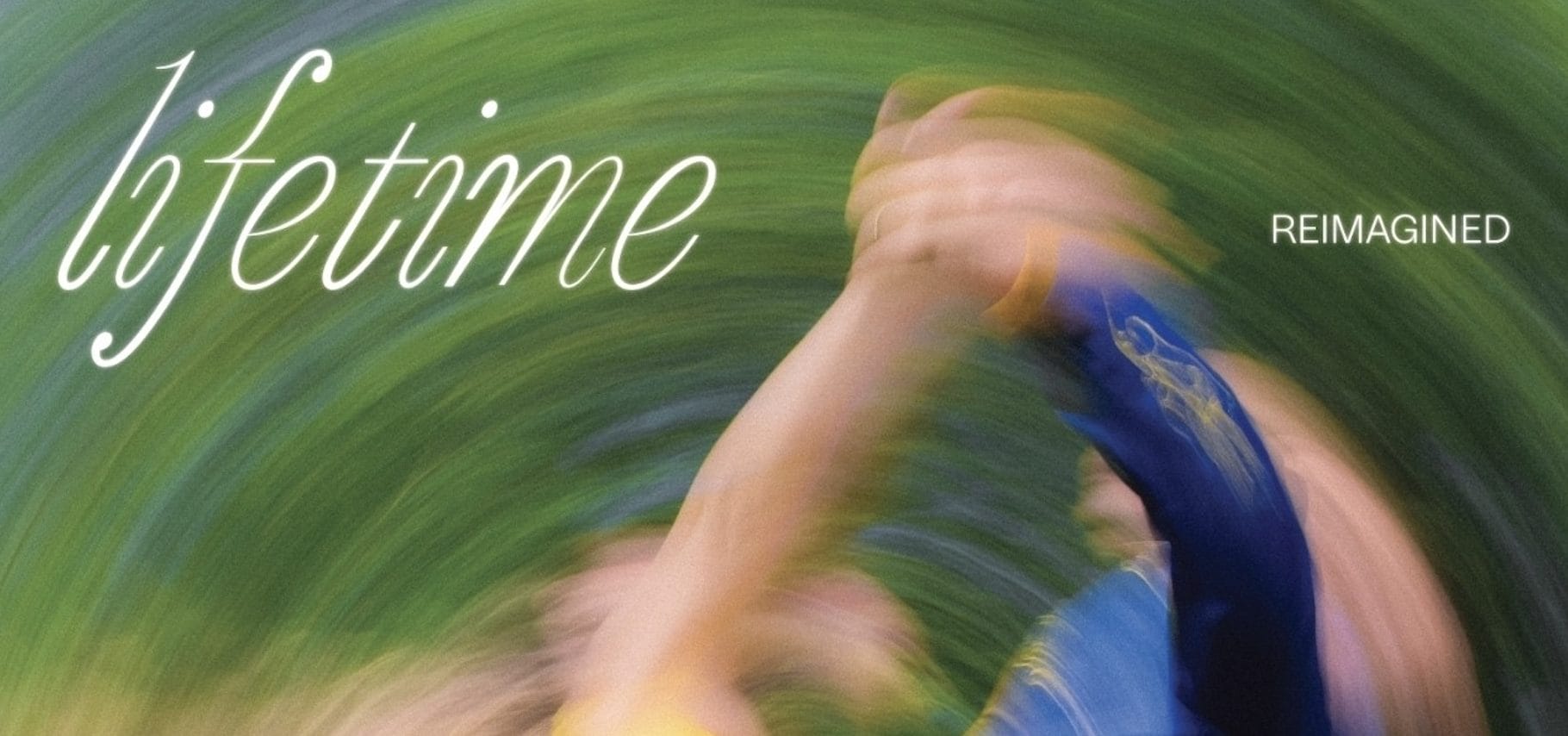
Album Artwork Above Courtesy Of Ben&Ben
Ben&Ben’s Lifetime (Reimagined) arrived in late March 2026 as an expanded return to one of the band’s most widely felt songs. The band has tied this release back to the same fan story that inspired the first version: a story about hidden love between best friends that went unrecognized too late, and the reworked track moved onto Spotify charts in the Philippines while also landing on Spotify’s Top Songs Debut list globally.
I like songs like this because they invite a literary reading without asking for one in a heavy-handed way.
My reading here comes from my own background in English literature and creative writing, and from the habit of taking pop lyrics seriously enough to place them alongside poems that have addressed similar feelings for centuries. This song gives me a good reason to do that, and it also gives me a good reason to stretch toward the kind of alternate-life thinking that poetry, fiction, and fantasy have been working through for a very long time.
These are my own takeaways, but I think the lyrics hold up under that kind of close reading because they keep returning to missed timing, withheld speech, and the ache of a future that stayed unrealized. Before we get too far in as well, I would love to do a lyrical breakdown of a song you’ve been writing as well! Get in touch here if you’ve got something for me!
Lifetime (Reimagined) Meaning (Of My Favorite Lyrics At least)
Paper Planes and Porcelain
The first thing I hear in this version is how carefully it builds fragility into the setting.
“Paper planes and porcelain” gives me two objects that can carry hope for a second and then fail under pressure. Paper planes imply a message or wish sent outward. Porcelain implies care, display, and the risk of damage. Add “smell of rain through the window pane” and the verse places the speaker indoors, looking out, already one step removed from action. That is important because the song is about distance before it is about loss. The speaker is near the memory and far from the outcome.
When the line ends with “Oh, you were a good dream,” the song begins to tell me how memory works here. The beloved is present in perception and absent in fact. A dream can feel complete while it lasts, and then it breaks apart once the mind has to test it against lived life. That idea lines up closely with Arthur Symons in Dreams, where he writes, “To dream of love, and, waking, to remember you.” Symons treats desire as something that survives most fully inside sleep and then turns painful again the second waking returns. That is close to what Ben&Ben are doing in this opening stretch.
I also hear the first hint of the song’s larger structure in that word “dream.”
A dream is a private event, and private feeling runs through the track from start to finish. The speaker is alone with sensory detail, alone with memory, and soon enough alone with regret. That helps explain why the reimagined version needed extra space. The first release already carried ache. This newer version gives that ache a longer interior life, which fits the band’s decision to expand the song and return to the story behind it years later.
Secrets Turn Into Regrets
Verse two sharpens the whole song with one plain admission: “I was scared to lose you then.” That line tells me the relationship failed in silence before it failed in time. Fear enters before confession does, and once fear takes over, the lyric moves fast toward the sentence that holds the whole song together: “secrets turn into regrets.” I do not think Ben&Ben are using “secrets” here in a dramatic sense.
The word stays ordinary, and that is what gives it force. The song is speaking about feelings that were kept in place long enough to harden into an outcome.
That is where Edna St. Vincent Millay becomes a clean literary parallel. In “I think I should have loved you presently,” she writes, “And given in earnest words I flung in jest,” which captures the same late knowledge that shapes this verse. Millay’s speaker looks back and sees that candor arrived after the chance had already thinned out. Ben&Ben compress that same recognition into a smaller line, but the emotional pattern is close. Feeling existed, speech failed, and hindsight became the place where honesty finally took form.
The chorus pushes that logic further with a sequence of questions.
“Was there a lifetime waiting for us” and “Was it the wrong time, what if we tried” turn the song toward alternate possibility. I read those lines as the language of counterfactual grief. The speaker mourns a path that remained hypothetical, yet the feeling attached to it is real enough to leave a wound. That is one reason the chorus lands so hard. It is asking after a life that did not become shared experience and still feels lost.
Smoke and Ashes From Burned Letters
The pre-chorus is the most direct statement in the song, and it is also the section that gives the whole piece its central question. “Smoke and ashes from these letters” introduces ritual.
The speaker is trying to reduce memory to residue, to make something final happen through action. Burning letters usually means closure in songs and poems, but here closure stays incomplete. The next line admits that no fairytale ending was possible because there was no beginning. The relationship has no public history, no named status, no mutual chapter to point to. It still leaves grief behind.
That is why “How do you grieve for a love that did not even exist?” feels like the axis of the whole song.
The line names an experience that a lot of songs circle around without stating so plainly. This is grief without a recognized event. No breakup happened. No formal romance collapsed. What failed was possibility, and possibility can still leave memory, shame, longing, and self-questioning. I think that honesty is one reason the reimagined version moved so quickly with listeners after release. The song gives language to a form of loss people often struggle to describe.
Andrew Marvell helps here, though from a different angle.
The Definition of Love imagines love as something shaped by impossibility, and Marvell writes that “Fate does Iron wedges drive” between the two people at its center. Critics still read the poem as a key example of impossible love rendered in geometric and structural terms. Ben&Ben are less formal and less argumentative, but the shared idea is plain. In each case, the barrier is structural. The feeling can be mutual or nearly mutual and still fail to become lived life.
Tangled With Another’s Eyes
Verse three pulls the song out of pure memory and places a third figure inside the frame. “Tangled with another’s eyes” tells me the speaker is no longer dealing with abstraction alone. Another attachment is present, and the beloved now belongs to a visible social reality that the speaker cannot enter. Then the lyric corrects itself in a way that is one of the hardest turns in the track because it tries to impose discipline on feeling and fails to settle it. The speaker states the rule out loud and keeps singing anyway.
That movement fits Symons again. In Dreams, he includes the line “Ah! wake not by his side,” and that detail is crucial because it brings another body into the imagined scene.
The pain includes desire and displacement. Someone else occupies the position the speaker had imagined, and waking becomes the moment when fantasy loses control. Ben&Ben do something close to that in a smaller, cleaner way. “Another’s eyes” gives us the fact of displacement without spending a full stanza on it.
I also think this section keeps the song from becoming sentimental in a cheap way. The lyric refuses possession even while it continues to feel attachment. That correction is accurate, and accuracy does not soften the loss. It clarifies it. A weaker lyric would try to inflate the bond into a hidden romance that history somehow denied. This song stays more disciplined. It admits that the relationship remained unrealized, and then it asks us to take the pain of that unrealization seriously.
Was It Too Bold of Me to Assume
The bridge is where the song turns from reflection into self-interrogation. “Was it too bold of me to assume / You will catch me, was it an illusion?” places responsibility back on the speaker’s reading of the bond. Up to this point, the song has focused on silence, timing, and private grief. Here it asks if the speaker also misread the terms of intimacy. That gives the track a needed complication. Missed love can involve bad timing and mutual fear, and it can also involve overreading gestures that promised far less than the speaker hoped.
Millay is useful again because her poem does not let the speaker hide from her own role in the failure. The voice in “I think I should have loved you presently” keeps circling the fact that she had chances to speak and did not take them. Ben&Ben handle the same impulse in a simpler register. The bridge does not seek innocence. It seeks accuracy. The phrase “was it an illusion” is painful because it opens the door to the possibility that the speaker has been grieving an imagined reciprocity along with a real attachment.
Then the bridge makes a move that a lot of people who have lived through this kind of situation will recognize at once. It swings from doubt straight back into devotion. The offer to go back and wait a lifetime stays on the table even after the speaker questions the whole reading. The desire survives the correction. The speaker can question the bond and still remain attached to the person. That is part of what gives the song its realism. Insight does not dissolve longing on contact. People understand things and keep hurting anyway.
A Lifetime Waiting in Vain
The final chorus changes the emotional scale of the song. Earlier, the questions were painful. By the end, they have become a form of sentence. “I’d spend a lifetime waiting in vain” turns waiting into an ongoing condition rather than a passing mood. That line goes beyond a single missed confession and begins to describe identity. The speaker has become someone organized around the absence of a future that never arrived.
Waiting is built into the self.
That idea links back to Marvell in a different way. His poem treats impossible love as something that remains exact in the mind even when it cannot move into lived union. Ben&Ben give that same problem a contemporary emotional language. The speaker can picture the lost future in detail, keep revisiting it, and still remain outside it. That is why the song keeps returning to time words like “before,” “lifetime,” and “waiting.” The grief here is temporal.
The pain comes from the sense that life branched once, and the speaker keeps looking toward the unused branch.
The outro lands with “All this time, I have been yours,” and that line changes the song one last time. Earlier sections keep asking about possibility, timing, and illusion. The close stops asking and states allegiance as an ongoing fact. I hear that as the final irony of the whole piece. The relationship did not take form in lived reality, yet the speaker’s inner loyalty remained active anyway. That is exactly why the song hits such a raw point.
It shows how feeling can continue to organize a person long after shared life failed to appear.
Themes, Meanings, and Main Takeaways
For me, the main theme of Lifetime (Reimagined) is grief for an unlived future.
That phrase gets closer to the song than breakup, longing, or nostalgia on their own. The lyrics are grieving withheld speech, mutual uncertainty, imagined timing, and the afterlife of a possibility that did not become ordinary life. The reimagined version strengthens that reading by adding language that makes the inner conflict plainer, especially in the pre-chorus and bridge.
The three poems help confirm that this emotional pattern has a long literary history.
Marvell gives the song a frame for impossible attachment shaped by forces larger than desire. Millay gives it the language of belated honesty and the pain of seeing, too late, how speech might have changed the bond. Symons gives it the dream logic that runs through the track from “you were a good dream” to the final vow of inward loyalty. None of those poems overtakes the song for me. They help me see how carefully Ben&Ben place old human problems inside very plain contemporary language.
I also think the song has connected in this current release cycle because its central question is unusually precise. A lot of people know the pain of losing someone. Fewer songs name the pain of losing a chance that did not become a declared relationship. Ben&Ben had the cultural reach to push that question back into public conversation, and the reception around this version suggests listeners heard themselves in that framing right away.
The song gives a common private experience a clear shape, and that clarity is a large part of why it keeps pulling people back.
Lifetime (Reimagined) connects because it refuses to treat unrealized love as a small or unserious form of grief. It follows the feeling from memory to regret, from regret to ritual, from ritual to self-questioning, and from self-questioning to a final admission that inward devotion can outlast the chance to speak.
Read beside Marvell, Millay, and Symons, the song feels part of a long tradition of writing about love that failed before it could fully begin, and read on its own terms, it still lands with unusual precision.
Lifetime (Reimagined) Lyrics In Full
Was there a lifetime waiting for us in a world where I was yours??
Paper planes and porcelain
Smell of rain through the window pane
And the sight of you
Oh, you were a good dream
I was scared to lose you then
But secrets turn into regrets
Buried feelings grow
Oh – you were a good dream
Was there a lifetime waiting for us in a world where I was yours?
Was it the wrong time, what if we tried giving in a little more
To the warmth we had before?
Tangled with another’s eyes
Never mind, you were never mine
Glimpse of me and you
Oh – you were a good dream
Was there a lifetime waiting for us in a world where I was yours?
Was it the wrong time, what if we tried giving in a little more?
I’d spend a lifetime waiting in vain just to go back to the way we were before
Was it the wrong time, what if we tried giving in a little more
To the warmth we had before?
Is there a lifetime waiting for us?
All this time, I have been yours

Will Vance is a professional music producer who has been involved in the industry for the better part of a decade and has been the managing editor at Magnetic Magazine since mid-2022. In that time period, he has published thousands of articles on music production, industry think pieces and educational articles about the music industry. Over the last decade as a professional music producer, Will Vance has also ran multiple successful and highly respected record labels in the industry, including Where The Heart Is Records as well as having launched a new label with a focus on community through Magnetic Magazine. When not running these labels or producing his own music, Vance is likely writing for other top industry sites like Waves or the Hyperbits Masterclass or working on his upcoming book on mindfulness in music production. On the rare chance he's not thinking about music production, he's probably running a game of Dungeons and Dragons with his friends which he has been the dungeon master for for many years.