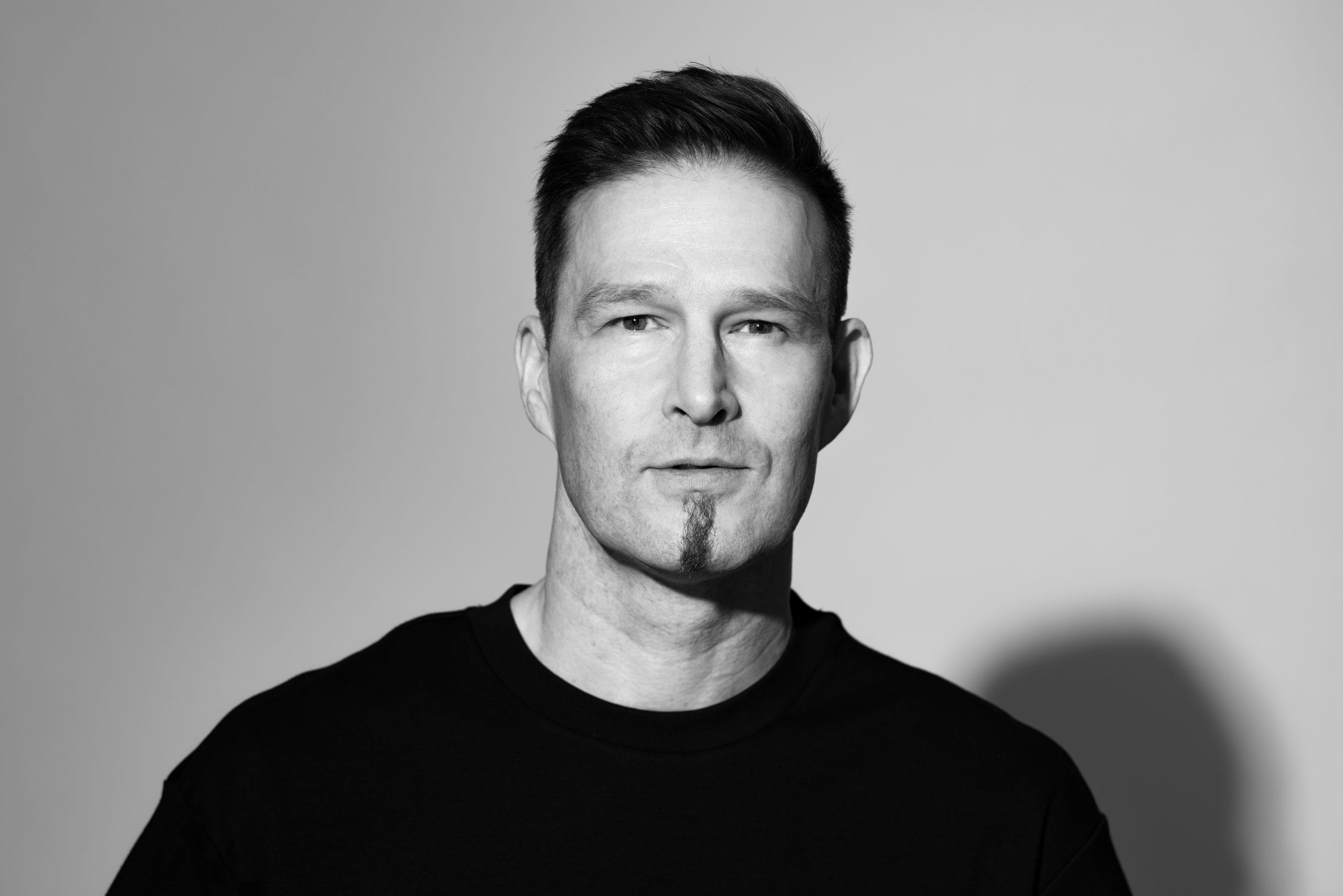
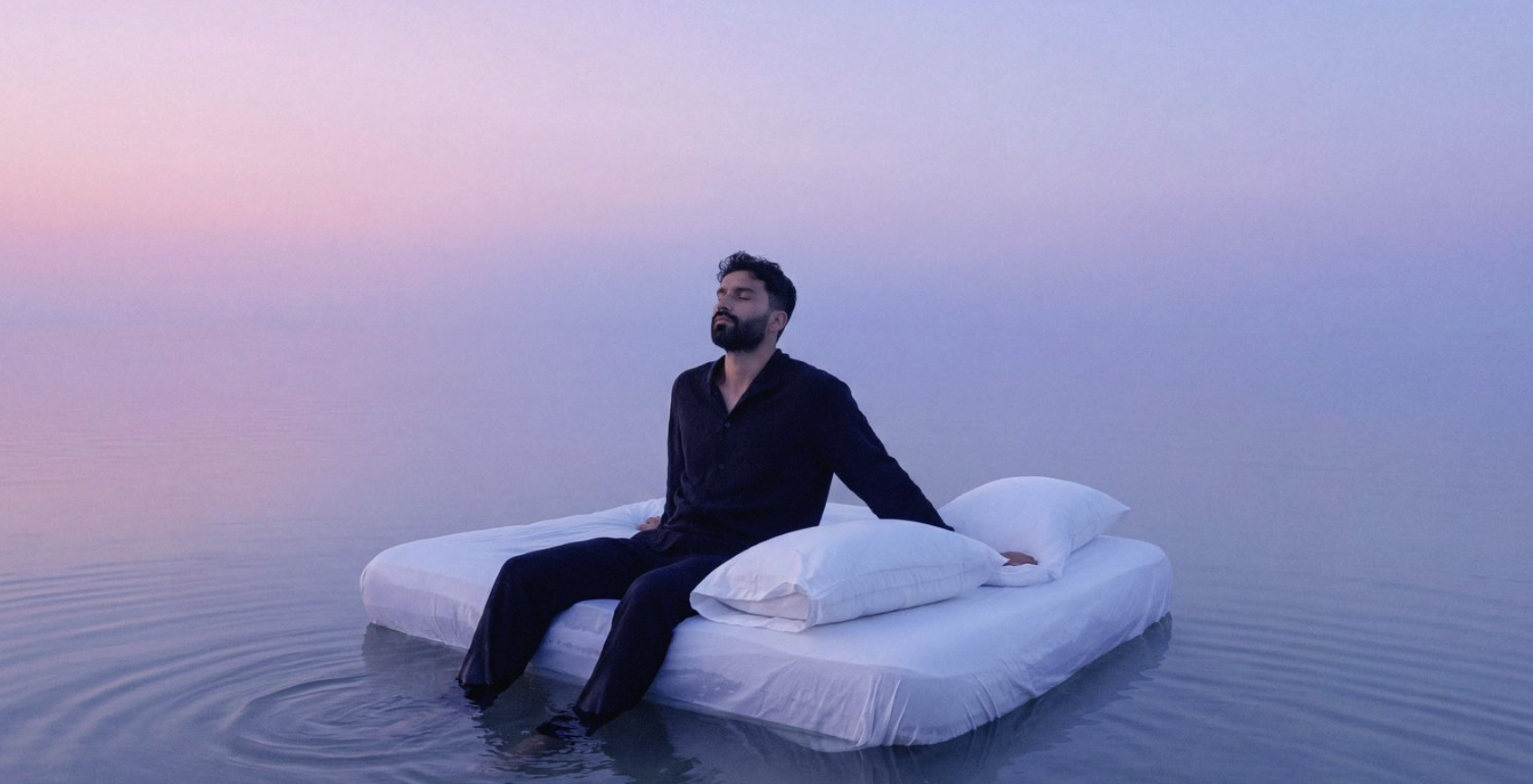
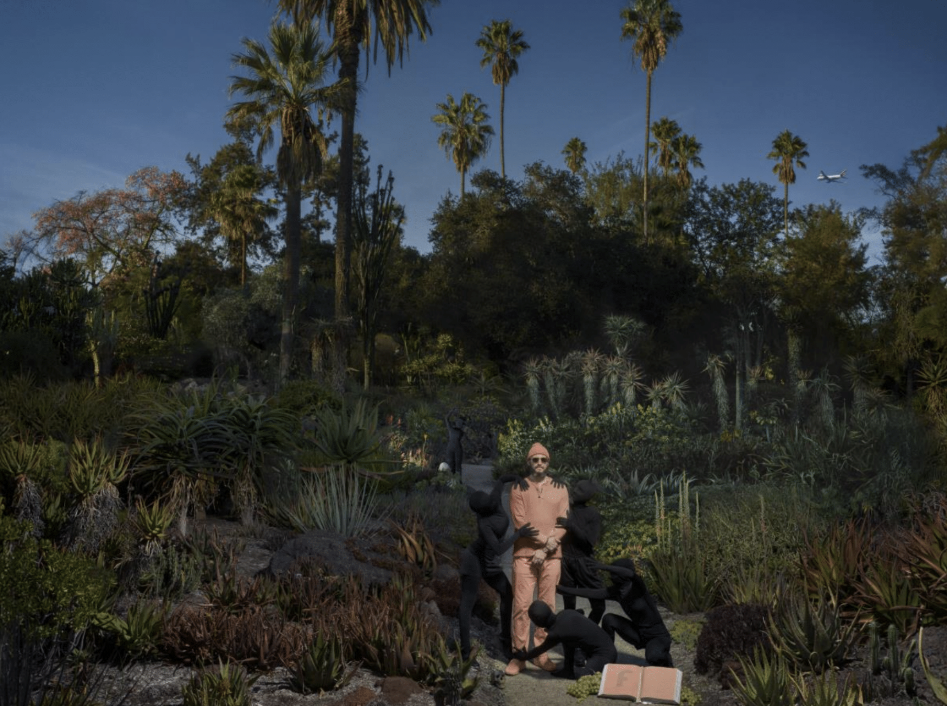
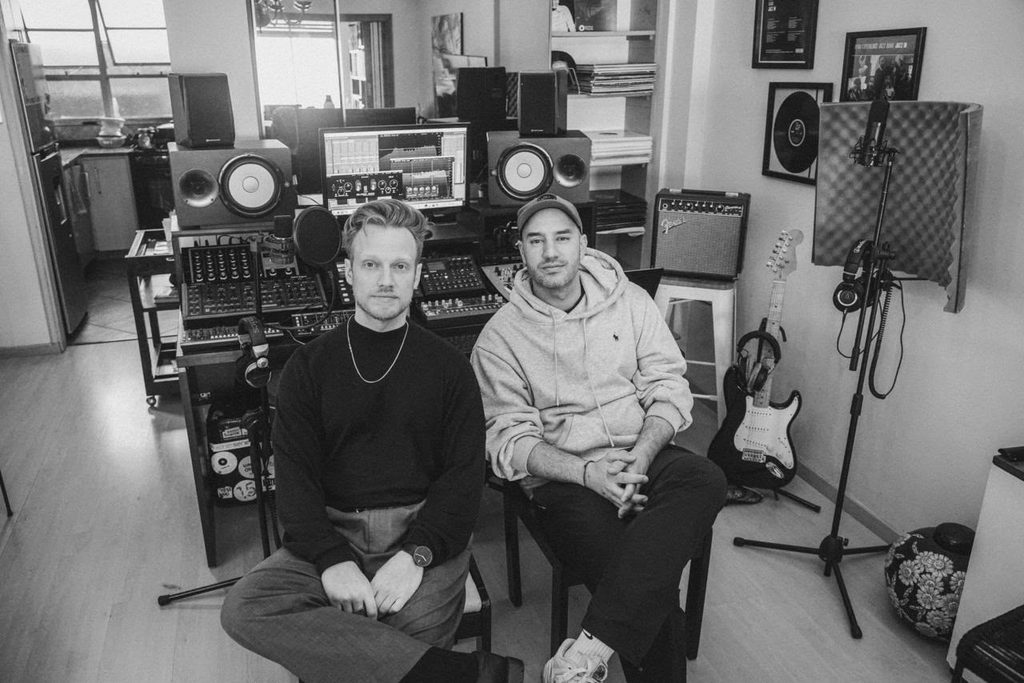
Justin Vernon just sat down with The New Yorker for his first big interview since 2019. It’s not often we get this level of candidness from him, and if you’re a Bon Iver fan like me, this one’s worth your time. Over the course of an in-depth conversation with Amanda Petrusich, Vernon digs into everything from the new SABLE EP (dropping this Friday), to his complicated relationship with fame, to a performance that left him emotionally wrecked on stage in front of thousands. It’s real, raw, and hits harder than you might expect from a short interview.
The SABLE EP itself is only three songs, but in typical Bon Iver fashion, those 12 minutes pack a punch. Vernon describes it as a “raw second skin”—which sums up the feeling pretty perfectly.
You can tell this project was a way for him to work through a lot of personal stuff, and the interview reflects that. Here are the five biggest takeaways from the conversation that stuck with me.
Read The Full Interview On The New Yorker’s Site Here
1. “It runs the gamut from accepting anxiety to accepting guilt to accepting hope.” — SABLE Isn’t Just an EP; It’s a Personal Journey
When Vernon talks about SABLE, it’s clear this EP is more than just three tracks slapped together. He describes it as a journey—a tight, focused exploration of anxiety, guilt, and hope. He goes deep into these feelings in the interview, explaining how each song touches on a different aspect of what he’s been working through emotionally. “It runs the gamut from accepting anxiety to accepting guilt to accepting hope,” he says, laying out the arc of the project.
What really caught my attention was how deliberate Vernon was about keeping the EP short. He could’ve easily turned this into a full-length album, but he chose not to. “It’s three, and it couldn’t be longer,” he says. By stripping back both the production and the length, he’s making a clear point: these songs say exactly what they need to say, nothing more. It’s raw, it’s real, and it’s exactly the kind of project you’d expect from someone who’s not interested in over-explaining his emotions.
2. “I was crying—like, hard.” — Touring Takes a Toll That We Don’t See
I’ve always known that touring isn’t easy for artists, but hearing Vernon talk about it in this interview puts it on a whole new level. He recounts a performance of “[715] CRΣΣKS” where he completely broke down on stage, crying in front of thousands of fans. “I got choked up and started to weep,” he says. “Shoulders-heaving crying.” It’s a powerful moment, and it really drives home how much pressure he feels when performing these deeply personal songs live.
This vulnerability is part of what makes Bon Iver’s music hit so hard, but it’s also what makes touring a challenge for him. Vernon doesn’t hold back on the emotional toll it takes, saying that the exhaustion and mental strain often outweigh the joy of performing. He even hints that he might scale back on touring in the future, which, honestly, makes sense. It’s hard to keep putting yourself out there night after night when the music you’re sharing comes from such a raw, emotional place.
3. “I could stop doing all of this.” — Wrestling with Fame and the Desire to Step Back
Vernon has always had a complicated relationship with fame, and in this interview, he opens up about it in a way that feels more honest than ever. He talks about a moment during the pandemic when he seriously considered stepping away from everything. “I could stop doing all of this,” he thought while driving around on his A.T.V. in Wisconsin. The idea of walking away from the public eye is something he’s wrestled with for years, and this pandemic reflection only solidified those feelings.
What’s interesting is that Vernon doesn’t seem to resent fame, but he’s hyper-aware of the toll it takes on him. He mentions how fans often celebrate his heartache—something he’s not always comfortable with. “I’m a sable, I’ve been a sable,” he reflects, asking himself if he’s unknowingly steering his life into repeated cycles of sorrow because that’s what people expect from him. This tension between wanting to create and the weight of public expectations is something that a lot of artists struggle with, but hearing Vernon talk about it this openly hits differently.
4. “It’s the most beautiful musical instrument that humans have constructed.” — Pedal Steel Guitar and the Power of Collaboration
Let’s talk about the pedal steel guitar—an instrument Vernon is clearly obsessed with, and for good reason. “It’s the most beautiful musical instrument that humans have constructed,” he says, and I can’t help but agree. It’s featured heavily on SABLE, and Vernon’s longtime collaborator Greg Leisz brings the magic here. Leisz is a legend in his own right, and their musical chemistry is undeniable.
But what I love most about Vernon’s approach to collaboration is how humble he is about it. He’s never been one to hog the spotlight, and in this interview, he talks about how important it is to let other people’s voices shape his music. “I’ve always just found that it distracts from the point,” he says, referring to the idea of working solo. For him, it’s always about the song, not the person behind it. And that’s why his collaborations—whether with Kanye, Taylor Swift, or Charli XCX—always feel organic rather than forced.
5. “I’ve been saying the word again lately.” — Spirituality, Psychedelics, and the Search for Meaning
The way Vernon talks about God and spirituality in this interview feels honest and unpretentious. He mentions that he’s started using the word “God” again, though he’s not entirely sure what it means for him. “I’m sick and tired of saying ‘synchronicity and coincidence,’” he says, reflecting on the mystery of life and how hard it is to put into words. It’s clear that Vernon is still on a journey of figuring out what he believes, but he’s not afraid to admit that he’s open to the idea of something greater.
Psychedelics have played a big role in that journey for Vernon, especially earlier in his life. He talks about how substances like mushrooms and LSD helped him open creative doors, but he’s quick to point out that relying on them too much can be dangerous. “If you leave that door open too long, the snow’s gonna come in and you’re gonna get fried,” he says. It’s a great metaphor for how even the most mind-opening experiences need to be balanced with reality.
Wrapping Up: SABLE is Short, but the Impact is Huge
This interview reminded me why Bon Iver has had such a lasting impact—not just because of the music itself, but because of how personal and real Justin Vernon’s approach to art is. SABLE may only be 12 minutes long, but it feels like the culmination of years of emotional processing, boiled down into three tracks. Vernon’s willingness to share the ups and downs of his journey—whether it’s the pressures of fame, the struggles of touring, or the search for meaning in life—is what makes his work resonate so deeply.
If you’ve been following Bon Iver from the beginning, SABLE feels like another step in Vernon’s evolution—one that’s raw, stripped down, and full of the emotional complexity we’ve come to expect from him. And after reading this interview, it’s clear that Vernon isn’t just making music; he’s using it to work through the most personal parts of his life. As SABLE drops this Friday, we’re getting a front-row seat to that process, and it’s something I can’t wait to dive into.

Will Vance is a professional music producer who has been involved in the industry for the better part of a decade and has been the managing editor at Magnetic Magazine since mid-2022. In that time period, he has published thousands of articles on music production, industry think pieces and educational articles about the music industry. Over the last decade as a professional music producer, Will Vance has also ran multiple successful and highly respected record labels in the industry, including Where The Heart Is Records as well as having launched a new label with a focus on community through Magnetic Magazine. When not running these labels or producing his own music, Vance is likely writing for other top industry sites like Waves or the Hyperbits Masterclass or working on his upcoming book on mindfulness in music production. On the rare chance he's not thinking about music production, he's probably running a game of Dungeons and Dragons with his friends which he has been the dungeon master for for many years.