Table of Contents
I’ve been producing music for over a decade and a half. In that time, I’ve seen the definition of music and the entire culture of music production and beat-making change so significantly that the whole definition of what a music producer does and what a music producer needs a new definition even from what it was 15 years ago, let alone the past 60 years since the term and job title was initially invented (that’s if you consider George Martin to be the first, at greatest, music producer of all time).
Music producers used to (and still do in certain, rare circumstances) artists with recording projects, bringing other artists’ visions to life while taking a proactive, albeit supportive, role in creating a musical project, album, or EP. However, the democratization of music production over the last fifteen years has made it more accessible for a broader range of people to get into music production. In this article, we will define what a music producer does and reevaluate the role of a music producer through a more modern lens and sense of the term.
Who Is a Music Producer?
Let’s start with an existential question before diving into the technical aspects of what a music producer does in the later sections.
Who is a music producer? A music producer is determined, creative, logistical, analytical, forward-thinking, backward-thinking, and sideways-thinking.
All jokes aside, making music at the highest possible level, or at least producing the highest quality music that you, a would-be-producer, can, requires a lot of effort and is a significant undertaking. To achieve this, a producer must manage expectations, understand all aspects of making music, and know themselves well enough to decide whether to take a more proactive role or step back and let others work their magic. A producer needs to be flexible, a capable leader, independent yet collaborative, and able to handle the challenges of the creative process and the wider and uber-grueling industry side of the music bizz.
It’s essential to remember that music and the music industry are two different things, and a producer must be prepared to navigate both, from the initial idea to the completed project.
What Does a Music Producer Do?
I wanted to give this enough time and attention because there’s a significant discrepancy between the definitions found on older websites about “what is a music producer” and what the average music producer is doing in 2024 and beyond. By breaking this down and establishing a new definition of what music producers do, we can provide clarity and an updated context for what goes into all levels of the job title by today’s standards.
What Music Producers USED To Do
Reading various blogs, articles, and published materials on this topic, you’d find the general old-school consensus that a music producer is much like a film director, responsible for every aspect of the recording project. They interact with various artists and record labels that hire them, and their roles can vary between projects. This perspective is accurate in the traditional sense, where producers had a more executive role in an album’s release or band’s development.
Of course, I am not arguing that such producers no longer exist.
Rick Rubin is a great modern example of this type of music producer. However, it doesn’t take a scholar or journalist to recognize he is far different than the likes of Adam Beyer or Metro Boomin (both top-tier producers by every modern sense of the word). Some exceptions prove this rule, and from my perspective, the loudest critics will likely be those who have made a very comfortable living producing some of the most popular CDs or vinyl in history.
Music production and the democratization of the creative act of making music have moved the goalposts so far from this old-school definition of what a music producer does that while the old definition still holds water, 9 out of 10 people who call themselves music producers are playing a completely different ballgame, one that is much more self-motivated and entrepreneurial than the old record producers from even 15, 20 years ago.
Which is the perfect lead into the next point…
What Music Producers Do NOW

There’s a common trope, if not cliché, within the music producer community that a modern music producer has to wear many hats. And while that’s a joking way to say that more and more responsibilities are put onto the shoulders of the music producers themselves, it is also true.
So let’s take some time to unpack every single one of a modern music producer’s responsibilities just so that if you’re thinking about getting into music production seriously as a potential career path, you know all of the different aspects, hats, and responsibilities that you will have to put on yourself in this self-motivated and entrepreneurial career path. Because at the end of the day, no one is going to do this work for you, but at least knowing what work is entailed in making a successful career for yourself, well, at least the expectations can be set right from square one.
An old mentor and friend once told me that to produce the best music of your life, you need to be the best version of yourself. So while some of the items in the following list aren’t exactly central to the creative act of making actual music, they’re all tangential enough that a music producer must be mindful of them and engage in almost daily to make the best music they can.
So let’s dive in.
Entrepreneur
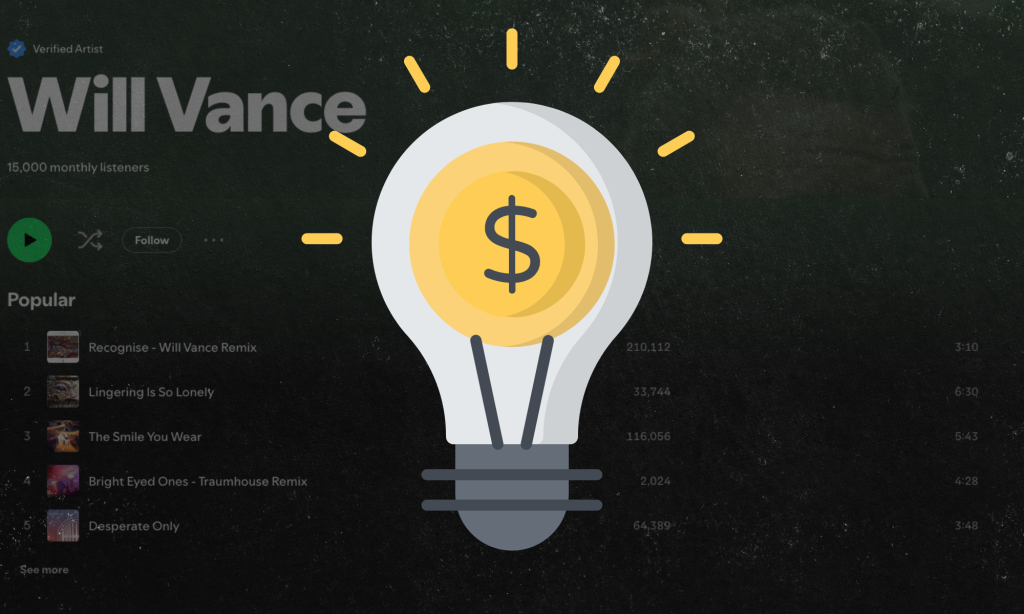
There are so many factors working against music producers’ getting paid these days, and so music producers, more than ever, have to have an entrepreneurial mindset. They have to be self-starters. They have to think about themselves and their craft, artistry, and technical skills more as a small business instead of just an artistic or creative vocation. That, most importantly, above all, means creating and adhering to your own work schedule.
That means showing up daily to do the work even though no one tells you. That means being creative in the different ways you can bring money in, thinking outside of the box, and thinking of new ways to connect dots that no one else has thought about to create value that people are willing to pay you for.
I think that’s a massive, massive difference between music producers of yesteryear and music producers of today. This is also one of the most challenging parts about being a modern producer, but also one of the most exciting, which is why I wanted to start this section off by highlighting that point here.
PR Guru / Marketer
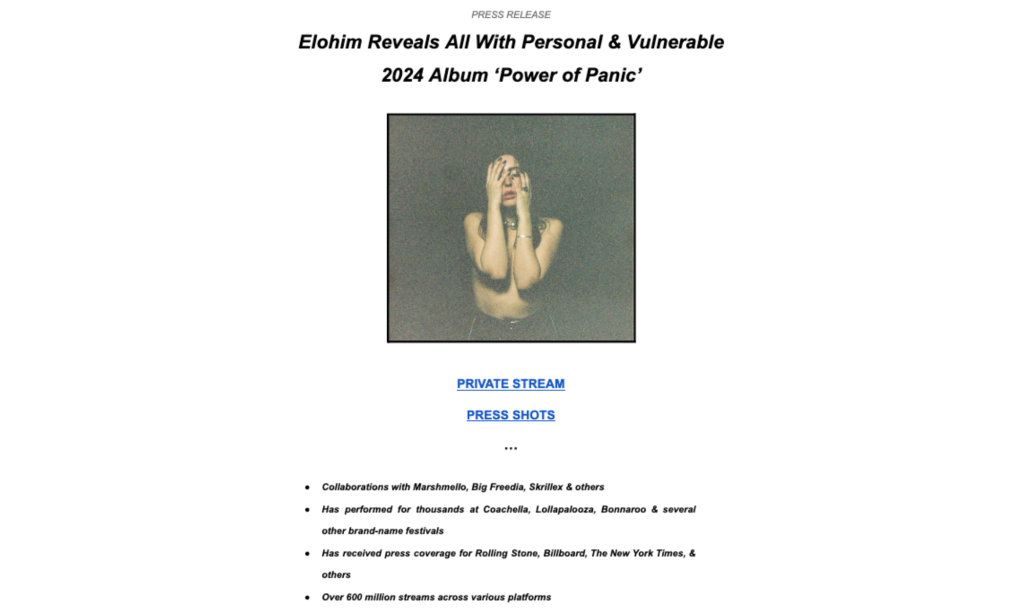
Audiences and fanbases attach themselves to identities and their ideas of who their favorite artists are, and your brand is one of the most essential things in a career.
So, being a marketer and PR guru is paramount to your success as an artist and producer. Crafting a brand for yourself that translates to the music you’re making and has one cohesive package is paramount.
It’s becoming even more critical as the internet, social interaction, and social media are the main ways we connect with other people instead of in the real world like we used to even 20 years ago. You need to craft an image and brand for yourself that connects with people in an online space, which would likely be a completely foreign topic to George Martin’s industry we mentioned at the top of this article.
Self-Advocate / Promoter
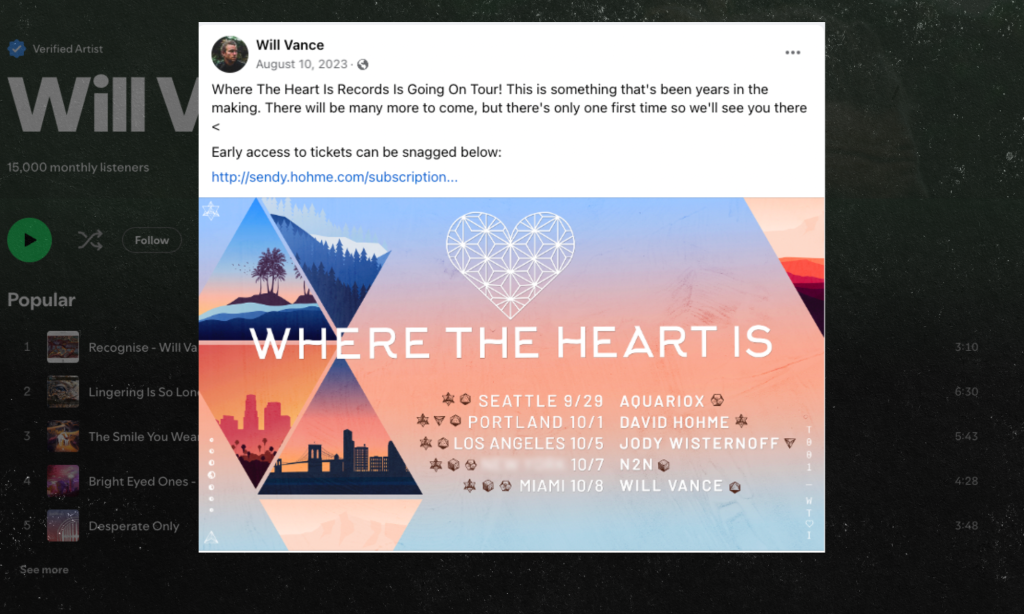
Music production, like any art form, is deeply personal. It’s self-expression and a guiding light for many creatives. But when you want to share it with the world and get paid, you must advocate for that self-expression. This barrier often dissuades many talented producers from going pro. Producers played a backseat role in the past, and many famous producers’ names were unknown, even on the most extensive records of that time but now a music producer must be a self-advocate and promoter to build a sustainable career today.
This doesn’t always come quickly to introspective, creative individuals drawn to music production for its solitary, innovative workflow. Luckily, it is a skill that can be practiced and perfected over the months and years.
Mixing Engineer
Once a music producer gets to a stage where they’re bringing in a sizable amount of revenue from their music and their art and their performances and all these different revenue streams, they usually can afford to outsource some of the more technical parts of the process, mainly when it comes to mixing their music and mastering it. But they must shoulder these responsibilities for the first large chunk of a music producer’s career.
But music producers these days, especially new ones and upstart ones early on in their careers, have to do these responsibilities entirely on themselves and get their music mixed professionally. Granted, there’s a lot to be learned and a lot to be said about how an artist and a music producer mix down their music and I’ve always thought that it plays a large part in what makes that artist’s specific sound and sonic identity unique to that artist.
But it’s still an utterly interdependent skill that artists and music producers need to master these days, whereas in yesteryear, music producers usually outsourced the mixing process to dedicated engineers.
Songwriter
In the past, people could work behind the scenes to write entire songs, which other artists would perform while others produced, mixed, and mastered. Nowadays, the producer usually writes the music, including chord progressions, melodies, samples, sound design, hooks, and bridges, handling everything from top to bottom of the song.
While you can get far in music production by creating loops and turning basic loops into a full track, I believe that the ability to tell a narrative story through music will become increasingly important as AI becomes more prevalent. AI will likely struggle with conveying emotion and storytelling, at least initially and having this skillset as a producer in tomorrow’s industry will be invaluable at securing your spot in the flood of bot-driven beats that are already creeping their way into every corner of the producer community.
Artist
A modern music producer must also be an artist…go figure.
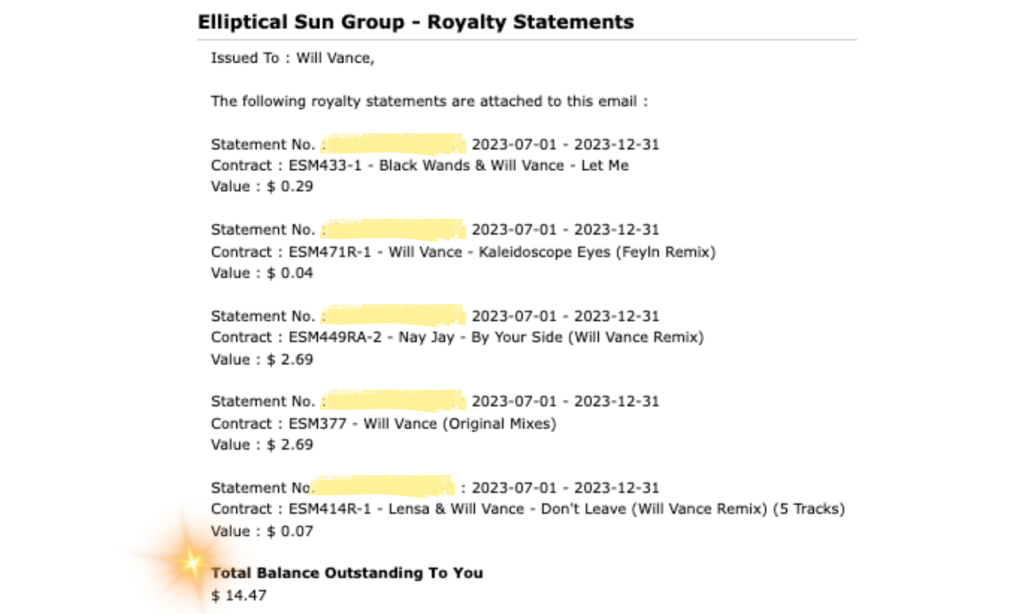
This point is placed last though for a specific reason: While artistry, creativity, and self-expression are fundamental, the music itself often pays the least despite taking the most time. This varies across different music fields, but generally, producers have multiple revenue streams, leveraging their skill sets and brands to make ends meet. Revenue from music, like royalties from record sales, streaming, or beat licenses, is often the smallest payment source. Exceptions exist, like Metro Boomin, who can sell beats for tens of thousands of dollars, but these are more exceptions that prove the rule.
How Is Music Produced?
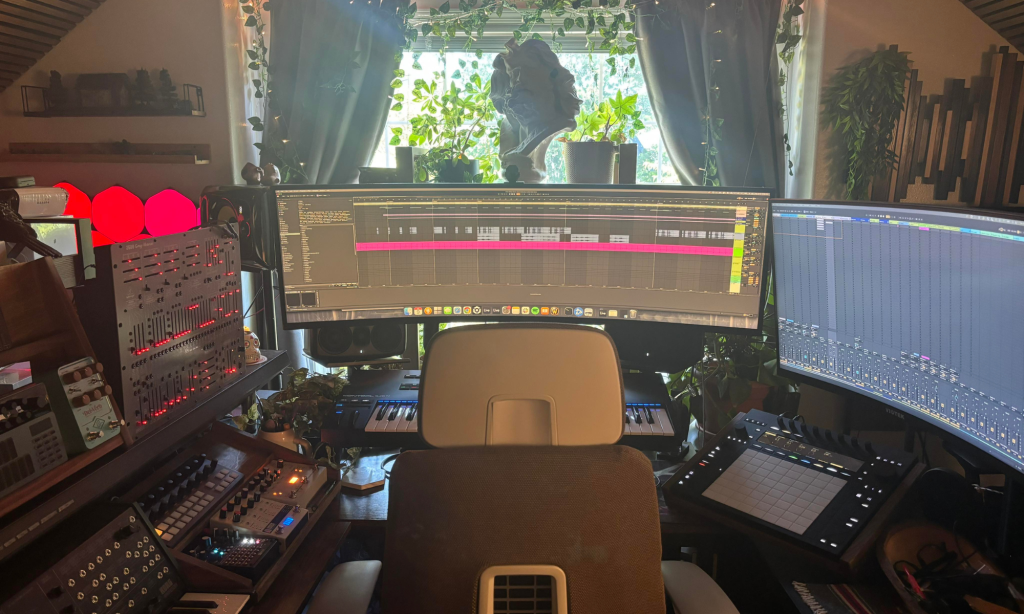
Asking how music is produced can be answered technically, but it also feels like an existential question. Essentially, music is made by showing up to the studio, whatever form that studio takes—whether it’s a laptop in a coffee shop or a fully equipped bedroom studio. The process involves doing the work, experimenting creatively, and refining ideas until they’re the best they can be by all modern metrics.
Technically, music production involves various instruments, such as synthesizers, microphones, guitars, virtual synthesizers, and loops, which are all tools used in combination to create musical ideas that are sonically polished and express a cohesive concept.
- Pre-Production: A music producer’s general workflow often begins with an initial concept, which can be considered pre-production. This involves generating an idea, such as a chord progression played on the piano or a lyrical phrase sung, hoping to build a song around it. The key is to start with this initial inspiration to develop the song further.
- Production: Once you have that initial idea, the next step is to add more ideas and flesh it out further. This involves seeking inspiration to develop the concept and adding more musical content to build a bulk of ideas. This phase, one of the most important parts of the production process, focuses on carrying the initial idea as far as possible without giving any mind to how far, or near, its finish line is. Creating and expanding on these ideas ensures you have a critical mass to work with and refine.
- Editing & Arranging: Once you have this critical mass of ideas and pushed them as far as you think they can go, the next step is to edit and arrange them. This involves sorting through all your ideas and selecting only the best ones the song needs. The process follows the concept that art is finished when there’s nothing left to take away. During this stage, you arrange the ideas to ensure they are impactful and presented in the best possible way, removing anything that does not serve the greater purpose of the song’s central theme.
- Mixing: Mixing is where things start to get technical. In this stage, you use tools like EQ, compression, panning, and volume adjustments to ensure all layers and instruments have space in the mix. This makes the mix sound polished, bright, and full and helps create the immersive experience that listeners will “consume” in the finished product.
- Mastering: Mastering is the final step in the process. It ensures the song is ready for distribution, achieving commercial volumes and consistent levels. This step also involves preparing the track for various formats and digital streaming platforms.
Earnings of a Music Producer
Asking how much a music producer makes is similar to asking an entrepreneur’s salary. The range is massive, from making nothing to earning millions. It likely will be next to zero for the few years of your career, but as you gain experience, you can incrementally increase your revenue that you’re bringing in. This happens as your skill set, network, and brand grow, allowing you to demand higher fees.
Climbing the industry ladder opens more opportunities, leading to multiple revenue streams just like a snowball effect that compounds over the course of a lifetime.
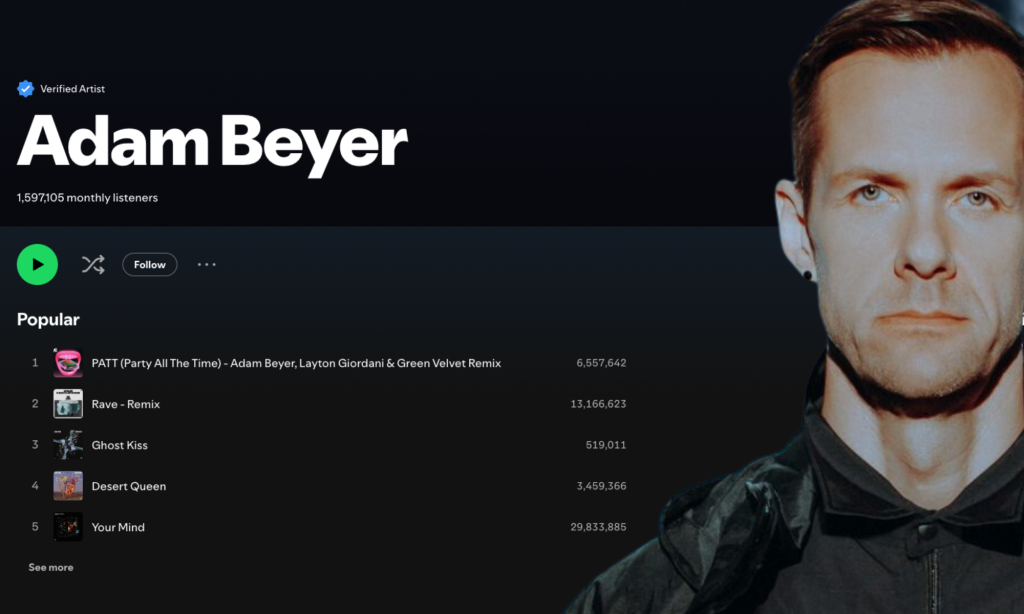
For example, Adam Beyer, a top techno DJ and producer, earns from his music, runs the successful Drumcode record label, and plays massive gigs. He likely has other investments and music-related income streams, such as publishing. Despite his success, in the grand scheme of things, he’s probably considered only middle of the road in terms of overall industry pay scale. Producers like Hans Zimmer in Hollywood and EDM megastars like Zedd earn even more.
Ultimately, like any entrepreneurial field, a music producer’s income depends on their effort, skill, network, and opportunities they create over time.
Essential Equipment for Music Production
It can be easy to look at studios like Hans Zimmer’s or Deadmau5’s, with their extensive modular synth setups, and think you need something similar to produce comparable music. However, the democratization and accessibility of music production today mean you really don’t need much to start.
The most crucial element is a DAW (Digital Audio Workstation). This is the primary tool for making music, rendering tracks, and showcasing your work. Everything beyond this—additional tools and equipment—is extra and can enhance the process but isn’t necessary to begin. Let’s discuss the DAW first and then cover the other additional tools.
Digital Audio Workstation (DAW)
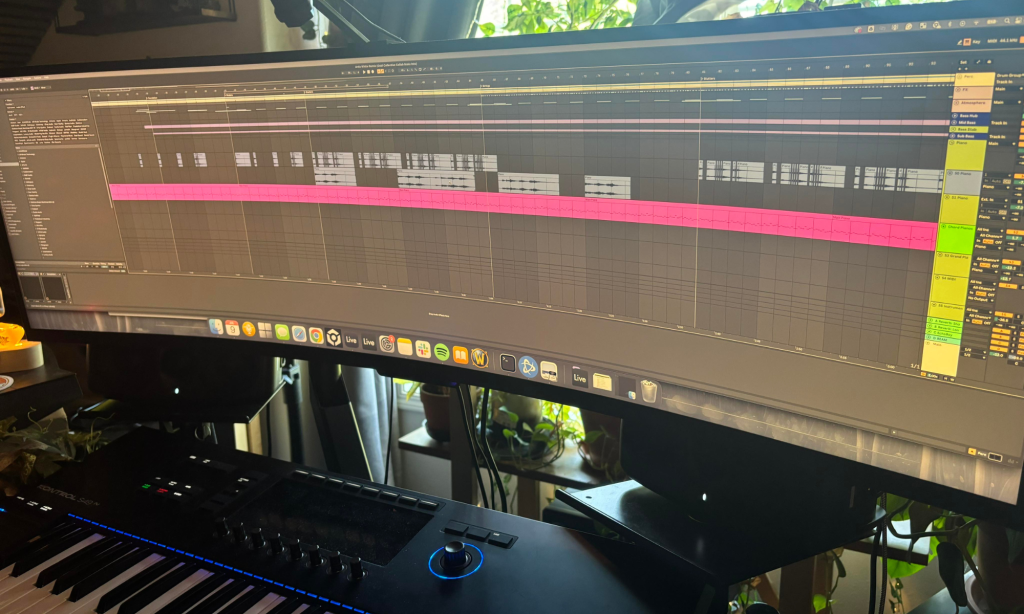
A Digital Audio Workstation (DAW) is a tool that deserves its own detailed article, but let’s summarize its main functions. A DAW provides a digital interface for creating, composing, arranging, and collecting musical ideas, which you can then render into a single audio file, like an MP3. It allows you to record audio, whether playing guitars or other instruments, and host means for controlling virtual instruments or sequence loops.
You can mix your music to achieve a polished sound using EQ, compression, and other tools within your DAW to ensure that your music sounds commercially polished and ready for distribution. You can also apply effects like reverb to enhance it. A DAW is basically the best and only way to start transforming the ideas from your head into a digital, renderable format.
Popular DAWs used in music production are Pro Tools, Ableton Live, and Logic Pro.
Audio Interface
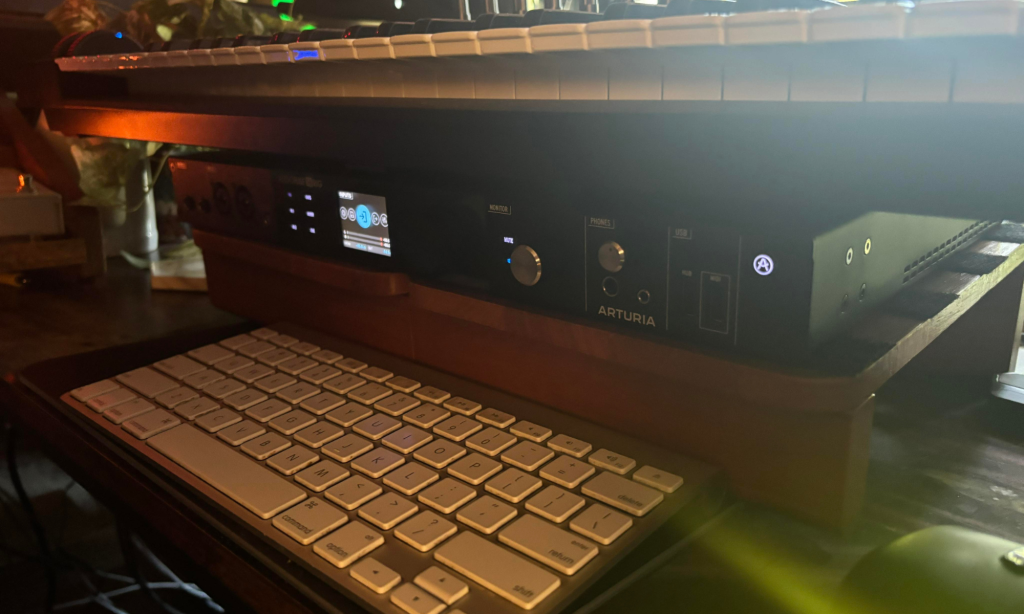
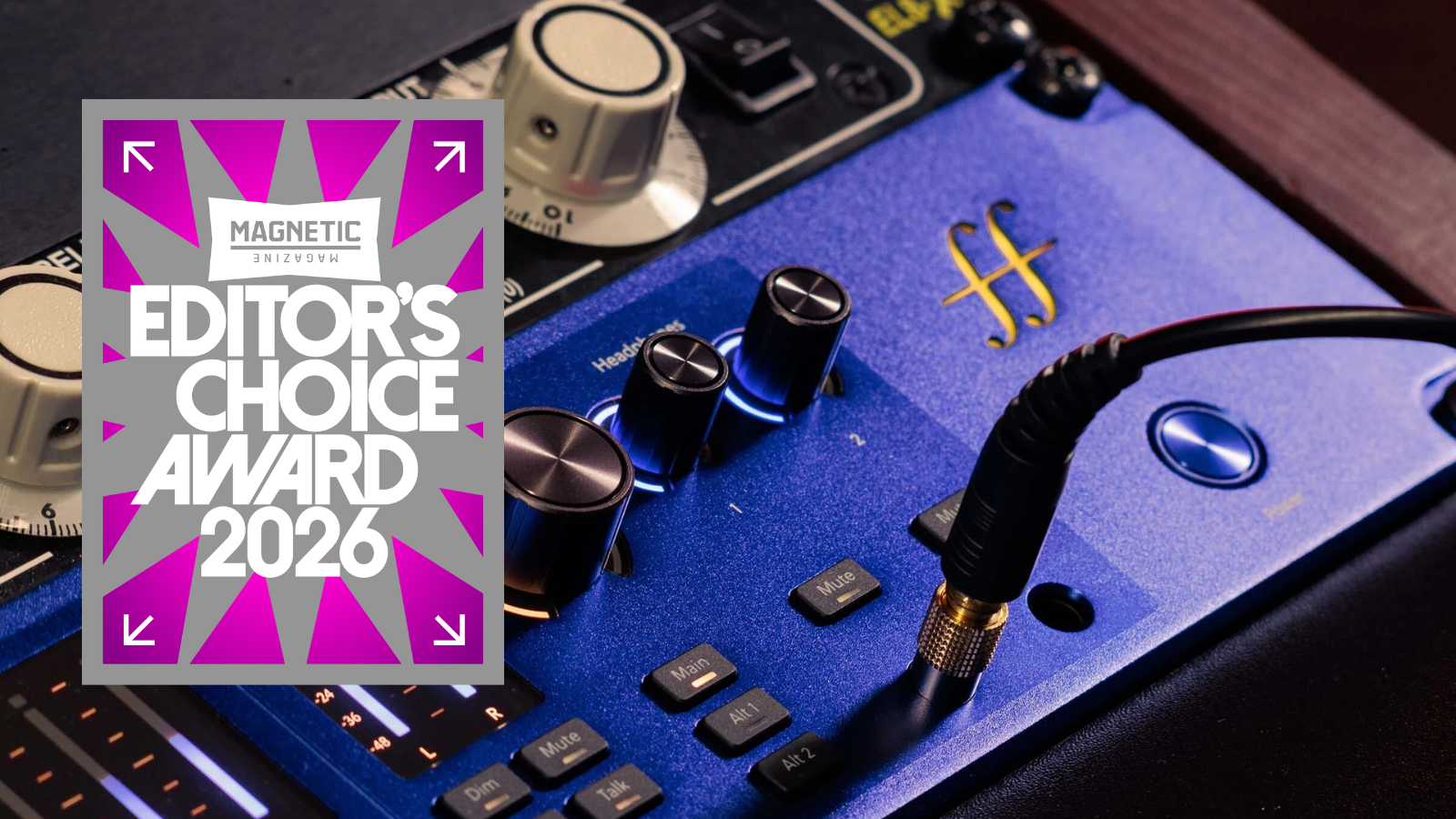
Audio interfaces are probably the next significant investment to consider but one often overlooked by newer producers. An audio interface converts digital signals into analog signals and vice versa. It converts audio from your computer into something your headphones or studio monitors can output as sound and, conversely, it takes a recording from instruments like electric guitars and converts it into a digital signal for your DAW. This digital signal can then be manipulated, mixed, and enhanced with effects.
A word from the wise: after about 15 years of producing music, I’ve found that the most significant upgrades in my sound quality have come from upgrading my audio interface. It’s surprising how much more detailed and lifelike your mixes sound with a high-quality audio interface. The converters that handle digital-to-analog and analog-to-digital conversion are what are doing most of the heavy lifting here and can make a significant difference in the detail of the sound coming out of your monitors. When you invest in a higher-quality or more expensive interface, you’ll start hearing details you never noticed before in your mix.
That’s not to say those details weren’t there all along, but you can’t fix what you can’t hear in a mix!
Studio Monitors

If you’re looking at it purely from an audio quality perspective, trusting in what’s coming out of your speakers is exactly what’s coming out of your DAW is the only way to make the most informed mixing decisions possible, everything short of that is guesswork. This makes the next most important component after your audio interface your studio monitors. These can vary widely in price, quality, and size; many are designed for specific purposes or markets. There are excellent entry-level monitors and great mid-tier monitors.
Researching and understanding your room size is essential to choose appropriate monitors. You don’t want speakers too large for your space or monitors too small to provide an accurate sound representation.
Microphones
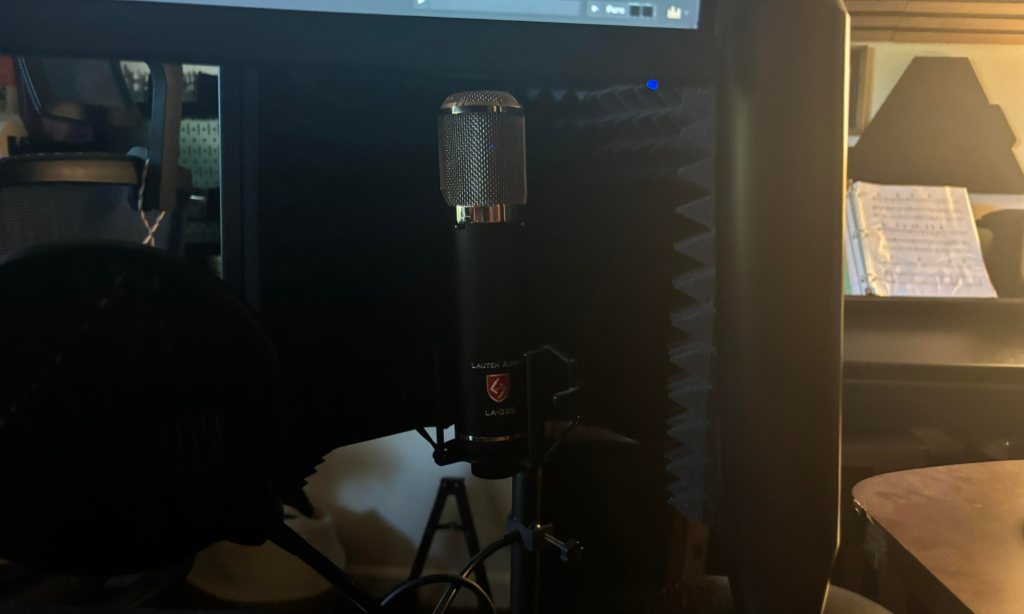
Microphones may be necessary or superfluous depending on the type of music you want to create or the content you want to produce. You might not need one, or you might not need a high-quality one. Microphones are great for recording acoustic instruments or vocals, but if you’re producing beats, EDM, club music, etc., you likely don’t need a microphone, as much of your work can be done entirely within your DAW.
Consider what you aim to do and your long-term music production and content creation strategies, and then determine if a microphone is necessary for you.
Headphones
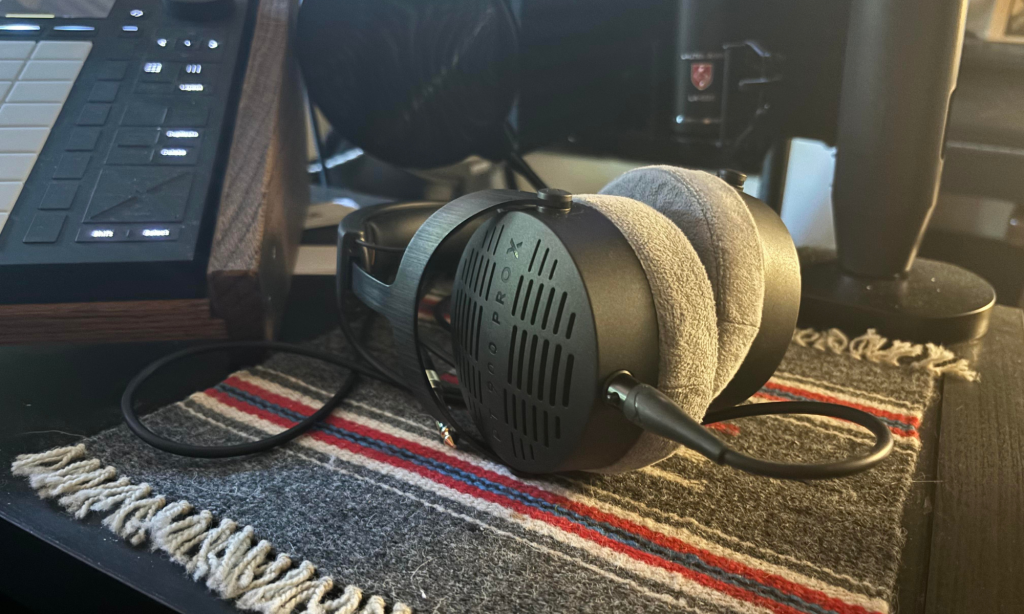
Headphones are a crucial investment for a music producer, and investing in a pair early is wise. They provide a portable listening environment, allowing you to produce music on the go, whether at a coffee shop, studio, or airplane. This accessibility is essential these days.
In the studio, even with high-quality studio monitors and calibrated room acoustics, headphones serve as an additional reference point. Referencing involves listening to your mix on different systems to see how it translates to various listening environments. Your listeners aren’t using perfectly calibrated monitors; they’ll use more casual consumer devices like iPods, random headphones, and laptop speakers.
An extra set of headphones helps ensure your mix translates well across different systems and allows you to get a more accurate representation of how others will hear your music, improving the overall quality and accessibility of your productions.
MIDI Controller
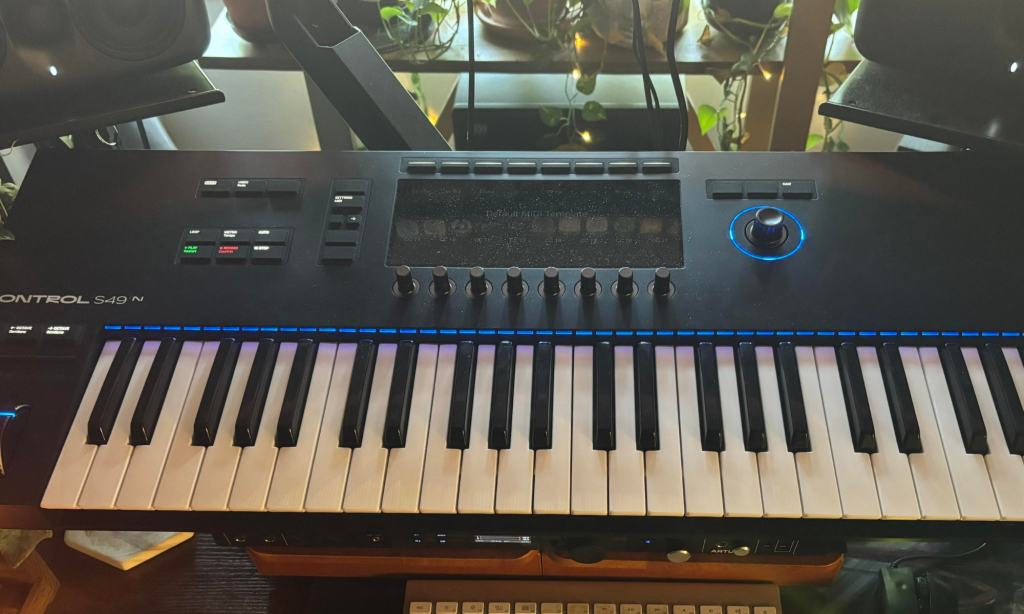
Most digital audio workstations allow you to use your mouse to click in different MIDI and have your virtual synthesizers play those notes. However, to add a human touch to your music, it’s best to play your instruments like a human would. MIDI controllers, such as MIDI keyboards or Ableton Push controllers, enable you to play and record MIDI notes physically in your DAW. This adds humanized expression to your music.
If you have piano skills or have taken keyboard lessons, these abilities directly translate to using a MIDI controller. This allows you to incorporate conventional instrument skills into your music production workflow, making the process more dynamic and less monotonous compared to clicking in notes with a mouse.
Becoming a Music Producer
I’ve said this several times throughout this article, but becoming a music producer today has never been easier. There’s virtually no barrier to entry. You only need to download software like Ableton or FL Studio on your computer and start learning by piecing together loops. However, there’s a vast difference between becoming a music producer and becoming one who gets paid for their work.
Becoming a paid music producer is a long journey, typically taking about a decade, maybe less, of practice and perfecting your craft. This involves reaching a level of skill to where your music and skills aren’t just at a professional level, butare so good that people pay hard-earned money to have access to it in an age where most people assume that listening to music should be free (I personally don’t but it’s just the general consumer culture we live in today thanks to streaming services).
Moving from a self-described music producer to a professional one should be seen more as adopting a lifestyle. Music production is my guiding star, influencing my choices and habits. I exercise daily for a clearer mind in the studio, avoid drinking to maintain mental clarity, meditate every morning for better concentration on my DAW, and prioritize good sleep for better productivity and longer sessions in Ableton.
I’ve been dedicated to this for almost 15 years. Over that time, opportunities have gradually presented themselves, allowing me to build a career as the manager of this production-based website, an instructor and educator, a record label manager, and more. It’s funny that my skills in the studio certainly landed me all of the above positions, even if the hours I spend in Ableton itself pay the smallest of my monthly bills. There won’t be a sudden moment when you get hired as a music producer and start working a nine-to-five job. Instead, it’s an entrepreneurial lifestyle where you slowly build a small business and, in doing so, create a sustainable life, getting paid for what you love to do.
It’s a long road that is totally possible as long as you are ready to roll with the punches, commit to the craft, and love every minute of the ride without ever giving up! Best of luck to you, and I’m sure we’ll cross paths one day as long as you stay with it. This industry is much smaller than you think…

Will Vance is a professional music producer who has been involved in the industry for the better part of a decade and has been the managing editor at Magnetic Magazine since mid-2022. In that time period, he has published thousands of articles on music production, industry think pieces and educational articles about the music industry. Over the last decade as a professional music producer, Will Vance has also ran multiple successful and highly respected record labels in the industry, including Where The Heart Is Records as well as having launched a new label with a focus on community through Magnetic Magazine. When not running these labels or producing his own music, Vance is likely writing for other top industry sites like Waves or the Hyperbits Masterclass or working on his upcoming book on mindfulness in music production. On the rare chance he's not thinking about music production, he's probably running a game of Dungeons and Dragons with his friends which he has been the dungeon master for for many years.