
We all want our music to sound like a living, breathing piece of art, but achieving that gold standard is as tricky as getting “less from more.” But how many of you, when asking friends for feedback on your music, receive comments like:
- “This production needs more movement…”
- “This track needs more warmth…”
- “This beat has no soul to it…”
- “This music is lifeless…”
But then offer no solution to how it’s done, leaving us frustrated and with more questions and fewer answers than when we started.
Having produced melodic and organic house music for about a decade, a genre that necessitates adding movement and character to almost all its instruments, I’ve figured out a handful of tricks and tools that help inject life and imperfections into my music. I’ve compiled a list of some of my favorite tools for you to do the same. So that next time somebody gives you feedback on your latest work similar to the thoughts above, you’ll have a bank of potential tools to fix the issues.
So, let’s dive in…
Lifeline Console
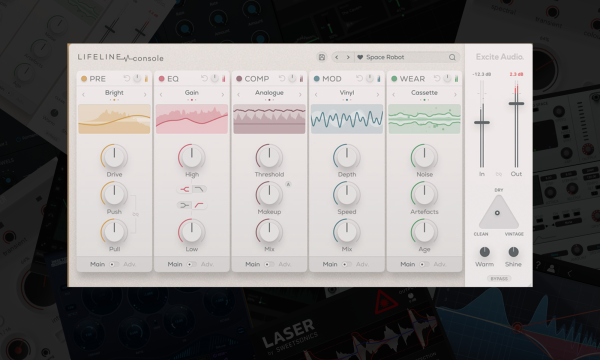
This plugin is an absolute showstopper, and I’m honestly sad it’s only recently come across my radar. While I wouldn’t say, it’s a direct competitor to multi-effect consoles like the popular saturation plugin RC-20, ignoring the similarities is impossible. And yet, where RC-20’s effects seem to be more on the LoFi and textural side, Lifeline’s multi-effect board shines at genuine authenticity in the sonics of the music it’s applied to.
Where most of the other plugins I will include on this life come into their own when you add multiple modulation points to make the sound morph and shape over time, Lifeline Console is really, and I don’t mean to sound too dramatic; the secret sauce to making simple presets, and lifeless stacks of chords sound alive and vibrant.
Here are a few things that stood out to me about Lifeline:
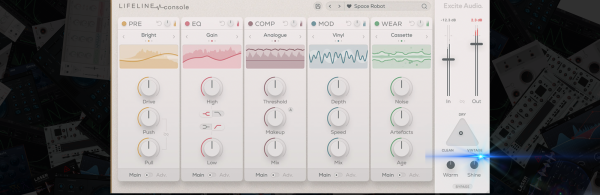
- A Massive Bank Of Presets: Out of the box, there are over 300 presets you can quickly scroll through, all neatly organized by instrument and effect type, which is incredibly inspiring to throw on a channel and explore how Lifeline can enhance your track.
- Warm + Shine Controls: This is my favorite set of parameters on this plugin, as it helps glue either the low or top ends of the mix together organically and naturally. Even plugins like RC-20, when applied to these bands, often prove to be brittle or overly distorted, whereas Lifeline sounds fantastic.
Learn More While Helping Our Team Of Writer’s Through Our Affiliate Partnership With Plugin Boutique Here
INSTINCT
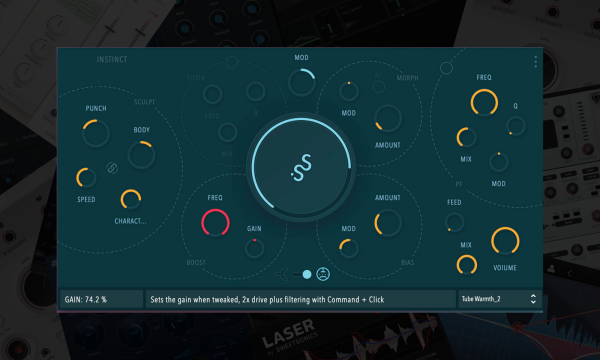
One of the leading reasons your music sounds lifeless and dull is that it sounds overly “digital.” So what does that mean? It all comes down to making your music sound like it was made on expensive hardware, even if it was made entirely in the box, and Instinct by Inertia Sound Systems is one of the best tools to do this. Hardware is unpredictable, with its timbre and character changing as the internals of the synth warms and cools, which is tricky to recreate entirely in the DAW.
But the multiple different points of light modulation that Instinct has allows for delicate and subtle changes in texture and warmth on any channel that it’s applied to, allowing for some of the most faithful recreations of the life and texture hardware gear is known for, and that software often lacks.
Here are a few things that stood out to me about Instinct:

- It Sounds Dope On Drums: This plugin’s handful of drum-related presets sound amazing on acoustic drum hits. The tape saturation drives the transients, making choice layers like snares, rim shots, and shakers pop out of the speakers.
- It Sounds Even Better On Pads: Many producers love saturation on their bass lines, but I love it even more on pads. Their wide range of dynamics means they affect input-dependent plugins like this even more so as they introduce different colorations and modulation amounts as the pad changes over time.
Learn More While Helping Our Team Of Writer’s Through Our Affiliate Partnership With Plugin Boutique Here
Laser
Having LFOs isn’t the only way to make your music come alive. When I learned that sidechain compression could be an equally fantastic tool, making your music seem like it’s dancing with itself, a MASSIVE lightbulb went off in my head.
While decent results can be achieved with conventional sidechaining from transparent compressors like Ableton’s faithful Glue Compressor, third-party plugins dedicated to the job do it even better.
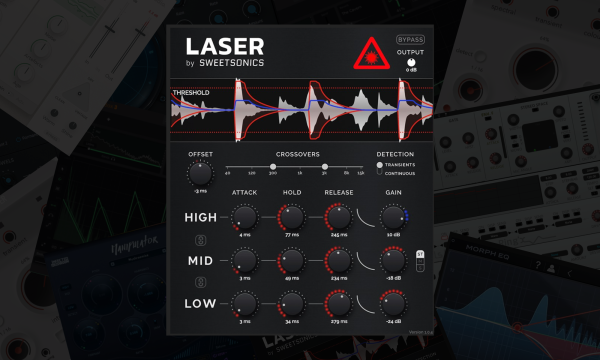
Laser is one of the most potent multiband sidechain plugins that allow different elements in your mix to move and step in and out of each other’s way. Sure, on the surface, it’s a tremendous technical mixing tool, but driving some of the parameters a bit more aggressively than you think you need to injects a surprising amount of life and energy into the sound.
Here are a few things that stood out to me about Laser:
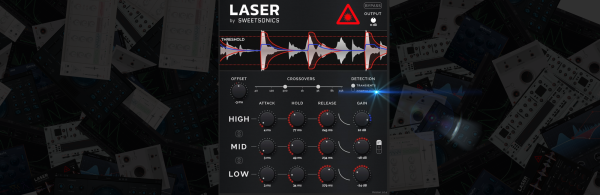
- Fluid + Transparent Compression: Don’t think your kick is the only thing in a mix that can trigger compression. Sidechain elements to vocals, snares, FX, and more to create a living, breathing piece of music.
- It Gives You A Strong Start: Once you’ve selected your input, hitting the Laser button at the top of the plugin adapts the parameters to get you into a fantastic starting position to further tweak. It sets you up for success, regardless of what you’re triggering or mixing.
Learn More While Helping Our Team Of Writer’s Through Our Affiliate Partnership With Plugin Boutique Here
MORPH EQ
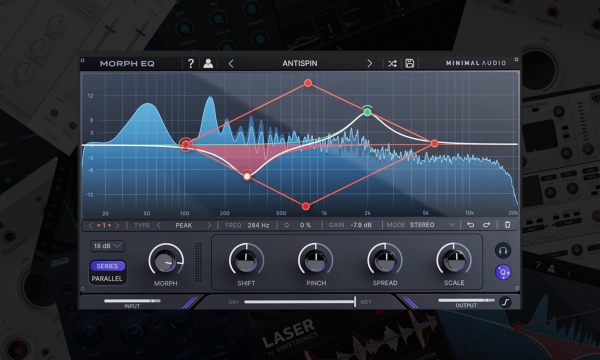
The Morph EQ is legitimately one of the more innovative plugins to have come on my radar over the past year for mixing and sound design, and now, being aware of just how much life and excitement this adds to a sound, I’m a bit shocked more EQs don’t have a more robust LFO and modulation matrix.
The Morph EQ is great for two things: being used lightly and being used aggressively, and it really doesn’t have a specific genre it thrives in. I’ve seen some of my other producer friends use this as their go-to tool for making heavily modulated Neuro-bass patches and ear-ripping dubstep synths, which I think it’s simply magical when used with light touches with broad Q parameters and slow LFO speeds to add pecise tuned tape effects for that classic nostalgic quality to my pads and synths.
Here are a few things that stood out to me about Morph EQ:

- It’s Diverse: It’s one of those rare plugins that unlock more use cases the better you know how to work it. My bass music producer friends fly around these modulation points to get results I could never dream of, having only a slightly-more-than-basic understanding of how the plugin works and its potential.
- I Love The Interface: Despite the complex results this Morph EQ can achieve, the interface is pretty easy to understand. There isn’t a ton of menu diving or modulation routing, which could have been included in a plugin with as many features as it contains, making it fun to bust out and try on different sounds.
Learn More While Helping Our Team Of Writer’s Through Our Affiliate Partnership With Plugin Boutique Here
Manipulator
A filtered saw pad, or any instrument, filling up the background of the chorus doesn’t need to be anything more than that as long as it has some specific WOW factor that makes it earn its spot in the limelight of the mix…
You are probably wondering what the hell I mean by that, right?
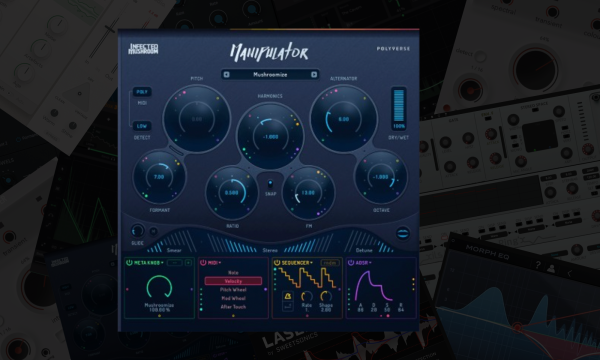
I mean that not every instrument needs to be a lead or the listener’s focal point, but every channel should have something that makes it memorable to the listener. If you’re struggling to inject enough life and modulation into something, there’s no better tool to reach for than Infected Mushroom’s Manipulator. I love letting this thing sit idle on an atmospheric pad playing low in the background of my track, but crank up the movement and manipulation parameters during the breakdown to let that subtle pad suddenly grab my listeners by the ears and demand their attention!
Here are a few things that stood out to me about Morph EQ:

- Strange Movements: We’ve all become accustomed to synth-based music and expect things like filter and pitch movements from our synths, but using the ADSR envelope to modulate some of the crazier parameters in the plugin creates unexpected changes in the sound that adds an entirely different type of life into the track that most listeners will never see coming.
- The Dry/Wet Knob: This such a simple feature, but it’s the secret sauce to letting this plugin stay dormant until you need to inject a ton of life and movement into a track; automate up this slider and let your channels, busses or master channel come to life.
Learn More While Helping Our Team Of Writer’s Through Our Affiliate Partnership With Plugin Boutique Here
NATURALISER
So much goes into making music produced on a laptop sound like real people recorded in a studio. You can waste hours on every project manipulating the samples’ lengths, tiny timing adjustments, minor pitch anomalies, and more. But Rast Sounds gave us a massive solid and created a plugin that automates this time-sucking and detail-oriented part of the process.
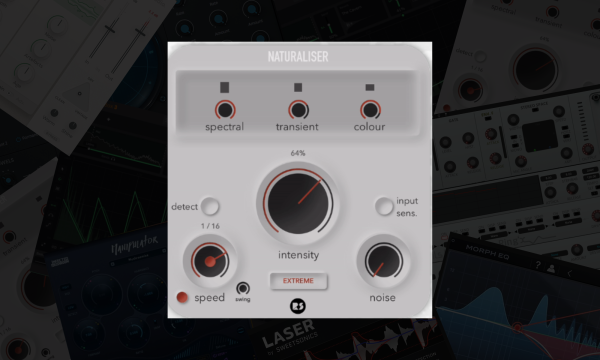
Naturaliser is an incredibly easy-to-use plugin that you could theoretically put on any channel. However, it really shines when used on drums and lead synths, essentially any element that usually commands the most attention from your listener.
It helps make tiny changes in the pitch and timing of different hits, allowing for micro amounts of imperfections to be introduced to the signal, which has compounding effects on the project at large, making it sound exponentially more authentic and full of life than if you were to have everything on the grid and ideally in pitch.
Here are a few things that stood out to me about Naturaliser:

- The Intensity Knob: This is a quick and easy way to automate how much of the effect is being applied to the sound. I love using light amounts for most of the sound, but cranking up the amount for transitions between sections to draw more attention to the imperfections it creates and help move the song from section to section.
- The Transient Parameter: I love throwing this plugin on almost any MIDI-based drum sequence and adjusting the Transient knob, which will make every hit slightly different from the previous one. When used subtly, it can make practically any rigid MIDI drum loop sound amazing (especially with conventional groove templates).

Will Vance is a professional music producer who has been involved in the industry for the better part of a decade and has been the managing editor at Magnetic Magazine since mid-2022. In that time period, he has published thousands of articles on music production, industry think pieces and educational articles about the music industry. Over the last decade as a professional music producer, Will Vance has also ran multiple successful and highly respected record labels in the industry, including Where The Heart Is Records as well as having launched a new label with a focus on community through Magnetic Magazine. When not running these labels or producing his own music, Vance is likely writing for other top industry sites like Waves or the Hyperbits Masterclass or working on his upcoming book on mindfulness in music production. On the rare chance he's not thinking about music production, he's probably running a game of Dungeons and Dragons with his friends which he has been the dungeon master for for many years.







![Baby Audio HyperWarp Review: Why Less [Processing] Is More](https://magneticmag.com/wp-content/uploads/2026/10/Untitled-Design-88.png)



![Baby Audio HyperWarp Review: Why Less [Processing] Is More](https://magneticmag.com/wp-content/uploads/2026/10/Untitled-Design-88-1024x683.png)
![How It Was Made: Lang Father i(Junkyard Dog) [Welofi]](https://magneticmag.com/wp-content/uploads/2026/10/Press-Pic_2-1024x576.jpg)