Dance music has been relevant globally for many decades. Still, the dance music boom of the early 2000s saw the emergence of superstar DJs like Avicii, David Guetta, and Calvin Harris whose rise to stardom has been nothing short of a cultural phenomenon. These maestros have dominated the charts and etched their names into the very fabric of global pop culture. Their ascension to stardom poses an intriguing question: in an industry that is constantly in flux, is the rise of another such colossus a possibility or a remnant of a bygone era?
This article embarks on a quest to explore the potential for a new DJ to rise to the pantheon of global superstardom in the current market landscape.
The era of superstar DJs was characterized by an unprecedented fusion of electronic beats with mainstream pop sensibilities, creating anthems that ruled both dancefloors and airwaves. As we delve into the makings of a modern musical icon, we must consider the seismic shifts in how music is consumed, produced, and shared, coupled with the reality of what it takes to become a phenom in today’s digital landscape. With such a revolution at our fingertips, the journey to superstardom has new hurdles and milestones, demanding a fresh analysis of the future for aspiring DJs.
Curious about the tracks that reshaped electronic dance music? Discover ’20 Songs That Redefined Electronic Dance Music Throughout the 2000s’ – uncover the list here.
The Moving Goalposts Of Popularity Metrics

The path to becoming a superstar DJ is paved with more than just being an incredible producer or the life of the party in your respective city; it’s a complex interplay of visibility, streaming success, digital presence, and entrepreneurship. In the past, a DJ’s popularity was gauged by fairly straightforward metrics, such as album sales, chart positions, and radio airplay.
However, the advent of streaming services and social media platforms has revolutionized these measures of success, if not wholly redefined them. The equation also includes streaming figures, playlist features, and viral moments on platforms like TikTok. Yet, the waters remain murky: producers may accumulate hundreds of thousands of streams, however, the casual and passive way modern audiences consume music means these artists may have little to no name recognition and still struggle to sell tickets, even in their hometowns.
It’s important to consider how these platforms can influence which songs become hits to grasp the full extent of these changes. An algorithm can bury a talented artist in obscurity or propel an unknown act to fame with a spot on a coveted playlist, leading to millions of streams. These platforms do more than just host music; they shape millions’ tastes and listening habits, potentially charting the course of an artist’s career.
This evolution has spawned a new generation of DJs who must perfect the art of digital engagement to earn their place alongside veteran career DJs who made their names long before the internet reached its current ubiquity.
Ever wondered why DJs allow people behind the decks? Find out in ‘Why DJs Let People Behind the Decks: Four Reasons Why They Pack the Booth (Plus a Funny Story)’ – discover the reasons here.
The Algorithmic Influence on an Artist’s Popularity
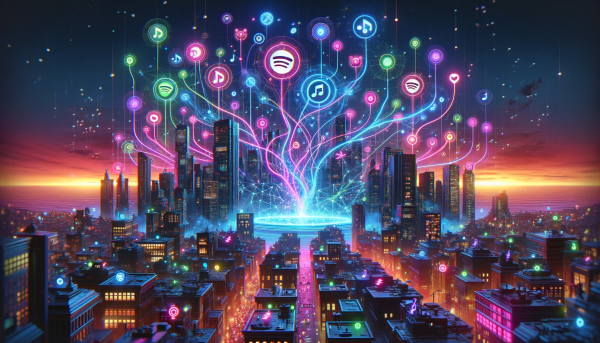
The invisible hand guiding today’s music discovery is, without a doubt, the algorithm mentioned above. These complex formulas can make or break a DJ’s career by dictating which songs are pushed to potential new fans. While this can democratize discovery, offering a platform to unknown artists, there is a flip side. Critics argue that algorithms may inadvertently homogenize the music landscape, amplifying tracks that conform to popular patterns while diminishing the diversity of the music that reaches listeners’ ears.
With the rising relevancy of independent playlists on platforms like Spotify, indie playlist curators have become the new gatekeepers in the space, allowing them to scratch the backs of other playlist curators and labels, making the playlist space hyper-territorialized where backroom deals are often decided with swaps, trades, dollars or credits instead of the merit and quality of the productions.
This raises a critical debate about the role of algorithmic curation in shaping the future of music stardom. Can a DJ’s unique sound pierce through the formulaic noise to reach a global audience, or will they be lost in a sea of data-driven recommendations? The general trend seems concerned that while algorithms help some DJs gain exposure, they might also prevent others from achieving the widespread recognition that comes with being a superstar DJ.
The ‘Right Place, Right Time’ Phenomenon
The tales of the most legendary DJs often resemble serendipitous alignments of cosmic proportions — the right track dropped at the right moment for an explosive rise or a chance back-to-back session with another legend that spirals into a legendary club moment. Such narratives are not merely about chance; they underscore the significance of the cultural zeitgeist in the making of a superstar.
Indeed, while talent is timeless, the context in which it is showcased often proves pivotal. The concept of ‘being in the right place at the right time’ has taken on a virtual dimension, where a DJ’s breakthrough track aligns with the trends and moods of the digital zeitgeist, thrusting them into the spotlight. However, sustaining momentum is an exponentially more significant challenge in the swiftly evolving, content-driven landscape of the algorithmic music industry.
Grasping the ephemeral nature of musical trends is essential for those aiming for superstardom. DJs who achieve fame produce exceptional music and demonstrate an intelligent understanding of the cultural pulse. Artists like Drake collaborate with emerging talent to maintain relevance — a strategy that benefits both parties. Yet, how many burgeoning DJs possess the leverage akin to Drake’s? More are sure to emerge. The next wave of superstar DJs will be those who can instantly connect with the collective consciousness, using every tool available to captivate a global audience craving the next big sensation. The lingering question is which emerging artist possesses the resources to seize that opportunity worldwide when the moment arrives.
Oh ya, there’s a term for that…
Industry Plants and The Making of a Star
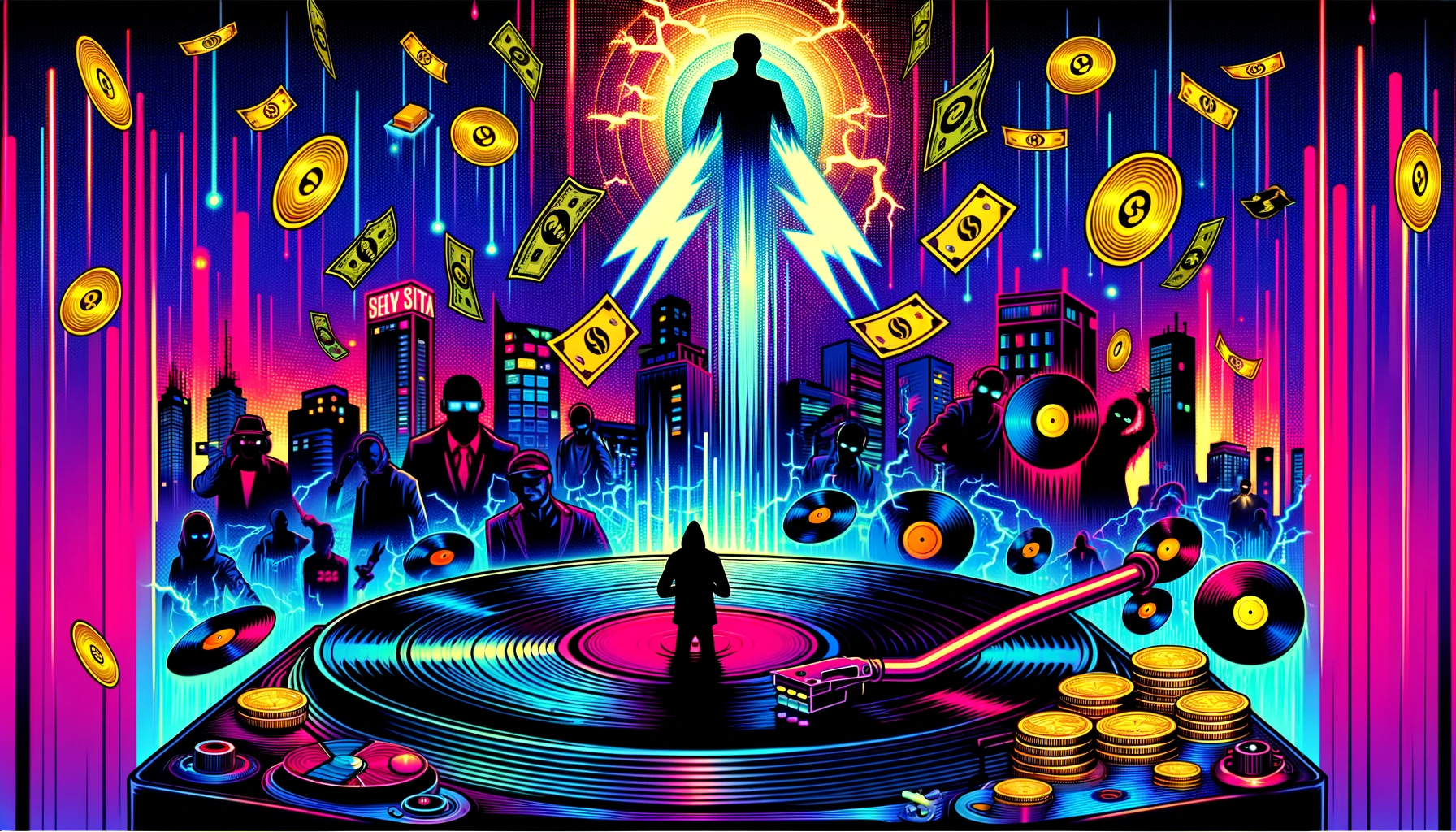
The concept of an ‘industry plant’ — an artist secretly backed by a record label to appear as an independent success — remains a hotly debated topic. To some, this term casts a shadow over the authenticity of an artist’s grassroots success. Yet, in the cutthroat milieu of the music industry, label backing can be vital. It’s disheartening for those without connections to see seemingly out-of-nowhere artists often well-linked to industry influencers or financially supported by the family. But anyone who has had a glimpse into the industry knows these moves are standard — they always have been and likely always will be.
For those aspiring to make it in music, accepting this reality as “just the way it is” can be the first step toward defining personal success. Indeed, there might be the occasional artist who defies the odds, becoming a global-scale party DJ thanks to a viral TikTok hit, but such instances are as rare as lightning striking the same place twice. Recognizing the inherent unfairness of the industry is crucial. Once acknowledged, one can use this understanding to one’s advantage, identifying the unique X-Factor within and carving a distinct path forward.
The Nostalgia Factor and the Legends of EDM
The titans of EDM have set a soaring standard, reaching a level of fame that eclipses their genre. Avicii, Guetta, and Harris melodies have become generational anthems, their legacies now fueling the dreams of emerging DJs. Within the music community, there’s a deep nostalgia for these icons and, more crucially, their origin stories. These narratives inspire and pose a formidable challenge to the new wave of artists.
Confused about the term ‘Dance Music’? Unravel the truth in ‘Stop Calling EDM EDM – Here is a Proper Definition’ – get the accurate explanation here.
Music discovery was an adventure in the pre-algorithm era, often involving deep dives into unknown territories and experiencing live sets. The enigma surrounding a DJ’s setlist added a magical allure to the night, an allure now somewhat diluted by instant song identification apps like Shazam and the relentless stream of Spotify’s algorithm-curated playlists.
Yet, the journey of unearthing a track on one’s own fostered a profound connection to the producer who made it and the DJ who featured it the night before, naturally nurturing a path to fandom that has launched countless iconic careers. While not disparaging Spotify’s discovery algorithms — which I believe are powerful and advantageous for both DJs and listeners — it’s undeniable that they have transformed the paradigm. They’ve replaced the serendipitous joy of organically discovering your next favorite track with a preordained selection.
So What’s It All Mean?!
The debate surrounding the emergence of the next superstar DJ is as complex as it is captivating. The digital landscape introduces new challenges and opportunities, indicating that while different, the algorithmic route to superstardom remains achievable. This evolution isn’t necessarily detrimental to the music scene as a whole.
In the post-Covid era, there’s been a shift in the industry, with music enthusiasts opting to save their budgets for festival seasons rather than frequenting clubs. These festivals, often beyond the capacity of regular clubs, provide a platform for industry giants and simultaneously expose audiences to up-and-coming artists in the daytime lineup. This dynamic, though intricate, offers a silver lining for those looking optimistically.
Regarding the aspirations of young producers, DJs, and artists, many enter the industry dreaming of reaching the heights of Skrillex, Tiësto, Nick Warren, or other top-tier artists, often underestimating the demands of a megastar lifestyle. The stark reality of stardom involves constant travel, minimal sleep, producing exceptional music, limited family time, dealing with industry nonsense, and maintaining a likable persona for future collaborations. Personal experiences on tour and witnessing the mental strain on fellow DJs have revealed the harsh truths of this lifestyle, including financial struggles despite years of touring.
Algorithms indeed wield the power to thrust artists into the spotlight, boosting streams, followers, and other industry vanity metrics. However, these metrics only partially influence ticket sales. Thus, while it’s crucial to understand and utilize algorithms to advance one’s career, it’s essential to recognize that this is just one aspect of a multifaceted and demanding music industry career.
Need More Music? Check Out Our Massive, No-BS list of the Saddest Songs In Dance Music

Will Vance is a professional music producer who has been involved in the industry for the better part of a decade and has been the managing editor at Magnetic Magazine since mid-2022. In that time period, he has published thousands of articles on music production, industry think pieces and educational articles about the music industry. Over the last decade as a professional music producer, Will Vance has also ran multiple successful and highly respected record labels in the industry, including Where The Heart Is Records as well as having launched a new label with a focus on community through Magnetic Magazine. When not running these labels or producing his own music, Vance is likely writing for other top industry sites like Waves or the Hyperbits Masterclass or working on his upcoming book on mindfulness in music production. On the rare chance he's not thinking about music production, he's probably running a game of Dungeons and Dragons with his friends which he has been the dungeon master for for many years.