The art and science of audio capture have come a long way, and DPA Microphones stand as a vanguard in this evolution. Specializing in creating versatile, high-quality microphones, DPA caters to audio engineers, musicians, and content creators’ needs. In the following interview, we delve into the intricacies of microphone versatility, discussing DPA’s product range and cutting-edge technologies like real-time head-tracking and DSP (Digital Signal Processing).
We sat down with the experts at DPA Microphones, who are hailed as the Swiss army knife of the audio world, to pick their brains about how to get the most out of your versatile mics, saving you time and money having to buy a different mic for each situation will still achieve unparalleled clarity, definition, and resolution across multiple applications on stage and in the studio.
How would you define versatility in the context of microphones, and why is it important in recording or live sound applications?

For DPA specifically, versatility in sound means that no matter what source is placed in-front of one of our microphones, you will get sonic clarity, the best definition and the most transparent resolution. Since our company philosophy is to create mics without coloration, nearly every microphone can be used on almost any source if necessary.
DPA is ideal for times when you want to mic a source and have it reproduced as it truly sounds. Starting with an accurate microphone ensures that not much will need to be fixed in the audio path that follows (i.e., the console or outboard gear), saving time and money. When you start with an inaccurate mic, you face limitations on sound quality and resolution that even the most high-end outboard gear cannot always fix.
Can you provide some examples of versatile microphones that are suitable for multiple applications and explain which mic features enable this versatility?
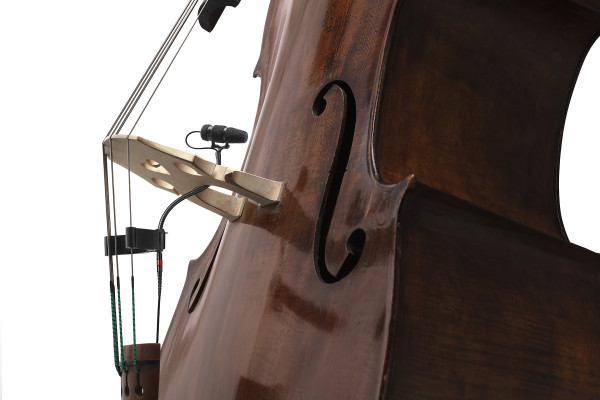
The DPA 4099 Instrument Mic, which is designed to mount on most acoustic instruments, has an identical polar pattern across all instruments and applications. It doesn’t matter whether someone is using the original Legacy version or the current CORE version designed for extreme SPL; wired or wirelessly – the DPA 4099 will deliver. It is the Swiss army knife of microphones.
The entire selection of DPA pencil microphones are also great for someone to have in their arsenal. The 4000 Series is modular, which means we can swap the preamps to attain different sizes and SPL handling.
It can also be made wireless by attaching an active cable that terminates in microdot, which interfaces with most third-party wireless systems. One of the most popular options in the line is the 4011 Cardioid Microphone, which is considered a standard for recording studios and PA/live production companies all over the world.
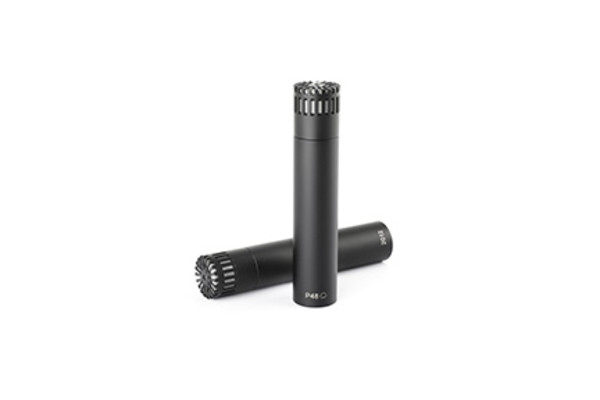
We also have the 2000 Series, which is not modular, but as a result puts it into a lower price category for a wider range of users. We launched several new solutions in this series this past year, including the 2012 Compact Cardioid Microphone – an all-around generalist pencil mic that guarantees excellent results on any instrument on a live stage and is equally at home in the studio.
It features durable, reinforced construction, excellent transient response, uniform cardioid directionality, and outstanding SPL handling, as well as the DPA standard of natural and precise sound reproduction. The new 2015 Compact Wide Cardioid Microphone is another great solution to consider, especially for overhead and ambient miking applications.
The takeaway is that your initial microphone purchase can transform into many different solutions. Even just one DPA mic is a good tool to have and offers a great ROI.
How does a versatile microphone’s frequency response and polar pattern affect its ability to capture a wide range of sources?

The main thing differentiating mics from each other is directivity – how much sound it picks up from any direction. Still, it is not always easy to judge the effect of the polar pattern on the recorded sound. Ideally, polar patterns should remain the same at all frequencies, but this is not always the case. Instead, they may change with frequency. With an Omnidirectional Microphone, you will get an even sound capture from all directions, whereas Wide or Open Cardioid Microphones, which also capture from all the way around, will attenuate the sound from the rear and, therefore have more pickup in the front. By contrast, a Cardioid Microphone only picks up sound from the front and sides, and not from the back.
DPA microphones are linear at all angles, both on- and off-axis to the source. This means that you can reject un-wanted sound and focus on what you want to capture, depending on the polar pattern. This prevents phasing and intelligibility issues. It also allows multiple microphones to co-exist without coloration, providing more gain before feedback. So, whether using a Super-cardioid, Cardioid or Wide Cardioid, you will be in a good place to capture what is desired and reject what is not.
As a bonus, an omni-pattern microphone (like the 4006 modular pencil condenser or 4060 miniature mics) when used in conjunction with directional microphones, can capture the low-end detail more accurately to complement production needs further.
How do you balance using a versatile and specialized microphone in a recording or live sound setup?
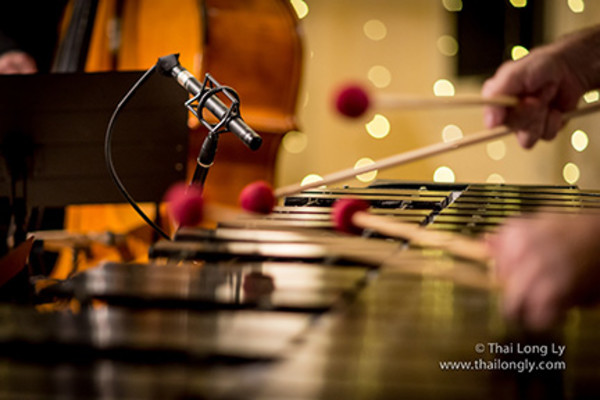
This is something that the engineer determines. Using tried and true miking techniques like X/Y, ORTF or AB with DPA microphones will guarantee that the on- and off-axis will sound alike because of the linearity of the capsule. For example, when you place overhead drum mics or a Decca tree over a conductor’s head to capture an orchestra perspective, it will sound natural, accurate and balanced just like the live audiences’ ears hear the sound.
Of course, balancing is an art and is influenced by the shape of the space you are in. So, you can document a balanced performance with a few measurements and DPA microphones very well.
Can you discuss the role of digital signal processing (DSP) in enhancing the versatility of modern microphones?
Most of the time, DSP microphones differ from ones found in recording studios.
DSP are embedded chips that deal with audio processing, telecommunications and even mobile phones. They can control dynamics, level and routing. In microphones, they can also impact gain structure, sensitivity and polar patterns. DSP can also alter microphones to reduce things such as background noise, and can also be found in security sensors or be designed to monitor environments for any fluctuations in the sound scape. It’s part of the future for sure.
In my opinion, it may also make assembling electronics easier and faster, now and in the future.
Where can newer producers find resources or educational materials for those interested in learning more about versatile microphones and their applications?
I would point end users to the DPA Mic University tab on our website, where you will find many application concepts and creative ideas and learn about general scientific audio theory.

Will Vance is a professional music producer who has been involved in the industry for the better part of a decade and has been the managing editor at Magnetic Magazine since mid-2022. In that time period, he has published thousands of articles on music production, industry think pieces and educational articles about the music industry. Over the last decade as a professional music producer, Will Vance has also ran multiple successful and highly respected record labels in the industry, including Where The Heart Is Records as well as having launched a new label with a focus on community through Magnetic Magazine. When not running these labels or producing his own music, Vance is likely writing for other top industry sites like Waves or the Hyperbits Masterclass or working on his upcoming book on mindfulness in music production. On the rare chance he's not thinking about music production, he's probably running a game of Dungeons and Dragons with his friends which he has been the dungeon master for for many years.