Music discovery and curation have changed substantially since its earliest days. As little as three decades ago, DJs coveted their limited edition vinyl releases and would fight for first dibs when a new pressing dropped at their local record store. But now are the days where exclusivity is all but impossible, at least in its conventional form.
Now, we live in an age where a seemingly infinite number of tracks are released and uploaded daily, and the only exclusivity that exists is how easily a track can be found online. And before the hipsters chime in with, “DJs send promos to each other all the time months before it released on Spotify,” note the title of the article and understand that those DJs aren’t likely wondering the questions that drew you to this article in the first place…obviously.
Curious about where DJs find their killer tracks? Check out ‘Where Do DJs Get Their Music? The Complete Guide for Digital Crate Diggers’ – uncover the secrets here.
You’re here to find the best-released music playing in your DJ sets. Spotify’s algorithms and the quality-of-life features technically designed for the consumers can work just as effectively, if not more so, for the working DJ. With just a couple of hours a week of crate digging on Spotify, you can have a massive bundle of music from smaller artists that nobody has heard before to drag to Beatport and snag for yourself and the crowd at your next gig.
Having just recently had a release drop (linked below) and a series of gigs around the corner, let’s use some of my music as a jumping-off point on Spotify to use as the ultimate crate-digging tool to find more music to snag and play next time on the decks.
Start A Playlist And Let Spotify Do The Heavy Lifting
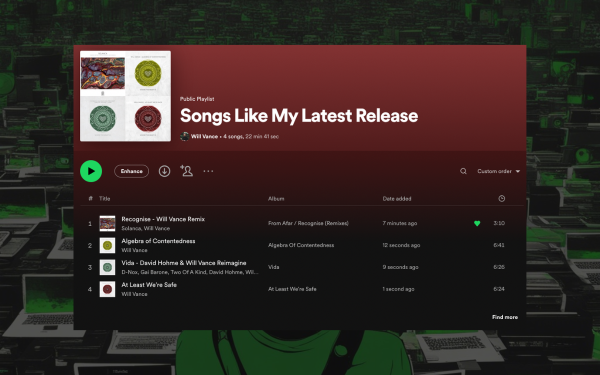
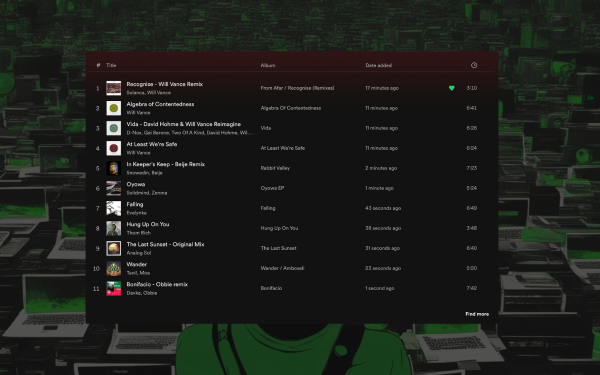
So, say we are looking for tracks that sound like a particular artist or a specific release. The most accessible algorithmic tool to lean on will be the recommendations Spotify has to help populate the playlist. So let’s will break down a handful of different methods in the next section with the first steps being to give Spotify a bit of data to work with, and then let it do the majority of the heavy lifting for us.
As the image above shows, I’ve added a handful of my tracks to the playlist, as our main goal is to find other artists in my niche and maybe have a couple of new tracks to buy on Beatport for the next DJ gig. Now, let’s see how we can use all of Spotify’s bells and whistles to find some amazing music made by undiscovered artists.
Spotify’s Recommendations
Once Spotify has a small amount of information about the tracks you’re looking for, it will populate the bottom half of a playlist with other recommendations that it thinks would be a good fit for your playlist. Often these recommendations are far from perfect, but we’d say that 1/10 are pretty solid, and 1/20 are incredibly impactful. With this method, it’s all a numbers game, so let Spotify’s algorithm spoon-feed you recommendations until the cows come home and sift through the tracks as quickly and efficiently as you can. Remember, you’re strictly doing recon right now and throwing anything that catches your eye into a fresh playlist.
Ronny Ho of Spotify explains this aspect of their service,
“Our global flagship House playlist, Housewerk, is a perfect example. If you’re a tech house artist, you could end up in Housewerk where users with a higher affinity for tech house are likelier to hear your song.”
This demonstrates how Spotify’s algorithm fine-tunes its recommendations to match creators and listeners perfectly.
The best way to expedite this process is to use Spotify’s key commands. With Spotify open, Mac users can hit the Command + Left Arrow key, and it will jump to the next track in the queue. I usually keep my mouse hovered over the midway mark on the track’s timeline for dance music and 1/3 of the way through the track for almost every other genre, as this is when the meat and potatoes of the music are often on full display. I can usually tell within a second or two of listening if the track has potential for me and if it passes this most basic test, it’s added into the playlist of potential tunes to buy.
For more insights into how Spotify’s algorithmic magic works and enhances playlist curation, read the full interview with Ronny Ho here.
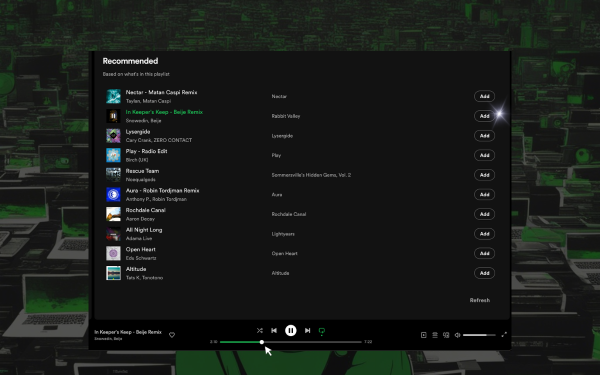
In a matter of minutes, we discovered many tracks that sounded quite similar to the sound and vibe of the track with which we started this journey. We played fast and loose, adding any track that caught our attention in the initial song-gatherings stage. Then, we pruned down the tracks that didn’t have the staying power after listening through the playlist multiple times over the following days.
What started as a playlist with well over 25 songs I found in about 15 minutes of digging using this method was parsed down to about seven that we liked enough to consider buying/playing (once you minus the original four of my productions that we started the playlist with).
Interested in discovering Spotify’s hidden talents? Delve into ‘How to Discover the Best Unknown Artists on Spotify’ – uncover the underrated here.
Good Old Spotify Enhanced
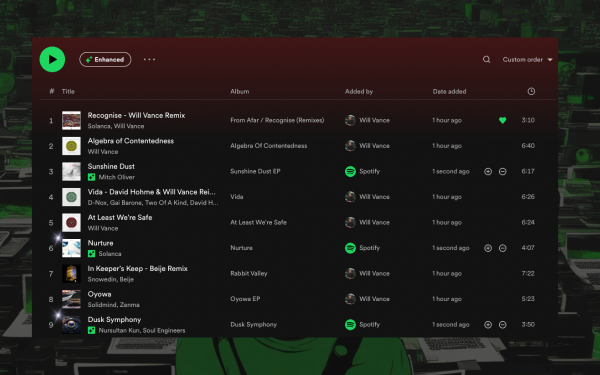
Spotify’s Enhance Playlist feature is another powerful tool to help source and find music for your DJ sets and becomes all the more potent once your playlist is populated with more tracks you like and would play.
We did an entire guide on how to get the most out of Spotify’s Enhance Button and a deep dive into what it is, so we’ll try to make this section a bit shorter and let you head over to the guide on Spotify’s Enhance feature, but for now, know that relying on this feature can help Spotify bundle up track recommendations and populate your playlist with a ton of music that it thinks you would like. Naturally, not every track will be to your liking or have the potential to be played in your next set, but the fact that it auto-populates with a ton of fresh and undiscovered music makes it a fast and efficient way to crate dig on the platform.
The Magic Of Smaller Artist Radios
While being a potentially endless source of new music, the method of algorithmicly populating of a playlist will inevitably grow a bit stale, and it’s time to spread the wings and find other clever avenues to dig for new music. Music discovery has always been about diving down rabbit holes, so in the spirit of that, let’s find out where we can take our journey from here using the curation devices at our disposal.
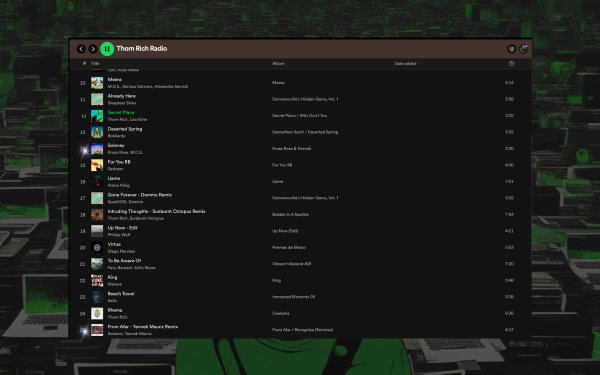
My gut instinct would be to see where we’d end up if we dug more into Solanca’s sound, but I had never heard of the smaller (at least at the time of writing this article; who knows where he’ll be a year or two from now) act Thom Rich until we started digging for new music; let’s see where exploring his sound leads us.
Almost every artist on the platform has their radio station, and digging through what Spotify thinks is similar to them can often yield results you would never have expected. Sure, we all likely follow the heavy hitters of whatever genre, niche or otherwise, of music we tend to DJ. Still, those radio stations are too often populated with the most popular tracks in the genre at the moment. Just take a look at the image below and you’ll see songs and artists that have long been on the radars of the masses and will lack the uniqueness you’re likely after in your own sets.
You may find a smaller and undiscovered melodic house track on the Lane 8 Radio station, but it’s far more unlikely than looking for similar genres and vibes on a playlist like Thom Rich’s Radio. Diving into this playlist, as you can see in the image below, we see a couple of familiar, smaller faces and many new acts that have never crossed our radar.
And, of course, this is just the first stage down the musical rabbit hole that we can go as we can always find more artists on these playlists, which lead us to their specific Radio stations, and the cycle starts again as we discover new acts and artists every step of the way.
Artist Playlists
While this doesn’t have so much to do with Spotify’s algorithms or anything, if your pride as a DJ allows it, allowing touring artists and top-tier labels to take some of the crate-digging off your shoulders can save you a ton of time and help you find just the right types of selections you need for your selves.
It’s become an industry standard for artists and labels to curate their Spotify playlists to include and support the music they’ve played in their DJ sets. While most top-level DJs are playing unreleased tracks and only update their playlists with the music that has seen an official release, these lists can instantly supply you with a wealth of music you know your favorite artists have supported. Not all of their tracks will fit your vibe, but even if 1/10 are worth considering, you can quickly scan through music and find the gems and hidden cuts Spotify would never have recommended for you.
Need a massive list of even more of our favorite Spotify playlists? We Got You!
The Power Of The ‘Discovered On’ Section
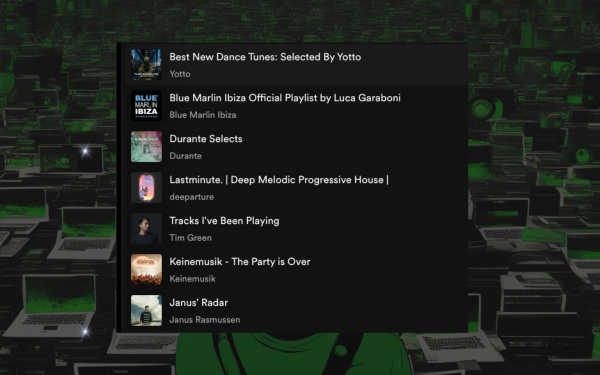
Moreover on the notion of playlists as a vital resource for discovering new music for your DJ sets, having an abundant collection of playlist that you trust and is frequently updated can keep you with an endless stream of recommendations to check and discover. And while playlists curated by your favorite DJs are by far some of the best places for this, using the ‘Discovered On’ section on your favorite artist’s page can also give you a steady string of playlists that are actively supporting the artists whose sound you love in the first place.
Something to remember here as well is that it’s best to avoid top-level artists when using this trick, as their ‘Discovered On’ tab will likely first show Spotify’s Editorial playlists, which, while including some of the most famous music out at any given day and in any given genre or vibe, you are likely looking for undiscovered and unique music which is far more likely to be found in mid-sized playlists. This is because Spotify displays the playlists in this section in order of what is driving the most streams to the artist, so obviously, Spotify’s playlists, which generate hundreds of thousands of streams, are shown first.
Ever wondered why DJs allow people behind the decks? Find out in ‘Why DJs Let People Behind the Decks: Four Reasons Why They Pack the Booth (Plus a Funny Story)’ – discover the reasons here.

Getting The Most From Release Radar
This one is likely obvious, but we saved it until the end for more than just that reason. While implementing these different ways to discover new music for your DJ set, you’ll likely come across a TON of music you dig but would never play.
You should be saving this music and following these artists like your life depends on it because every Friday, your release radar will be stocked with all the artists you follow. It will instantly offer up a ton of music you’re inclined to like, support, and play on a silver platter. This is doubly powerful, as it serves new music hot off the press instead of music you might love but is past its prime in terms of release dates. If you’re focused on playing the freshest and newest music in your sets, the Release Radar is your best friend.
Want to host a party like Boiler Room? Get tips from ‘How to Throw a Boiler Room-Style Party: Dialing in the Underground Experience’ – plan your event here.
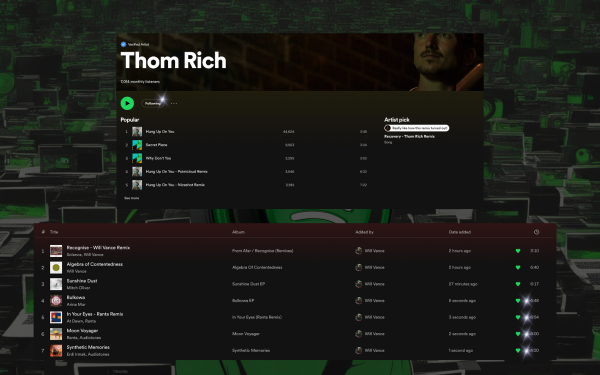
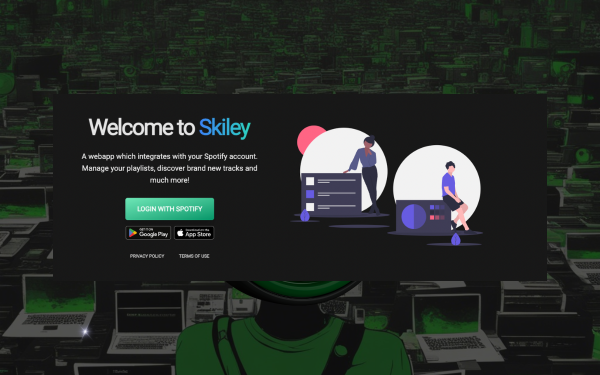
Saving songs to your Library can also be incredibly powerful when coupled with an app like Skiley, which syncs up with your Spotify account to refer to and recommend tracks based on the music saved in your library. So, while going into an artist’s profile can add an extra step of friction to the process, simply giving a song a heart and moving on can later be chased in using these apps to deliver an even more unending supply of tunes to head over to Beatport and purchase.
Final Thoughts
The crowd isn’t going to care how or where you went crate digging, and while many purists swear by sites like Bandcamp or other platforms, ignoring Spotify and the tools that it offers is doing your crowd and your time as a working DJ a disservice. Because we’re living in a time where over 60k songs are uploaded and released each day, every curator has the cards stacked against them, and relying on some of these powerful tools for music discovery is one of the best ways to stay ahead of the curve and offer the unique experience to your fans.
Hopefully, by now, you have a better understanding and some tips and tricks to use the most popular streaming platform in the world as a powerful tool for music discovery and see why it’s an essential part of even our musical discovery process. Just make sure you’re supporting the smaller artists and labels you discover using these methods by purchasing the music you play!
Curious about the secrets to DJ success? Find out in ’25 Essential Pieces of Advice Every DJ Wishes They Could Tell Their Younger Self’ – learn more here.

Will Vance is a professional music producer who has been involved in the industry for the better part of a decade and has been the managing editor at Magnetic Magazine since mid-2022. In that time period, he has published thousands of articles on music production, industry think pieces and educational articles about the music industry. Over the last decade as a professional music producer, Will Vance has also ran multiple successful and highly respected record labels in the industry, including Where The Heart Is Records as well as having launched a new label with a focus on community through Magnetic Magazine. When not running these labels or producing his own music, Vance is likely writing for other top industry sites like Waves or the Hyperbits Masterclass or working on his upcoming book on mindfulness in music production. On the rare chance he's not thinking about music production, he's probably running a game of Dungeons and Dragons with his friends which he has been the dungeon master for for many years.






![How It Was Made: JOKESONYOU & DJ IP – OTTF [Teletech]](https://magneticmag.com/wp-content/uploads/2026/08/artwork-ottf-1024x1024.jpeg)