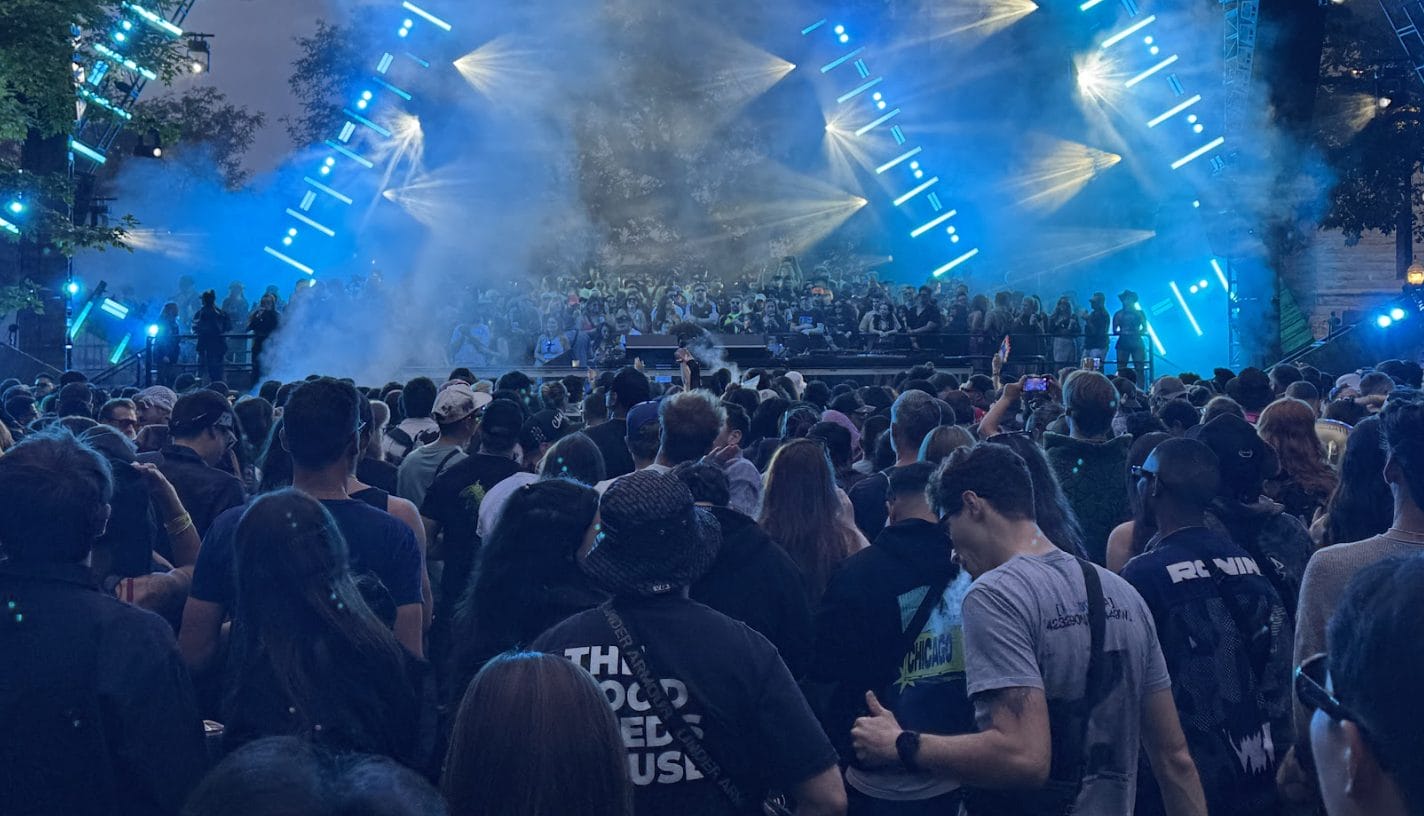
In an era of streaming platforms and digital downloads, radio airplay still holds a pivotal role for artists striving for financial and critical success.
Not only does radio outreach offer an expansive platform for new music, but it also provides a classic yet evolving channel for artists to reach diverse and financially empowered demographics. Herein lies the medium’s power, reinvigorated by partnerships like the one between Listn and Syndicast that aim to harmonize traditional media with digital platforms.
Listn and Syndicast: Merging Traditional and Digital Realms

Although radio has its roots deeply embedded in the past, it is far from old-fashioned. A recent partnership between Listn, a trailblazing online platform known for its innovative promotion strategies, and Syndicast, a powerhouse in global radio plugging and syndication, proves radio adapts to modern needs.
This partnership amalgamates Listn’s artist-centric marketing approach with Syndicast’s global reach, enabling artists to pitch their tracks to many FM and online radio stations worldwide. This could be seen as a modern renaissance for radio airplay, connecting it to digital landscapes and providing more equitable opportunities for artists, irrespective of their location or label affiliation.
Learn More How They Can Get Your Music On Radio Here
The Multi-Generational Appeal of Radio
Radio isn’t just for the older crowd; it’s also capturing the ears of younger listeners. Millennials and Gen Z now make up 39% of public radio’s audience, surpassing the 35% of baby boomers. However, attracting them is only half the battle, as younger audiences spend far less time listening. The industry has been historically geared towards baby boomers, and that needs to change if radio is to keep the attention of its newer, younger audience.
Public radio has the unique advantage of offering diverse content that can bridge generational gaps. Yet, to fully capitalize on its multi-generational appeal, radio needs to do more than attract younger listeners—it needs to keep them engaged. A potential solution could be to diversify programming and consider new donation models that resonate with younger, tech-savvy audiences who may not write checks but still want to support content that matters to them.
The bottom line is that radio isn’t a dying medium; it’s evolving. It continues to offer emerging artists a viable platform for monetization and visibility, especially with listeners who have disposable income. But for public radio to remain relevant and financially sustainable, it must embrace change and serve its increasingly diverse and multi-generational listener base. Adapting to this new landscape isn’t just a good idea; it’s essential for radio’s survival in the age of digital music.
The Diminishing Importance of Both Labels and Geography
Forget the notion that you need to be in music hotspots like New York or L.A. to make it big; international radio airplay can catapult emerging artists into global stardom from virtually anywhere. Think about it: one spin on a popular radio station in Tokyo, Berlin, or São Paulo exposes your music to an entirely new audience, unlocking markets you didn’t even know were an option. It’s not just about the ears; it’s also about the cultural nuance each market brings, adding layers of reception that purely digital platforms may lack.
The symbiotic relationship between record labels and radio stations has been a cornerstone of the music industry for decades. Even in the digital music and streaming age, radio airplay remains a vital tool for labels to introduce new music to the public. While the rise of social media and streaming platforms has diversified how labels can promote artists, radio still offers a unique blend of localized audience targeting and broad demographic reach. Record labels invest heavily in promotional campaigns to secure airplay, which is instrumental in making a song part of the public’s consciousness and driving record sales.
However, the landscape is shifting. Radio listenership has declined from its peak, but it still provides a powerful medium for exposing new music. Where large record labels once dominated the airwaves, independent labels and artists now have limited opportunities to feature their music, particularly on non-commercial and college radio stations. Meanwhile, once the gatekeepers of public taste, radio stations have adapted by incorporating digital methods to gauge audience preferences, such as tracking plays per week (PPW) and using advanced software for playlist creation. Both industries have adopted new technologies like Broadcast Data Systems and Mediabase to stay relevant and practical.
Even as digital music platforms increase, the role of radio in breaking new music and contributing to an artist’s success remains significant, underscoring why radio airplay still matters in today’s complex music ecosystem.
Commercial Opportunities Beyond the Airwaves
Radio airplay isn’t just about immediate listenership; it’s a career catalyst that can open floodgates of opportunity for emerging and established artists. A track that gains radio momentum often becomes a magnet for high-profile concerts and festivals, offering artists a pathway to significant financial gains and a growing fan base.
Radio’s “seal of approval” also significantly boosts an artist’s visibility during awards season. Major industry accolades such as the Grammys or the American Music Awards frequently spotlight artists with solid radio presence, amplifying their market value and overall industry cachet.
Additionally, radio airplay can be a golden ticket to lucrative synchronization deals in film, television, and advertising. A song that’s made waves on the radio is often perceived as more commercially viable and more likely to be chosen for these high-paying, high-visibility placements.
Far from being an obsolete medium, radio airplay remains a potent force that synergizes with digital platforms. Songs that gain traction on radio often see a corresponding uptick in online streams and downloads. In this digital age, radio is an indispensable amplifier for artists, driving multi-platform engagement and opening doors to many career-defining opportunities.
Conclusion: The Timeless Relevance of Radio
The advent of digital platforms does not render radio obsolete but enriches its potential. With millions of listeners tuning in weekly, the medium still holds considerable sway. By forming strategic partnerships, companies like Listn and Syndicast exemplify how radio continues to adapt and remain relevant. For artists seeking extensive reach, fan engagement, and potential commercial opportunities, the radio remains a potent tool in their promotional arsenal.
Radio airplay continues to prove its worth in an industry where new pathways to fame and fortune are continually emerging. One would not underestimate this enduring medium as it adapts, evolves, and remains a vital part of our musical landscape.

Will Vance is a professional music producer who has been involved in the industry for the better part of a decade and has been the managing editor at Magnetic Magazine since mid-2022. In that time period, he has published thousands of articles on music production, industry think pieces and educational articles about the music industry. Over the last decade as a professional music producer, Will Vance has also ran multiple successful and highly respected record labels in the industry, including Where The Heart Is Records as well as having launched a new label with a focus on community through Magnetic Magazine. When not running these labels or producing his own music, Vance is likely writing for other top industry sites like Waves or the Hyperbits Masterclass or working on his upcoming book on mindfulness in music production. On the rare chance he's not thinking about music production, he's probably running a game of Dungeons and Dragons with his friends which he has been the dungeon master for for many years.