Tips At A Glance
Going to your first EDM festival is one of those things that can feel simple until you start planning the actual weekend. You buy the ticket, book the room, text the group chat, and assume the rest will fall into place. Then the practical stuff starts stacking up: arrival times, set conflicts, hydration, rideshare surges, bag rules, phone battery, food costs, weather, and the very real issue of getting home after everyone is tired, and as much as we’d love to make sweeping changes to festival culture sometimes, dealing with the reality is really the only option.
That is why the best first festival experience usually comes from boring preparation. The fun part takes care of itself once you get through the gates, and the quality of your weekend often depends on what you handled before the first set. Your ticket source, your hotel location, your shoe choice, your meeting spots, and your plan for getting back safely will affect the weekend as much as the lineup does.
For tickets, it helps to start with a clean buying process.
A marketplace like TicketX can be an amazing tool for comparing available tickets for concerts, sports, and live events, especially since its own site positions it as a platform for verified tickets with zero hidden buyer fees. For a first-time festivalgoer, that matters because the ticket is the one part of the trip you cannot afford to treat casually. Get the pass confirmed, save the ticket offline, bring a matching ID, and make sure your group knows who has what before anyone leaves the house.
Buy The Right Ticket And Build The Weekend Around Logistics
The first mistake many new festivalgoers make is treating the festival pass as the whole plan.
It is only one piece, and just like it takes a lot to make a music festival successful, it also takes a lot to make your experience of said festival as good as it can be. Once you have your ticket, the next questions are where you are sleeping, how you are getting to the venue, how late you plan to stay, and how much walking you are prepared to do over the weekend.
For destination festivals, the best move is to understand the full environment around the event before you arrive. That means considering transportation, lodging, local infrastructure, shuttle options, and the distance between the venue and your accommodation. A destination festival can be worth the extra planning, but your first one should be built around clarity.
Know the airport route, the shuttle situation, the ride back to your room, and how late local transport actually runs.
Camping festivals require a different mindset. Your gear has to cover comfort, power, weather, visibility, and basic recovery, because small problems get old fast when you are living out of a tent for several days. If you are camping for the first time, practice setting up your tent before the festival. Check the allowed-item list, bring a small light for your tent, pack a portable charger, and mark your campsite so you can identify it at night. The weekend gets easier when your base setup is taken care of before the music starts.
The same logic applies to city festivals.
A hotel that looks cheaper on a map can become expensive fast if rideshares surge every night or if you walk too far after midnight. A closer room, a pre-booked shuttle, or a transit stop within walking distance can save money and energy across the weekend.
Pack For The Actual Day, Then Pack For The Night
Most first-time festival packing lists focus on the daytime version of the event: sunscreen, sunglasses, hydration packs, and phone chargers. Those are necessary, but the late-night version of the same festival can feel completely different. Many people pack for the heat, then forget what happens when the temperature drops, the wind picks up, and the outfit that worked at 4 p.m. starts to fail by 11 p.m.
Start with shoes. Wear something broken in, supportive, and realistic for dust, grass, gravel, concrete, or mud. This is the wrong place to test new boots or wear something that only looks good in photos. Your feet determine how long you can stay present during the day, and bad shoes can turn the second half of the festival into damage control.
Next, think in layers.
A light jacket, a packable shell, or a warmer outer layer can make a massive difference after sunset.
If the festival allows lockers, use one. Stash night gear early and avoid carrying every layer all day. If there are no lockers, keep your setup minimal and practical.
Your bag should match the event rules. Many large festivals require clear bags or specific bag dimensions, so check the rules before you pack. At minimum, bring your ID, ticket, payment card, sunscreen, earplugs, portable charger, lip balm, any allowed medication, and a refillable water bottle or hydration pack if the festival permits it.
Earplugs deserve their own mention. Good earplugs like the Minuendo, which we reviewed a few years ago (and freaking loved), are one of the easiest upgrades you can make to a festival weekend. They reduce fatigue, help protect your hearing, and keep you comfortable near larger sound systems. With proper high-fidelity plugs, you can still hear the music clearly, and you will feel better by the end of the night.
Plan Your Schedule
A festival lineup can create a false sense of obligation. You see ten names you recognize, then you try to catch all of them, then the weekend starts feeling like a calendar exercise. For your first EDM festival, choose the few sets you care about most, then leave room for discovery, food, water, and downtime.
The best way to approach a large lineup is to narrow your priorities. A short list of essential sets gives the weekend direction without turning every hour into a scheduling problem. Treating every name as equal priority usually leads to too much walking, too many rushed decisions, and less time actually paying attention to the music.
Before you arrive, pick three categories: must-see sets, nice-to-see sets, and open time. Your must-see list should stay short. Your nice-to-see list gives you direction when your group has no plan. Your open time keeps the weekend human. You need time to eat, refill water, find bathrooms, move between stages, and sit down without feeling like you are missing the whole festival.
Set conflicts are part of the experience. Accept that early. Trying to split every conflict down the middle often means you see less of each artist and spend too much time walking. If two sets overlap, pick the one that feels harder to catch elsewhere, easier for your group to reach, or better suited to the stage and time slot.
Also, build your day around energy. If you go too hard during the afternoon, the headline sets may feel like a chore. Eat before you are starving. Drink water before you are lightheaded. Sit before your body forces you to stop. A festival weekend rewards pacing.

Be Smart With The Crowd
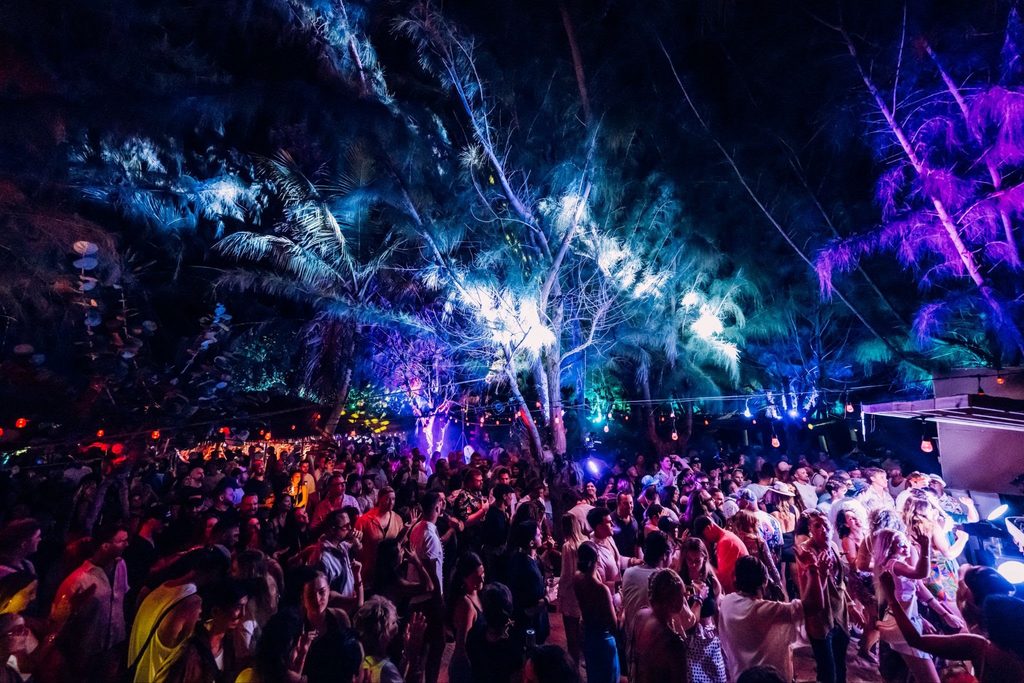
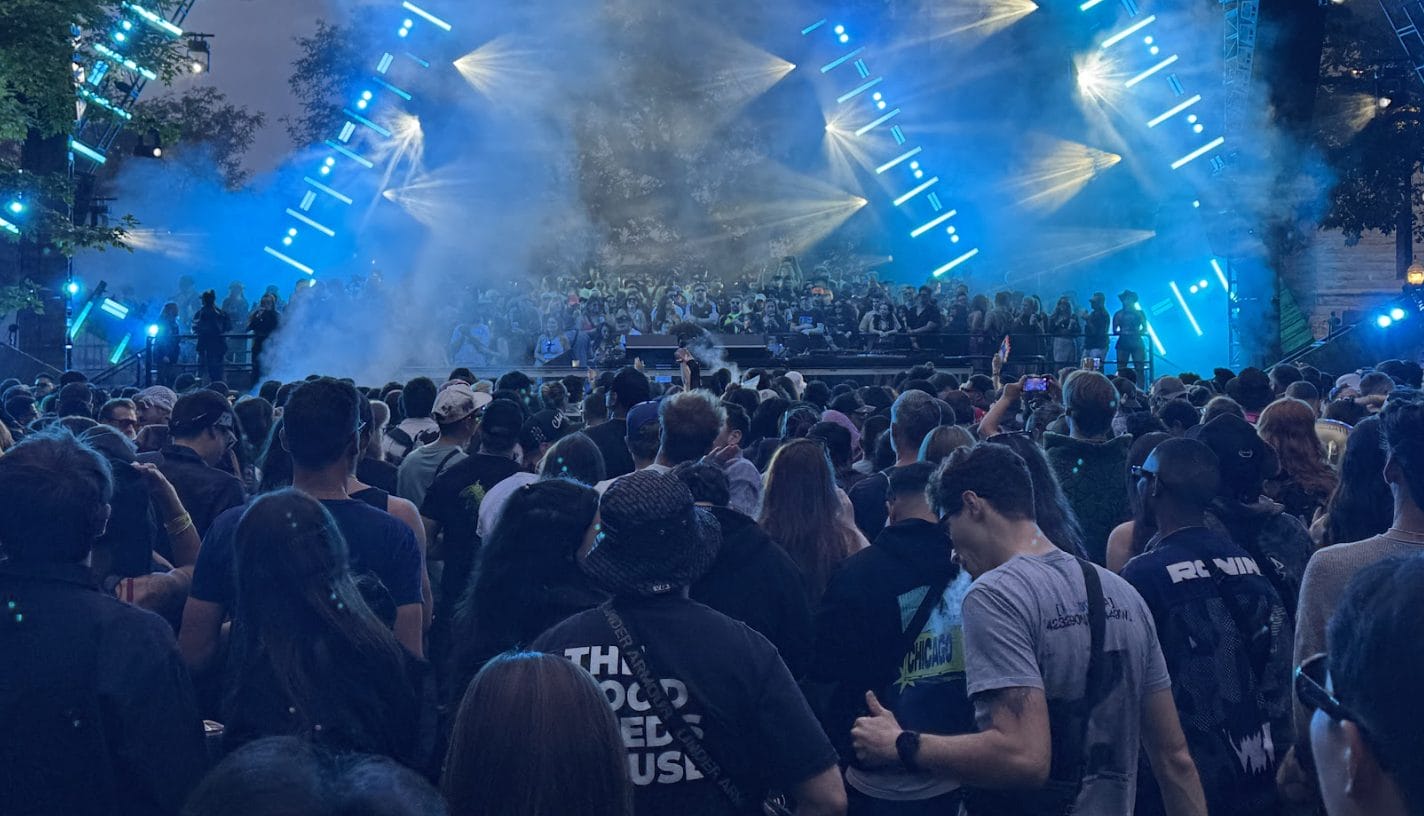
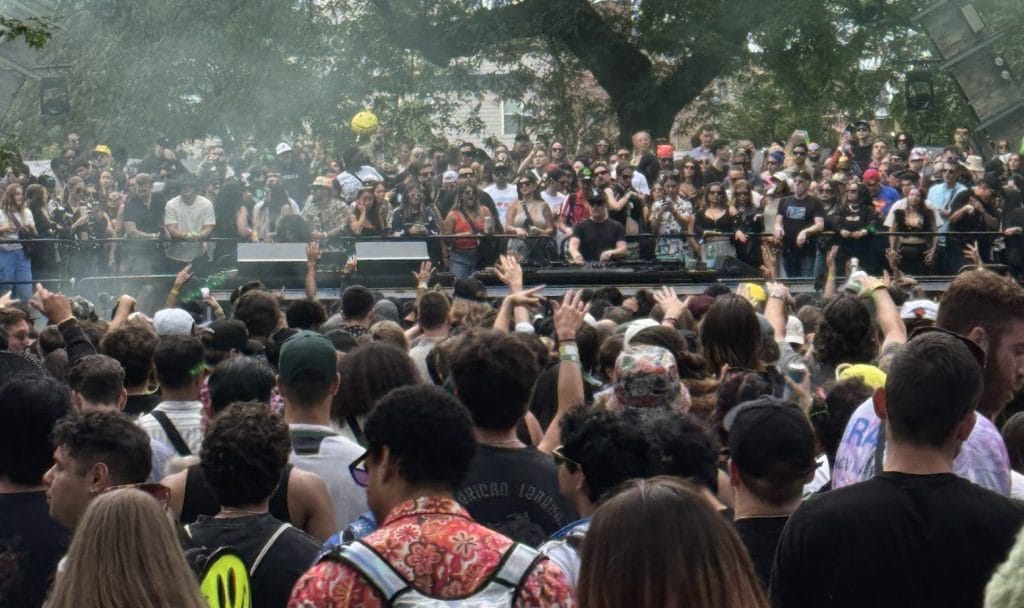
The crowd is part of the festival, and knowing how to move through it makes the day better for everyone. Pushy crowd behavior gets old fast, and it can create safety issues near the front of the stage. Move slowly, say excuse me, avoid dragging an entire line of people through dense pockets, and give people space when the crowd starts tightening.
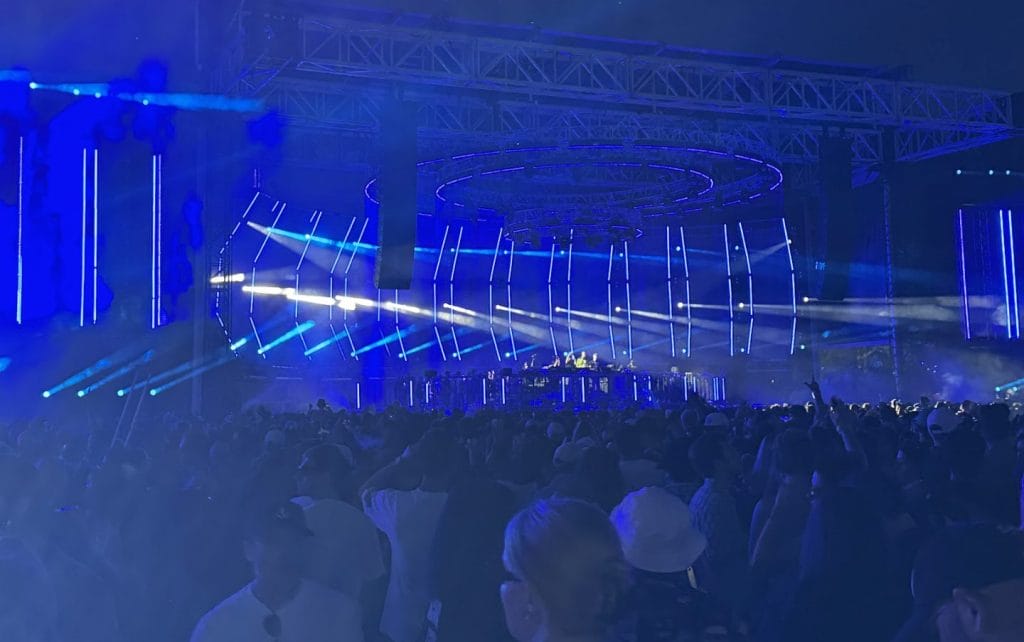
Sightlines depend on positioning, spacing, and the gaps between people, not distance from the stage alone. Sometimes the best view is slightly farther back, off-center, or near a sound booth where the mix is balanced and the crowd is easier to manage. The front rail can be fun, but it is far from the only good place to experience a set.
Set meeting spots with your group before service gets bad. Pick one spot near each main stage, one central spot, and one exit-area spot for the end of the night. Use landmarks that will still be visible after dark. “By the left side of the merch tent” works better than “near the stage.” If you split up, set check-in times and keep them simple.
Battery management also matters. Download the festival map. Screenshot your ticket, schedule, hotel address, shuttle details, and emergency contact info. Turn on low power mode early. A dead phone at 1 a.m. can turn a manageable situation into a stressful one, especially if your group has split up or rideshares are packed.
Eat, Hydrate, And Recover
First-time festivalgoers often underestimate the physical side of the weekend.
EDM festivals can mean long walks, long standing periods, sun exposure, late nights, and constant stimulation. You do better when food, water, and sleep are part of the plan from the beginning instead of something you handle after you already feel bad.
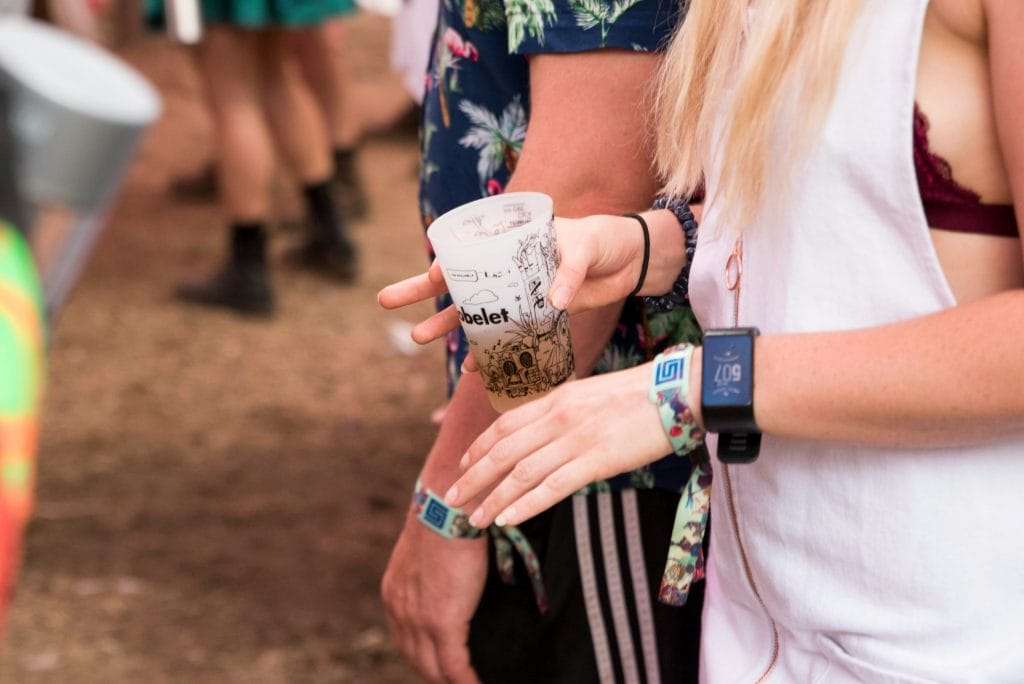
Hydration is the obvious one, but it still gets ignored. Use refill stations early and often. If you are drinking alcohol, alternate with water. If the event is hot, consider electrolytes if they are allowed. Dehydration can creep up fast, and once you feel off, it can take a long time to recover.
Food is equally important. Eat a real meal before entering if re-entry rules are strict or food prices are high. Once inside, eat earlier than you think you need to. Festival food lines get longer during obvious dinner windows, and waiting too long can leave you underfed right before the sets you came to see.
Recovery starts before the night ends. Have water waiting at your room or campsite. Bring a clean change of clothes. Take care of your feet. Sleep as much as the weekend allows. The way you end each night directly affects the next day, especially during multi-day festivals where small mistakes compound quickly.
Respect The Culture
Dance music festivals can be friendly, open, and easy to enjoy, but they work best when people bring basic awareness into the space. As much as I love the expanding culture and love of the music, the broadening of the umbrella brings in people who don’t understand the core ethos of community and connection that this music was founded on (not to sound corny but… there are many Un-PLUR people in the community these days as it’s gotten more popular). Watch your belongings. Respect personal space. Ask before taking photos of strangers. Pay attention if someone near you looks unwell.
Let staff do their jobs.
Use medical tents when needed.
Those resources exist for a reason.
You also do not need to over-design your first festival identity. Wear clothes that fit the weather, allow movement, and hold up across a long day. Different electronic scenes have their own visual cues, but comfort and context should lead the decision. A good outfit lets you move, stay cool during the day, stay warm at night, and handle the actual conditions of the venue.
The best first festival plan is simple: secure your ticket, confirm your lodging, pack for day and night, protect your hearing, pace your energy, set group meeting points, and leave enough room for the weekend to unfold. The festival will provide the scale.
Your job is to remove the problems before they get in the way!

Will Vance is a professional music producer who has been involved in the industry for the better part of a decade and has been the managing editor at Magnetic Magazine since mid-2022. In that time period, he has published thousands of articles on music production, industry think pieces and educational articles about the music industry. Over the last decade as a professional music producer, Will Vance has also ran multiple successful and highly respected record labels in the industry, including Where The Heart Is Records as well as having launched a new label with a focus on community through Magnetic Magazine. When not running these labels or producing his own music, Vance is likely writing for other top industry sites like Waves or the Hyperbits Masterclass or working on his upcoming book on mindfulness in music production. On the rare chance he's not thinking about music production, he's probably running a game of Dungeons and Dragons with his friends which he has been the dungeon master for for many years.