The various iterations of house music have brought an ever-changing mixture of different sounds, acts, vibes, and personalities to the genre. And while these peripheral elements of the genre may be in a constant change of flux and progress, the soul of the genre remains unchanged. It is this immutability that has given house music its staying power throughout the decades, as the different generations of club-goers all know that the attraction of dance music’s original form can be summed up in a single statement…
That House Music is a feeling.
Get Physical is a record label that has been here since the earliest days of house music and for the past 20 years has been continuing to push house music into the world of tomorrow in all of its releases. And while Get Physical’s Roland Leesker is always looking for that next big record, he also thinks it vitally important to reflect on where the label and the sounds of house music have come since its earliest iterations.
This is why for the label’s 20th anniversary, Roland compiled a mix album of the twenty songs that have defined the label’s direction (and the genre overall) over the past two decades. And to celebrate this monumental release, we invited Roland to sit down and chat with us about how much house music has changed in the years since Get Physical began.
How has house music changed over the last 20 years?
House music has been changing since the first proto-house tracks in the early 80s, but the last 20 years have been significant as it’s been a time when technology has become easier to access, and so many more releases are coming out.
The shift from physical to digital has played a huge part, too, helping to get the music to places it’s never been before, and, of course, house music has genuinely been accepted as a cultural force as it (and its audiences) have matured.
The most significant change is that the house is much more global. Getting demos from all corners of the world is wonderful and means that the influences on houses are more diverse than ever. And although our music is still developed further by a very underground movement in general, house music has also had a massive influence on pop culture.
Listen to Jax Jones´ ‘You Don’t Know Me for example, or compare what we used to wear at Loveparade in the early 90s to what the teens wear today (again).
What has made the most significant impact on house music since you started Get Physical?
I think the biggest impact has been technology – in every way.
Of course, there are arguments that technology has changed things for the worse, but it’s largely positive when you balance things out. It has democratized the process of music production, distribution, promotion, and consumption. 20 years ago, we began to see a revolution in software-based production, but it was still expensive if you consider the tools needed. Still, now it’s the norm, cheap, and widely available which can be a great thing for creativity.
It’s entirely possible to write, mix and master a track and upload it for distribution or immediate sale, and that’s so cool. That’s not to say using a fantastic hardware studio, using a talented mix engineer and mastering engineer and pressing vinyl isn’t cool either, it’s just we have more possibilities and the financial constraints aren’t as prominent.
This all ‘can’ equal: more exciting music/scenes.
Why do you think house music has stayed relevant all this time?
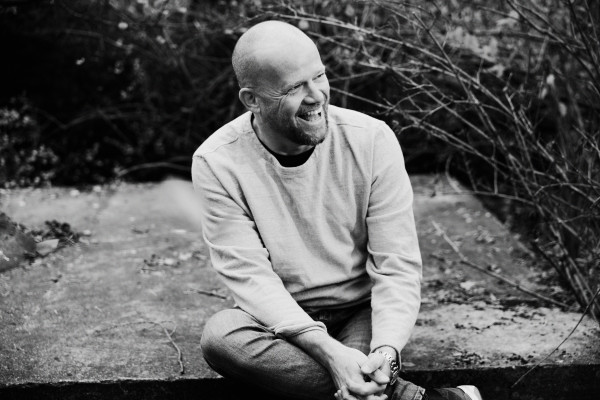
Because House is a feeling, a universal language, and a spiritual thing. What can be more relevant than getting together on a dance floor and sharing moments with terrific music that blurs the lines between humans and machines?
And you can also enjoy it at home or anywhere else, anytime – we’re now used to enjoying House as a genuine art form rather than club music, especially as we have so much cross-pollination with other genres. House continues to reinvent itself and mutate in wonderful directions.
When I think of what we’ve released on Get Physical over the years, it’s all ‘House.’ Still, we’ve had the disco-influenced electronic stuff from early DJ T. and M.A.N.D.Y. through to minimal, emotive ‘widescreen’ tracks, strong Latin influences – everything.
When did you see the biggest shift happen in the scene between now and when you started the label?
I guess it was around 2005 to 2007 – by that time, Beatport had become a real force, and people had begun using their embeddable player the Resident Advisor podcast began around this time, too, and there were a lot of great blogs talking passionately about every niche of dance music.
I think the trend of people ‘easy jet’ traveling to parties became much more prevalent around this time. Musically, we had a minimal explosion during this time, which was a huge movement.
Which producers, right now, are pushing the boundaries of house music?
I feel that the scene is more interesting than ever; there are so many amazing young talents from all over the world, so fresh but also mature and ready to take over.
At Get Physical, for example, we are proud to work with many new and very strong women from all over the world: Greta Valeska, Joplyn, Kristina Sheli, PAUZA, Thandi Draai, and Yulia Niko.
You should check them out!

Will Vance is a professional music producer who has been involved in the industry for the better part of a decade and has been the managing editor at Magnetic Magazine since mid-2022. In that time period, he has published thousands of articles on music production, industry think pieces and educational articles about the music industry. Over the last decade as a professional music producer, Will Vance has also ran multiple successful and highly respected record labels in the industry, including Where The Heart Is Records as well as having launched a new label with a focus on community through Magnetic Magazine. When not running these labels or producing his own music, Vance is likely writing for other top industry sites like Waves or the Hyperbits Masterclass or working on his upcoming book on mindfulness in music production. On the rare chance he's not thinking about music production, he's probably running a game of Dungeons and Dragons with his friends which he has been the dungeon master for for many years.