Stadium-status artists have been heavily using NFTs to interact and monetize their fanbases over the past year. This makes artists of all calibers take notice of the success of these mega-stars found in web3. But it’s such a new industry that many smaller and indie musicians don’t feel as confident as they should when navigating the space.
Because how to-tier talent leverages NFTs and web3 is way different than how more minor acts should use NFTs. But therein lies the problem…
There isn’t a clear roadmap for NFTs that explains the advantages, opportunities, and money that can be made for smaller artists when they use NFTs correctly. And we at Magnetic Mag wanted to change that, so we sat down with some experts on the topic.
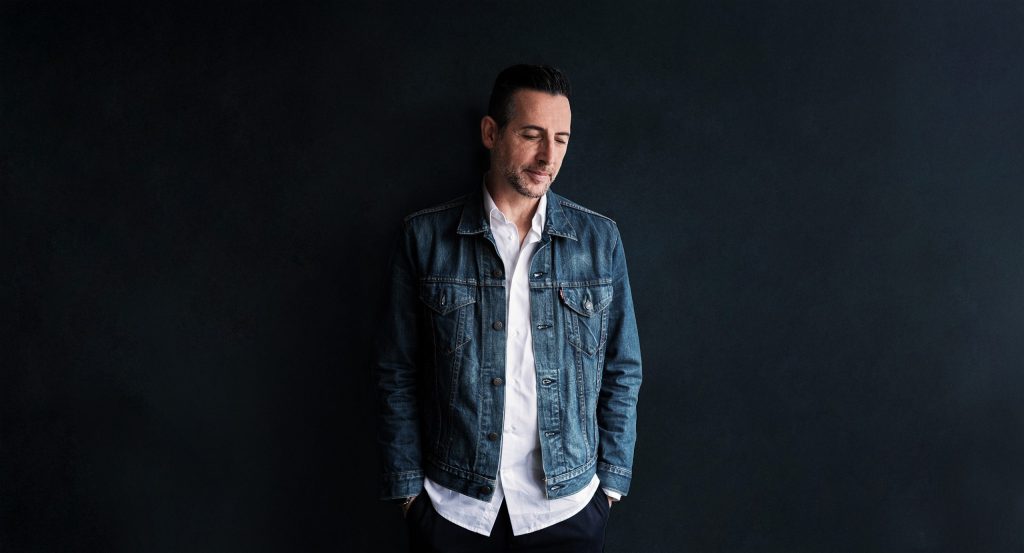
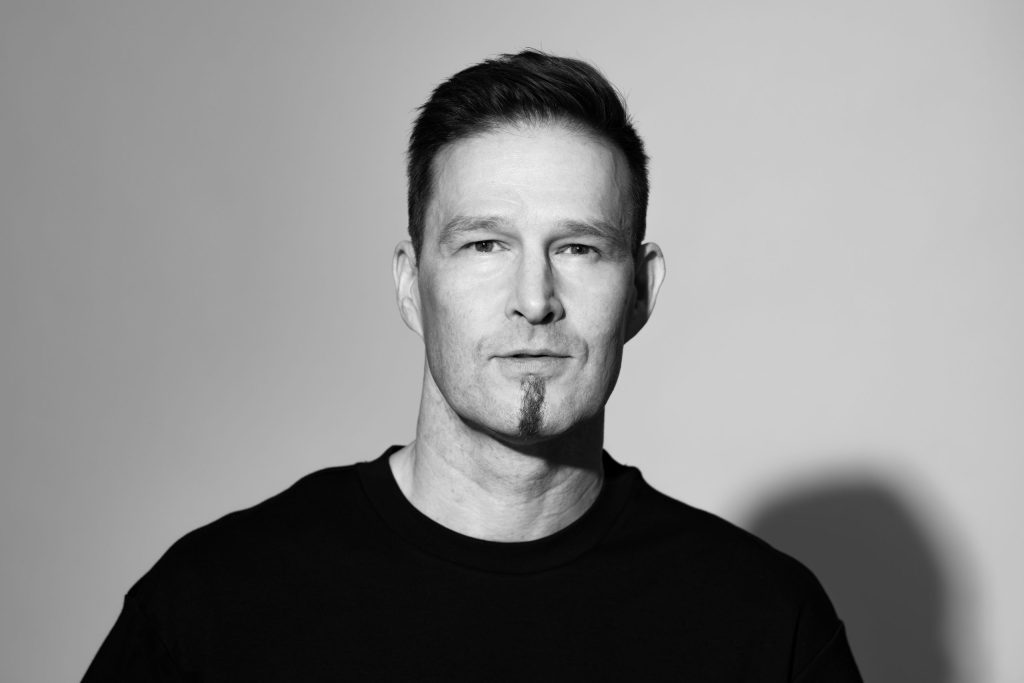
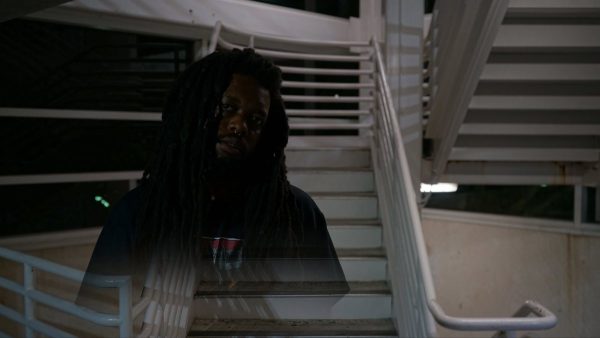
We had the opportunity to chat with Adrien Stern, CEO & Founder of Reveel, a web3 revenue share company for musicians and creators, and BlackDave, an NFT music artist, to learn everything an indie artist needs to know to maximize the earning potential in NFTs.
Reveel recently managed the most considerable on-chain revenue split ever done, for BlackDave’s wavRoom NFT drop, in collaboration with wavWRLD. 30% of the revenue for his collection was paid out to 154 of his collectors, with 70% of the income distributed to his collaborators and himself. The on-chain revenue split had 159 parties involved who automatically received a shared revenue. So it’s safe to say these two know what they’re talking about.
So let’s dive into the interview.
What are some affordable ways indie artists can start using NFTs to interact with their fans?
Adrien Stern: Creating NFTs is financially very affordable, it might just cost a little time to get familiar with some of the concepts – not unlike the first time you release music to DSPs, there is a learning curve!
The beauty of the NFT space is that creators fully own and control their NFTs, and these NFTs can be anything: a song, a ticket to a live performance, access to a private chat with the artist… it’s up to artists to understand what their fans and collectors might be interested in.
BlackDave: There’s a free NFT called POAP (poh-ap) that artists can use to bring folks into NFTs. You can collect it with your email and send it to your crypto wallet when you make one, or send it directly to the wallet.
How can indie artists use NFTs in more unique ways that don’t appear gimmicky?
Adrien Stern: It’s all about roadmap and utility.
A roadmap for how your NFTs will continue to be valuable to the collectors ensures that the artist is not just in for a quick cash grab. For instance, you might want to let collectors know that you have future NFTs planned and that your collectors will have first dibs on the new ones.
That also ties into the utility – the value proposition of your NFTs. Some might state that the art is valuable, and others might add access to merch, shows, futures drops, etc. It’s crucial to be very clear about these two aspects.
BlackDave: Using the POAP method at shows or online events or even posting on your social media can be a quick way to get folks into the NFT thing.
Once there, maybe start a discord. Using NFTs to share revenue from sales is a use case that many fans and collectors have grown interested in. Fans now have an opportunity to be rewarded for supporting their favorite artists early and often.
Why should fans on a budget invest in NFTs when the market is so volatile?
Adrien Stern: Like anything else, people should not buy things they can’t afford to lose. However, purchasing a concert ticket as an NFT, a Song NFT (instead of a download), or access to an artist’s private chat (instead of Patreon) has many advantages.
You can prove that you’ve been a fan since that purchase — thanks to the provenance features of the blockchain — and you can resell that NFT at a market price. If the artist has blown up, there is a chance that NFT is worth more too.
BlackDave: Collecting NFTs just to flip is risky, so collecting to support an artist you love is the actual play. NFTs won’t be for everyone, but it’s one of the most direct ways to help an artist. Often, artists offer utility (experiences based on NFT ownership), making them worth it.
Share some examples of NFTs artists can offer their fanbase who don’t care about conventional NFTs or crypto.
Adrien Stern: I think special edition NFTs, like a special edition vinyl, are something many fans love. Imagine having 1 of only 50 versions of a unique mix of your favorite song!
Another compelling use case to onboard newcomers to NFTs is concert tickets. We’re all used to buying digital tickets, and NFT tickets have many advantages.
BlackDave: NFTs that give fans access to the artist they love will be one of their primary use cases. Allowing fans to receive unique benefits, such as merchandise, early access to purchasing tickets, and other offerings, will also be something that brings fans.
What are some things most indie artists get entirely wrong about using NFTs to interact with their fanbase?
Adrien Stern: Many artists still think a Music NFT is just putting your song into an NFT, but it is much more!
It’s a way to identify your most engaged fans, create different products, and experiment around monetizing your fan base. It can also be a way to raise money as an independent artist, and most importantly, it’s a way to build a creative business free of middlemen.
Artists finally own the relationship with fans!
BlackDave: I think indie artists think that NFTs have to be expensive and can be whatever price you choose, even free.
Artists at any level can start putting NFTs into play and seeing benefits if they work their way into the space and educate their fans on how to get them.
Who are some artists using NFTs in exciting ways to interact and grow their fanbase?
The Verse Token is available for auction now. It has been kicked off with a bid of .25 ETH and you can jump in now to claim it for yourself or someone you represent or to sell or whatever https://t.co/ateYs7We7Q
— ???????????????????????????????????? ???????????? (@BlackDave) August 2, 2021
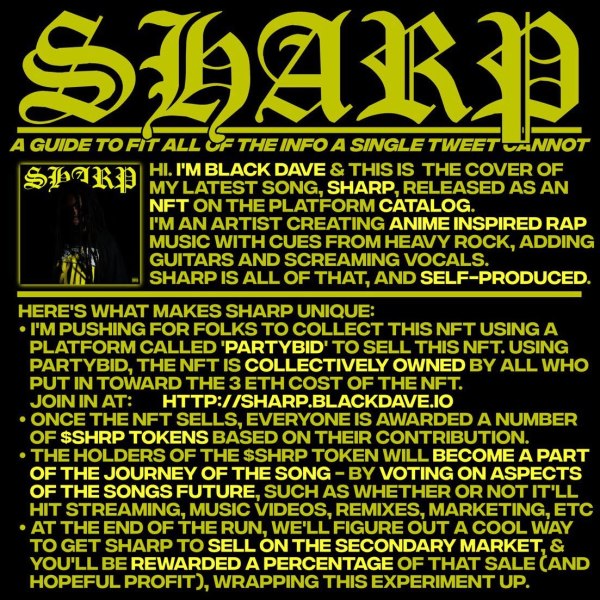
Adrien Stern: BlackDave is the perfect example! He’s always experimenting and surprising his collectors with new utility and value. He airdropped (sent directly on the blockchain) a free NFT to his first 130 collectors.
He’s offered a free live performance to his NFT holders through wavWRLD, and he’s even redistributed a portion of royalties to his first 150+ collectors using Reveel’s revenue sharing protocol.
BlackDave: I’m a massive fan of Verité, who uses NFT drops as an opportunity to onboard her traditional fans. I think Emily Lazar from the band September Mourning is doing the same thing.
They release NFTs at all price levels and educate their fans one by one to get them into it. Artists like Jamee Cornelia, who uses NFTs to create ownership gated experiences, are a great blueprint to follow.
When in an artist’s career should they start leveraging NFTs to interact with fans?
Adrien Stern: From day 1.
It’s undoubtedly one of the most powerful technologies to help artists make a living today. Selling 10 NFTs for 0.1Eth is the equivalent of 400,000 streams.
Both technologies are complementary — one generates more artist revenue, while the other offers more reach.
BlackDave: Any time is a good time. I think of NFTs as similar to twitch subscribers, which can also be started at any level.
Things are always slow at the beginning of an artist’s career, so patience with the tools you decide to use is more important than the tools you choose. If you invest in NFTs early in your career, it’s worth joining conversations within the NFT space rather than trying to sell your small fanbase outside of it.

Will Vance is a professional music producer who has been involved in the industry for the better part of a decade and has been the managing editor at Magnetic Magazine since mid-2022. In that time period, he has published thousands of articles on music production, industry think pieces and educational articles about the music industry. Over the last decade as a professional music producer, Will Vance has also ran multiple successful and highly respected record labels in the industry, including Where The Heart Is Records as well as having launched a new label with a focus on community through Magnetic Magazine. When not running these labels or producing his own music, Vance is likely writing for other top industry sites like Waves or the Hyperbits Masterclass or working on his upcoming book on mindfulness in music production. On the rare chance he's not thinking about music production, he's probably running a game of Dungeons and Dragons with his friends which he has been the dungeon master for for many years.