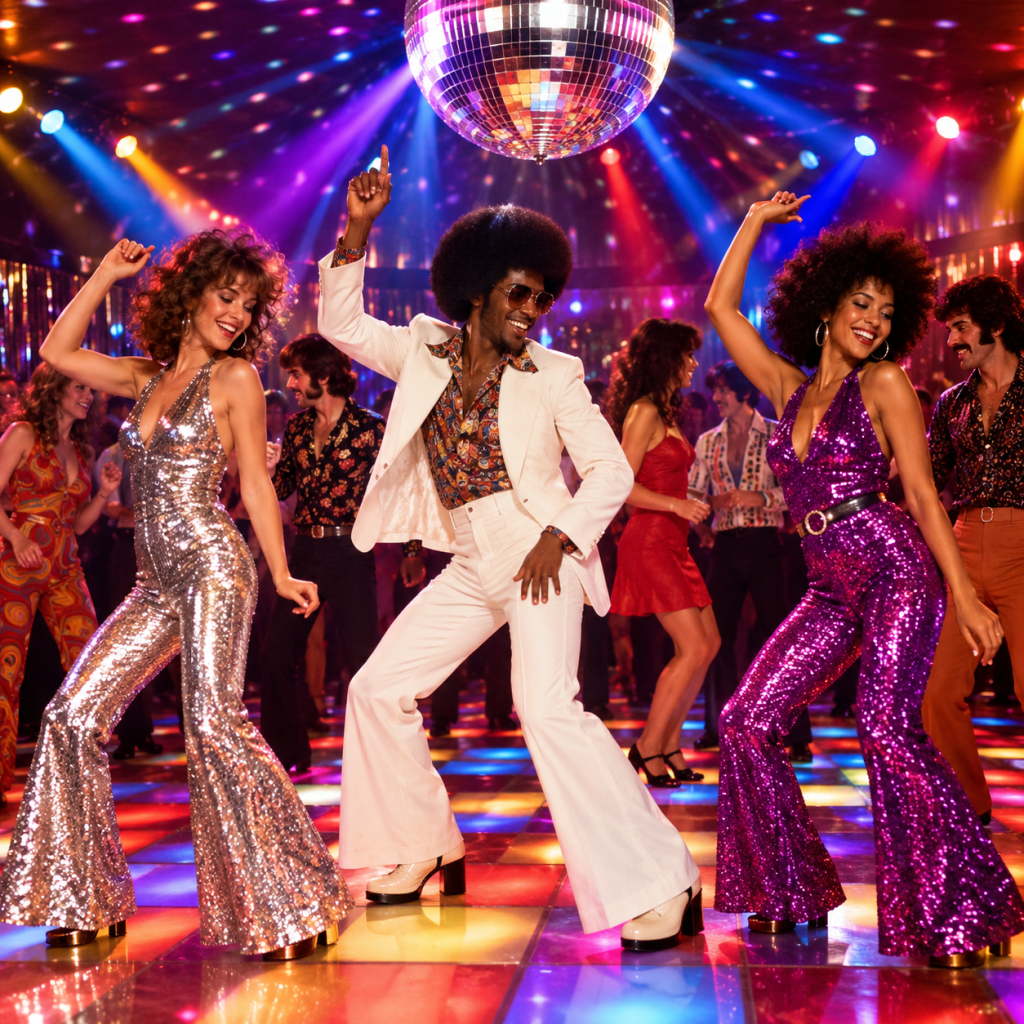
Everyone has some nostalgia for the energetic dance beats of the 90s, even those of us who were born in 1999 and later. Because 90s dance music was iconic for its signature sound and unique attitude, it was able to work its way into the hearts and ears of countless generations.
These iconic songs pushed the boundaries of music during their time, and moved on to influence many artists who are popular today among Gen-Z.
Regardless of if you’ve only heard these 90s dance songs on TikTok, or if you are old AF and remember the day they were released, this list of iconic and sometimes underrated 90s bops will be sure to have you moving your feet.
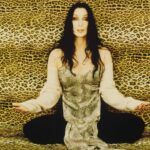
With its debut in 1998, “Believe” had a distinctly dance-pop flare. Cher’s album of the same name pioneered a famous style of auto-tune known as “the Cher effect”.
“Believe” fell at number 1 on US Billboard Top 100 in 1999, #1 in US dance club songs, and #1 in 21 countries around the world in 1998. It also won the Grammy award for record of the year and best dance recording in 1998.
Even if you are unfamiliar with Cher’s music, her unique voice and style of autotune are unmistakable. The influence of Cher’s deep and powerful notes can be seen in artists such as Lady Gaga today — Cher really was the blueprint!

“Born Slippy (Nuxx)” was released in 1995, but it didn’t rise to fame until 1996 when it was used in the soundtrack for the film Trainspotting. In 1996, “Born Slippy (Nuxx)” shot up to #2 on the UK singles list,and to #1 in Italy.
This unique electronic piece became an iconic cornerstone of the 90s dance scene, especially in Europe.
Songwriters Karl Hyde and Rick Smith discuss themes of struggling with substance abuse and asking for help, however some have misinterpreted it as a drinking anthem.
Hyperpop producer and founder of PC Music records AG Cook sites “Born Slippy (Nuxx) as one of his musical inspirations on Charli XCX’s podcast “Best Song Ever”. The stylistic influences of Underworld are unmistakable in many PC Music tracks of today.

Though their music transcends the boundaries of the dance genre, Massive Attack was an influential force in the 90s dance scene.
Teardrop hit the top 10 on UK charts in 1998, and won MTV Europe Music Award for Best Video.
They are known for slower songs with layered psychedelic instrumentals, as well as a hip-hop and soul influence.
Massive Attack’s style was part of the musical movement known as “trip -hop” that emerged in London during this time. The band was also known for their social activism, such as anti-war advocacy, and their commitment to making the music industry more environmentally friendly.
The psychedelic style in Massive Attack’s music has not gone anywhere, and is only becoming stronger among Gen-Z. Beyond their musical style, they also set a great example with their passion for social justice.

The psychedelic tendencies of the 90s were also reflected in the hit song “Virtual Insanity” by Jamiroquai.
This 1996 single popularized the soul and funk genre known as “acid jazz”, in similar circles as the “trip-hop” genre.
Jamiroquai was the third best selling act in the UK in the 1990s, and won video of the year at the 1997 MTV music awards. “Virtual Insanity” won the Grammy award for best performance by a duo or group in 1998, and received the Guinness World record for best selling funk album.
Iconic artists of today such as SZA, the Internet, and Tyler the Creator site Jamiroquai as huge influences.

Other Gen-Z may know Crystal Waters from the remix of “Gypsy Woman” trending on TikTok. If you can’t get enough of Waters’ unmistakable sound, try “100% Pure Love”: a cornerstone of the 90s dance style.
Crystal Waters combines her background in jazz with house beats, creating a uniquely dance-able sound.
“100 % Pure Love” won the Billboard Music Award for top selling hot dance music club play single in 1994, and was one of the longest charting singles on the top 100.

Whitney Houston took the world by storm when she dropped “It’s Not Right but It’s Okay” in 1999. Houston’s unmistakable vocals are part of the R&B and Neo-soul genres, but her sound was an integral part of 90s dance music.
“It’s Not Right but It’s Okay” reached the top 5 in six different countries , and won the Grammy in 1999 for Best Female R&B Vocal Performance.
The song tells the story of a woman confronting her unfaithful partner. It is ultimately a breakup song, but it has an optimistic and empowering outlook that you can still dance to — the perfect track to get over a heartbreak to.