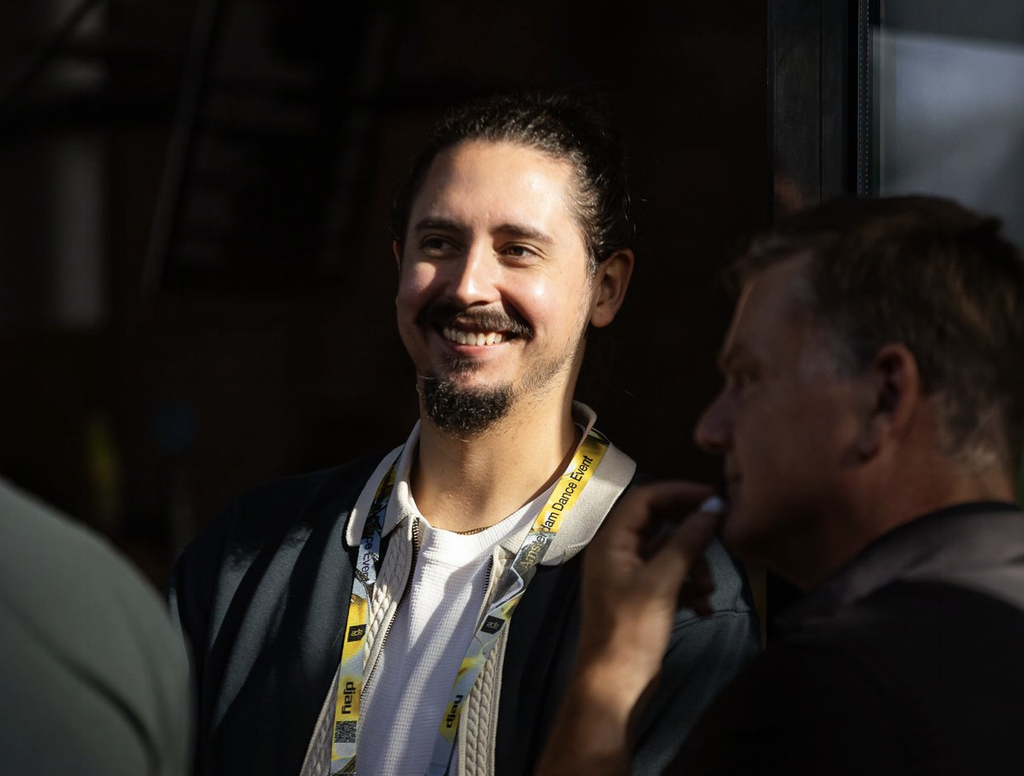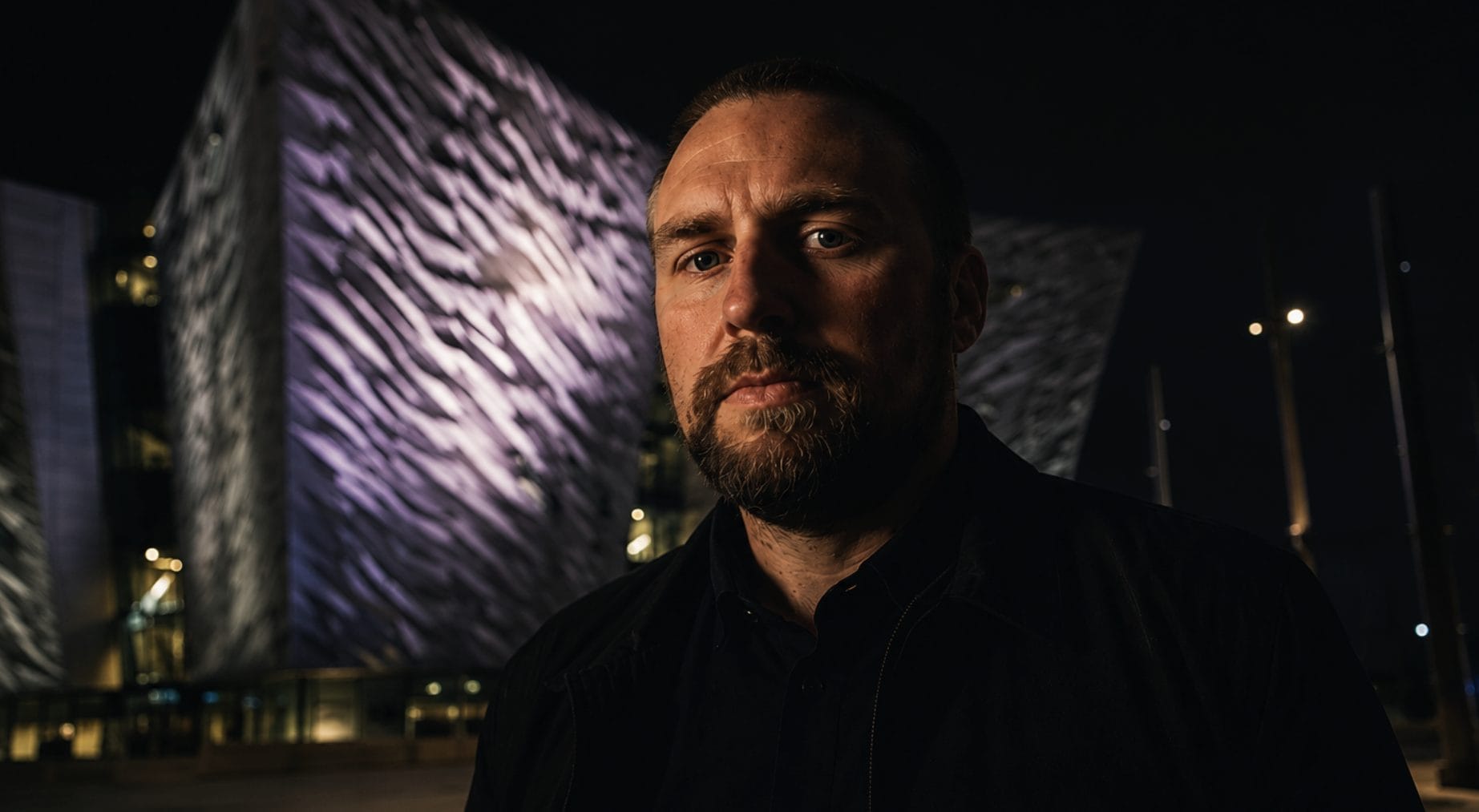
A lot of emerging DJs think bookings come down to music, contacts, and timing. Chris Duncan’s (@duncanchris84) view is far clearer than that. As Head of North & South America Bookings at Assured Agency, he works across a roster that includes Ferry Corsten, Markus Schulz, Aly & Fila, Neelix, and other names with real touring demand across trance, psytrance, and progressive.
His path began in Ireland, moved through Ibiza, Audio Religion Music, 24/7, Omega Bookings, and eventually Assured Agency, where he now helps manage international touring schedules for nearly 30 acts. Over the last 16 years, he has booked DJs across nearly every continent, worked with brands like Insomniac, Ultra, A State of Trance, Tomorrowland, Live Nation, Creamfields, Ministry of Sound, and traveled to close to 40 countries through music.
What makes this conversation useful is how into the weeds it gets. Chris breaks down what booking agents actually do, when an artist is ready for representation, why talent alone has limited reach now, and how DJs can turn one good show into future work.
Interview With Chris Duncan From Assured Agency

For artists who have never worked with an agent before, what does a booking agent actually do behind the scenes that most DJs completely overlook?
People often think booking agents answer emails and negotiate fees, although that is probably only 20% of the job.
A good agent is part strategist, part travel coordinator, part negotiator, part therapist, and occasionally part firefighter. Behind the scenes, there are hundreds of moving parts happening at the same time.
We are building and maintaining relationships with promoters year-round, rather than reaching out only when we want bookings. That means traveling to events, attending shows in person, checking in regularly, and understanding what every promoter, venue, and market actually needs.
There is also the research side. Most people have no idea how much time agents spend looking through local scenes, social media communities, lineups, ticket trends, and emerging events to spot opportunities early.
Logistically, it is a giant puzzle. You are figuring out how to route tours properly, what shows can realistically connect together, where flights become impossible, and how to avoid turning an artist into a zombie after three airports and two border crossings in 24 hours.
Then there is the admin side that nobody sees: contracts, invoices, visas, itineraries, deposits, advancing shows, and calendar management. The glamorous Instagram photo from the DJ booth usually sits on top of hundreds of emails, hours of phone calls, and endless WhatsApp messages.
At what point in an artist’s career do you usually feel an agent can genuinely help, and what signals tell you someone is ready for representation?
I have repeatedly told new talent who approach us for representation that, in my opinion, when the time is right, the agents will come knocking. The artist will rarely have to ask.
An agent can amplify momentum, although they cannot manufacture demand from thin air. There is no secret cheat code where somebody signs you and the gigs appear overnight.
The artists who are ready for representation usually show a few consistent signs. They are already active and respected in their local scene, promoters are beginning to ask for them organically, their music releases are consistent, and their audience engagement goes beyond follower numbers.
One thing I look for is demand outside their hometown. When people in other cities or countries are already noticing an artist without heavy pushing, that is usually a clear signal.
Ultimately, it comes down to hard work on each side. The artists who succeed long-term are usually treating this like a profession long before the industry starts treating them like one.
A lot of producers assume good music alone should open doors. From your side of the table, what else has to be in place before promoters start taking an artist seriously?
It is a cliche, although the days of having a good music collection, being a technical DJ, or being a talented producer and expecting that alone to get you noticed are gone.
The reality now is that talent alone has limited reach. There are thousands of skilled DJs and producers releasing good music every week.
In today’s industry, artists are also media brands. Promoters want to know if you can help sell tickets, engage an audience, create attention around an event, and make people care when your name appears on a flyer.
Social media changed everything. Some artists still think posting a flyer once on Instagram counts as promotion, although modern touring is heavily driven by content, personality, and consistency.
Some technical producers struggle to build careers because they disappear online for six months at a time. Other artists with less musical credibility build real demand because they understand visibility and connection.
Contracts now often include marketing obligations and performance clauses tied to promotion. That tells you how much the industry has changed.
Like it or not, being a great DJ today also means understanding audience psychology, branding, and digital marketing.

What helps an artist turn one good booking into five more, instead of treating each show like an isolated win?
The artists who turn one booking into five understand that the job starts before the DJ booth and continues after the set.
A lot of DJs still treat shows like transactions: arrive, play, get paid, leave. Smarter artists treat every event as the beginning of a long-term relationship.
Promoters remember how artists made people feel offstage as much as onstage. Did they help promote the show beforehand? Did they post and repost content? Did they engage with local fans? Did they stay approachable? Did they make the promoter’s life easier?
Simple things go a long way. Meeting fans after the show, doing a quick dinner with the local crew, recording extra content, and checking in afterward to thank the promoter can all help.
People massively underestimate professionalism and kindness in this industry. Promoters talk to each other constantly, and a reputation can move very quickly across markets.
The artists who build long careers are usually the ones who leave behind good memories along with good sets.
If you could give one blunt piece of advice to every emerging DJ or producer who wants more gigs, what would you tell them to fix first?
Stop waiting to be discovered.
A lot of emerging artists still act like the industry works the way it did 15 or 20 years ago, where somebody uploads a few tracks and agents, labels, and festivals come knocking.
Today, the artists who break through are usually the ones already behaving professionally before anyone is paying attention.
That means consistent releases, branding, content, networking, and being reliable every single time somebody gives you an opportunity.
One of the biggest things I would tell newer artists to fix is their inconsistency. They will release a good track, disappear for four months, post randomly, ignore networking, then wonder why momentum vanished.
Talent gets attention. Consistency builds careers.

Will Vance is a professional music producer who has been involved in the industry for the better part of a decade and has been the managing editor at Magnetic Magazine since mid-2022. In that time period, he has published thousands of articles on music production, industry think pieces and educational articles about the music industry. Over the last decade as a professional music producer, Will Vance has also ran multiple successful and highly respected record labels in the industry, including Where The Heart Is Records as well as having launched a new label with a focus on community through Magnetic Magazine. When not running these labels or producing his own music, Vance is likely writing for other top industry sites like Waves or the Hyperbits Masterclass or working on his upcoming book on mindfulness in music production. On the rare chance he's not thinking about music production, he's probably running a game of Dungeons and Dragons with his friends which he has been the dungeon master for for many years.