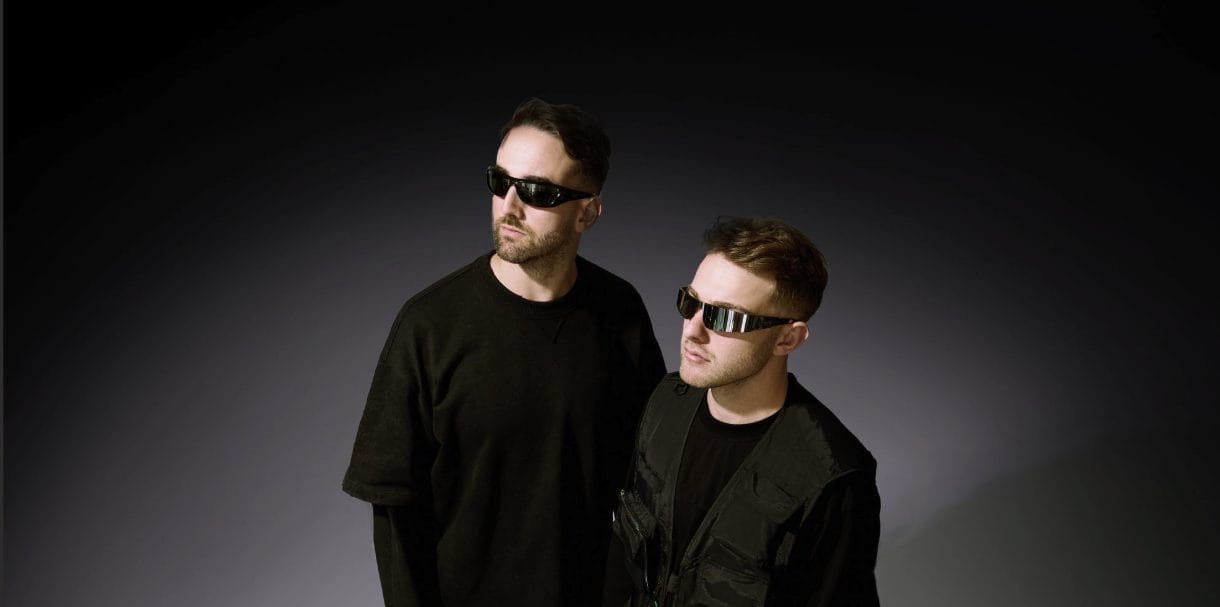
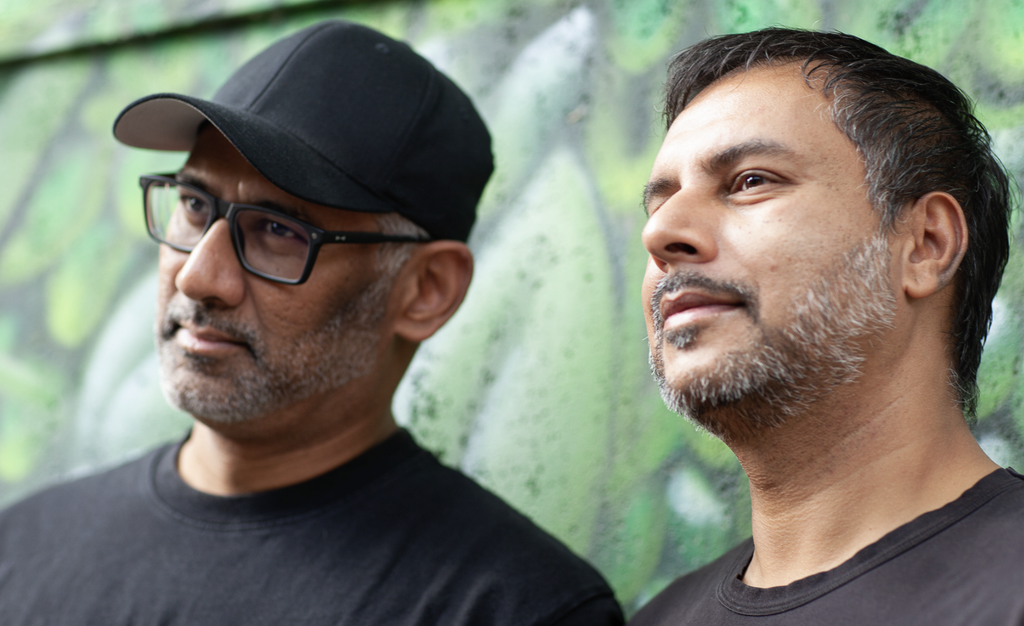
MAMI (@mami_ofc_) step into a new phase of their run with “Elysium,” a collaboration with Lauren Mia that brings their club-focused instincts into a more detailed melodic framework. Released via Enhanced Recordings, the track connects their rising profile with an artist who has already built a global audience through releases, touring, and her Halcyon imprint.
The result sits between cinematic structure and functional club design, with both acts meeting in a space that supports atmosphere while still holding weight on a system. For MAMI, it adds another step to a catalog that has already pushed into Beatport charts and international bookings, while for Lauren Mia it extends a body of work that continues to scale across major stages and labels.
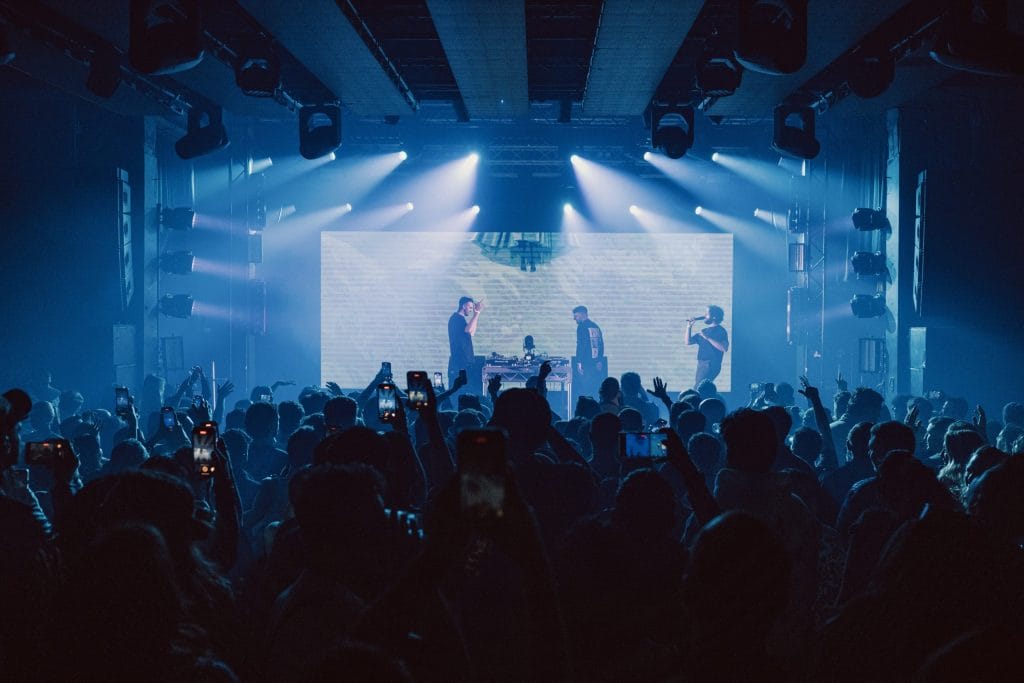
That release lands alongside a conversation that reflects how the duo is thinking about DJing right now, especially in a culture where nearly every moment can be recorded and shared instantly. They acknowledge that awareness of cameras is always present, and they understand why certain moments are shaped to translate in short-form clips. At the same time, their priority stays fixed on the room itself, because the most effective moments still come from real interaction rather than something designed for a screen.
That perspective carries over into how they view precision and experimentation, where perfectly timed drops can travel quickly online, yet the sets that leave a lasting impression tend to include moments that go beyond expectations.
That approach shapes how they take risks and build sets in real time. They talk about extending moments past what feels comfortable, blending styles that would not typically sit together, and reading the crowd closely enough to decide when to commit or pivot. For them, freshness comes from context and sequencing rather than from chasing new material alone, and surprise remains central to how they hold attention in a room. Across both the record and their wider outlook, there is a clear emphasis on timing, trust, and staying responsive to the people in front of them, which keeps their sets flexible while still grounded in a consistent identity.
Interview With MAMI
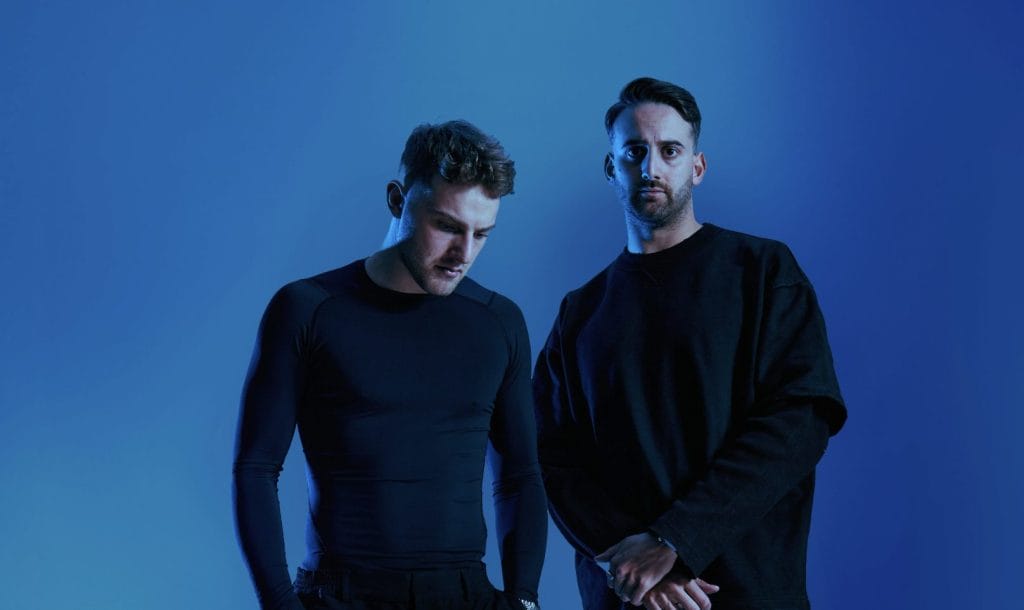
Has the awareness that moments can travel beyond the room, through social media or iPhone filming in general, influenced how you shape a set?
It’s definitely in the back of our minds, whether we like it or not.
You know certain moments might live beyond the room, so there’s a temptation to create those “clip-worthy” peaks. But for us, the priority is still the room first. The best moments always come from a genuine connection with the crowd, not something staged for a camera. Ironically, those real, unplanned moments are usually the ones that end up travelling the furthest anyway.
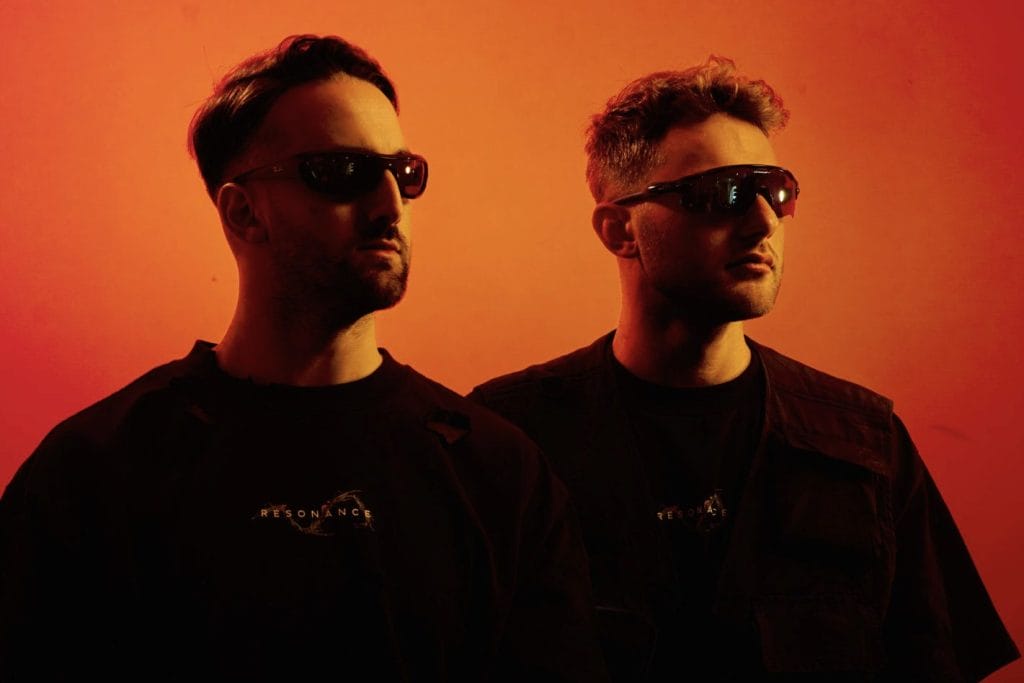
Do you think the current phone-based culture rewards precision more than experimentation?
Yeah, to a degree. Clean drops, perfect timing, recognisable moments – they translate well in short-form content and experimentation can be harder to capture in a 10-second clip. But we think that’s a bit of a trap. If everyone leans too far into precision, things start to sound the same.
The sets that really stay with people are still the ones that take you somewhere unexpected, even if that doesn’t always go viral.
With that in mind, what does creative risk look like for you today?
Creative risk for us now is more about going against what’s expected. It could be holding a moment longer than people expect or blending genres in a way that shouldn’t work on paper but does in the moment. Once we blended two separate genres in one song for shock factor and it created one of the most special moments of our playing careers.
Whilst it can be about shock value, it’s also about trusting our taste and timing, even when it feels slightly uncomfortable.

When you play something unexpected, what determines whether you commit or pivot?
It comes down to understanding the room. You can feel pretty quickly whether the crowd is leaning into it or pulling away. If there’s even a small pocket of people connecting with it, we’ll usually commit and try to build that moment out. But if the energy drops too far, there’s no ego, we just pivot.
How do you maintain freshness in a culture that archives everything online?
We think we all have to accept that nothing is ever completely new for long anymore.
So for us, freshness comes from context, how and when you play something, not just what you play. Digging for music helps, but it’s also about how you tell a story with it. Two DJs can play the same track and make it feel completely different depending on the journey around it, whether we play the track at the beginning of the set to set the room or mid-set to carry the energy, that’s the best part about being a DJ.
Above all else, we just be ourselves, and hope to attract like-minded people along the way.

What role does surprise still play when you’re DJing?
Surprise for us creates moments of connection between you and the person standing in front of you.
If a crowd can predict every move, you lose a bit of that magic. It doesn’t have to be massive or obvious, sometimes it’s a subtle switch in energy or a track people didn’t know they needed at that moment. Those are the moments people remember, even if they didn’t film them.

Will Vance is a professional music producer who has been involved in the industry for the better part of a decade and has been the managing editor at Magnetic Magazine since mid-2022. In that time period, he has published thousands of articles on music production, industry think pieces and educational articles about the music industry. Over the last decade as a professional music producer, Will Vance has also ran multiple successful and highly respected record labels in the industry, including Where The Heart Is Records as well as having launched a new label with a focus on community through Magnetic Magazine. When not running these labels or producing his own music, Vance is likely writing for other top industry sites like Waves or the Hyperbits Masterclass or working on his upcoming book on mindfulness in music production. On the rare chance he's not thinking about music production, he's probably running a game of Dungeons and Dragons with his friends which he has been the dungeon master for for many years.








![How It Was Made: Lang Father i(Junkyard Dog) [Welofi]](https://magneticmag.com/wp-content/uploads/2026/10/Press-Pic_2-1024x576.jpg)