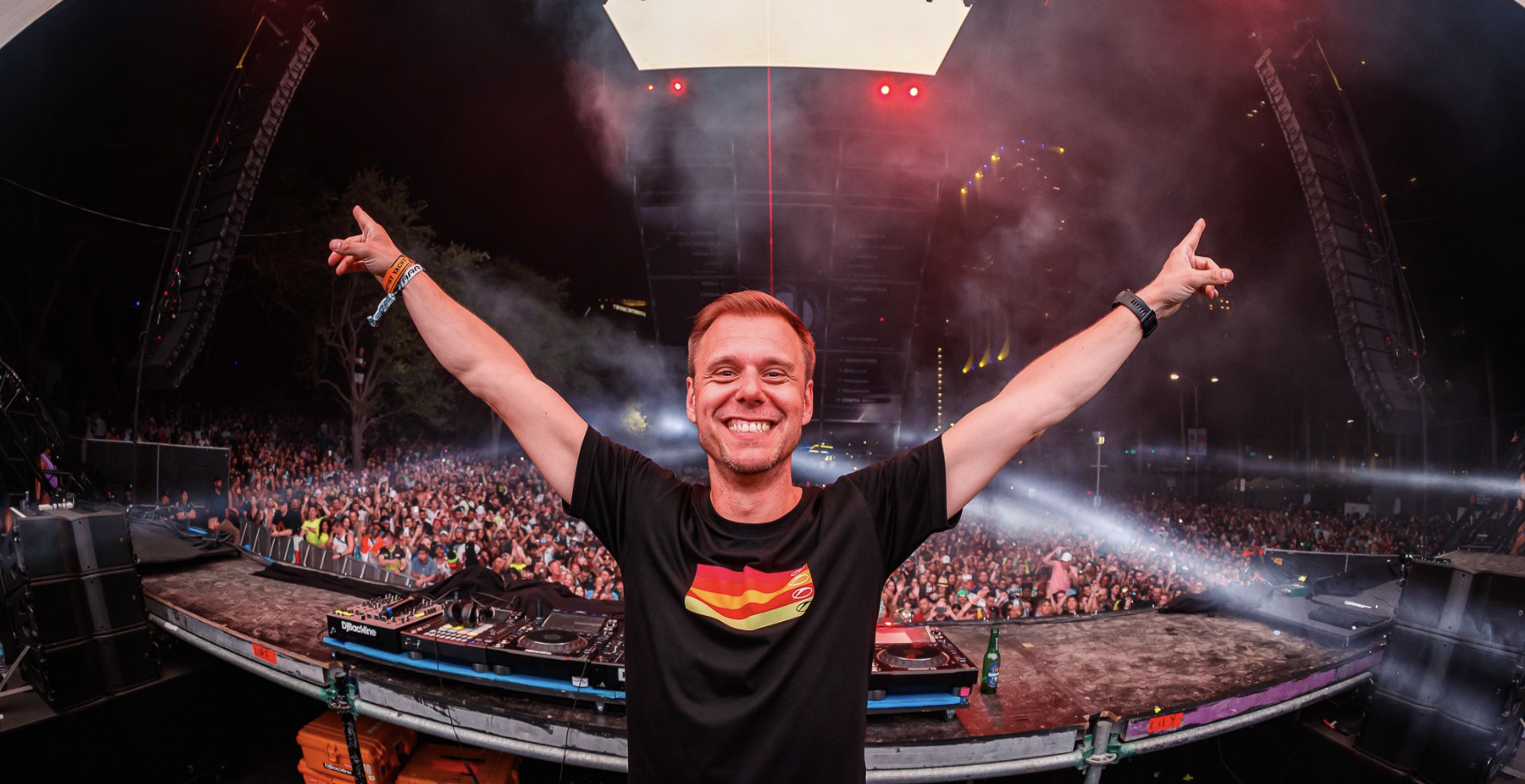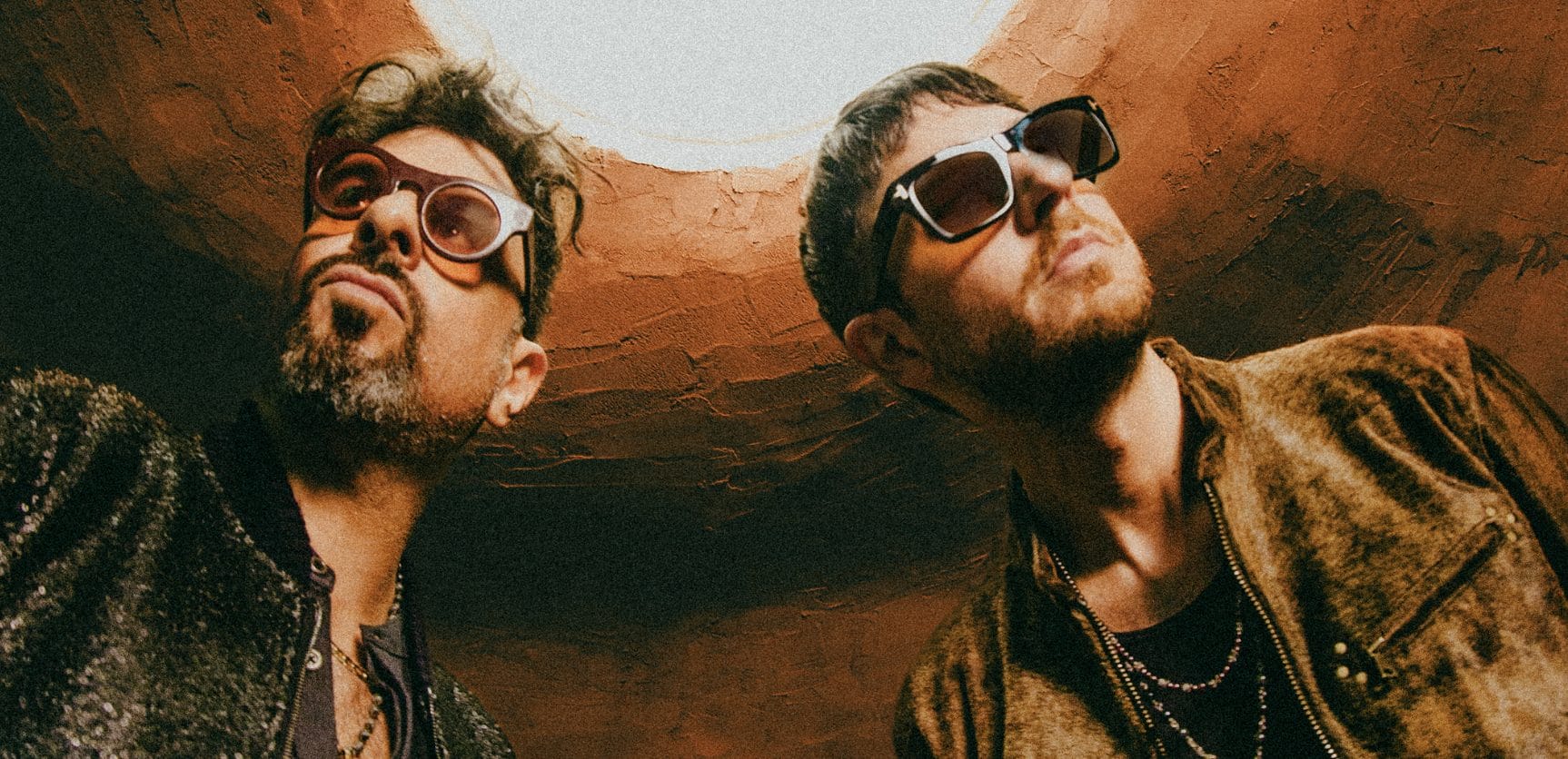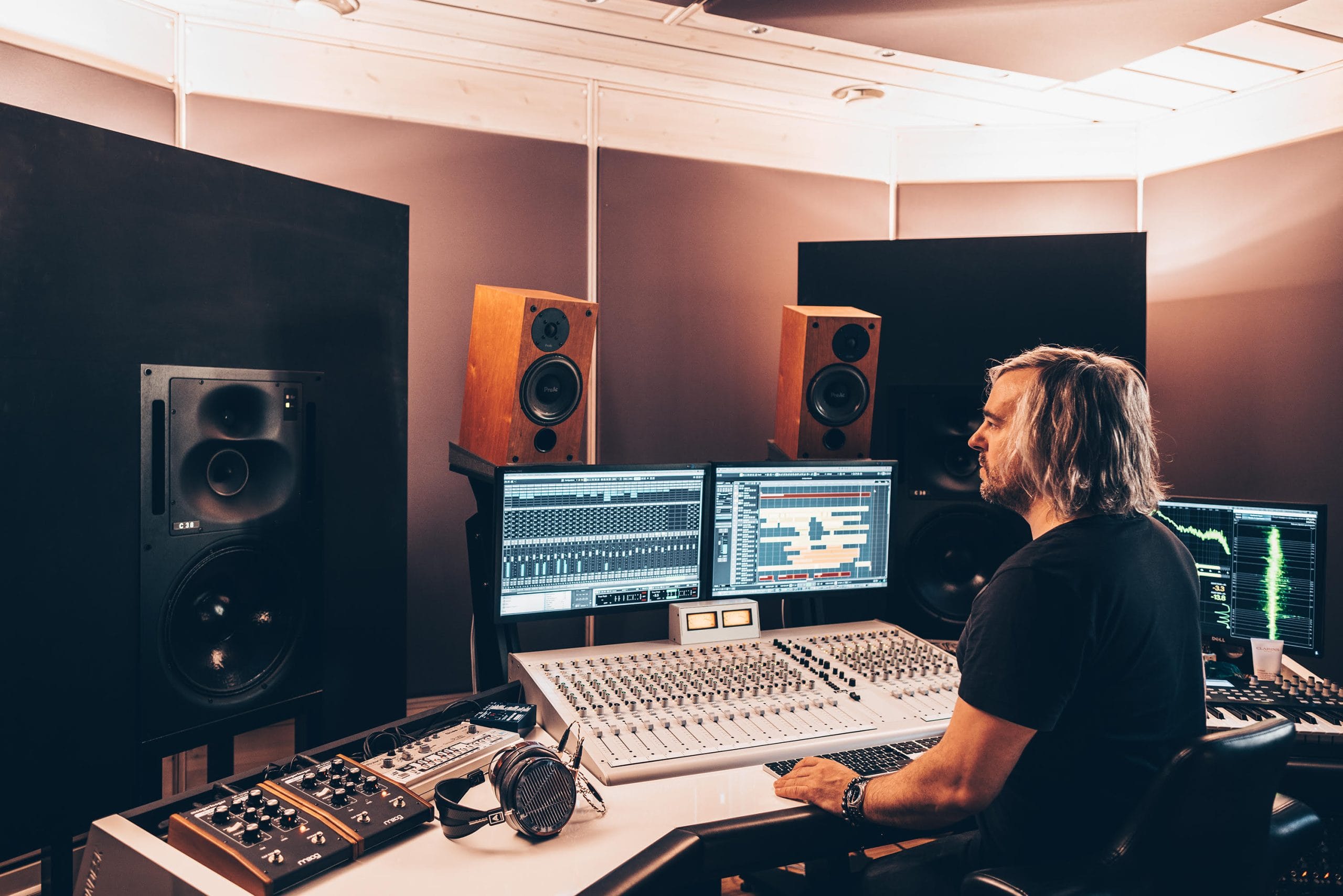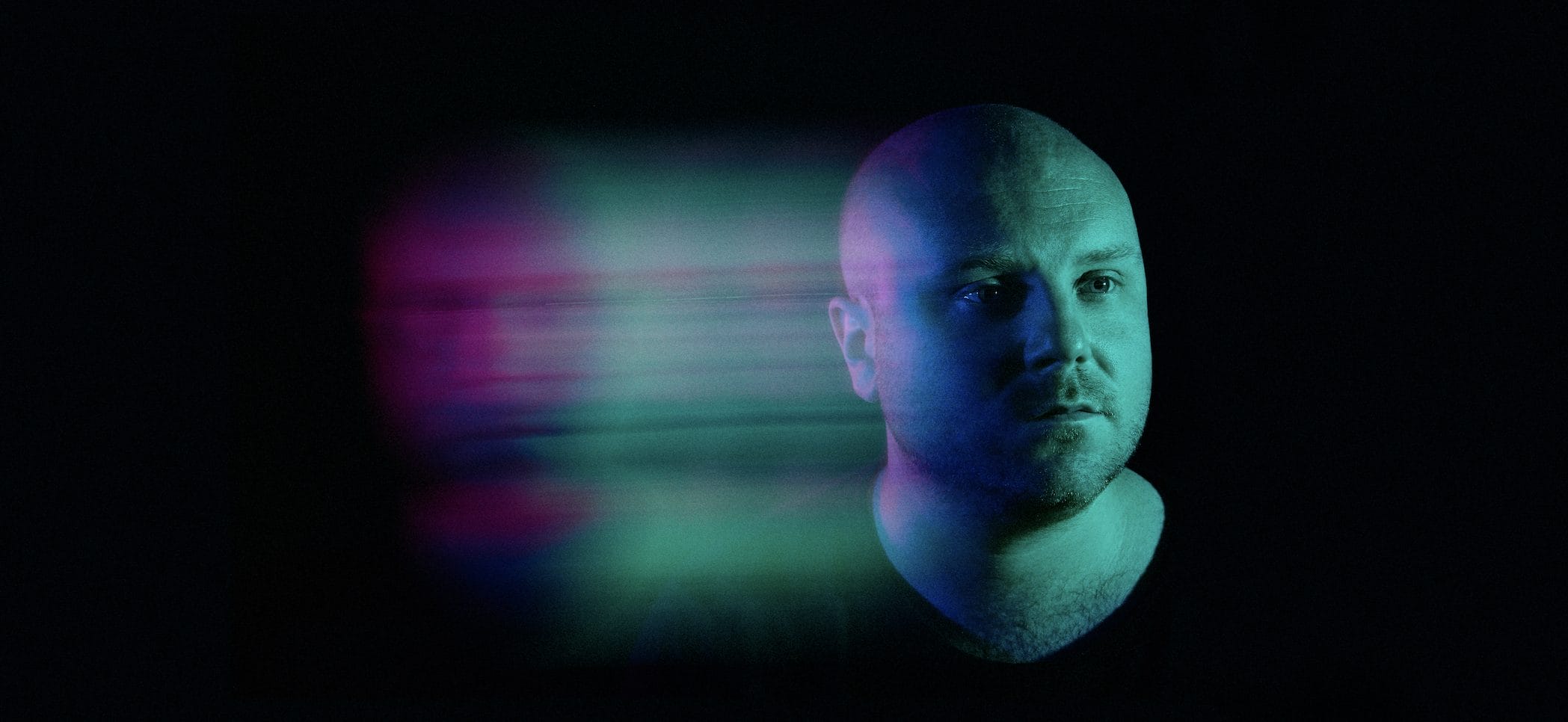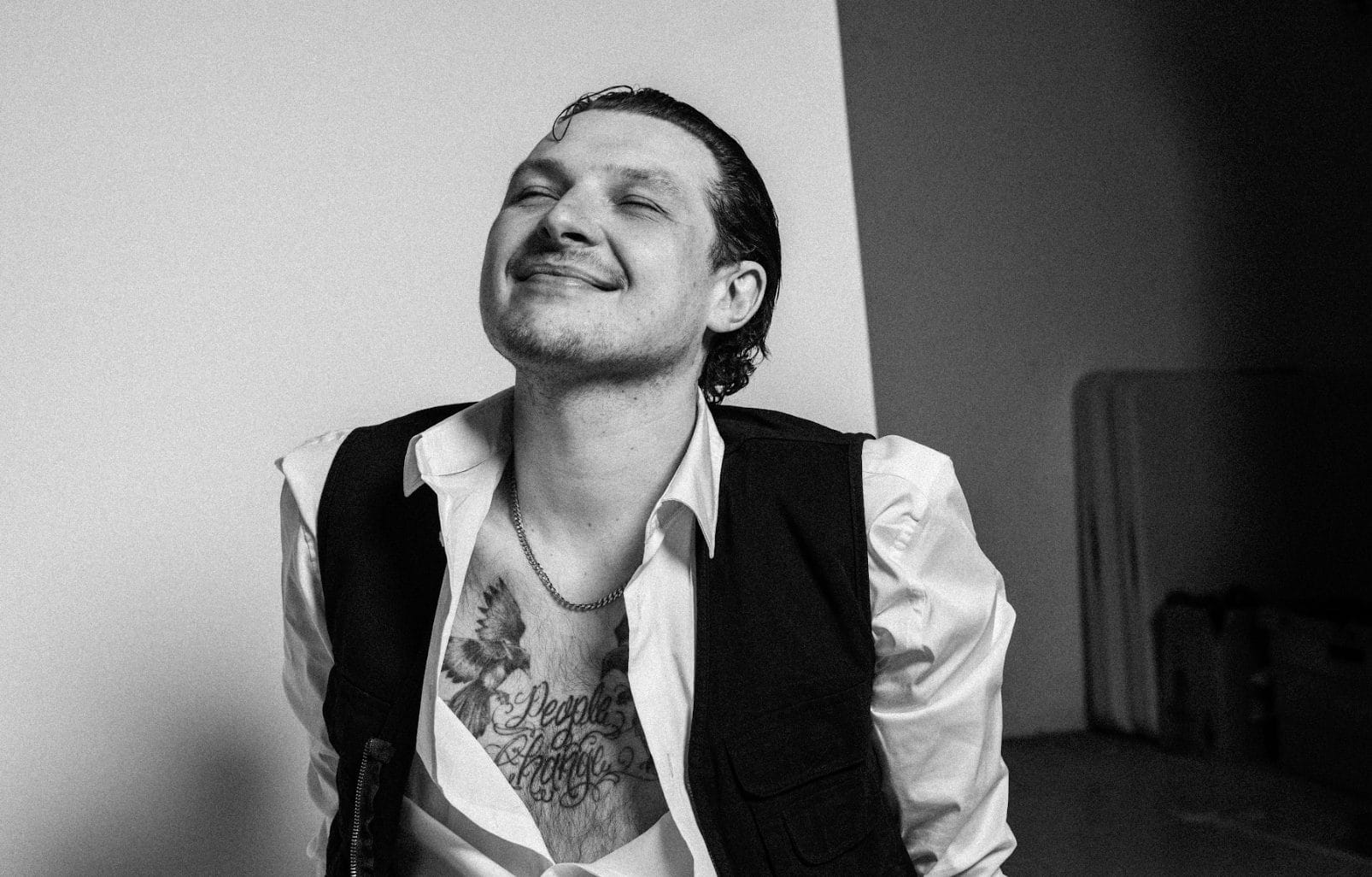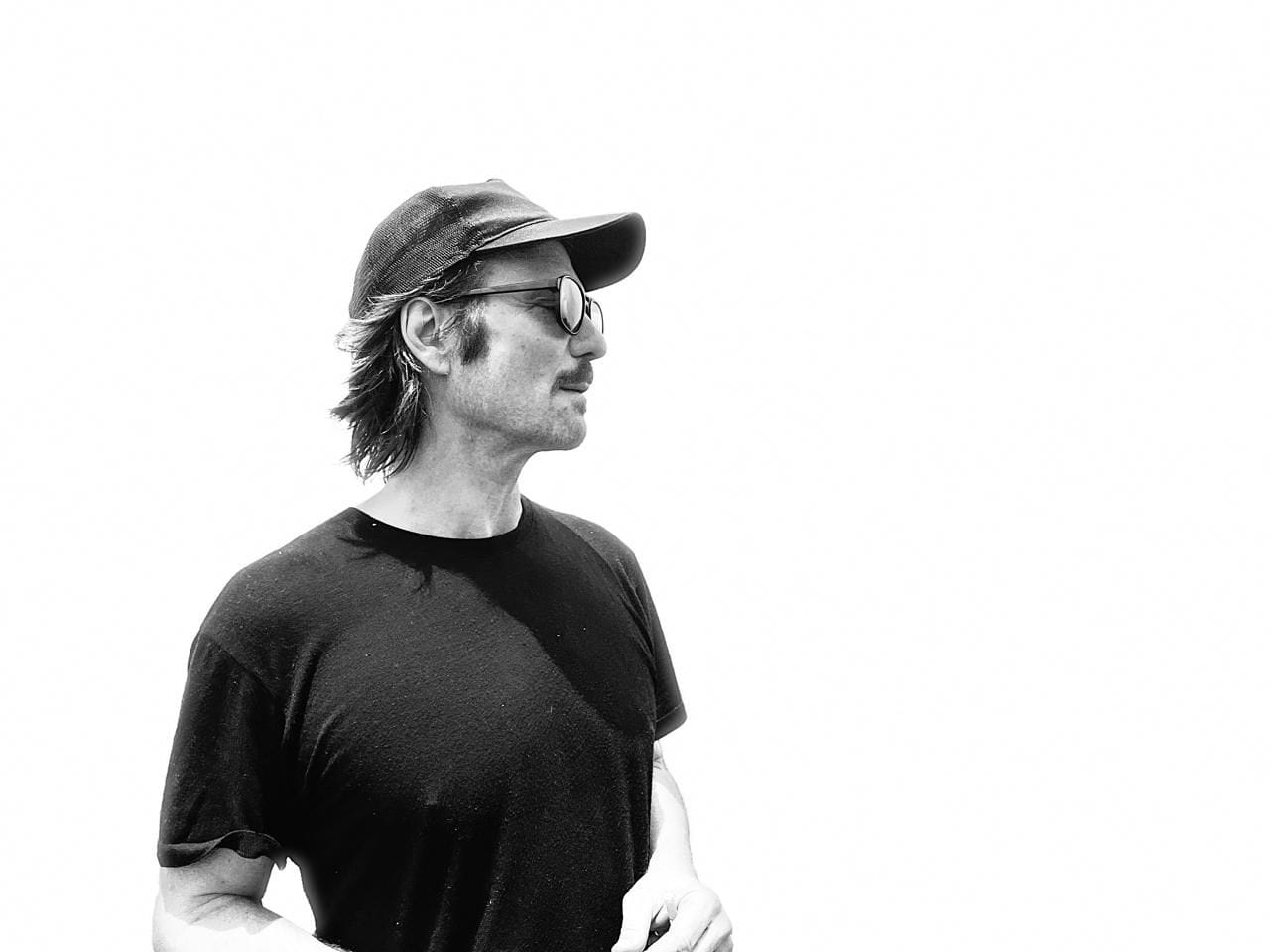
Philipp Jung’s (@live.forever.jung) new compilation Rewind Forward Vol. 1 via Get Physical Music is out now, and it feels like the right kind of project for an artist whose career has always been tied to curation as much as production. As a co-founder of Get Physical and one half of M.A.N.D.Y., Jung helped shape a strain of house music that balanced melody, groove, and left-of-center club instinct.
This new 11-track set pulls from that long catalog while adding a new unreleased remix of Birds Of Mind feat. Zemira Israel – Just Let Go, alongside recent Jung reworks of DJ T. – Bateria, Bruce Leroys – Liberdade, and Siopis – Really Love Ya. Taken together, the release reads less like a nostalgia exercise and more like a carefully chosen map of records, remixes, and relationships that still hold weight.
That wider context matters in this interview because Jung speaks about community in a way that aligns with the spirit of the compilation. He is not talking about scene-building as branding or hierarchy. He talks about it through conversations, long-term trust, residencies, mentorship, archiving, and the people who keep local culture alive without needing credit for it. In that sense, Rewind Forward Vol. 1 does more than revisit older material.
It underscores the value of continuity, memory, and shared effort, which this interview also gets at from another angle.
Interview With Philipp Jung
How do you think about your role beyond the booth in shaping or supporting a wider community?
The booth was always just the loudest part of the story.
Everything around it — late-night conversations, sending demos to friends, introducing people who should know each other — that’s where community forms. Running Get Physical shifted my perspective from thinking in gigs to thinking in relationships and timelines. Especially with a remix and best-of compilation, you’re reminded that scenes are really archives of shared moments rather than isolated releases.
I don’t see myself shaping a community from above, more like participating in a long conversation that started before me and will continue after. Sometimes the role is simply to hold doors open or create small moments of encouragement. There’s also a responsibility to protect curiosity and kindness in spaces that can easily become transactional. If people leave interactions feeling slightly more connected than before, that already feels meaningful.
At least for me.
Obviously, a lot of people conduct the business very differently and with a direct view on the financials and the financial outcome. If money becomes the sole decision maker, I think life gets pretty boring.
Have you ever made a decision with the long-term health of your scene in mind?
Quite often, those decisions rarely feel heroic in the moment.
We’ve passed on trends that looked attractive commercially but didn’t resonate emotionally with what the label represents. Working on retrospective projects like this compilation reinforces how important identity is over time — you see which choices aged well and which would have diluted the narrative. Supporting scenes and hot artists often came from fascination rather than market logic. There were also phases where doing less felt healthier than doing more — releasing fewer records but standing behind each one fully.
Scenes rarely struggle from a lack of activity; they struggle when everything starts sounding interchangeable. So sometimes putting out less becomes an act of care.

What’s an unseen contribution you’ve witnessed that meaningfully strengthened a local culture?
I’ve always been drawn to the people operating just outside the spotlight.
The promoter running a small night for years with genuine warmth, the studio host where knowledge circulates freely, the friend documenting everything through photos or radio — these roles form the real connection of scenes.
Looking back while assembling archival material for the compilation, many essential moments actually happened in rooms that never trended online. I remember residencies where experimentation was encouraged without pressure, and that freedom later echoed through entire artists’ careers. There are also the invisible digital infrastructures — group chats, mailing lists, shared folders — that quietly hold networks together. Culture is often sustained by caretakers rather than protagonists. Those energies tend to compound over time. And you only really notice them when they disappear.

In a platform-driven era, what does building a collective look like to you?
Platforms are useful windows, but they rarely replace shared experience.
For me, a collective still forms through mutual investment — studio days, travel stories, awkward experiments, meals that turn into ideas. Technology allows collectives to stretch geographically, which is beautiful, but values remain the anchor. Working on remix culture over decades also shows how collectives can exist across time, with artists responding to each other through reinterpretation. Humor, patience, and generosity hold groups together more reliably than visibility metrics. I see collectives today less as fixed crews and more as fluid constellations. People orbit, drift, reconnect, collaborate again. It’s a softer, more organic architecture.
And maybe a more resilient one.

How has your circle evolved over time, and what values have helped it stay strong?
Early on, my circle was fueled by shared discovery — everyone figuring things out simultaneously, which created a strong bond.
Over time, life layered in families, different paths, changing tempos. What stayed were relationships that existed beyond function or opportunity. Revisiting years of music while preparing this compilation felt almost like flipping through a photo album of those connections. Curiosity remains the strongest glue — staying interested in each other as people, not just collaborators. There’s also more honesty and patience now, and a recognition that creative lives move in cycles.
Forgiveness becomes surprisingly important. And humor, always humor. If you can still laugh together after decades, you’re doing something right.
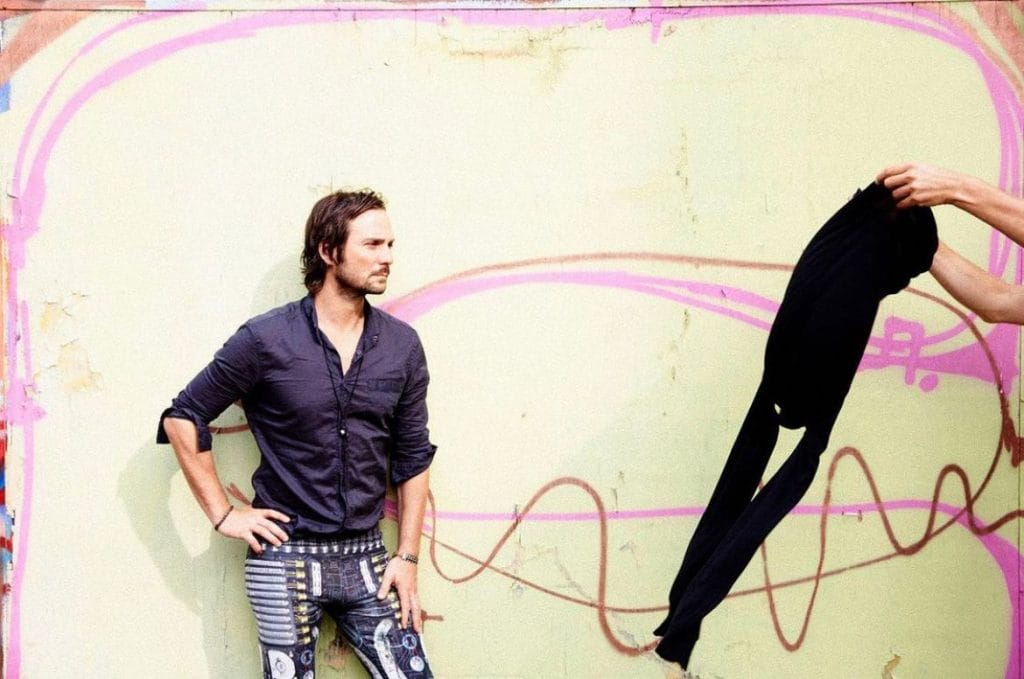
Was there a moment when you recognized your role extended beyond performing?
It wasn’t a single cinematic moment, more a slow shift in perspective.
Running a label, mentoring artists, organizing events — these experiences gradually expanded what participation meant. I remember younger artists telling me a release or conversation changed their confidence, which was both touching and slightly humbling. Looking back through catalog history now makes that relational impact even clearer. You realize that influence isn’t only musical but atmospheric.
Also, seeing communities form around projects you initiated makes the ripple effect tangible. Performing becomes one expression within a broader ecosystem. The realization arrives quietly but stays. And it changes how you show up.
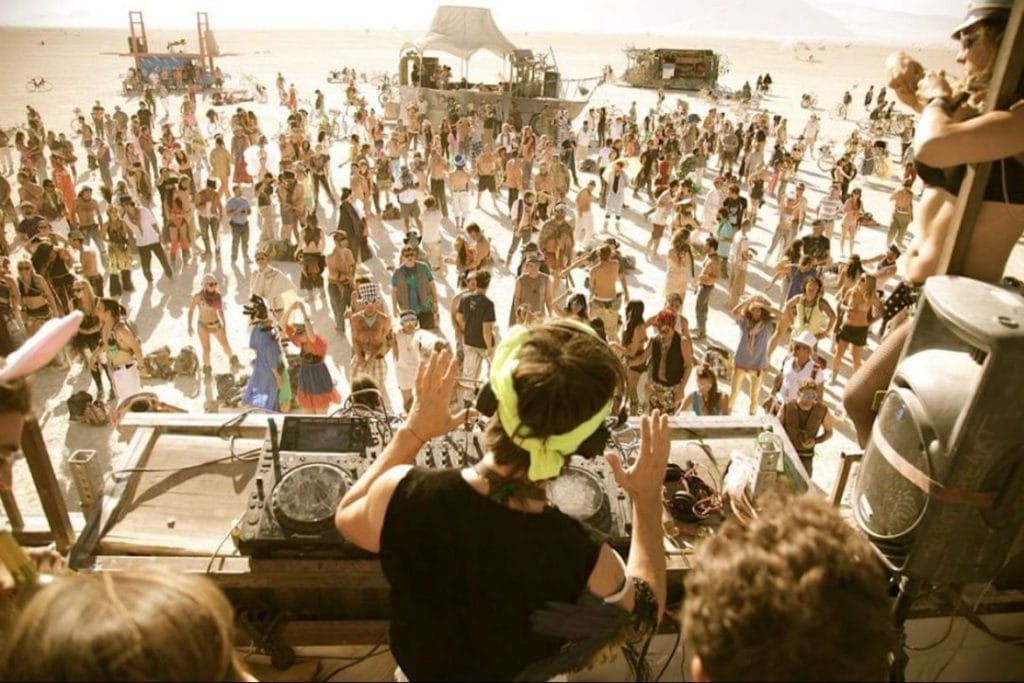
What practical first steps would you suggest to DJs who want to contribute more actively to their community?
Start by being genuinely present without calculating outcomes.
Go to local nights, listen, stay curious, support peers in ways that feel natural.
Offering help — even small logistical things — often builds stronger bonds than strategic networking. Collaborative micro-formats like back-to-backs, listening sessions, or tiny gatherings can create real momentum. Sharing knowledge is another powerful contribution, especially around areas newcomers find opaque. Consistency matters more than scale; repeated presence builds trust almost automatically.
And musically, exploring outside your comfort zone keeps scenes porous and evolving — which is essentially what remix culture embodies. Community isn’t built through grand gestures. It’s built through accumulation. Small actions, repeated.

Will Vance is a professional music producer who has been involved in the industry for the better part of a decade and has been the managing editor at Magnetic Magazine since mid-2022. In that time period, he has published thousands of articles on music production, industry think pieces and educational articles about the music industry. Over the last decade as a professional music producer, Will Vance has also ran multiple successful and highly respected record labels in the industry, including Where The Heart Is Records as well as having launched a new label with a focus on community through Magnetic Magazine. When not running these labels or producing his own music, Vance is likely writing for other top industry sites like Waves or the Hyperbits Masterclass or working on his upcoming book on mindfulness in music production. On the rare chance he's not thinking about music production, he's probably running a game of Dungeons and Dragons with his friends which he has been the dungeon master for for many years.