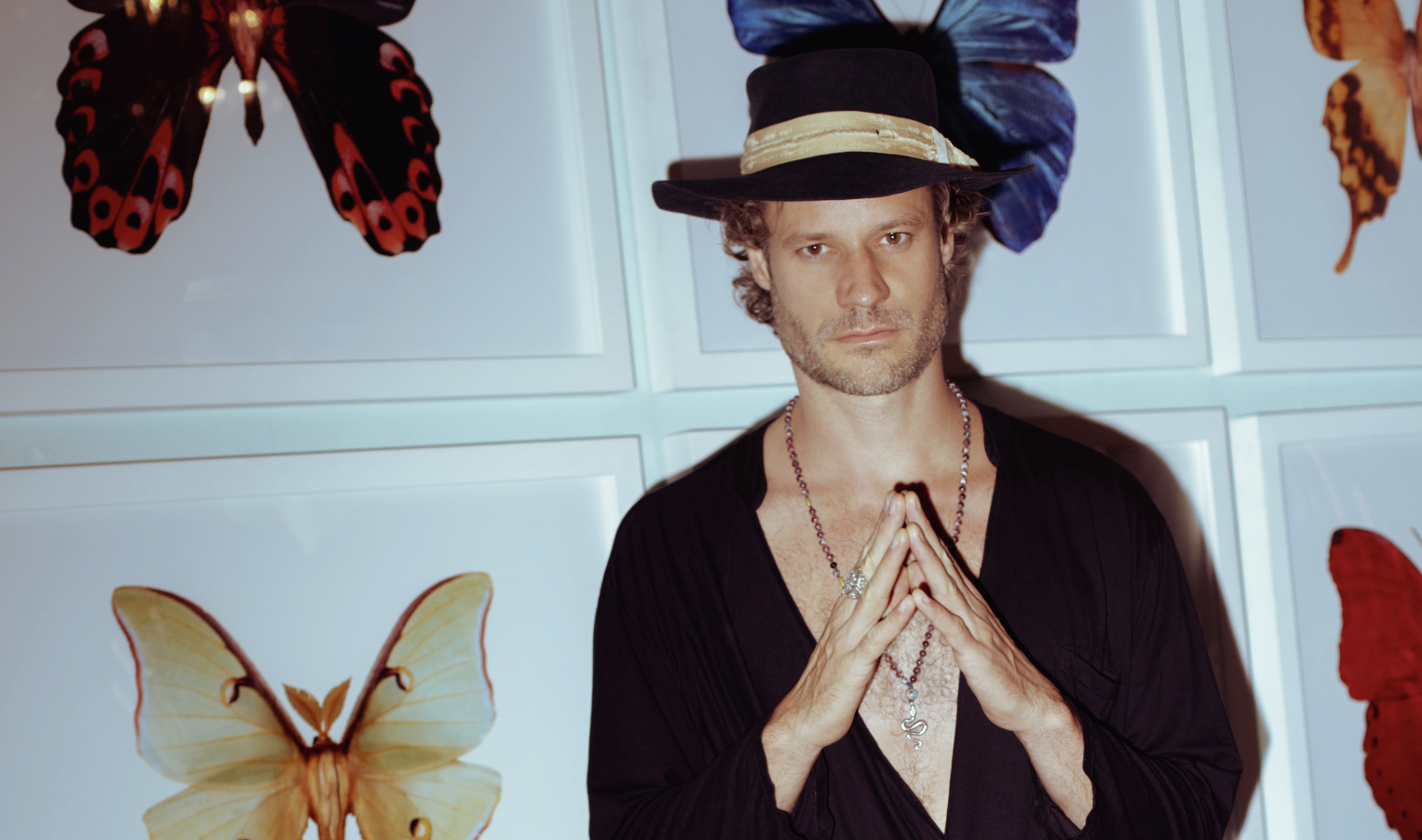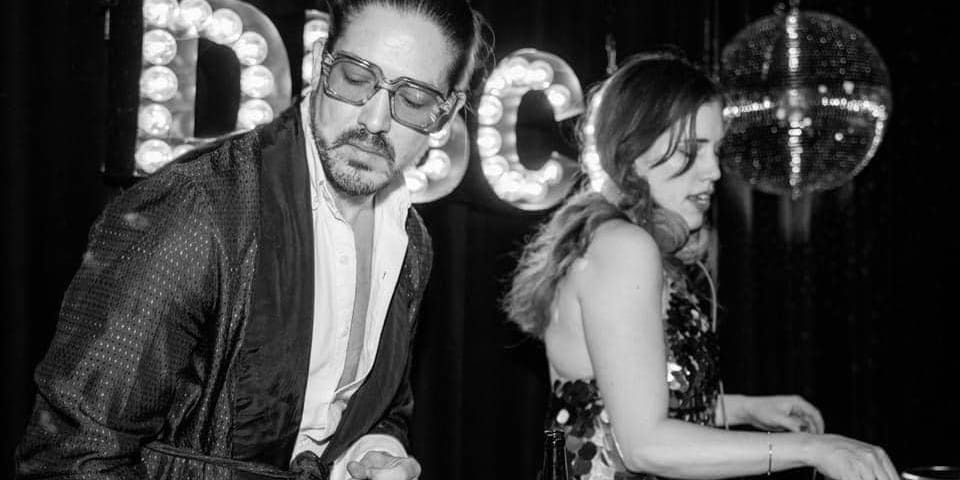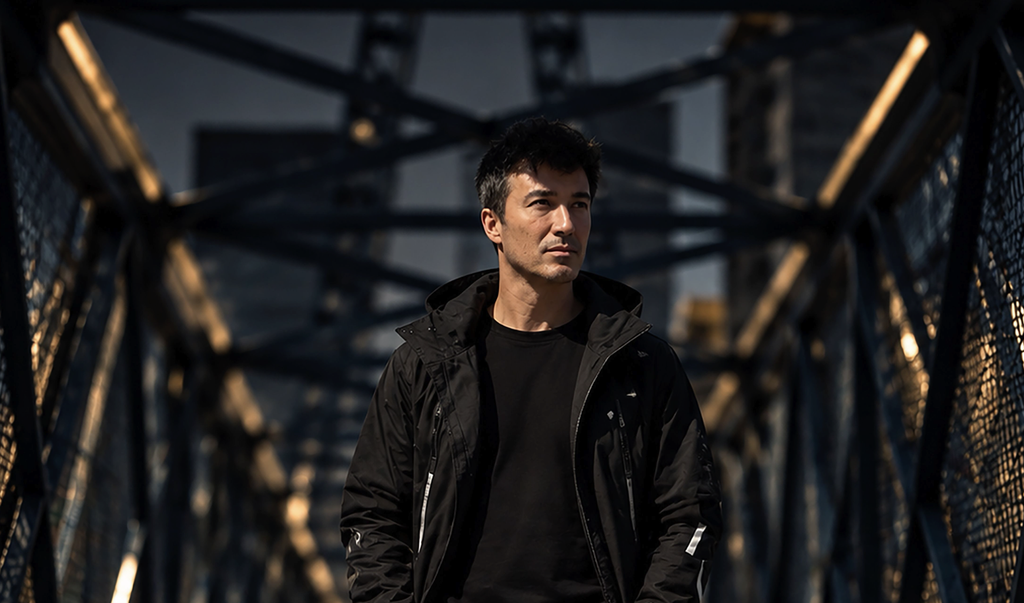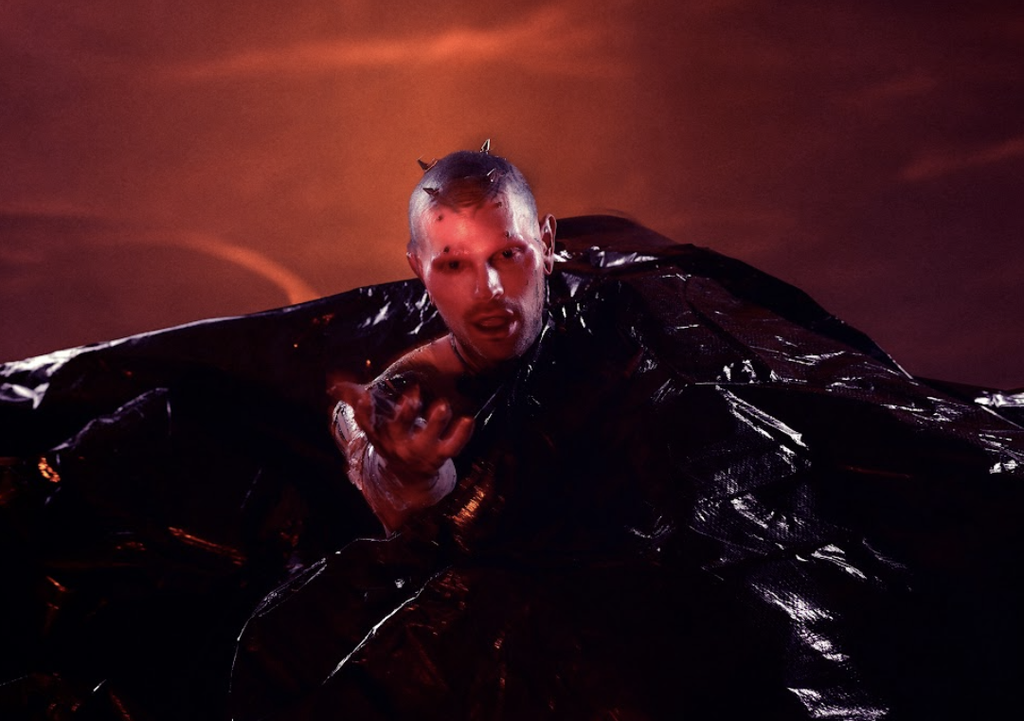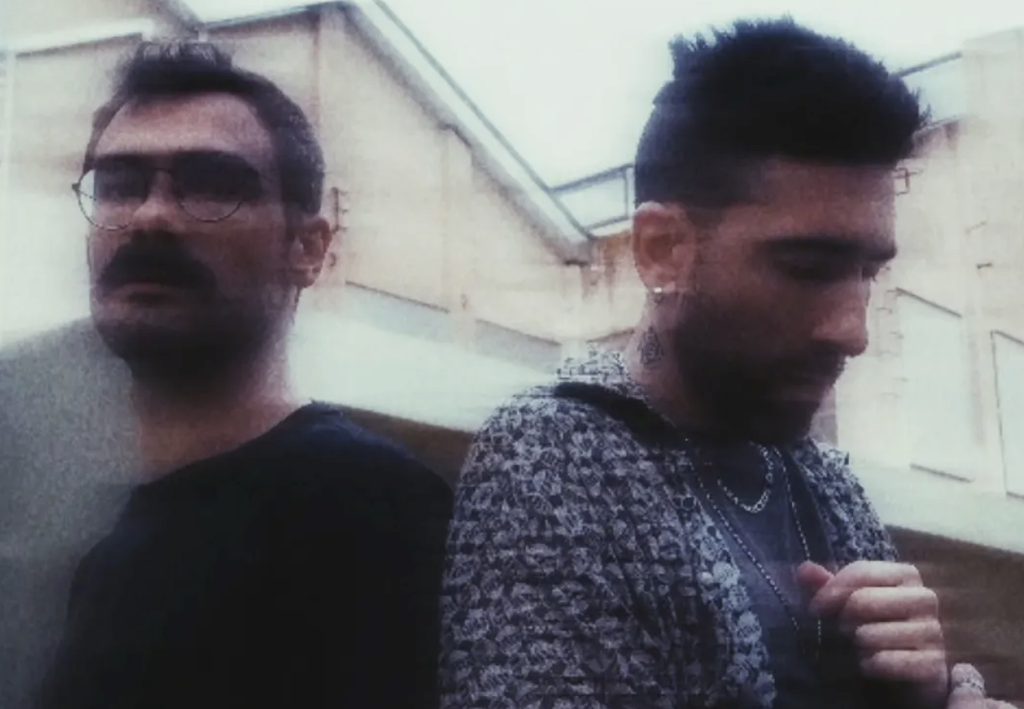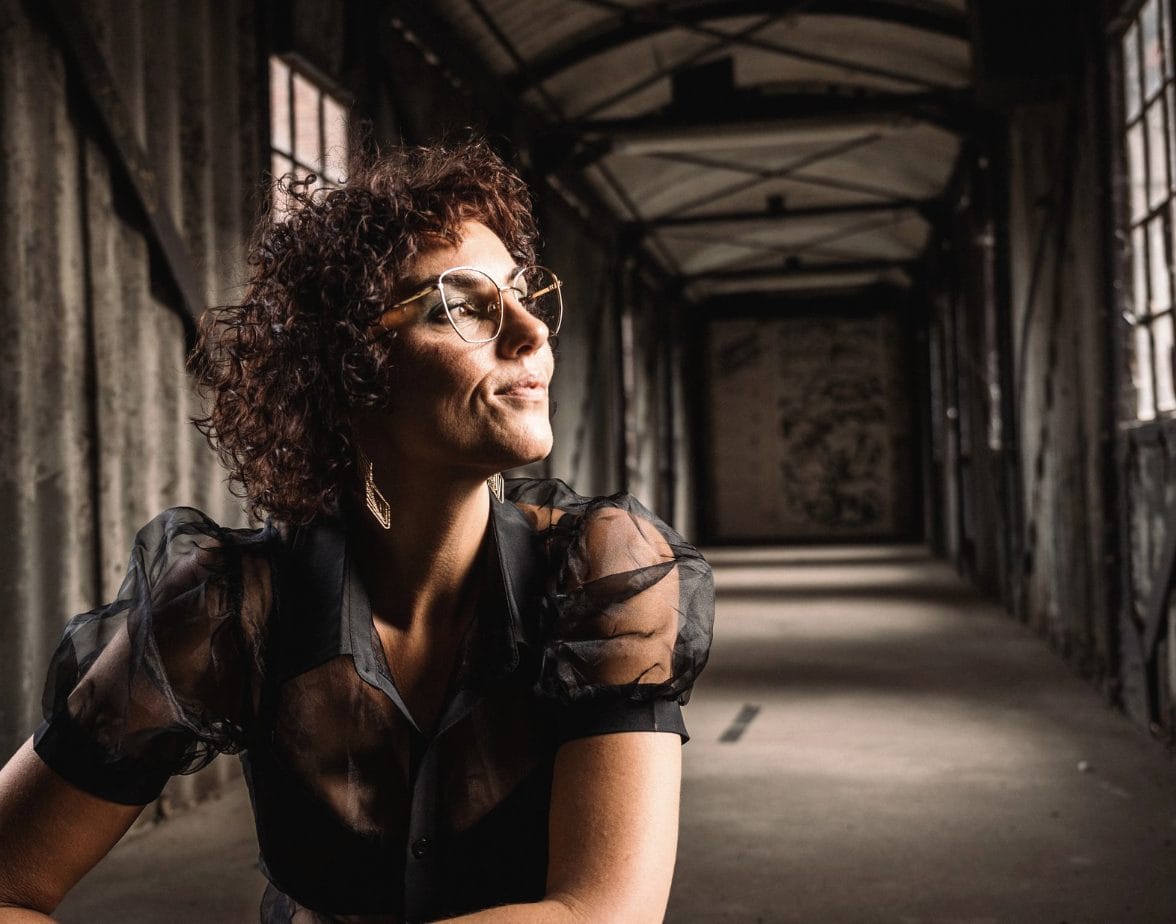
MARIA Die RUHE and Tooker return on SONARA Records with their reinterpretation of Silence & Secrets, originally written by WhoMadeWho. The release arrived on 30 January 2026 and follows a period of private work that later became a shared production. Developed in Sardinia at Sonar Studio, the track reflects a process shaped by silence, emotional rupture, and long-form collaboration. The final vocal was recorded on the day MARIA Die RUHE received a cancer diagnosis, grounding the project in lived experience rather than concept.
Across her career, MARIA Die RUHE has moved between DJing, live performance, and vocal-led production, building a catalog focused on internal states rather than stylistic cycles. Her work often addresses absence, connection, and endurance, themes that also sit beneath Silence & Secrets. The record continues that trajectory by placing voice and restraint at the center of the arrangement while maintaining a club-focused structure.
In this interview, MARIA Die RUHE speaks about visibility, creative identity, and how artists navigate attention systems that reward surface more than continuity. Her answers connect directly to the context of this release, which grew from private coping into public record. Rather than discussing promotion or metrics, she reflects on how music holds meaning when external structures shift, and how process remains stable even as platforms change.
Interview With MARIA Die RUHE
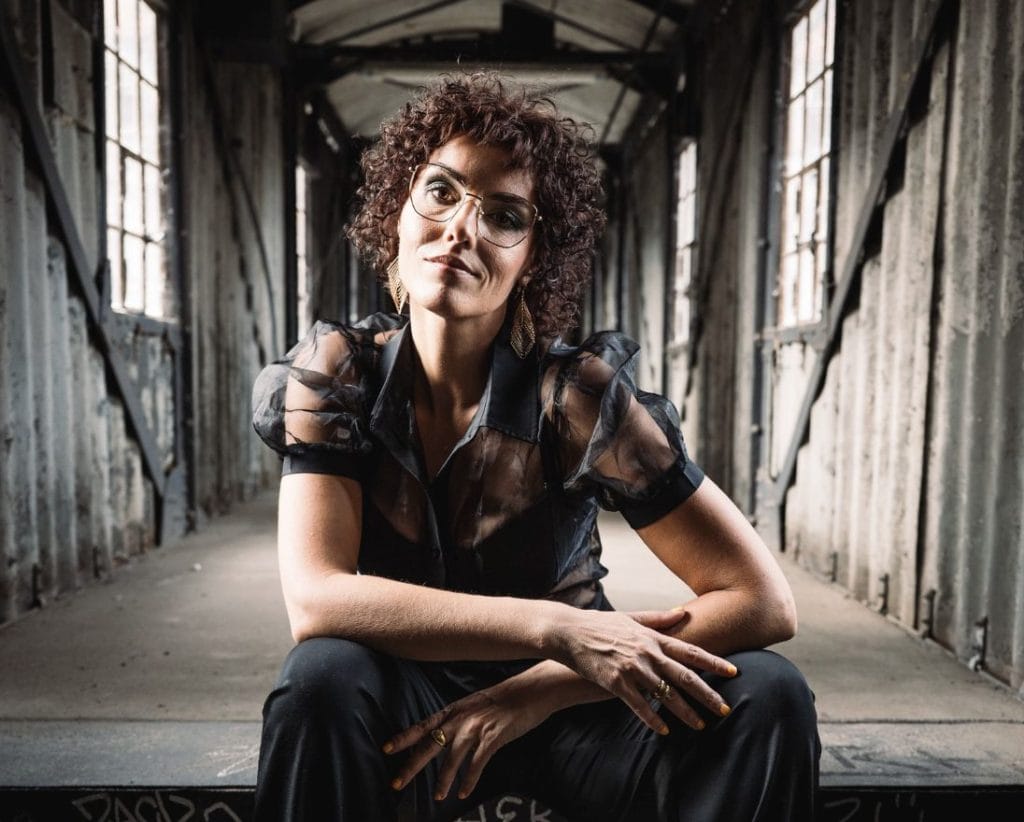
Do you think it’s harder now to cut through on music alone?
Yes, but I don’t think that’s necessarily a bad thing. There’s more music than ever, so music alone doesn’t automatically travel as far or as fast as it once did. Attention is fragmented, and context has become part of the conversation. I still believe quality, depth, and frequency reach the right people. Narrative or presence might open the door, but it’s the music’s gravity that determines whether someone stays.
If something carries authenticity, it finds its audience — maybe more slowly, maybe more quietly, but with intention.
How much of your booking momentum do you think comes from how people see you rather than what they hear?
Perception always plays a role, but it’s secondary. How people see you might spark curiosity, but what they hear — or what they experience live — decides whether that conversation continues. For me, momentum comes from consistency over time and from people who’ve actually connected with a show.
An image can frame the work, but it can’t replace that shared moment. The bookings that matter most usually come from someone being there and feeling it.
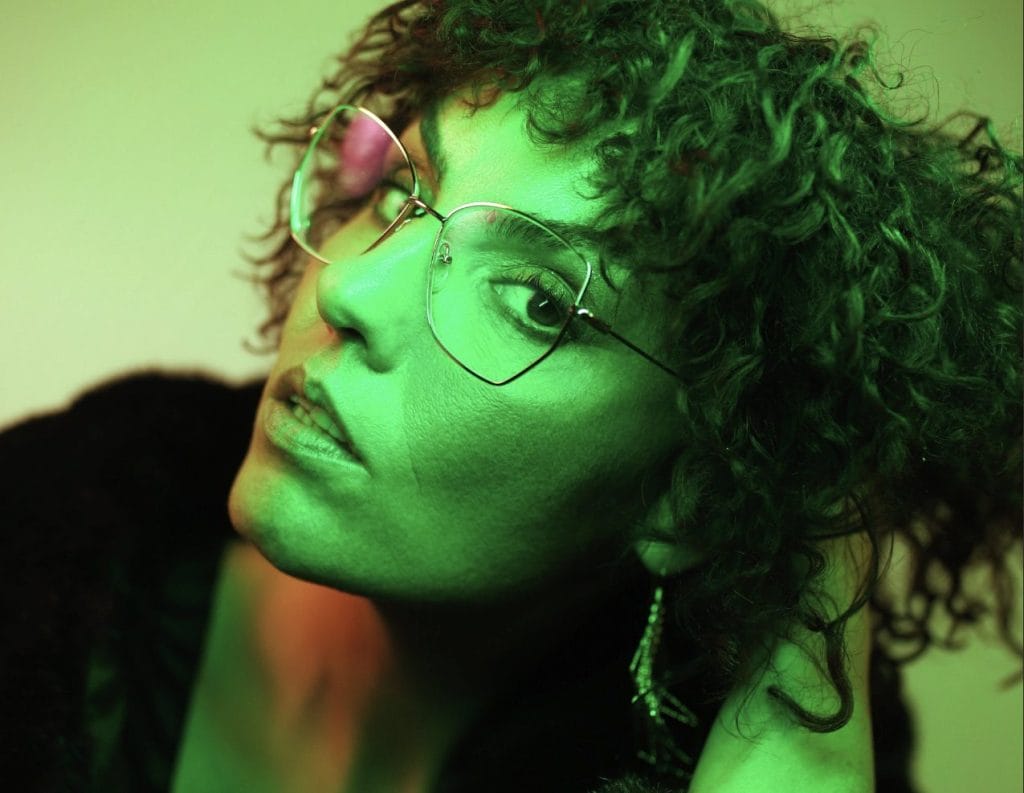
Have you ever had to consciously protect your process from becoming too image-driven?
I’m often ambivalent, moving between giving zero fucks and caring too much — and that tension easily becomes a projection surface for others. Naturally, there’s always been the temptation to fit in, but I’ve learned it doesn’t make sense. Chasing a trend usually means arriving just as it’s already over.
I try to protect my process by listening to what wants to be said through me, rather than shaping myself to external expectations. I believe that when the work comes from a deeper place, it reaches the people it’s meant for. An image can amplify a message, but it can’t generate one.
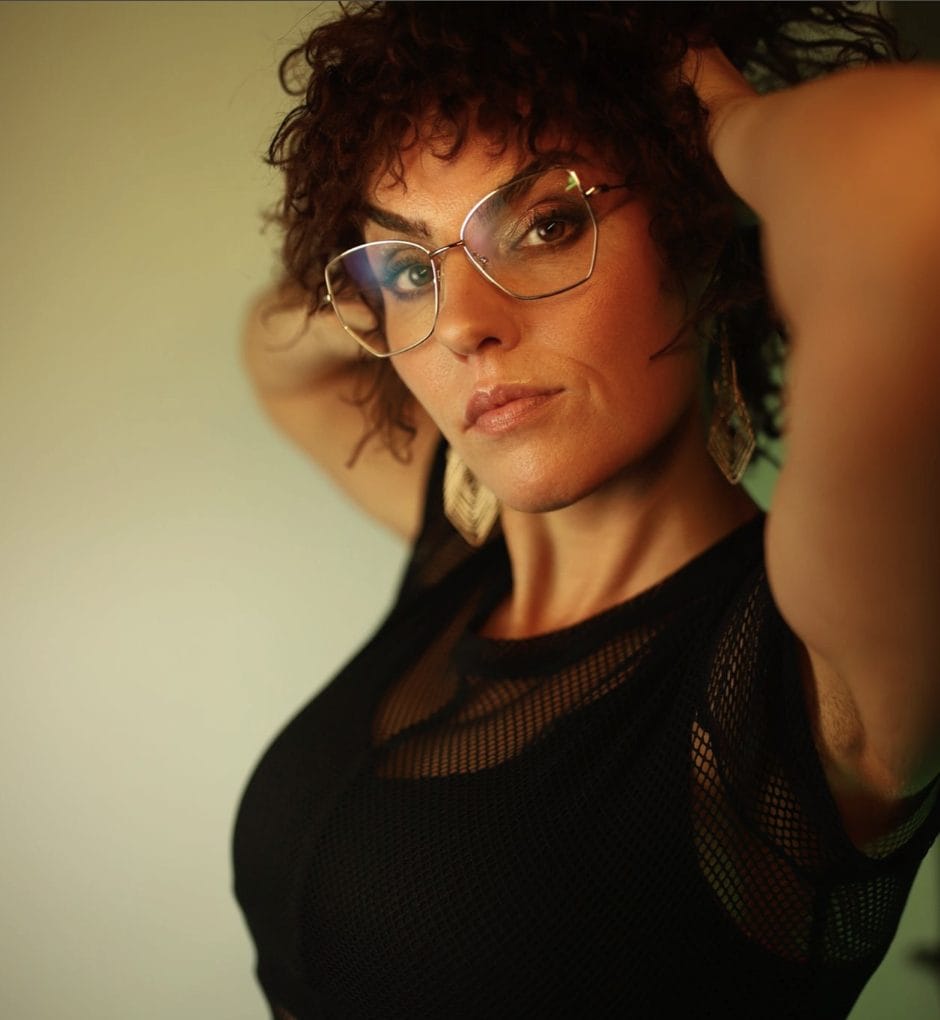
When does staying visible online feel valuable—and when does it feel hollow?
Staying visible online feels valuable when it opens a doorway to the people who truly resonate with the work. It feels hollow when it’s just performance. Great art comes from an obsessive drive to create something lasting — even though none of that is mine to control. Visibility is only the echo, never the source.
Do you ever feel like people are responding more to your aesthetic than your actual sound?
Sure. I love aesthetics, change, improvisation, and expression. I love my wide emotional range, and the way I can play with it in both sound and vision. People might notice the aesthetic first, but for me it’s inseparable from the music — the two feed each other, and that interplay is where the work really lives.
And of course, all of this is also a way to play, to get to know myself more deeply. It’s a joy to share that with others, though it’s naturally challenging at times. I’m very grateful to have the opportunity to do so.
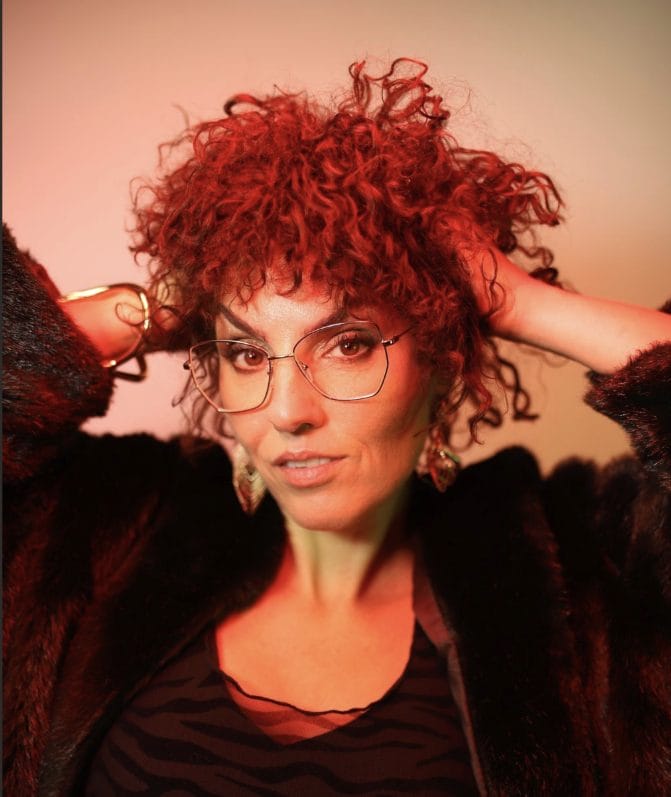
Have you seen good music get ignored because the artist wasn’t playing the game?
A lot of good music gets overlooked if the artist isn’t “playing the game.” Even if it reaches people online, that doesn’t guarantee full shows. Nobody really knows exactly how things will evolve, and right now we all have to find new ways to connect. One of today’s biggest challenges is that hundreds of thousands of streams don’t automatically translate to a live connection. People need to understand that we, as artists, essentially live from that connection.
I hope audiences go out more, connect more, and let music be the channel for that. I’m happy to provide the soundtrack for those moments — to help people find each other again through sound.
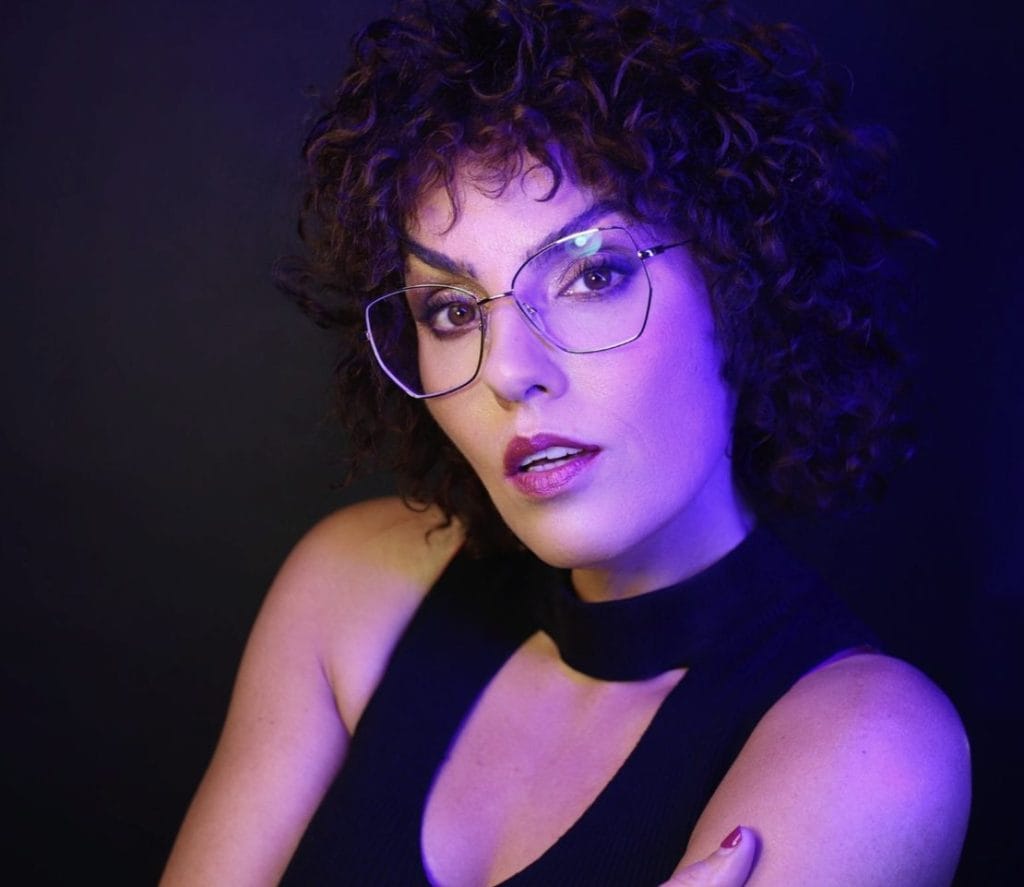
What helps you stay grounded when the algorithm rewards surface over substance?
I stay grounded by laughing at the weirdness of it all, stepping into the real world, taking walks in the sun or by the water, and being with friends. I pay attention to my reactions to things I can’t control — the algorithm included. An artist owns their title simply through expression; everyone works at their own pace and in their own way.
My biggest fear is that it’s too late — but it never is. I’ve learned that my nervous system can bear rejection and silence, and that the journey toward self-love and worth is ongoing. I want the process to feel enlivening, even lustful. Collaboration, trust, knowing what I can control and what I must let go of, and allowing myself always to change — that’s what keeps me rooted and moving forward.

Will Vance is a professional music producer who has been involved in the industry for the better part of a decade and has been the managing editor at Magnetic Magazine since mid-2022. In that time period, he has published thousands of articles on music production, industry think pieces and educational articles about the music industry. Over the last decade as a professional music producer, Will Vance has also ran multiple successful and highly respected record labels in the industry, including Where The Heart Is Records as well as having launched a new label with a focus on community through Magnetic Magazine. When not running these labels or producing his own music, Vance is likely writing for other top industry sites like Waves or the Hyperbits Masterclass or working on his upcoming book on mindfulness in music production. On the rare chance he's not thinking about music production, he's probably running a game of Dungeons and Dragons with his friends which he has been the dungeon master for for many years.