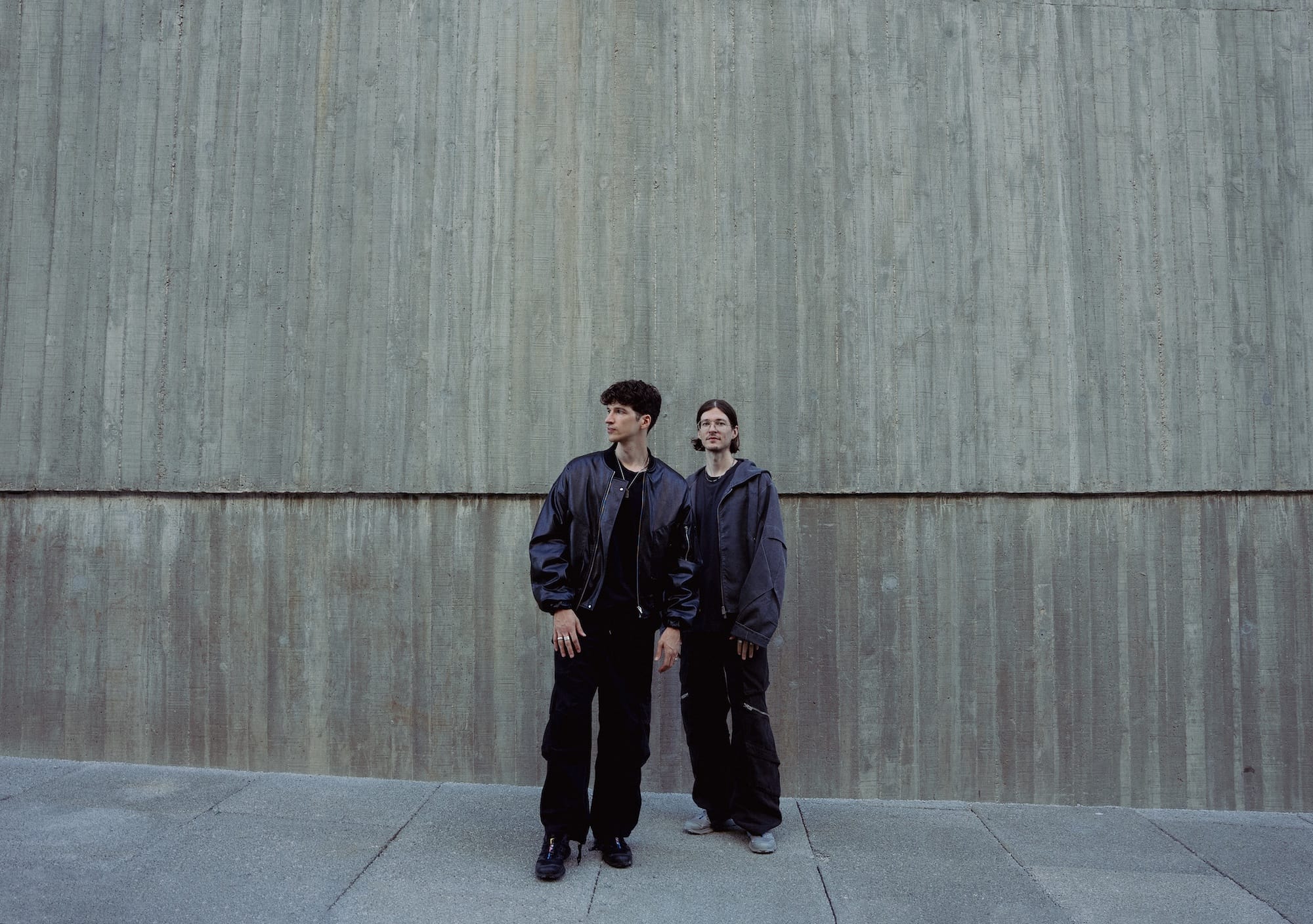
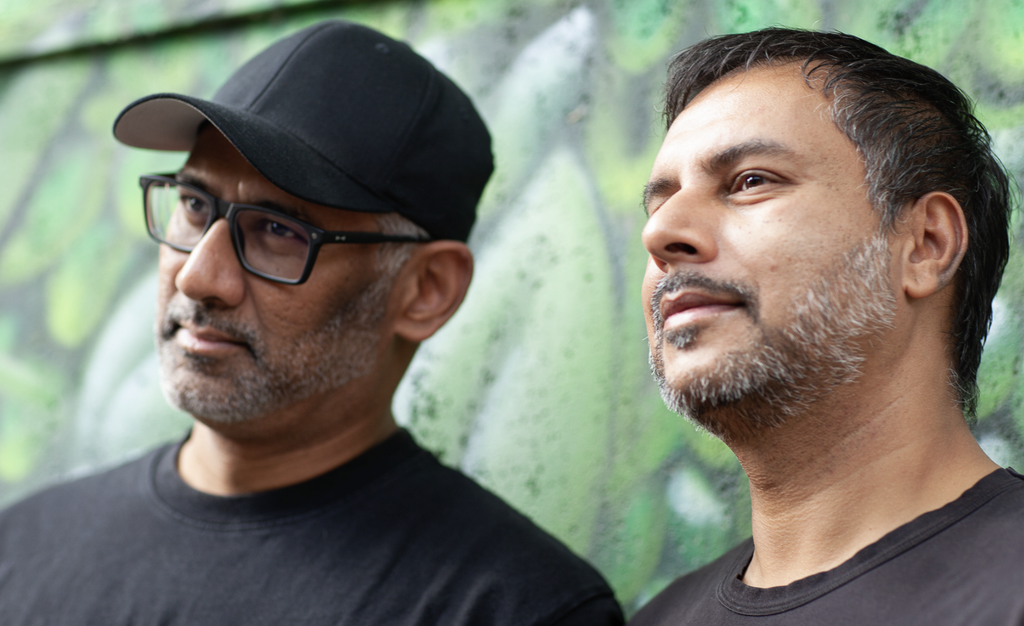
TWO LANES have spent the past few years building something that sits slightly outside the usual electronic live circuit. Their shows have grown steadily in scale, moving into larger rooms and sold-out runs, yet the core of the project still leans on restraint, space and a sense of physical connection between the two of them on stage. There’s a clarity to how they talk about it as well. The focus remains on the music and the experience in the room, not the metrics that tend to follow.
That balance hasn’t happened by accident. Alongside their own evolving approach to performance, a tight-knit team has helped shape the touring side of the project, with manager Matic Mac Rogan playing a central role in building out an operation that can support that growth without diluting what makes it work in the first place.
In this conversation, they reflect on how their live show has developed, the thinking behind “Signs of Change”, and the role of tension, silence and instinct in both their studio process and on stage.
You’ve built a reputation as a live act first. When you look back at the last couple of years, what do you think shifted that allowed the shows to scale while still feeling emotionally direct?
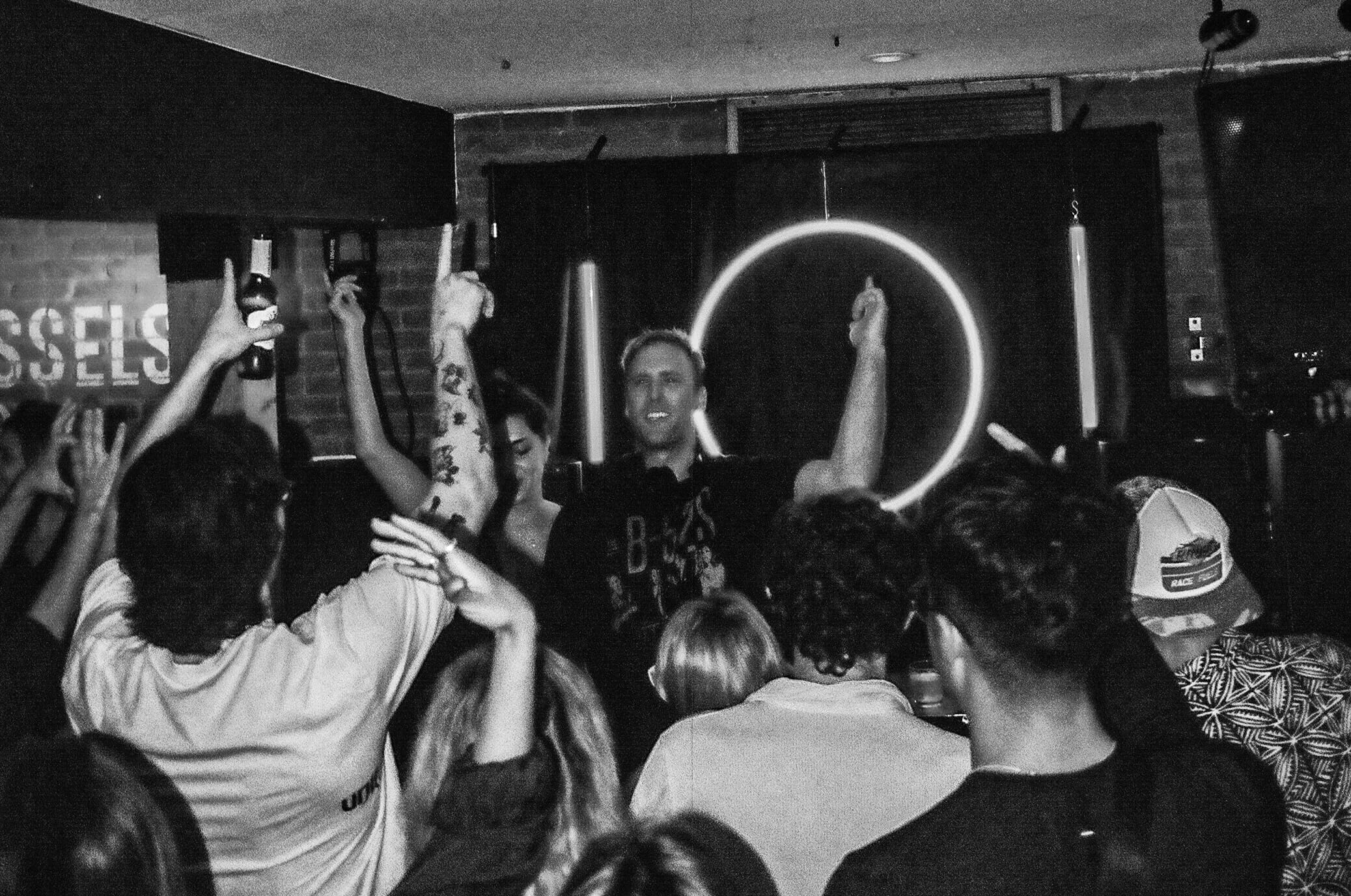
Playing bigger rooms was never really something we were actively chasing. We just kept doing what felt right, trying to make the shows feel genuine rather than impressive, and everything else kind of followed from that. At the core, our music has always had something quite intimate to it, and that’s something we’re very conscious of. We try to hold on to that feeling, so the shows still feel close and emotionally direct – whether it’s a small venue or a larger one.
Your latest release “Signs of Change” was very well received. Was that track reflective of a broader transition for TWO LANES, including how you think about the live environment?
That track actually came together almost by accident. We were already at the end of a studio day, packing up, and Leo just tried one more thing on our Prophet synth. This slightly detuned synth line immediately connected with us and we could feel it had something, so we kept going and ended up recording late into the night. Premiering it at Cercle Odyssey in Paris made it even more special and gave the track a different meaning.
Your music leans heavily on dynamics and restraint. How deliberate are you when writing with negative space, knowing those details tend to land differently in a room full of people?
We want the live set to take people through a wide range of moods – from very quiet, intimate piano moments on one end to more energetic moments on the other. The more shows we play, the more confident we feel moving between those worlds. We are constantly changing things in our live set, and for the next tour we want to explore those contrasts even further.
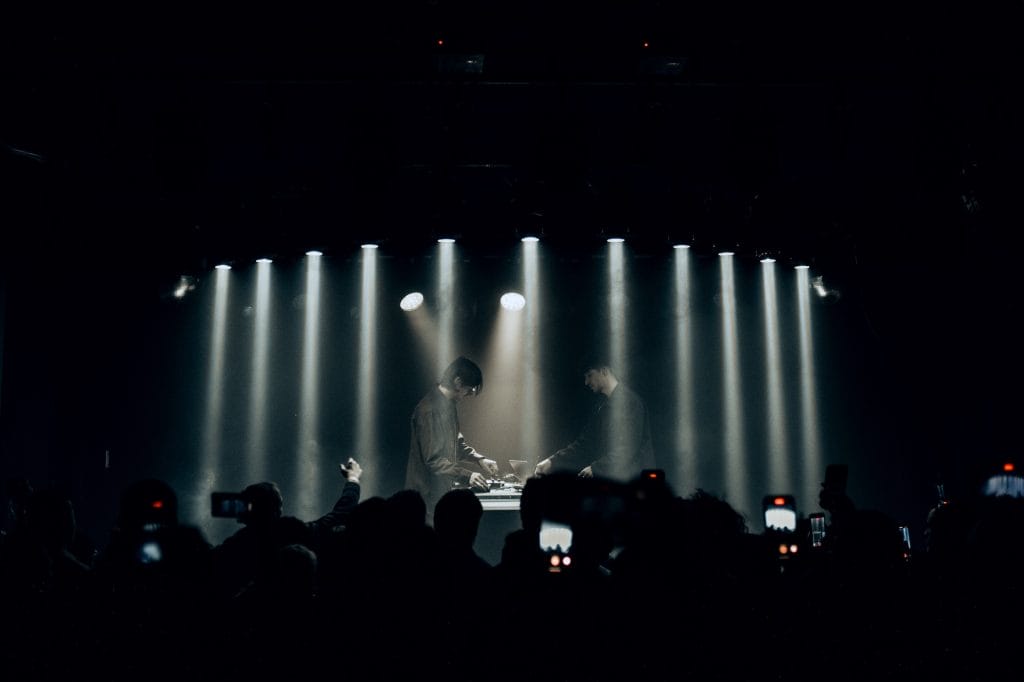
When a new piece enters the set, what tells you it belongs there long term? Is it crowd response, your own physical sense on stage, or something more technical?
Usually we know pretty quickly. A new track can feel immediately at home in the set, like it was always supposed to be there. Other times something that felt strong in the studio just does not translate live. We might add a new track or element to try something different and keep it exciting for ourselves. The same goes for new pieces of gear on stage – experimenting with them can shift how the set sounds. It can also change from night to night, from room to room. We talk about all of this a lot after the shows and see how we feel. It is an ongoing process.
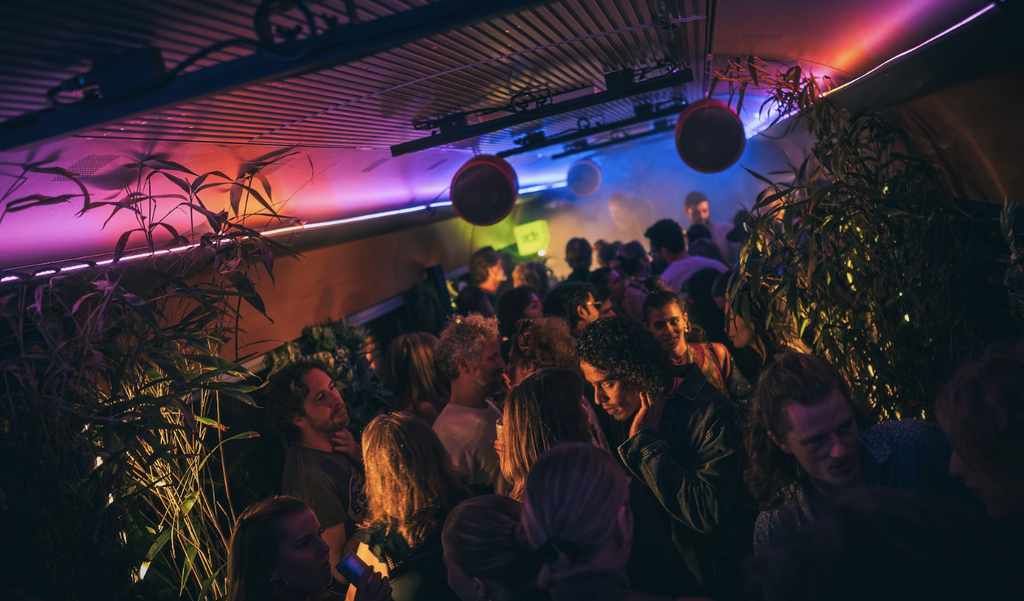
Audiences often describe your shows as immersive without relying on heavy theatrics. How much of that comes from musical arrangement versus production design?
For us the music always comes first. The production should support what is already happening, not the other way around. We work closely with the lighting and visual teams beforehand, talk about colours and atmosphere, but we always want to make sure that if you closed your eyes the experience still feels complete.
Scaling a touring operation usually means trusting more people with the project. Who has become essential within your live team, and how has that changed the way you operate day to day?
We have been lucky to find people who really get what we are trying to do. Our manager Matic Mac Rogan has been essential in that, helping us build the touring operation across different territories. Now there is a small team around us that we trust so we can focus on the shows.
Many electronic acts talk about the tension between studio precision and live unpredictability. Where do you sit with that now?
We kinda learned to enjoy the unpredictability. Some of our live tracks only exist in that context, they are not finished studio pieces, they are just that moment. That keeps things exciting for us too.
After a run of sold-out dates, expectations naturally rise. Does that influence the kind of material you write, or are you careful to keep those worlds separate?
We try to not think about it too much. The moment you start writing for an expectation it stops feeling honest to us. We just go back to the studio and follow what feels right in that moment.
Follow TWO LANES on Instagram







![How It Was Made: Lang Father i(Junkyard Dog) [Welofi]](https://magneticmag.com/wp-content/uploads/2026/10/Press-Pic_2-1024x576.jpg)