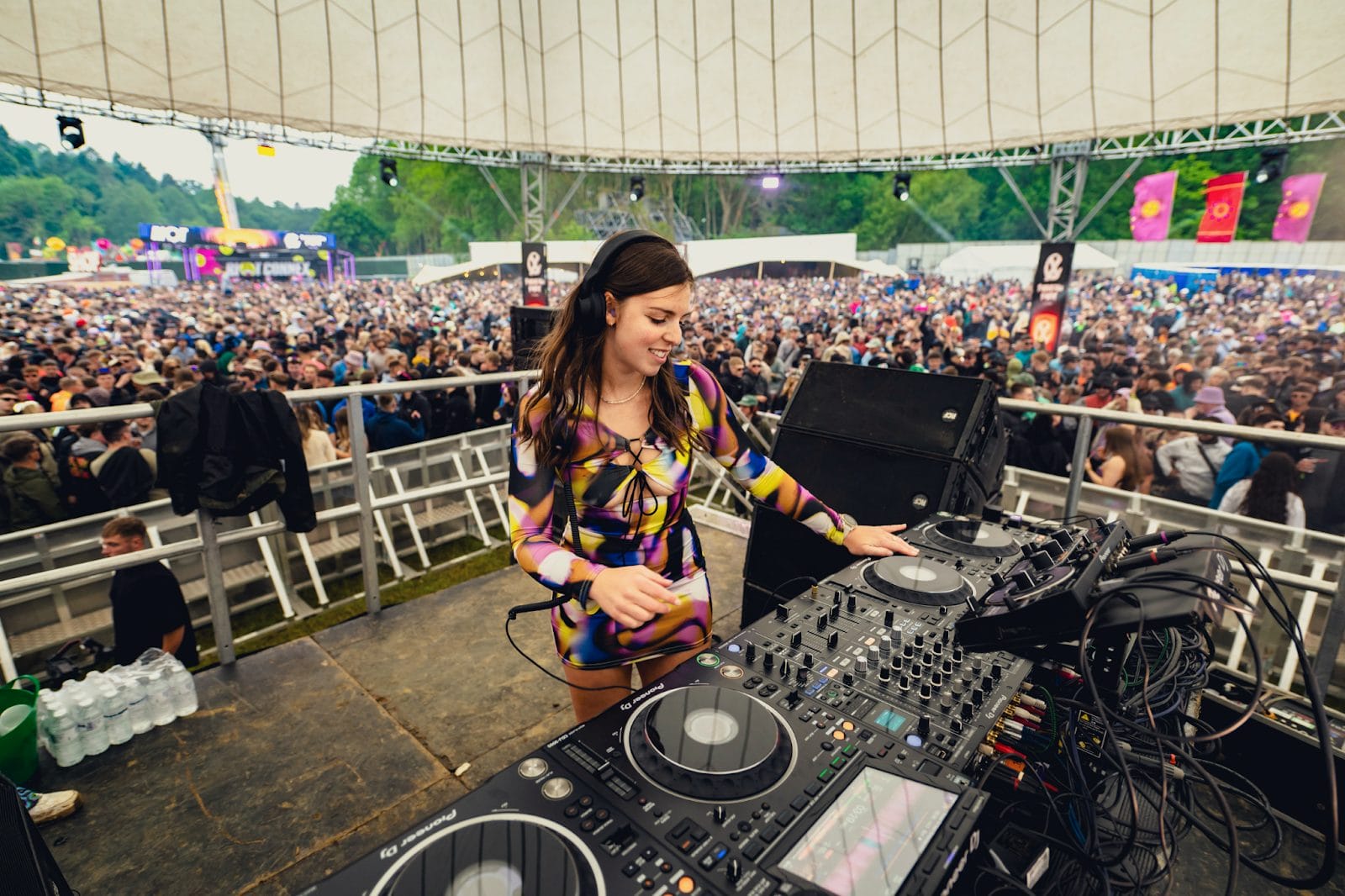
Above Image Cred: Stephanie Elizabeth
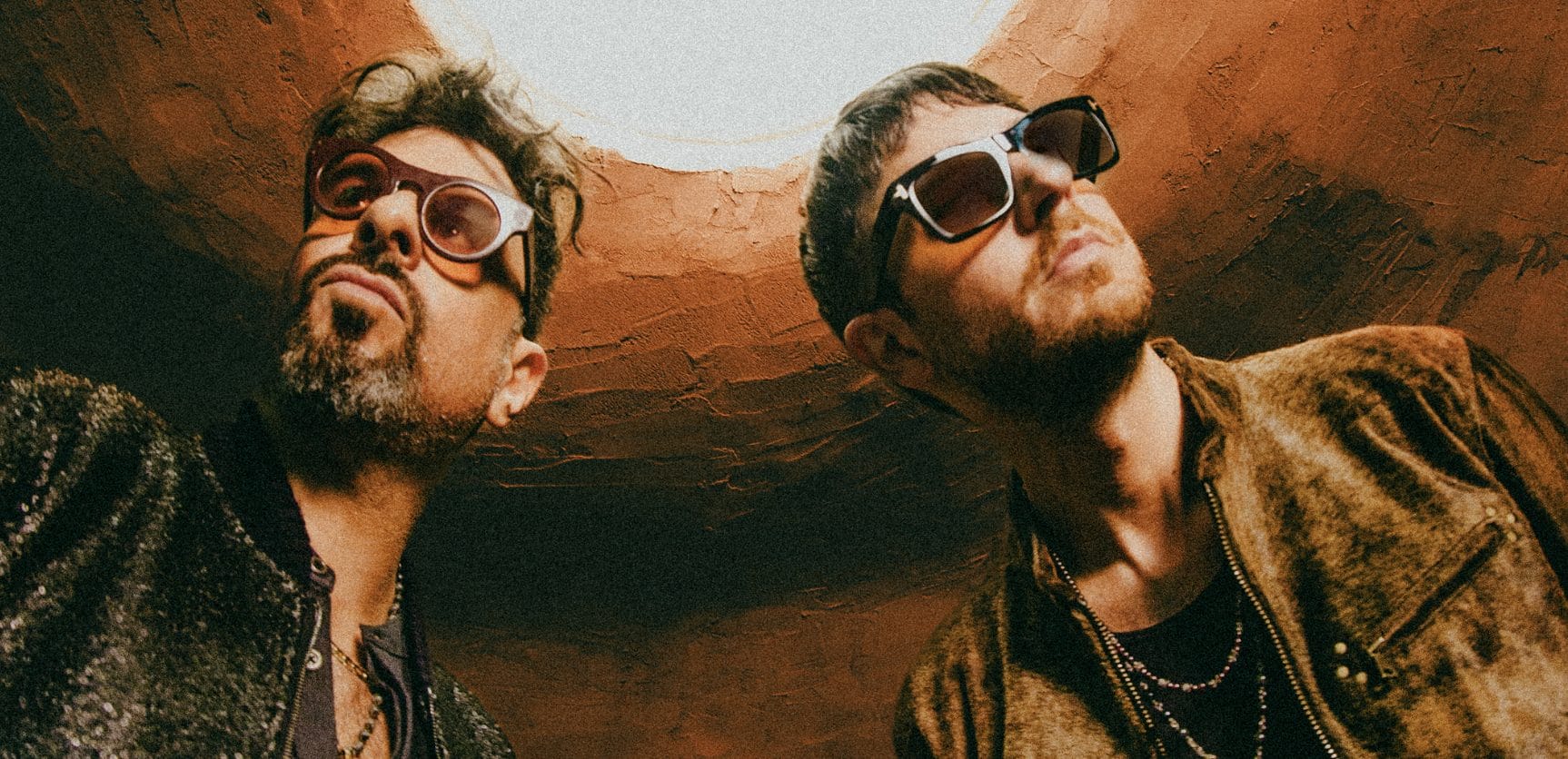
For this installment of the How It Was Made series, Berlin-based artist Electrosexual breaks down the production of his new single “Like That,” featuring Nicky Miller. Released on Rock Machine Records, the track pulls from the raw, physical energy of their live shows and brings it into the studio without losing its grit. The goal was to keep things direct and emotionally charged while leaning into the signature tension of acid house and electroclash.
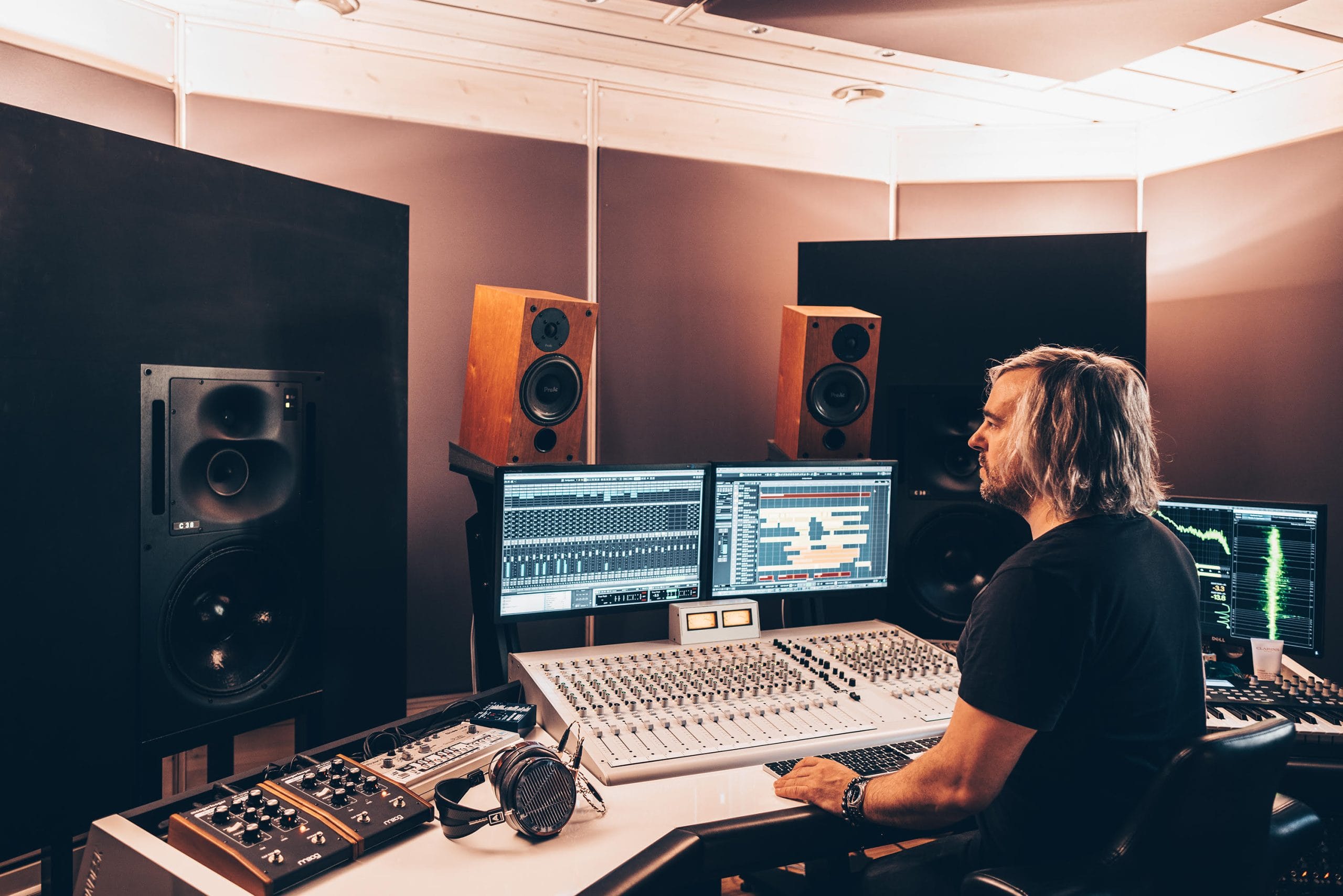
Instead of piling on plugins or trying to perfect every sound in the box, this track was built through hardware performance, restraint, and instinct. Electrosexual limited the tools before he started writing, using Cubase Pro 8 as the central hub but relying on hardware for character. That split approach helped maintain spontaneity while keeping the sound design controlled and intentional.
Pre-Save And Support The Track On All Major DSPs Here
From the Behringer TD-3 acid line recorded live with all knob movements, to the Korg MS10 handling that aggressive low-end, every choice was made to keep the track raw, physical, and human. The result is a production that moves with purpose rather than polish and stays true to the adrenaline of Electrosexual and Nicky Miller’s live chemistry and they explain it all in the feature below; the rest of the words are entirely from Electrosexual.
The idea behind ‘Like That’ featuring Nicky Miller, was to keep the spontaneity and ecstatic energy of our live performances re-created in a song.
It needed to be direct, driving, stay raw, powerful and yet remain emotional.
Since constraints foster creativity, I like to select the pieces of equipment i will need for the project before starting the track.
In this creative process i like to combine working with Hardware as well as VST’s in Steinberg’s Cubase Pro 8.
The VST’s allow some flexibility in terms of spontaneously trying out a lot of different options of sounds and effects, and the hardware, is dedicated to specific ideas i have in my head, that need some extra setup and fine tuning.
TD-3 (Main Acid Synth)
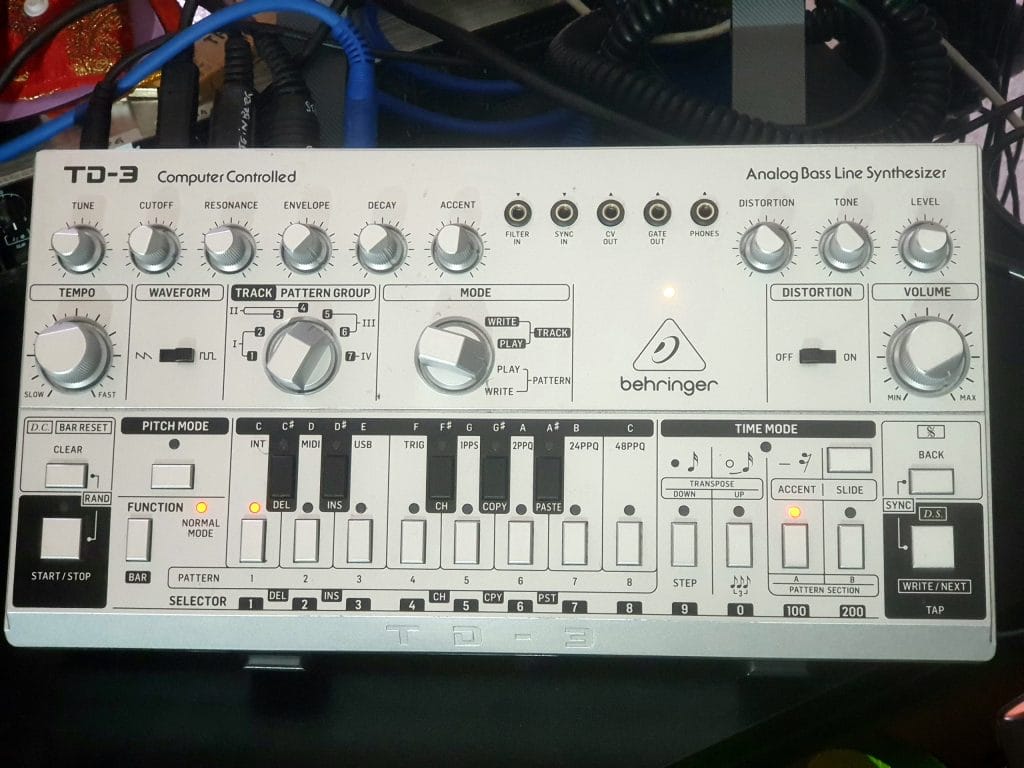
The main synth I used in ‘Like That’ is the analog bassline TD-3.
Behringer’s initial clone, homage or reimagining of the iconic Roland TB303 Bassline has an all analog circuitry with really good VCO, VCF, VCA.
It has that classic and warm tone, and the distortion adds a lot of depth and character to the acid line.
It’s bouncy and juicy BUT I find it quite non intuitive to program, so I used the Bassliner app to write the midi notes, and record the audio output directly through my DAW’s soundcard (Focusrite Scarlet 8I6).
I record the cut off, resonance, enveloppe and decay’s modulations live, throughout the entire track.
There is a generous amount of distortion too.
Korg MS-10 (Cutoff Bass)
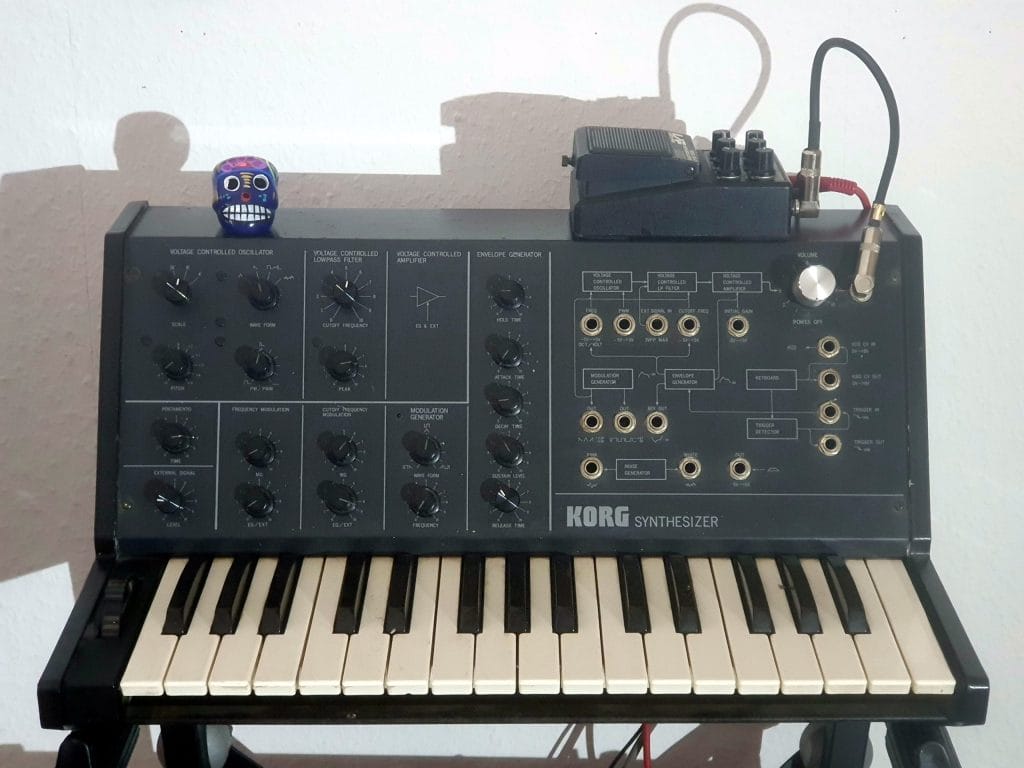
For the cut off bass, I needed the gritty and raw sound of the single oscillator synth Korg MS10.
This powerful semi modular monophonic synth from 1978 matches perfectly the mood and drive of the track: punchy and growly.
I used a sawtooth waveform VCO and modulated the VCF with a strong cut off frequency.
I love the MS10 filter sound that retains low-end even when the resonance is high, which is not a given for all synths.
It’s one of the oldest synth I own, and It’s been travelling with me since i bought it 20 years ago in Toulouse.
Roland TR-8 (Drums)
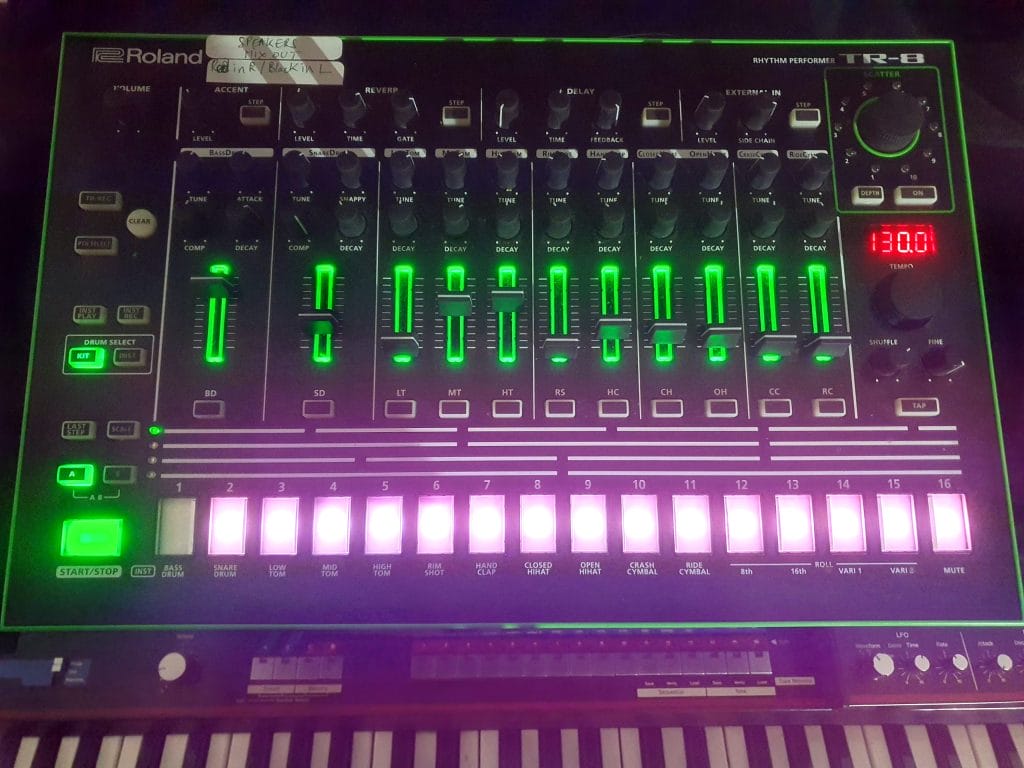
I usually use my Roland TR 707 for the drums, but its beeing serviced at the moment, so, while creating ‘Like That’ Nicky lended me their TR8. It’s a great deal of fun to use, and naturally very intuitive.
I record the individual sounds separately and process them through the MS20 filter.
Even though the TR-8 its a standalone drum machine, I merge it’s sounds with various other drum-machines samples in my DAW, layering and combining, in order to create more complex sounding drums.
Cascadia (iZotope Tape Delay)
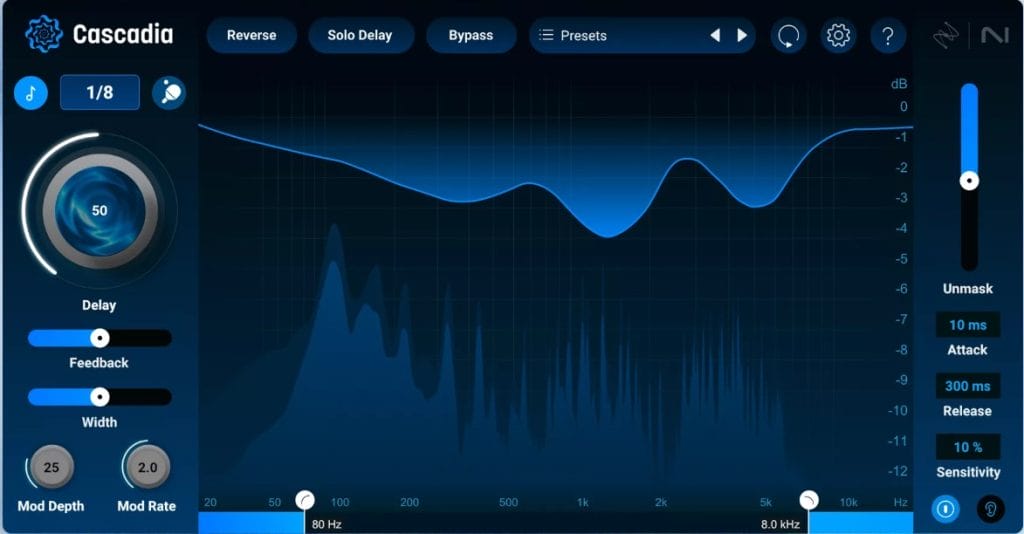
Cascadia (Izotope) is a creative ducked Tape delay plugin creating tight slapbacks and creative textures all while keeping the instrument focused in the mix.
It clears space in the mix for the dry signal, preventing delay from obscuring the original sound.
I used it on the TB-3 sequence, with the very well named ‘Four to the floor’ preset: it’s a short 1/4 single-repeat echo, mixed with a low feedback to prevent repeats.
It is quite sublte as a 303 needs to remain clear, crisp and focused.
Vesta Fire MDX Pedal (Vocals)
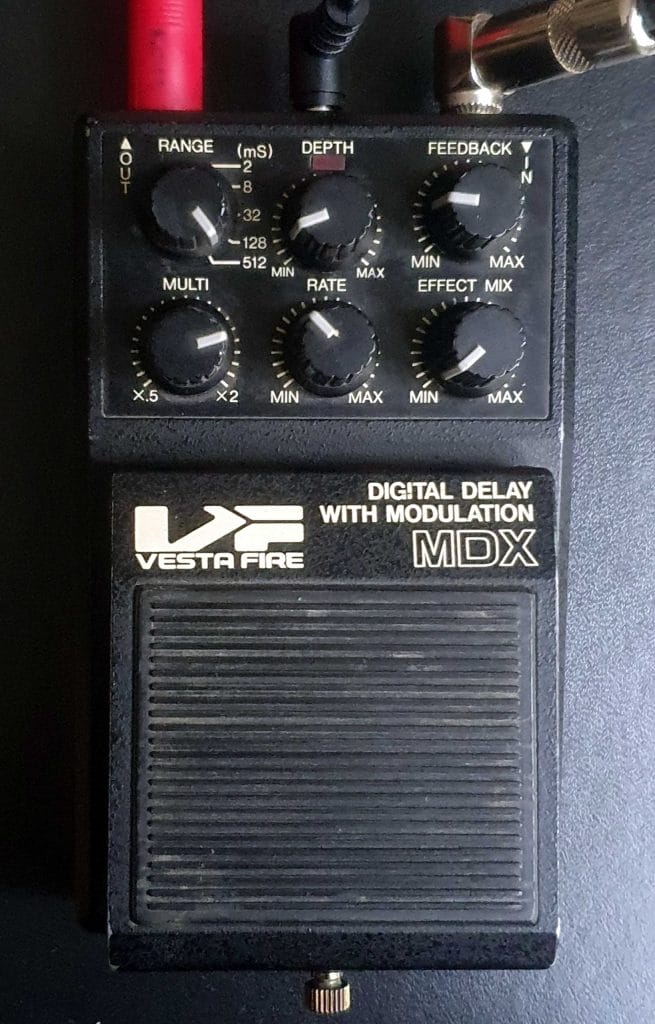
Nicky’s voice is processed through his rare pedal from the 80’s.
It’s a Digital Delay with modulation that can be set for delay repeats, reverb, chorus or flanging effects.
The Rate can be set for slow Chorus or Fast Leslie type rotary effect.
It’s the pedal we also use for our live performances.
The modulating of the Rate create some really insanenely deep spaceyecho weird effects.
Arturia MS-20 Filter (Drum Processing)
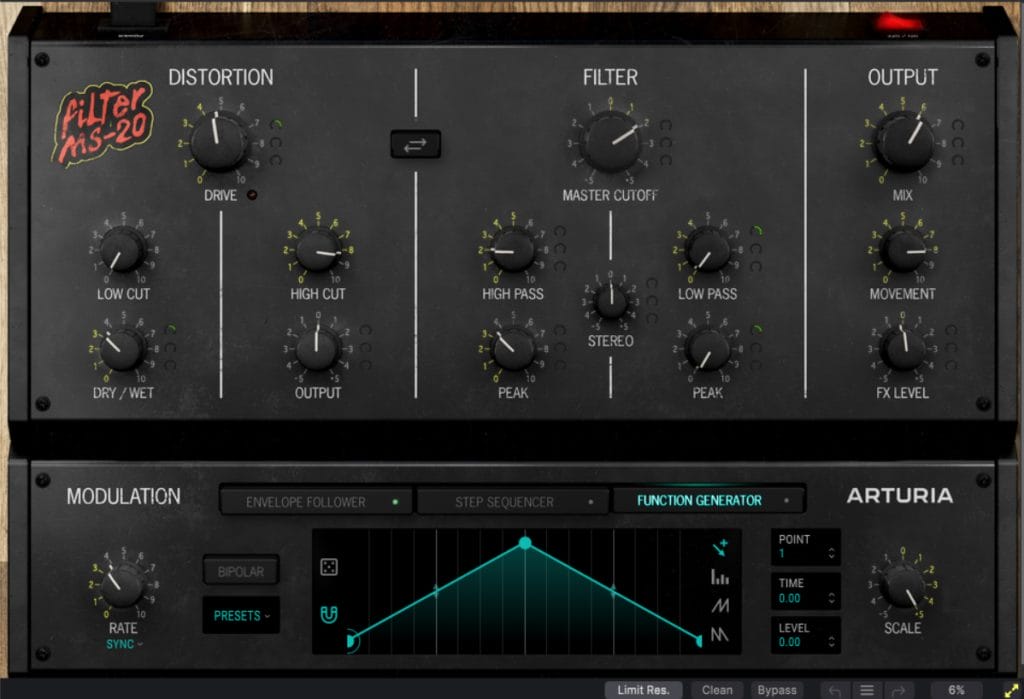
This stereo filter and distortion effect from Arturia is modeled on the infamously abrasive MS-20 synthesizer.
I used it to process some of the drums from the Roland TR8 as I really wanted a more gritty, raw sound.
It is a rather simple effect with a cute Daft Punk inspired logo.
It’s really just a filter, that is both a lowpass and highpass, and drive/distortion that can be modulated.
It works particularly well on the Snare, Claps and Hihats.
Final Mix & Mastering
For the final mix and mastering, I asked my friend Leonard De Leonard right before he entirely unplugged and dismantled his berlin studio, relocating to Paris. He definitely gave a boost and added extra panning and dynamic to the final version.
Creative Process
The creative process of starting a new track from scratch is such an interesting and sometimes mysterious process: from the insecurities of developping an new idea, finding the right direction and proper sound, until the ecstatic satisfaction of balancing production and mixing to the next level in the final stage of production.
Quick Fire Tips for Making Neoclash

Tip #1: Set your intentions!
Before starting head over heels, picture your finished track, the mood and feeling. Intuition is key!
Tip #2: Stay Raw! You can always soften and layer later.
Tip #3: Embrace making mistakes, they’re a powerful source of inspiration and a sign you’re human after all.
Tip #4: Focus on the Soul of the machine!
Amplify the groove and dynamic rather than the loudness.
Tip #5: Dance to your own music! Your body will guide your inspiration.

Will Vance is a professional music producer who has been involved in the industry for the better part of a decade and has been the managing editor at Magnetic Magazine since mid-2022. In that time period, he has published thousands of articles on music production, industry think pieces and educational articles about the music industry. Over the last decade as a professional music producer, Will Vance has also ran multiple successful and highly respected record labels in the industry, including Where The Heart Is Records as well as having launched a new label with a focus on community through Magnetic Magazine. When not running these labels or producing his own music, Vance is likely writing for other top industry sites like Waves or the Hyperbits Masterclass or working on his upcoming book on mindfulness in music production. On the rare chance he's not thinking about music production, he's probably running a game of Dungeons and Dragons with his friends which he has been the dungeon master for for many years.