The Drum & Bass game has changed – permanently. On their own, Black Sun Empire and Virus Syndicate are legends, to say the very least. Now, they’ve combined into something truly spectacular.
The new supergroup Shadow League sees the Dutch trio and the UK duo step into darker, more unrelenting territory than ever before, channeling their decades of experience into a project designed to overstimulate the senses. Their debut full-length project under this alias, “Cheat Code“, is out today, and it’s a genre-spanning behemoth: part DnB, part halftime, part industrial nightmare fuel, all stitched together with the precision and grime that have kept Black Sun Empire and Virus Syndicate at the top of the game for as long as we can remember.
At its core, “Cheat Code” is a study in power. Feral synth design claws at the edges of every track, underscored by earth-shattering percussion and vocals that sting with venom. But, in true artistic form, there’s also a level cinematic depth here, a sense of narrative that transforms the album from a simple collection of club weapons into a statement of artistic intent.
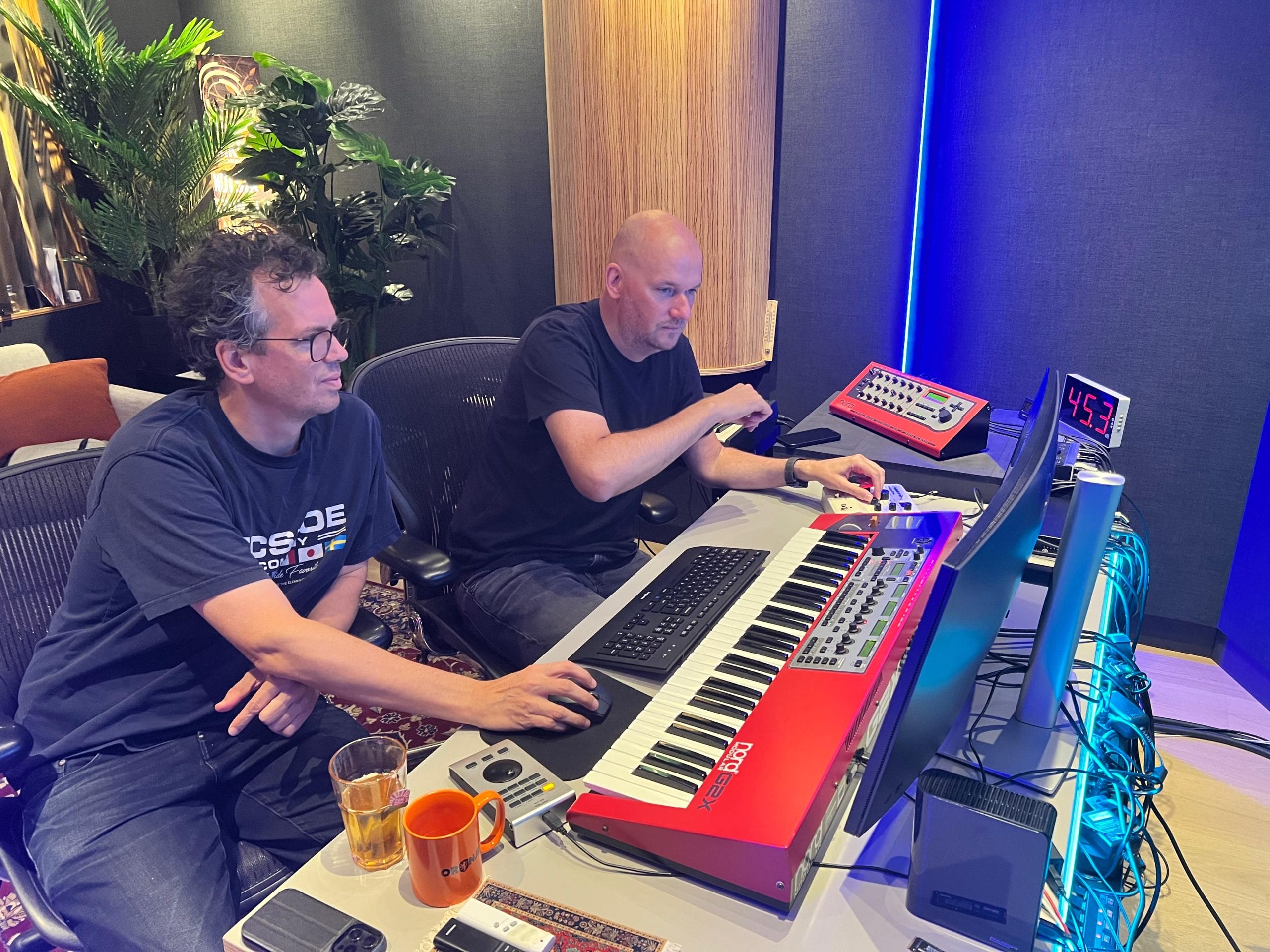
In this edition of our How It Was Made series, Black Sun Empire open the doors to their studio process – unpacking the pure production wizardry that resulted in “Cheat Code”. From modular synth chaos to surprisingly humble stock effects, this is how they built a monster designed to dominate both dancefloors and headphones worldwide.
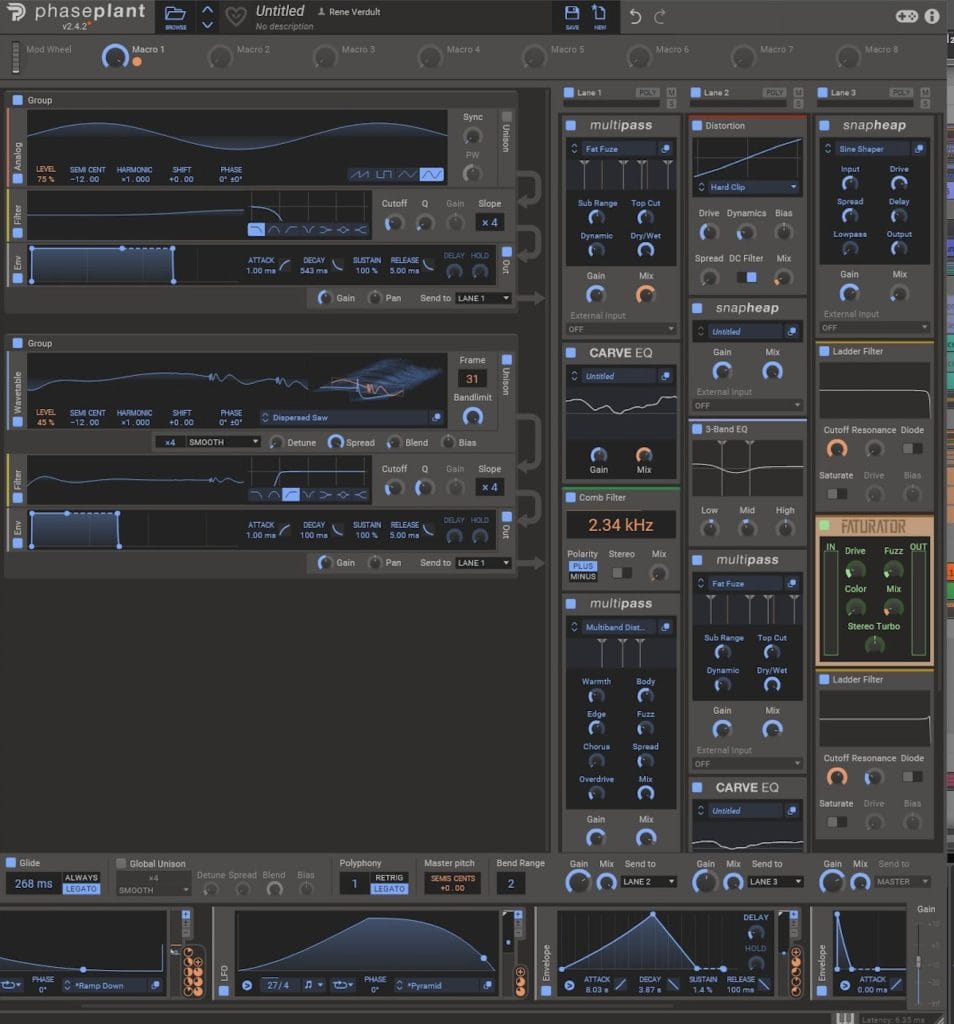
Phase Plant (Kilohearts)
Phase Plant is one of our go-to modular softsynths because it lets us create almost any sound we can imagine. The interface feels intuitive even though it’s incredibly deep, and the freedom to combine oscillators, effects, and modulators keeps our sound design process exciting.
When we were working on Cheat Code, we used Phase Plant for many of the complex, layered sounds in the track. The Snapins allowed us to push modulation and automation in ways we haven’t been able to with other synths. We stacked different distortion and filter chains, then brought them to life with envelopes and LFOs to create movement. Those evolving sounds gave the track a lot of its character and energy.
For bass producers, Phase Plant is a beast for both heavy basses and more subtle textures. We’ve learned that stacking Snapins and letting parameters modulate each other creates that “alive” quality we’re always chasing. Even if it feels overwhelming at first, we’d say dive in and experiment—some of our best sounds came from happy accidents in this synth.
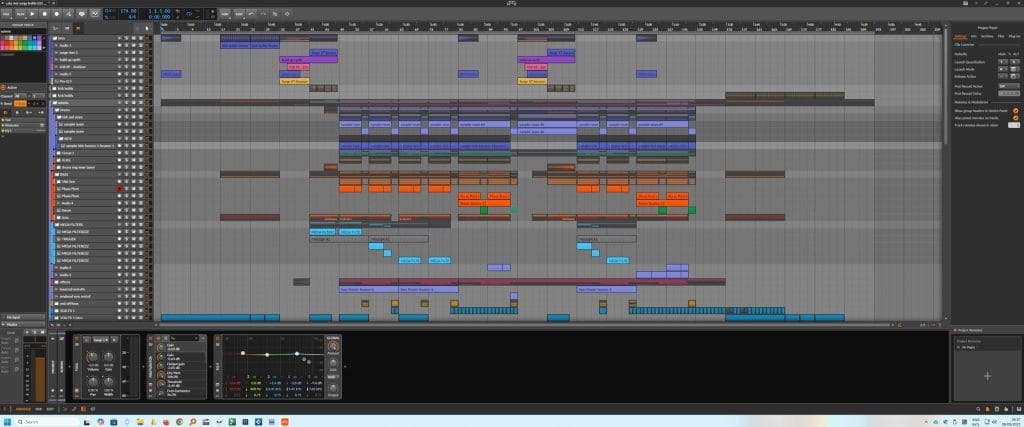
Bitwig Studio (DAW)
Bitwig is the DAW we feel most at home in because of its modular design. Modulation isn’t limited to the Grid—the whole environment is built around it, so almost any parameter can be connected to another.
On Cheat Code, Bitwig’s stock effects played a huge role—powerful enough to shape entire moods without needing to reach for third-party tools. They gave us the flexibility to move from subtle textures to bold, character-driven sounds, all within the DAW itself.
What sets Bitwig apart even more is how smooth automation feels, how easy it is to build creative chains, and how quickly you can pull elements in from other projects. Combined with its excellent effects, the workflow is both fast and highly experimental.
For us, Bitwig is unbeatable—it doesn’t feel like just a DAW, but an instrument that constantly opens new creative possibilities.
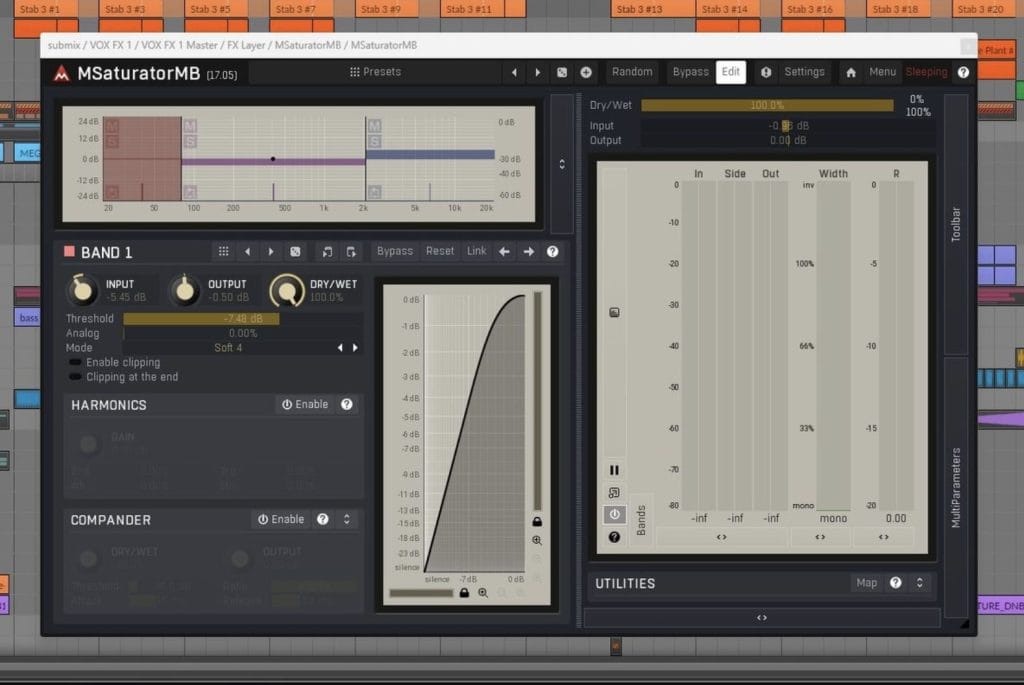
MeldaProduction Plugins
Melda plugins have become a permanent part of our toolkit because they cover so much ground and they always sound fantastic. There’s usually a Melda plugin that does the job. They’re consistent, customizable, and we trust them in pretty much every project.
On Cheat Code, we used Melda plugins all over the place. Their Waveshapers, Saturators, and Filters helped us shape sounds and really made elements pop. We also love that nearly every Melda plugin has modulation built in, so even something as simple as an EQ can start moving and evolving. We don’t think there’s a single track we’ve finished that doesn’t rely on them heavily.
If you haven’t tried Melda yet, we’d recommend digging into the modulation side of their plugins. That’s where they really shine—you can turn even a pan tool into something creative. For us, they’ve become an essential part of our sound design and mixing process, and we can’t imagine working without them.
Editor’s note: A lot of these effects are available completely for free, meaning you have no reason to not try them out.
Quick Fire Production Tips:
1: Shadow League is multi-genre, but it’s heavy, dark, and full of emotion—that combination is what makes it tick (at least for us).
2: Never lose sight of the vibe of the song. Impact isn’t everything; the emotion has to come through as well.
3: Develop your own voice instead of chasing trends. Authenticity is what lasts.
4: Finding your own sound is essential. Tutorials are fine for learning, but experimentation is where originality is born.
5: A saturated sound belongs in drum & bass, but tracks are much nicer to listen to when they don’t hit -1 LUFS—more like -3 or -4.
Stream “Cheat Code” here.

Ben Lepper is a music producer and journalist from Boston, Massachusetts.