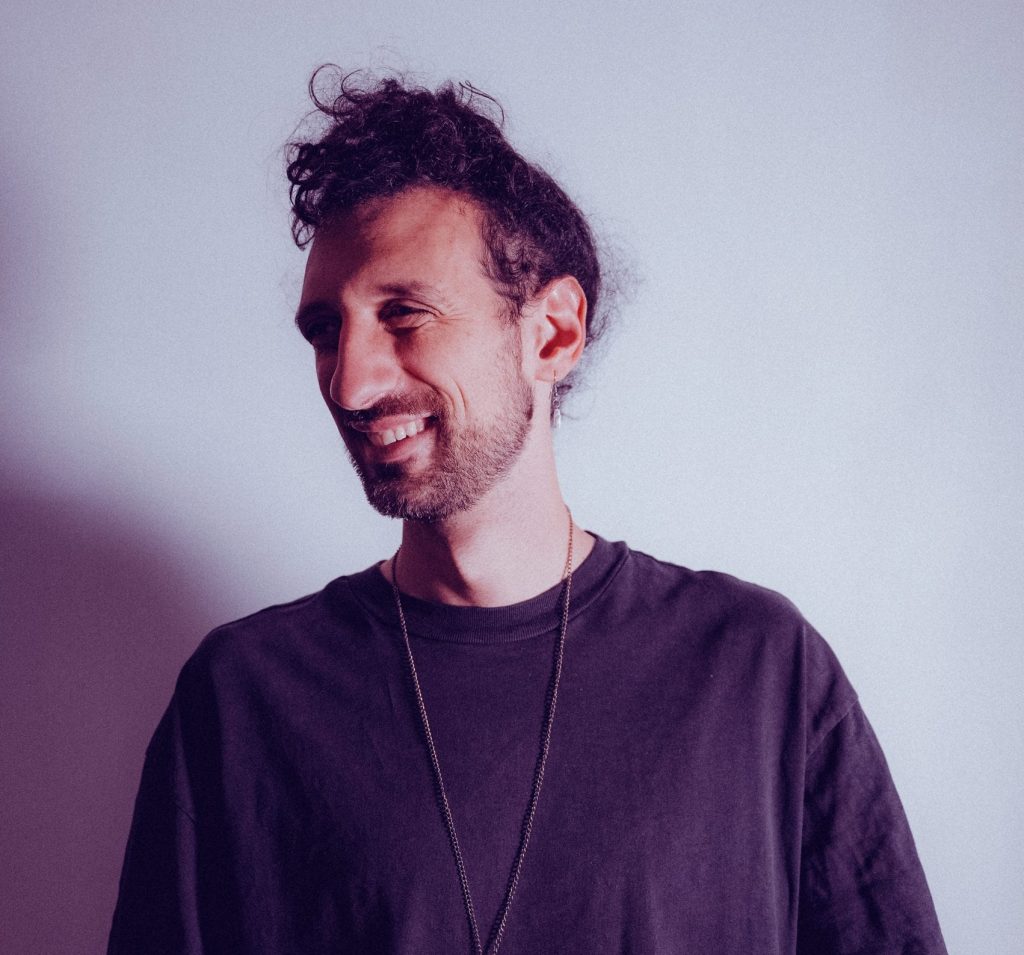
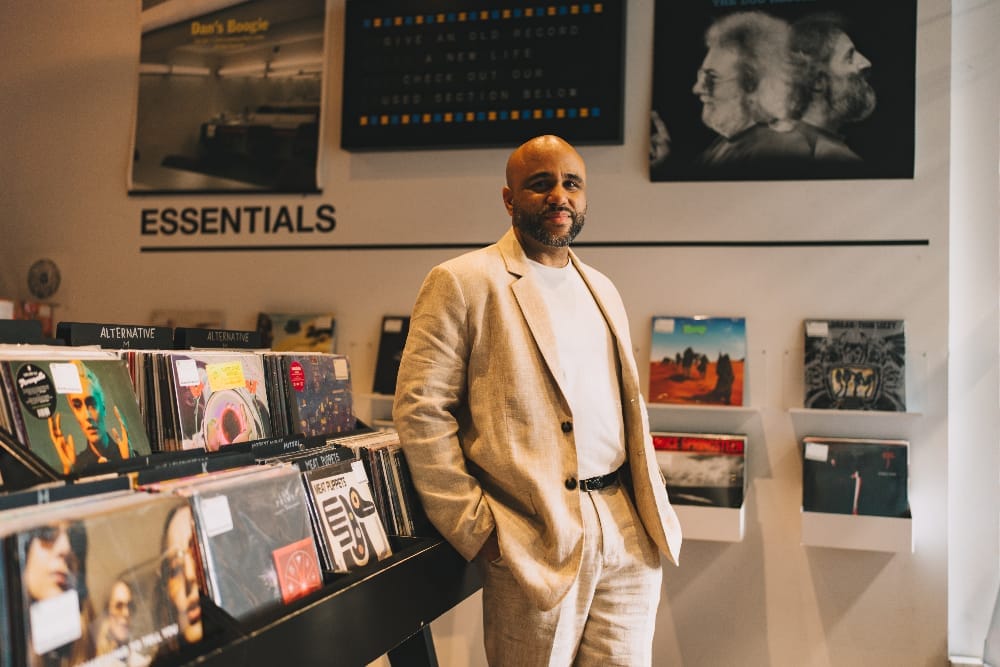
This is a guest Op-Ed by Pablo G Velez (pictured below)
For emerging EDM DJs, the leap from regional success to a U.S. tour requires building a strong case for an O-1 (extraordinary ability) or P-1 (internationally recognized group) visa. In today’s climate—marked by stricter fraud screening, inconsistent global press standards, and the blurred line between marketing and editorial—first-time applicants face real hurdles. With careful planning, however, most of these obstacles can be overcome.
Social Media
One of the most common challenges is reliance on social media. Followers and views are easy to inflate and, standing alone, carry little evidentiary weight in the eyes of an immigration officer. What adjudicators want to see is context and independent corroboration: engagement quality, real-world ticket sales, and festival placements. Analytics tools, screenshots with visible URLs and dates, and connections between campaigns and actual outcomes help transform raw numbers into credible proof.
Press
Press coverage poses another difficulty. Officers value independent editorial features more than sponsored posts, label bios, or paid premieres. DJs submitting only promotional materials risk having their evidence discounted. Stronger cases highlight genuine coverage—interviews, reviews, or mentions in year-end lists—from outlets that carry weight in their home market or genre. Providing the publication’s name, link, and relevance to the scene makes these exhibits more persuasive.
Names
Name variants also create confusion. Many artists perform under stage names, use multiple aliases, or work in regions where names are transliterated differently. Without clarification, officers may assume these are separate individuals. A simple cross-reference chart mapping legal and stage names, with consistent labeling on every exhibit, avoids that problem.
Event Documentation
Event documentation can also fall short. Screenshots of flyers or Instagram posts don’t prove that a gig happened, much less that it was a meaningful engagement. Solid evidence comes in the form of signed contracts, confirmations on venue or promoter letterhead, running orders, or settlement sheets. Materials that show billing, venue capacity, and compensation go much further in demonstrating stature.
Structural Requirements
Applicants must also remember the structural requirements of the process. A U.S. petitioner is needed, as well as a labor consultation from an appropriate peer group. Weak or generic letters can delay approval, so it’s important that all parties—agent, venues, and unions—align on the same narrative. Moreover, any foreign-language evidence has to be accompanied by certified English translations, presented side-by-side with originals to comply with regulations.
Timing and Presentation
Finally, timing and presentation make a difference. Rushed filings often produce inconsistent or incomplete applications that invite requests for evidence. Building a well-organized package months in advance, with exhibits indexed and clearly dated, will set the petition apart.
In the end, the key is clarity and credibility. By grounding every claim in verifiable evidence—whether from press, contracts, analytics, or translations—first-time touring artists can present a strong case and move their careers forward with confidence.

Magnetic byline note: This byline is used for staff produced updates and short announcements, often based on press materials and official release information. Editorial responsibility: David Ireland (Editor in Chief) and Will Vance (Managing Editor). About: https://magneticmag.com/about/ Masthead: https://magneticmag.com/masthead/ Contact: https://magneticmag.com/contact/