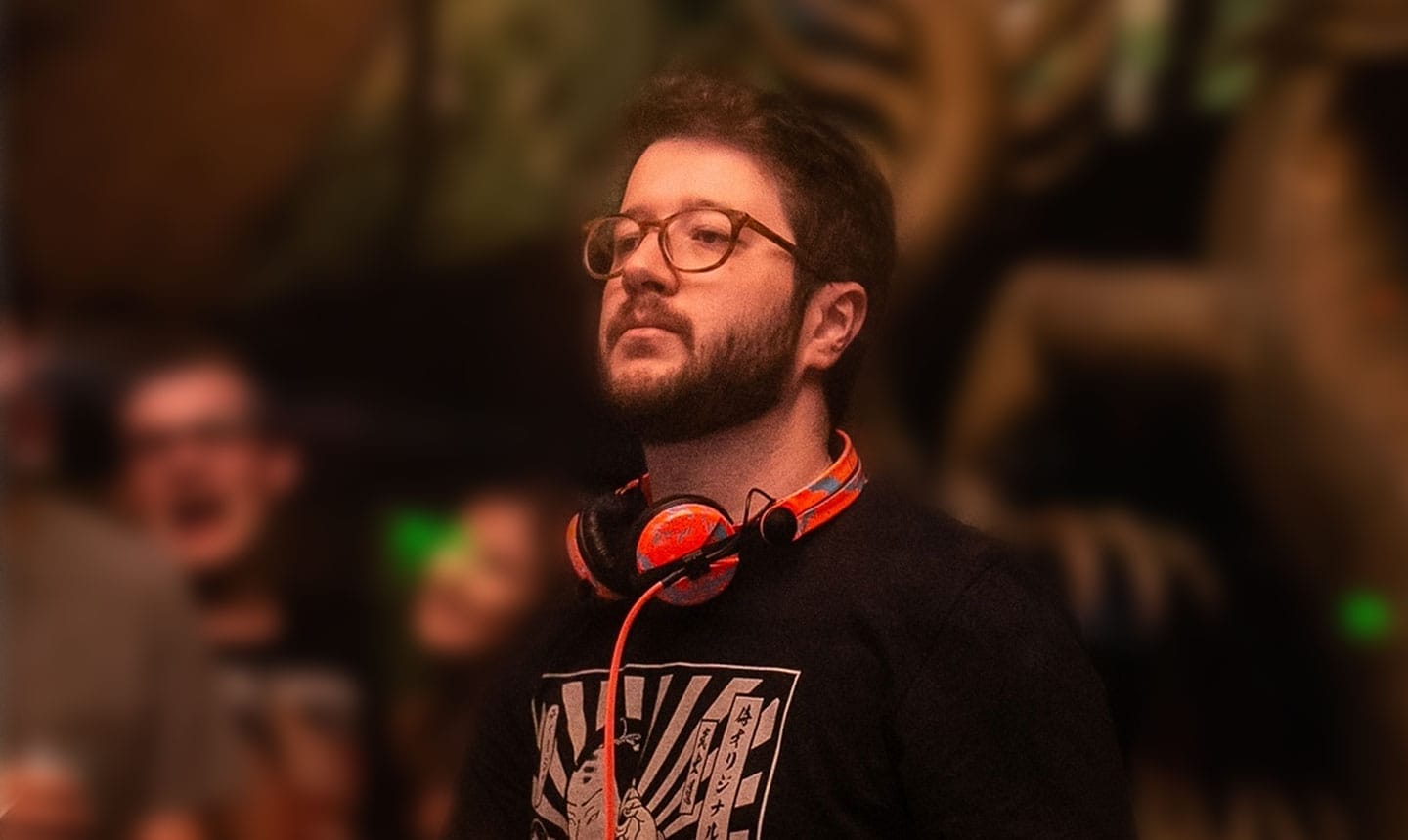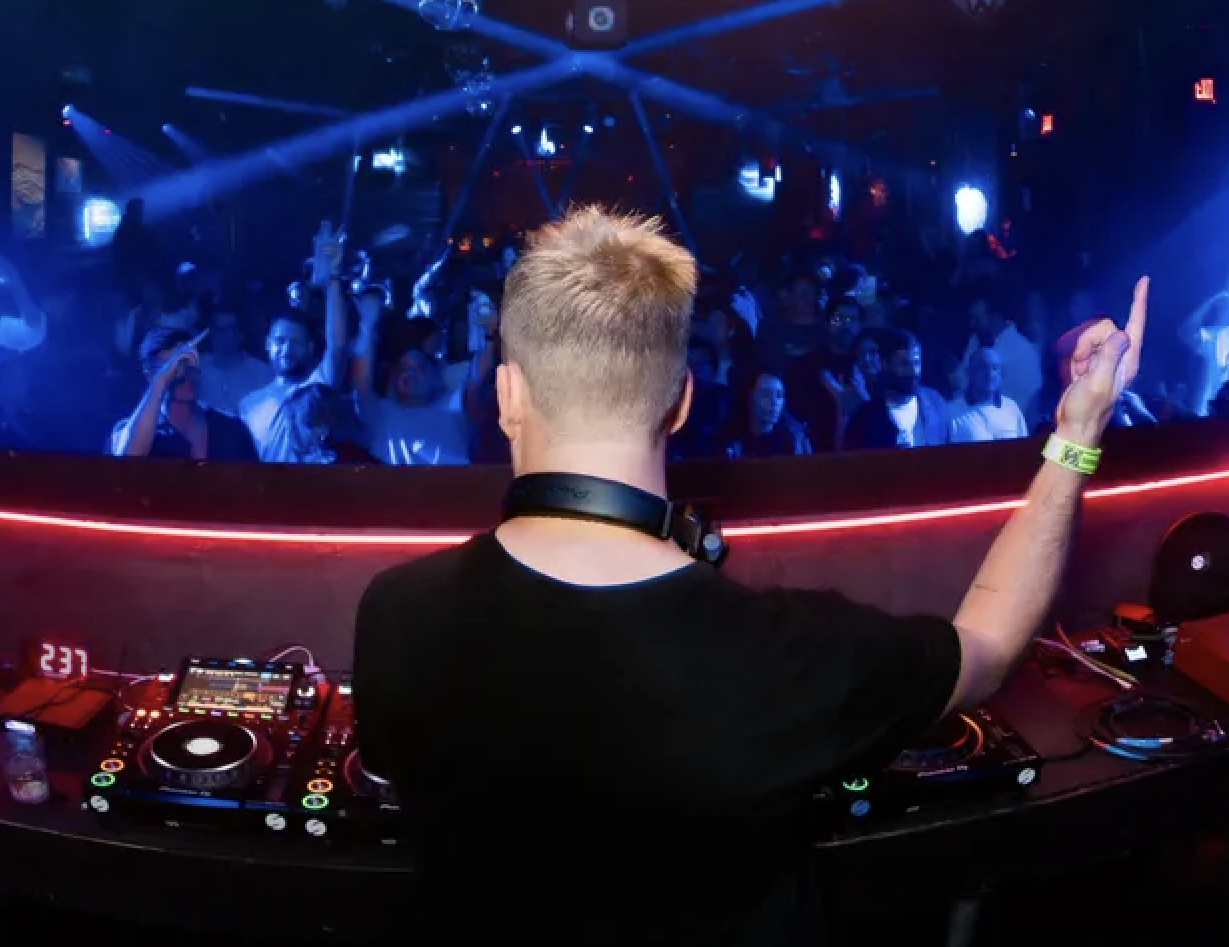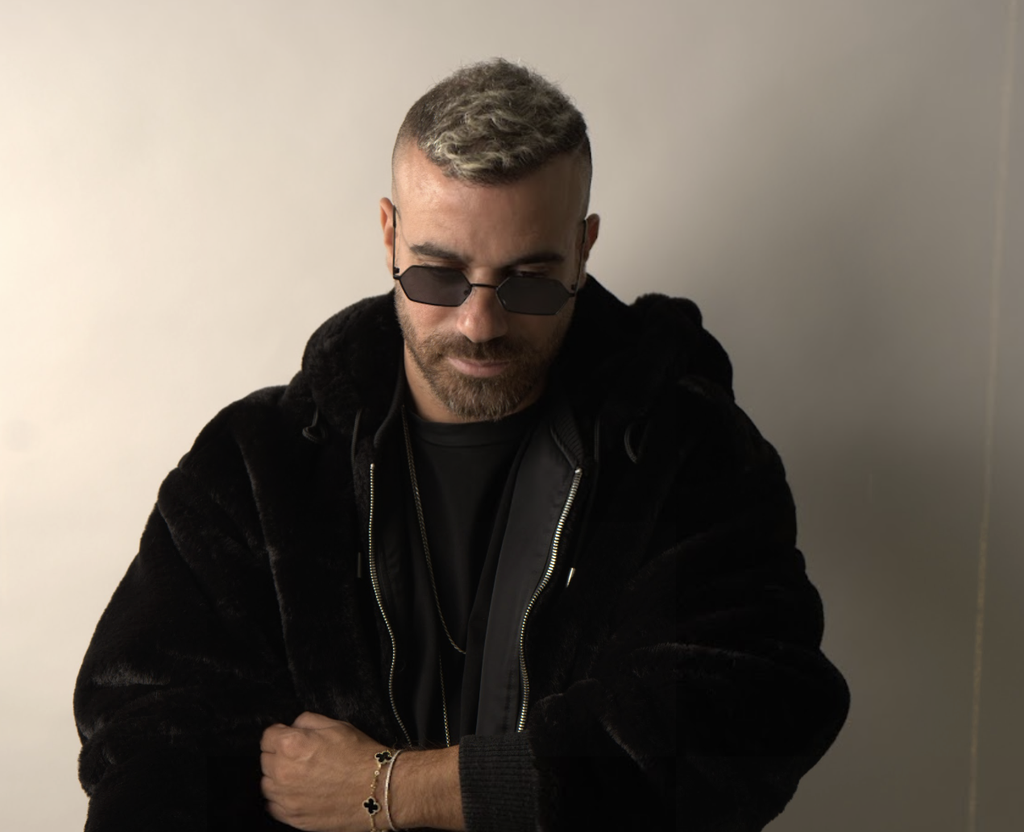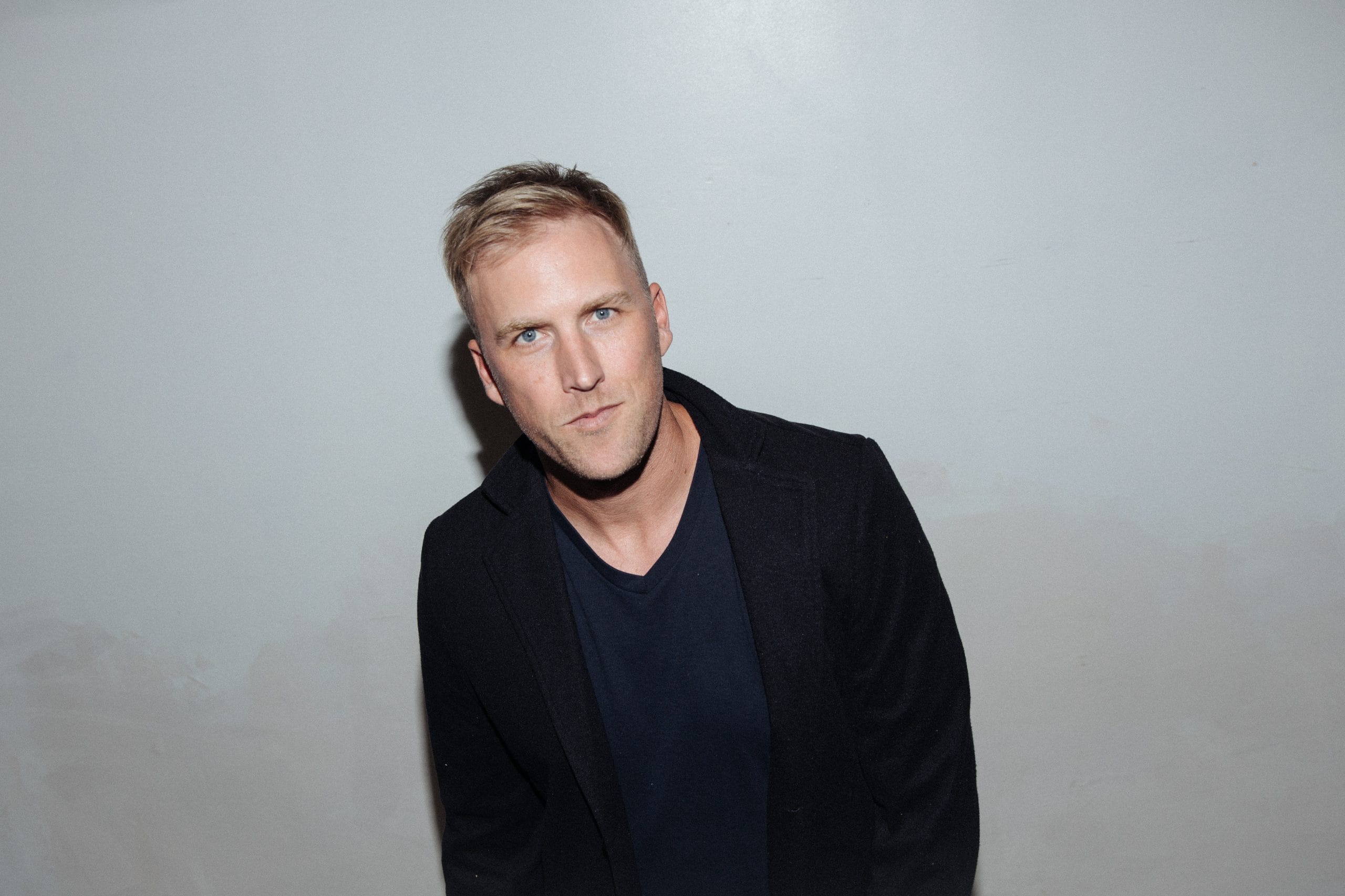
We’re proud to premiere “Moment In Time” by LARSa—a patient, dialed-in house track arriving ahead of its official release on Magnetic Magazine Recordings.
We’ve got an early one for you today. LARSa’s Moment In Time doesn’t officially drop until next week, but we’re premiering it now via Magnetic Magazine Recordings—his first release with us, and one that immediately caught our attention for how dialed-in the arrangement feels.
It’s a patient, confident track that rewards close listening, and it’s coming from someone who’s been slowly building up momentum through community events, collaborative releases, and the kind of consistent output that only happens when someone’s been in it for years.
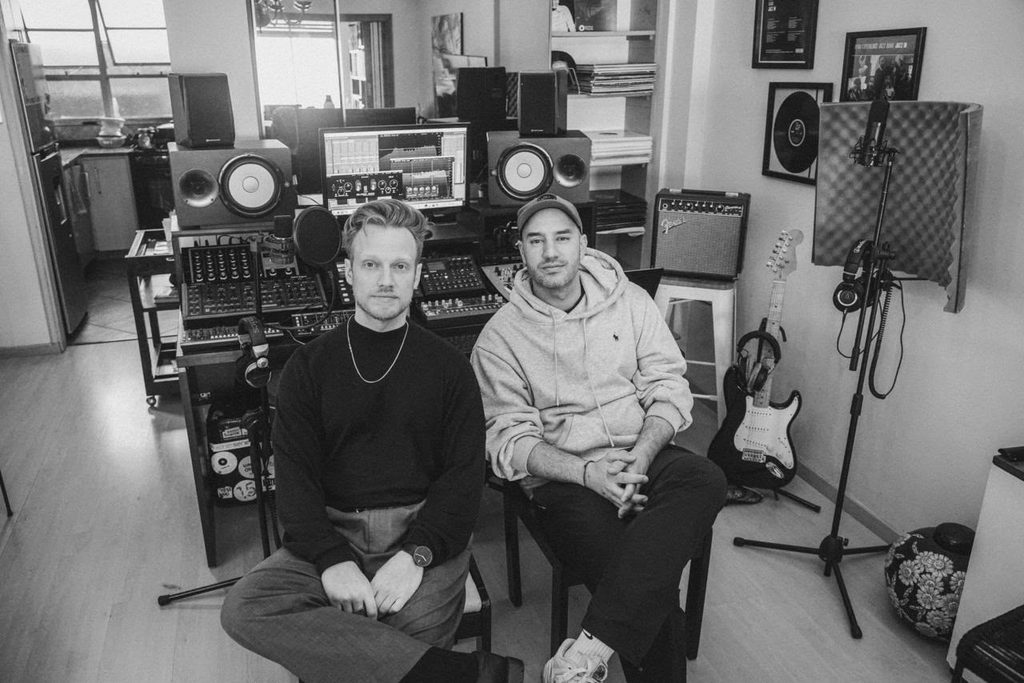
To mark the premiere, we got Lars on record for a conversation that tracks the long arc of his growth—from playing viola in a Waldorf school and learning drums in a Bay Area band, to producing house on a cracked copy of Reason and running beach parties in Long Beach.
The full Q&A is below, and it’s worth a read. It’s honest, practical, and reflects the kind of persistence that often gets overlooked in electronic music features. Stream the full track below, and if you’re feeling it, save it to your rotation early.
Interview: Lars Anderson
Where did you grow up, and how did your environment shape your relationship with music?
I grew up in Fair Oaks, which is a suburb of Sacramento, California. I went to a Waldorf School, which is a pretty art-focused education—during my time there I played flutes, recorders, lyres, and the viola. Total Renaissance vibes. Outside of school, I would play guitar with my dad, which got me into current century.
In my early twenties, my friends needed a drummer for a band so I taught myself how to play (I always say that I play the drums but I’m not a drummer, if that makes sense). My bandmates used to make fun of me because of how hard I’d hit the drums—I guess subtlety wasn’t my thing.
We’d play around bars and clubs in the Bay Area as Daytime Nightlife. Nowadays, I live in Long Beach, California. We had a great local house scene down here—lot of clubs, bars, and friends curating awesome events year-round. My fiancé and I and two other friends also throw a monthly beach party during the warmer months. House music on the sand—hard to beat. It’s a free event and everyone is welcome, so if you’re in town, look us up.
Who was the most influential person in your life growing up in terms of your musical development?
My dad. We’ve played a lot of music together (he even took viola lessons with me as that was an instrument I played in grade school). But we mostly played guitar together. For my 8th birthday, I opened up a small gift from him.
It was just a guitar strap—I was equally confused and disappointed. What was I going to do with just a guitar strap? Not wanting to be an asshole, I tried my best to give an earnest “thank you.”
About 5 minutes later, my dad disappeared into the garage, and when he walked back through the door, he was carrying a cherry red electric guitar. We have spent many nights jamming together, either just the two of us, or sometimes we would put on a live Grateful Dead record and play along. He also bought me an acoustic Yamaha as a high school graduation gift. I still play it today.
What’s the first memory you have of making music?
The first time I tried making electronic music was on a cracked version of Reason that my friend gave me in 2015. I’ll never forget opening up that DAW and having no idea how to make anything make a sound.
That first session made me think that my life career as a house music producer would be short-lived.
Why do you think persistence is such an important part of making it in the music industry?
Something that I love about the house music industry is how relationship-based it still is. It feels old school in that sense, where the human connection is still valued. There is a far higher likelihood of, say, booking a gig if you first go to the venue as a fan and develop a friendship with the owner of the venue, the promoter, the local DJs, etc.
Same with releasing music: if you go to the label’s events, buy and share their releases, interact with their social media posts, and support their artists, then when it’s time actually to send them music, they can see that you’ve been invested and you’re not just some anonymous email in their demo drop.
Obviously, it doesn’t always work like this, but from what I’ve seen, connecting with people in the industry either in person or through direct conversations online goes a long way. But these things take time and persistence, and this kind of effort is not always the most convenient. In the long run, however, I think such effort is worthwhile both for the health of the industry but also for your career and its longevity.
What’s the most unexpected lesson you’ve learned throughout your career?
Taking time away from a production usually speeds up the process of finishing a track. It’s counterintuitive, but when I try to power through a project and finish it all in one go, I quickly lose my critical ear.
This loss of objectivity leads to second-guessing the arrangement, mix, and elements in the track. However, if I take a week or two off from hearing the track and then come back to it, the things that are (or are not) working become much more obvious, and I am able to make the needed adjustments with more ease and confidence.
What’s a key piece of advice you would give to your younger self at the start of your journey?
Always buy the best computer you can afford with the most RAM and memory—the laptop is what drives it all, so set yourself up for success and non-crashing sessions on the front end. There is nothing more annoying than the Spinning Wheel of Death.
One piece of production advice would be to get out of the loop more quickly. Once the song has a general shape in terms of the arrangement, it’s easier to see what is needed (or not needed) in the song. There is more context once the track has been arranged.
Who’s been your biggest supporter throughout your career, and what’s their impact been on your success?
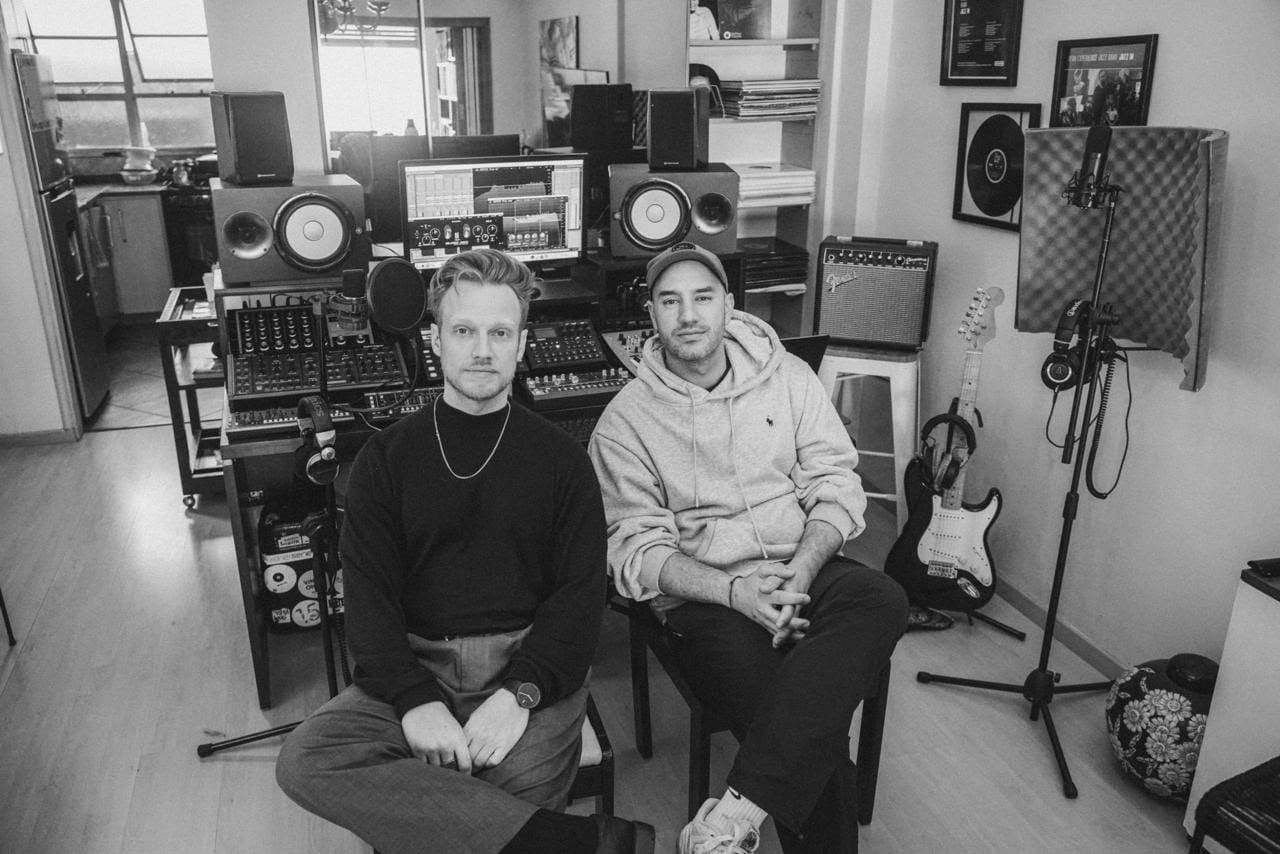
My fiancé (and co-writer and producer) has been my biggest supporter, and she’s had the biggest impact, both on the macro and more granular side. For the former, she has encouraged me to chase my artistic dreams. There have been many times where I have second-guessed this path and needed support, and she has always been there for me.
She’s also given me space in our lives together for me to follow that dream. Making music takes a lot of time and it’s often a solitary thing, so there is some sacrifice there in the context of a relationship.That said, we also work together in terms of writing, producing, and DJing. We give each other feedback and exchange ideas on our solo projects. She has a great ear and has helped me with so many tracks, and a lot of my favorite tracks that I’ve made are LARSa/Swanya collaborations. Some of them have been released, others are waiting in the wings.
It would be difficult to do the producer/DJ thing with a partner who is disinterested in this world, and it would be impossible with someone who is not supportive or against it. So much of our life—both at home and socially—revolves around music, so I am endlessly thankful that this passion is something we share.
How has your sound evolved as you’ve grown as a person and artist?

My sound is always changing, and something that has been important is to allow myself to follow that flow. I don’t like making the same track over and over again. I get tired of it and it makes me feel stagnant as an artist.
There are some artists who have a really focused, consistent sound and vibe, and that can be really cool; I am not one of those artists, however, and after a long time, I’ve finally allowed myself to accept that. Some of my favorite artists are similar—artists like Luttrell, Amtrac, and Enamour all cover a lot of ground in terms of genre, and I appreciate that about them. So nowadays, I try to let myself make the music I feel like making in that moment.
Why do you think it’s important for artists to share their struggles as much as their successes?
The struggle is an unavoidable part of the process. Accept and welcome it.
My hard drive is littered with tracks that did not make the cut. Even in making a song, there are handfuls of ideas that get the axe to every one that makes the cut. To make something exciting, you have to allow yourself to take chances and try things that might not work. When an idea doesn’t work, it can feel like a struggle. However, it is essential to recognize that this process isn’t a waste of time. Each moment spent making music is like making a little deposit into your bank of musical experience—and the more that is deposited, the more you can draw from in the future.
If making music was easy, anyone could do it. However, I believe that anyone can do it—it’s just a matter of if you’re willing to sit down and put in the time. The ability to make music is not available only to those precious few getting struck by thunderbolts of creativity; it’s out there for anyone. However, you must accept the fact that it will be frustrating and difficult at times. In my experience, that is unavoidable.

Magnetic byline note: This byline is used for staff produced updates and short announcements, often based on press materials and official release information. Editorial responsibility: David Ireland (Editor in Chief) and Will Vance (Managing Editor). About: https://magneticmag.com/about/ Masthead: https://magneticmag.com/masthead/ Contact: https://magneticmag.com/contact/