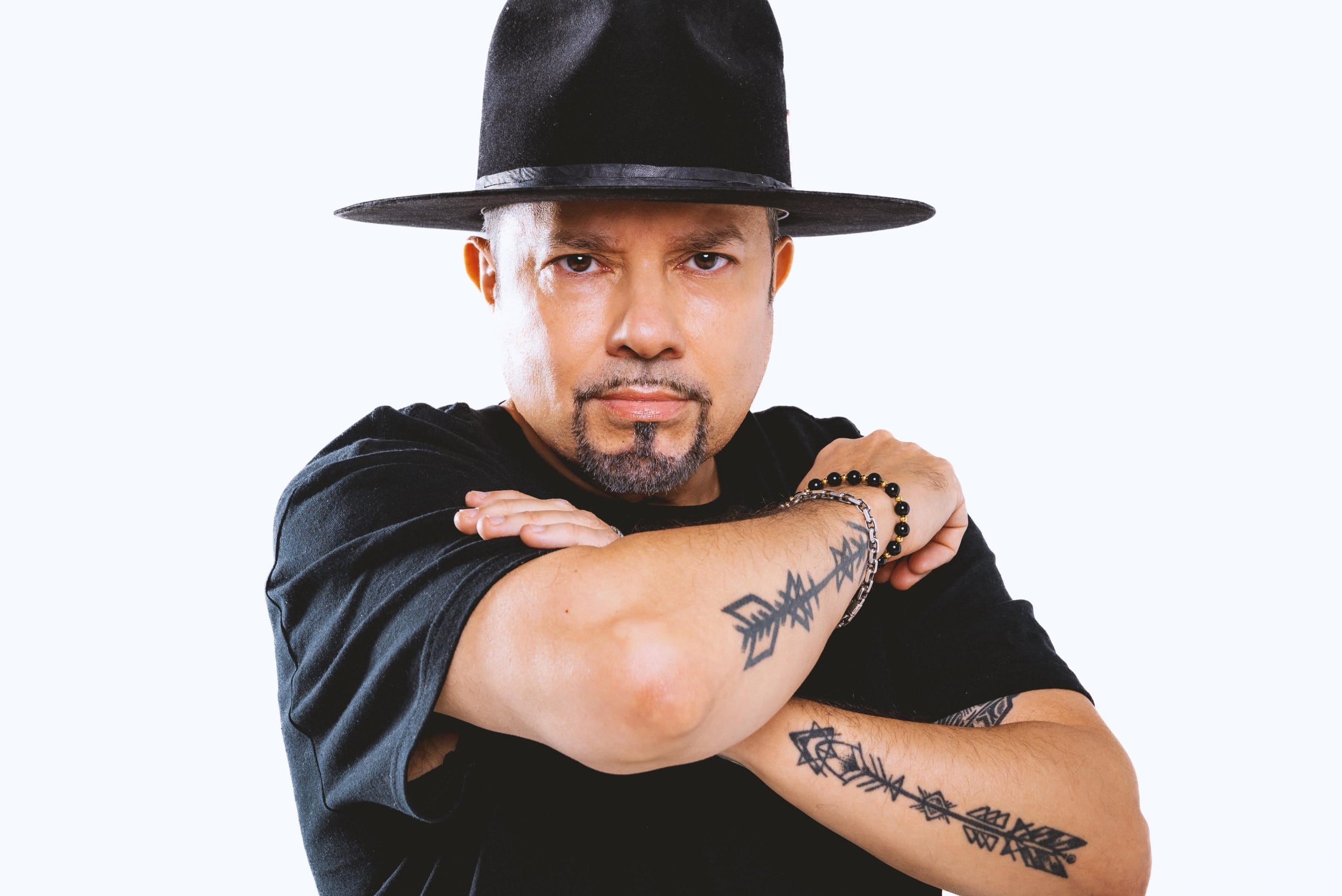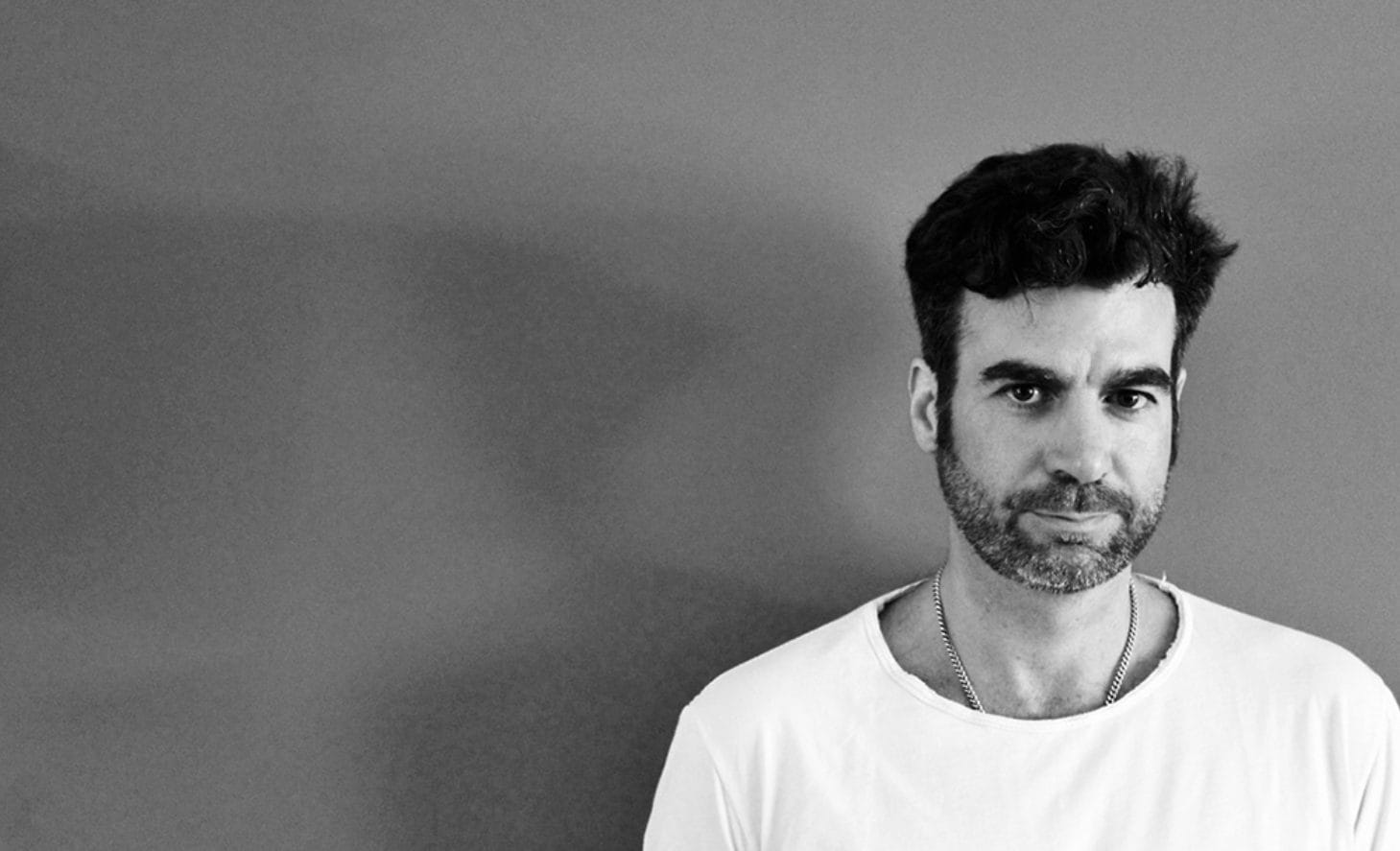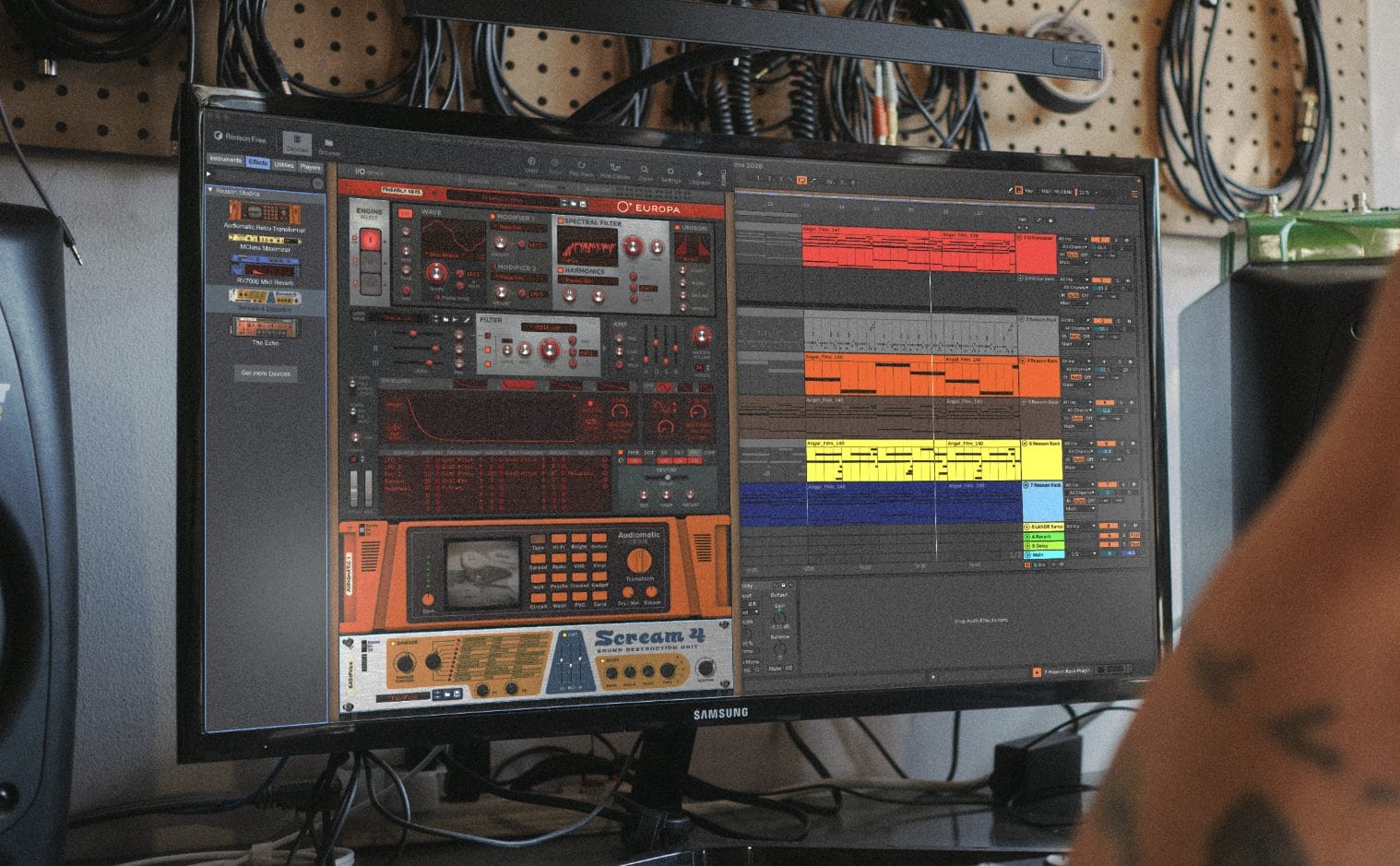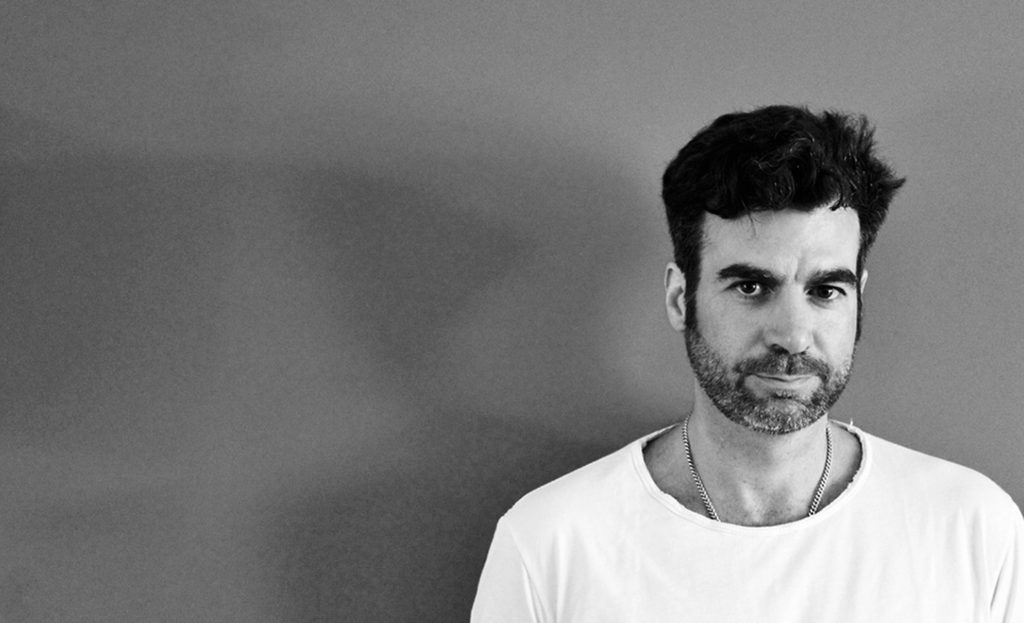
Adwer’s new Gospelkrautfunk EP is exactly what it sounds like—a cosmic blend of gospel, krautrock, and funk-infused electronica that blurs the line between analog warmth and synth-led futurism. Out June 18th on his Bolygo Records label, the five-track release has already built momentum off the back of “Kraut Komet,” a track that’s been a mainstay in Dixon’s sets for over two years.
For longtime listeners, the EP is another chapter in Adwer’s genre-morphing evolution, blending lush melodic programming, driving modular sequences, and a sound palette rooted as much in vintage gear as it is in emotional storytelling. And while the music itself is immersive and exploratory, the process behind it—and the space it comes from—is just as intentional.
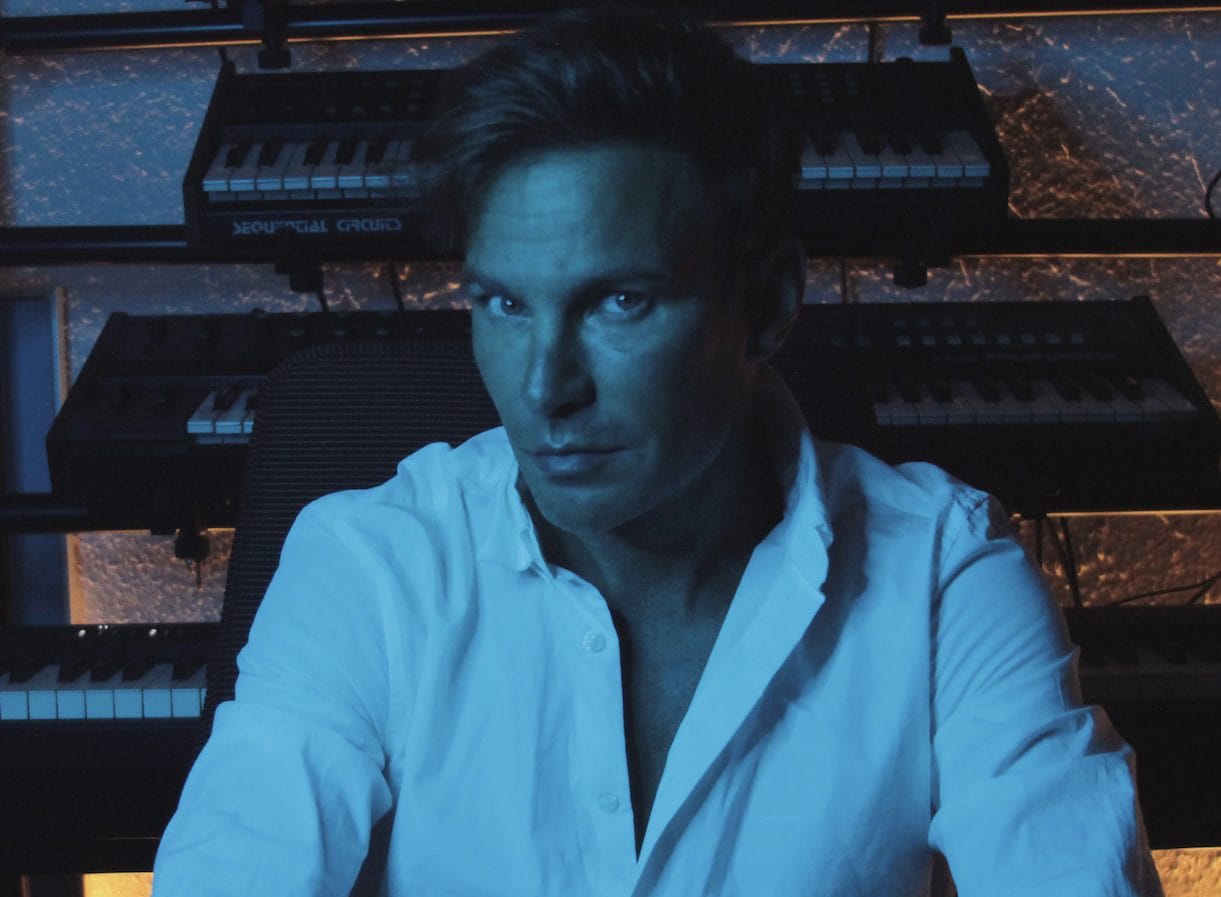
We caught up with Adwer from his studio in Spain to learn more about the environment behind the machines, and how decades of setup experimentation and tech obsession have led to the balance he has now: a studio that’s part sanctuary, part museum, and always within reach of the sea.
What elements in your studio make it feel like a place where you actually want to work?
My current studio is the result of a long evolution. I lost count of how many studios I had since I was moving a lot, but the creative space is in part of my living room, the space is split in half, behind me is a couch facing the other way with a TV in front of it, that’s where I go after a music session usually.
I have a large terrace and the views are amazing which is a constant source of inspiration. Since I love vintage a lot, the whole space is filled with valuable items from the past, not only vintage synths, but also reel-2-reel tapes, turntables… it’s a space I am really comfortable being in.
Have you ever moved your setup—or redesigned your space—and noticed a change in what you made?

A lot—it mostly depended on how much space I had to work with.
Right now I have enough space for all of my gear but for some years many of my synths were sleeping in a storage.
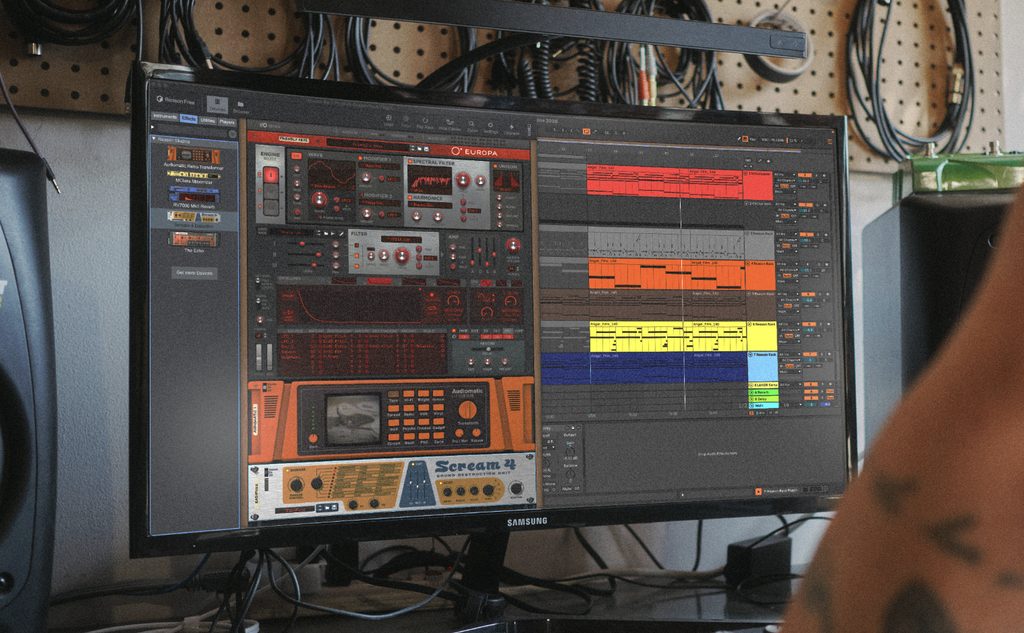
I have my studio rack on the right, a 4-tier synth rack on the left, everything at hand. One thing I don’t like is to run out of space on my desk, that is full of synths and keyboards too, but I don’t know where else to put them. My desk is a regular size minimalist piece, not a really big studio desk—I would love to have one and have some synths sink into the table and tilted toward me, but that’s a custom work to do.
Are there specific non-music items in your studio that help you stay grounded or focused?
The most important for me is to see the sky and natural light and I am also lucky to be able to see the sea if I want a glimpse. Not sure if that keeps me focused as I like darkness for work, but the views keep me inspired for sure.
The couch right behind me is a must-have for any random naps. I bought a Playstation around Christmas—if I have a writer’s block, I’d play a bit or watch movies.
Generally I wouldn’t say that I am very good at focusing on a task, I get bored very easily. Maybe that’s why I am not good at releasing music, while I have 1000 tracks on my private Soundcloud—I like the process of creation but I hate the process of finishing/wrapping up things.
How much do lighting, layout, or comfort matter when you’re working long sessions?
They matter a lot. When it comes to lighting, I have a few really nice vintage lamps. I have two warm white LED strips running across the room, they are very subtle and give a nice ambiance. As I mentioned, I like darkness for creative work but I need some light to see the gear, only warm colors, no cold light. My whole space looks vintage with a touch of modern. I love vintage stuff (did I mention that already?)
Do you keep your gear accessible at all times, or do you set things up intentionally based on the project?
Everything is at hand but not connected at all times. I am currently using an interface with only 4 line inputs, and recently my guitar and the DSI Mopho occupies the first 2 line ins.
Everything else that I’d need occasionally, I’d just plug in when I want to use them. I have a Tascam Portastudio that I use sometimes for recording synths and I’d tweak the mixer as if it was an instrument, modulating the EQs and the FX return. I really enjoy doing stuff like that and I mostly record pads, atmos and sequences that maybe later I’d use in a track or a live set.
What’s your approach to clutter—do you thrive in chaos, or do you need things clean to think clearly?
I think my gear and the studio are among the most organized aspects in my life 🙂 I really don’t like the cable jungle and especially the cables that run on the desk, but there’s no way around it because all those cables have to go to the back somehow.
My audio project files also look kinda wild compared to other folks’ super clean color-coded sessions. Sometimes other producers bring me projects for co-production and I am seeing even crazier things than mine, so at least I know that my projects are not the messiest out there.
If someone else walked into your studio, what would they learn about how you work?
They would probably learn how music-making of the past with external gear meets the modern in-the-box approach, and how great it feels to actually touch and jam on real instruments, not just tossing the mouse around.
They would definitely learn some history in tech and even computing, as I have my very first personal computer here with me as a museum item, a Commodore 64 and next to it is a small replica of the same thing. I have an Akai S-1000 sampler, 2 tape decks, turntables, reel-2-reels… a bunch of obsolete technology that can take you on a little time travel!

Magnetic byline note: This byline is used for staff produced updates and short announcements, often based on press materials and official release information. Editorial responsibility: David Ireland (Editor in Chief) and Will Vance (Managing Editor). About: https://magneticmag.com/about/ Masthead: https://magneticmag.com/masthead/ Contact: https://magneticmag.com/contact/