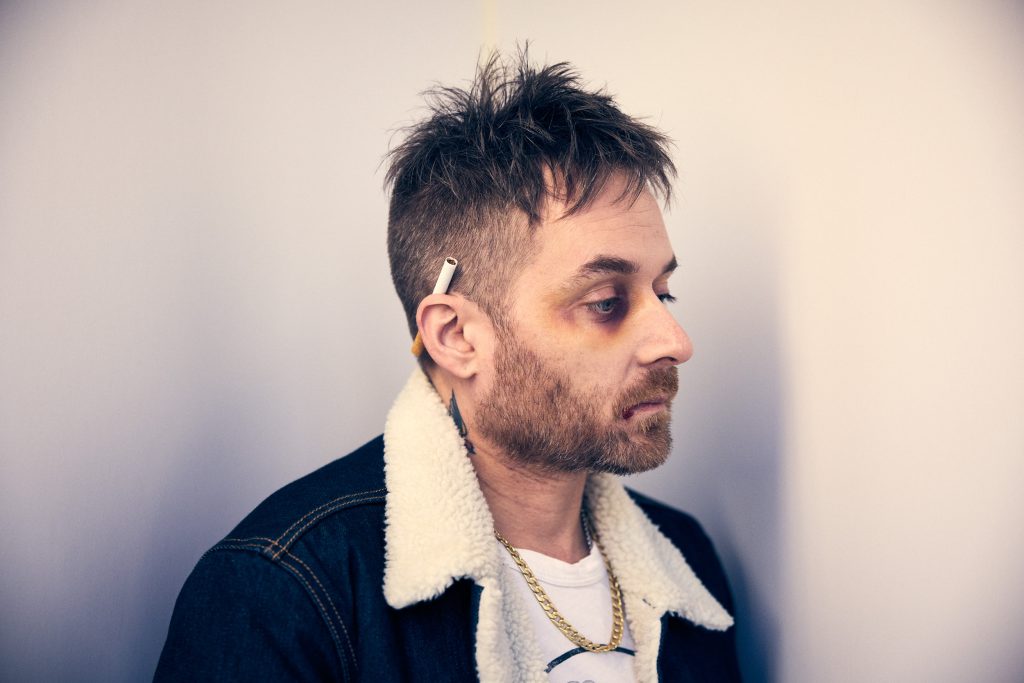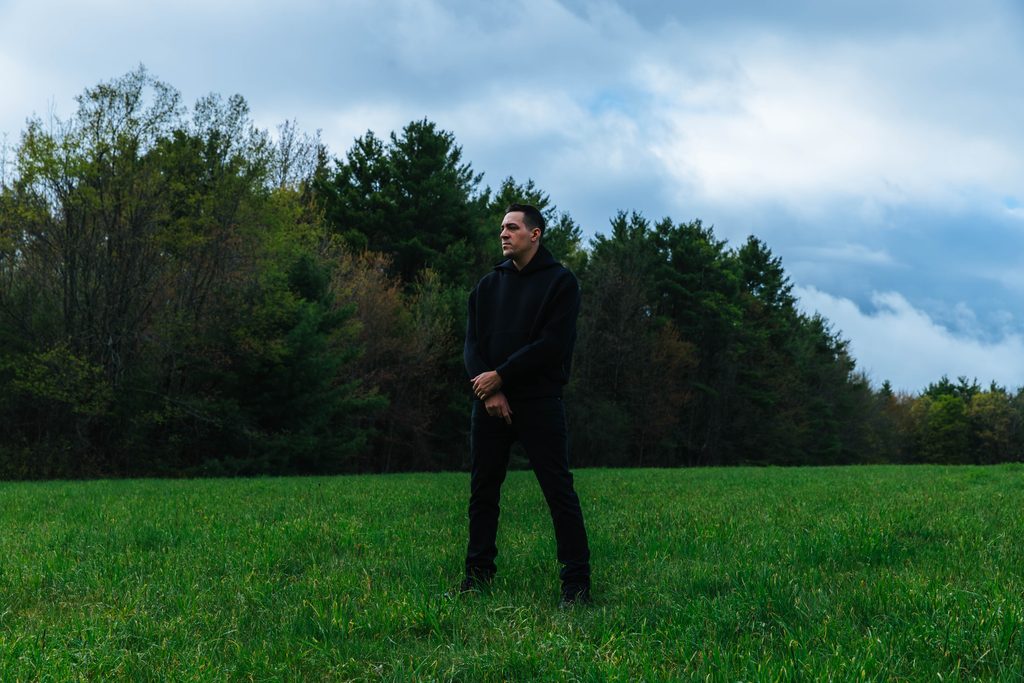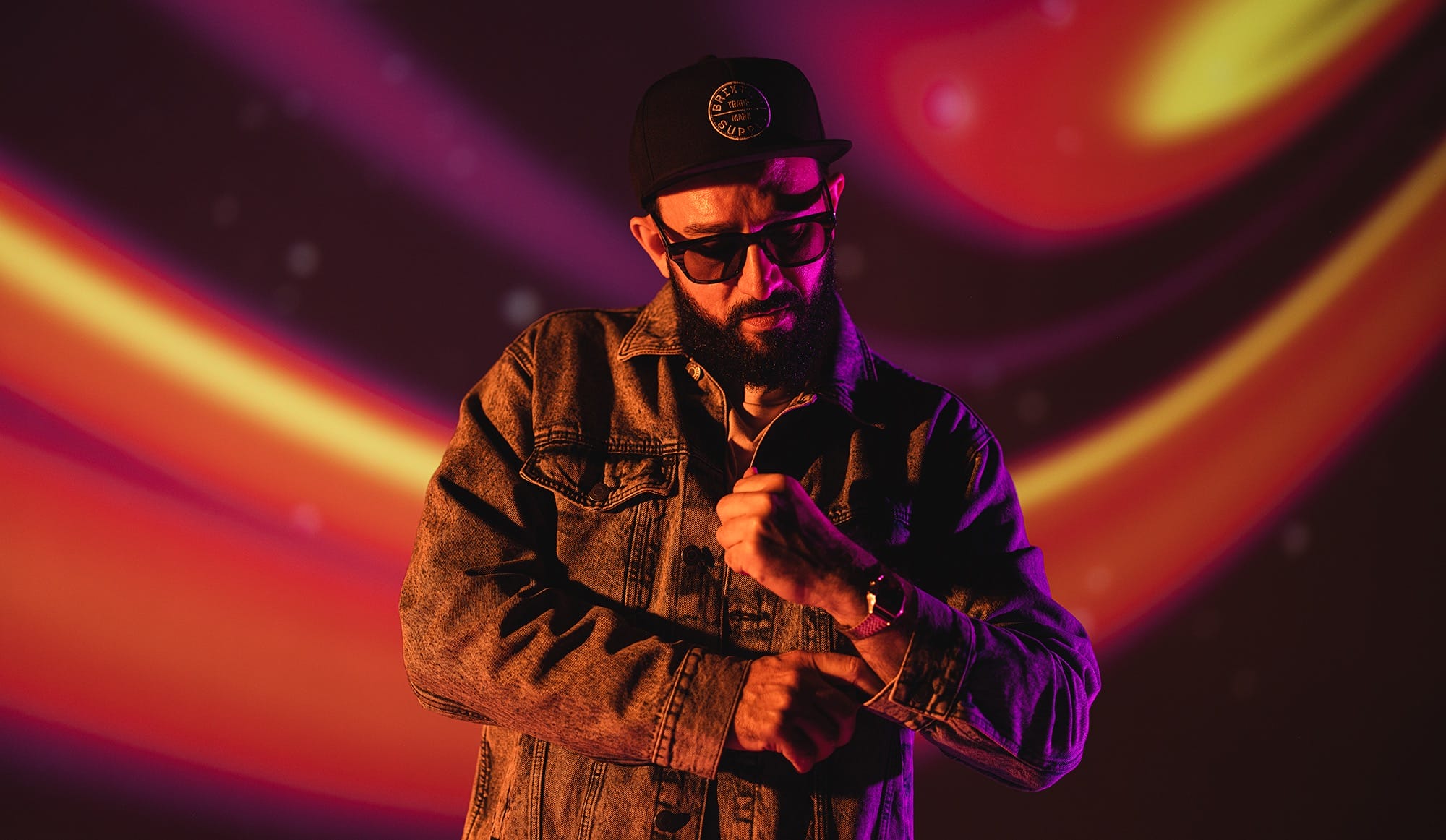
Hatiras has always kept one foot in the booth and the other on the dance floor. His latest release, Hypnotized, out now on Toolroom, carries the same pulse-driven force that launched him into global recognition with Spaced Invader nearly twenty-five years ago. The new single is tightly built, primed for impact, and produced for the kind of floor where phones stay in pockets and people move with intent.
With a discography spanning over 500 releases and five full-length albums, Hatiras has maintained a connection to the culture that shaped him. Labels like Defected, Simma Black, Afro Acid, and Dirtybird have housed his music, but his ethos has always pointed back to the raw, euphoric energy of the early North American rave scene. His style leans toward groove-heavy, funk-informed house with a signature bite, but his broader identity as a DJ, producer, and promoter has been rooted in something more durable: community, joy, and the act of musical sharing.
That mindset informs everything from his creative process to how he thinks about the current state of DJ culture.
In conversation, Hatiras speaks directly, with a kind of clarity that only comes from being inside the scene long enough to see its rhythms cycle. He does not over-romanticize the past or preach about the future. Instead, he shares a consistent perspective shaped by decades of presence—on stage, behind decks, and in the crowd. What follows is a conversation about who this culture is for, what it expects from those who participate, and how to stay grounded when the noise gets loud.
Who is this culture really for, and what does it ask of those who want to participate?
This culture is for everyone. At its core, it has always been about the music—never about flashiness, money, or ego. The message has always been inclusivity, love for music, and good energy. The rave scene began as a space where people could hear weird, new, non-commercial music in unpredictable places. Sometimes that meant dancing in the forest while it rained. That sense of unpredictability gave it life.
This culture asks people to be respectful, open, and present. It calls for peace, love, unity, and respect—what people know as PLUR. Being a DJ does not mean being a superstar. It means you care enough about music to want to share it. That could be through turntables, a laptop, CDJs—whatever you use to pass that feeling on. Today’s tools make that more accessible, which is a good thing.
Has that answer changed over time as the scene has shifted?
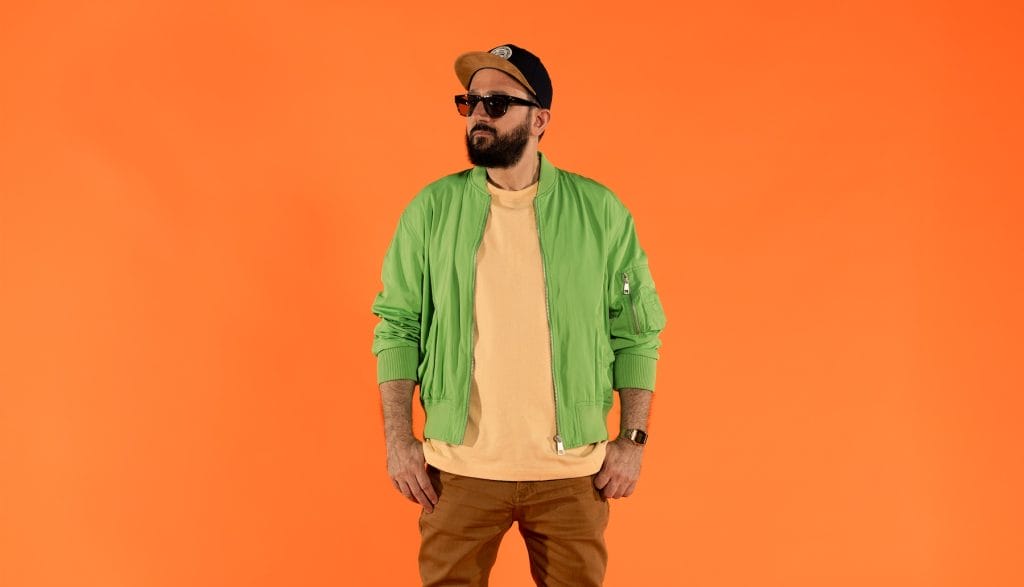
Things have definitely changed, mostly because of technology. There are more amateur DJs now, and that helps keep things fresh. It brings in more people who are excited to explore. DJing felt rare and mysterious back in the day, but that mystery came from a time when everything felt a bit harder to reach. People were not carrying phones that could tell them everything instantly.
Things now are still exciting—they are just exciting in a different way. People have access to more information, more tools, and more sounds. That allows for new voices and new energy. It is a different kind of mystery now, and there is value in that too.
Did you feel like you always fit into the scene, or did you have to find your place?
I always felt like I belonged in the rave scene. From the beginning, I was at parties every weekend. It was more than music—it was community. Over time, I carved out space as a producer, DJ, and promoter, but I never stopped being a partier. That is still part of who I am. To really understand the culture, you need to spend time inside it. That is where everything starts to make sense.
What expectations does the scene place on those who want to show up, either as DJs or dancers?
Drop the ego. Stay patient. Be kind. Do not walk into a room expecting something. Walk in with respect. Stay humble. Be cool. That kind of attitude creates longevity. Things tend to show up when you are not chasing them.
If you have something to offer, bring it. If not, enjoy the space, enjoy the people, and enjoy the music. That energy matters. It all adds up to something that others can feel.
What are some unspoken rules that new DJs might not realize right away?
Respect the DJ playing before and after you. Timing is everything. Give space when it is needed. Learn how to build a room and how to ease back when required. Great sets do not always go hard. They rise and fall. They breathe.
A lot of new DJs want to go straight to peak energy. That misses the point. Warming up a room is a skill. Setting the tone for the night matters. You need to think like a promoter, a dancer, and a venue owner too. Understand the full picture. That will make you a better DJ and a better part of the scene.
Have you ever questioned whether the scene still reflects the values that drew you in?
There is a lot of ego in social media now. Some parties look more like photo shoots than raves. But those things have always existed in some way. You cannot control the whole scene, but you can control how you show up.
For me, it is still about music, sharing new tracks, feeling the energy in a room, and watching people connect. Those things still exist. You just need to be willing to look for them, or create them. The foundation is still there.
What do DJs and dancers owe to the spaces they enter—and to the people who show up with them?
Respect. Clean up after yourself. Be kind. Let people have space. Let people be free. Do not judge. Come as you are. Let the music take care of the rest.

Will Vance is a professional music producer who has been involved in the industry for the better part of a decade and has been the managing editor at Magnetic Magazine since mid-2022. In that time period, he has published thousands of articles on music production, industry think pieces and educational articles about the music industry. Over the last decade as a professional music producer, Will Vance has also ran multiple successful and highly respected record labels in the industry, including Where The Heart Is Records as well as having launched a new label with a focus on community through Magnetic Magazine. When not running these labels or producing his own music, Vance is likely writing for other top industry sites like Waves or the Hyperbits Masterclass or working on his upcoming book on mindfulness in music production. On the rare chance he's not thinking about music production, he's probably running a game of Dungeons and Dragons with his friends which he has been the dungeon master for for many years.