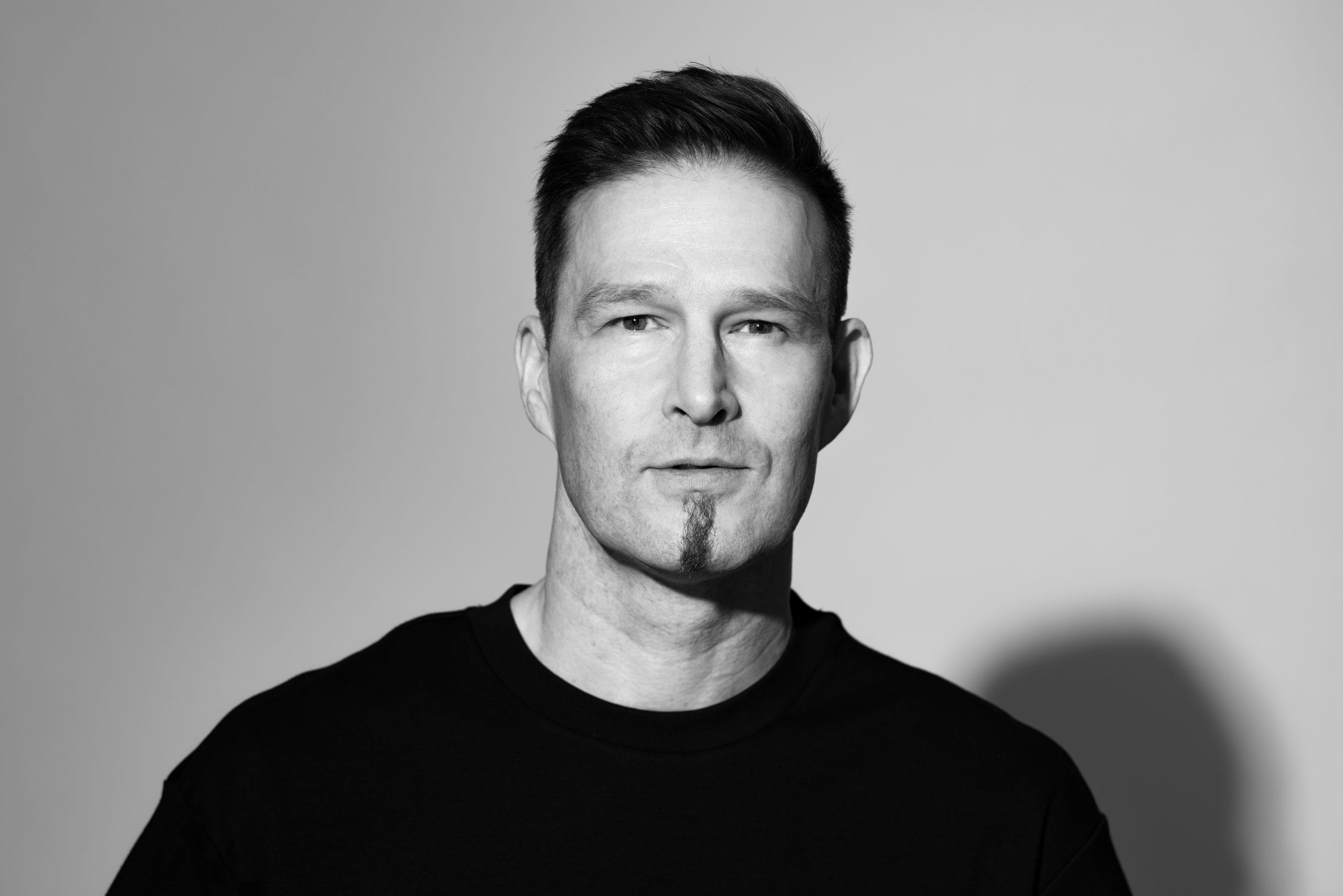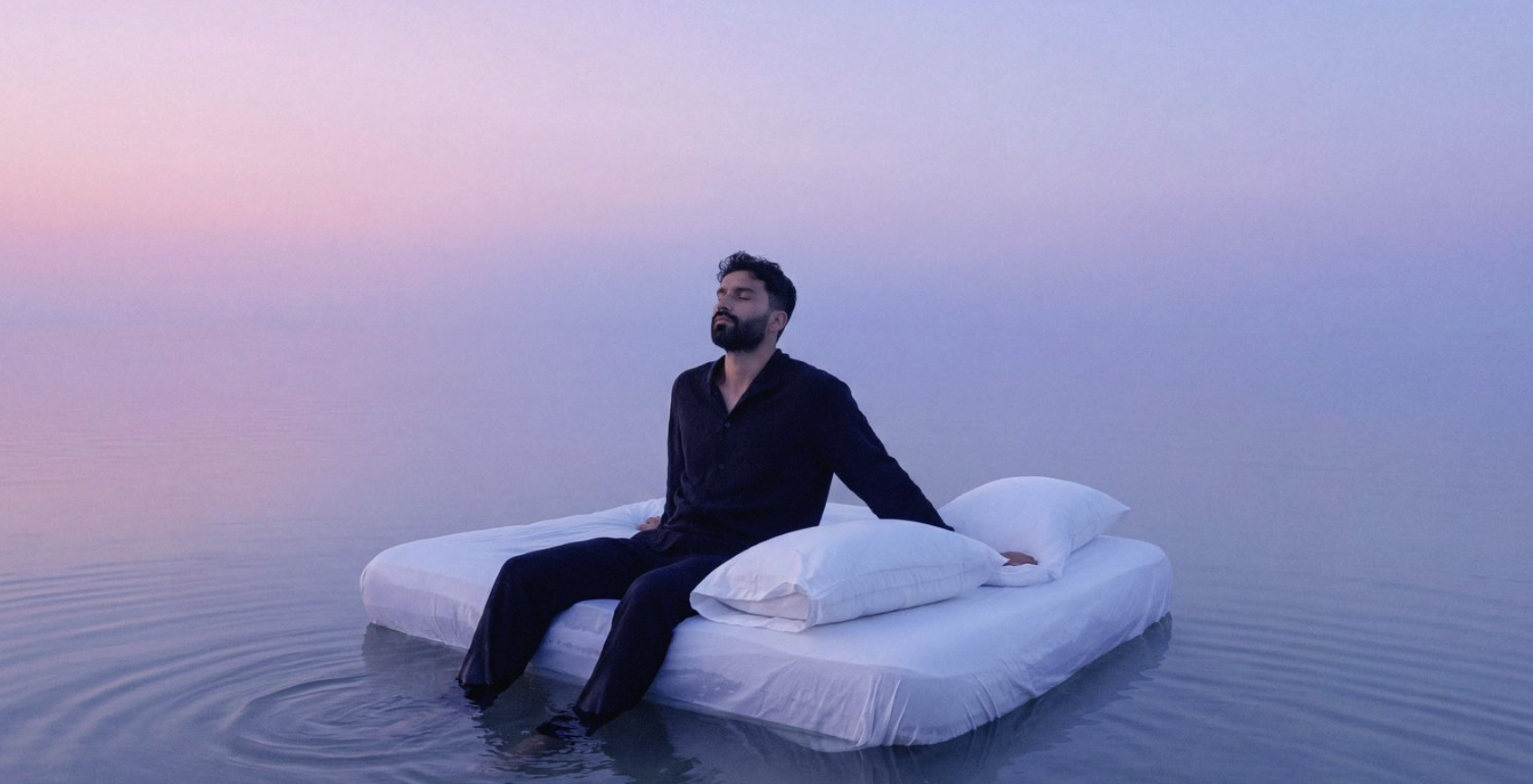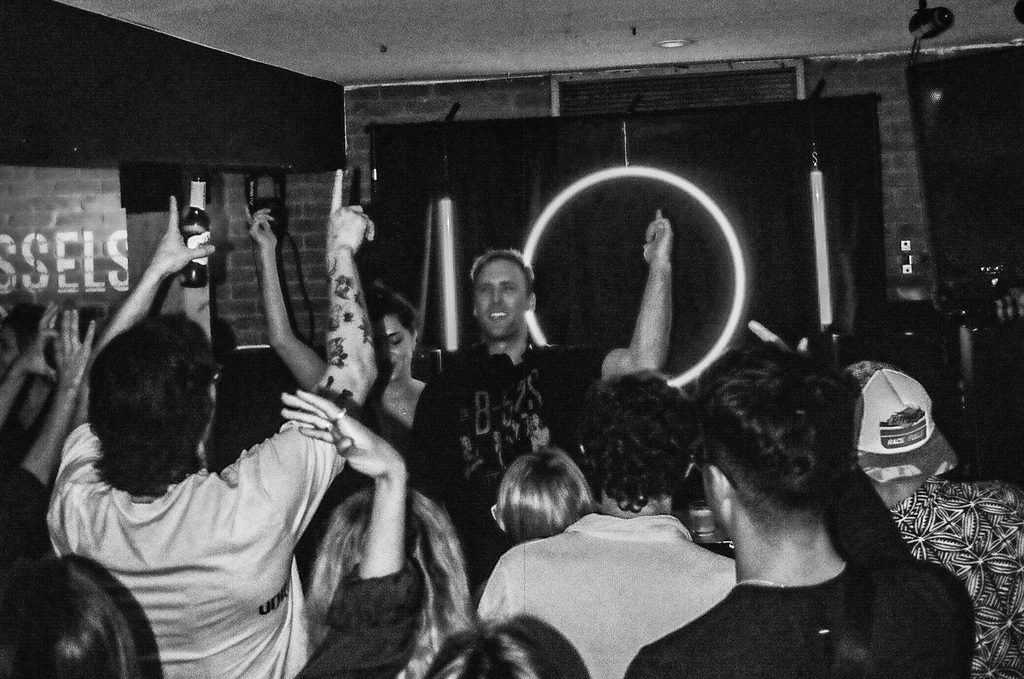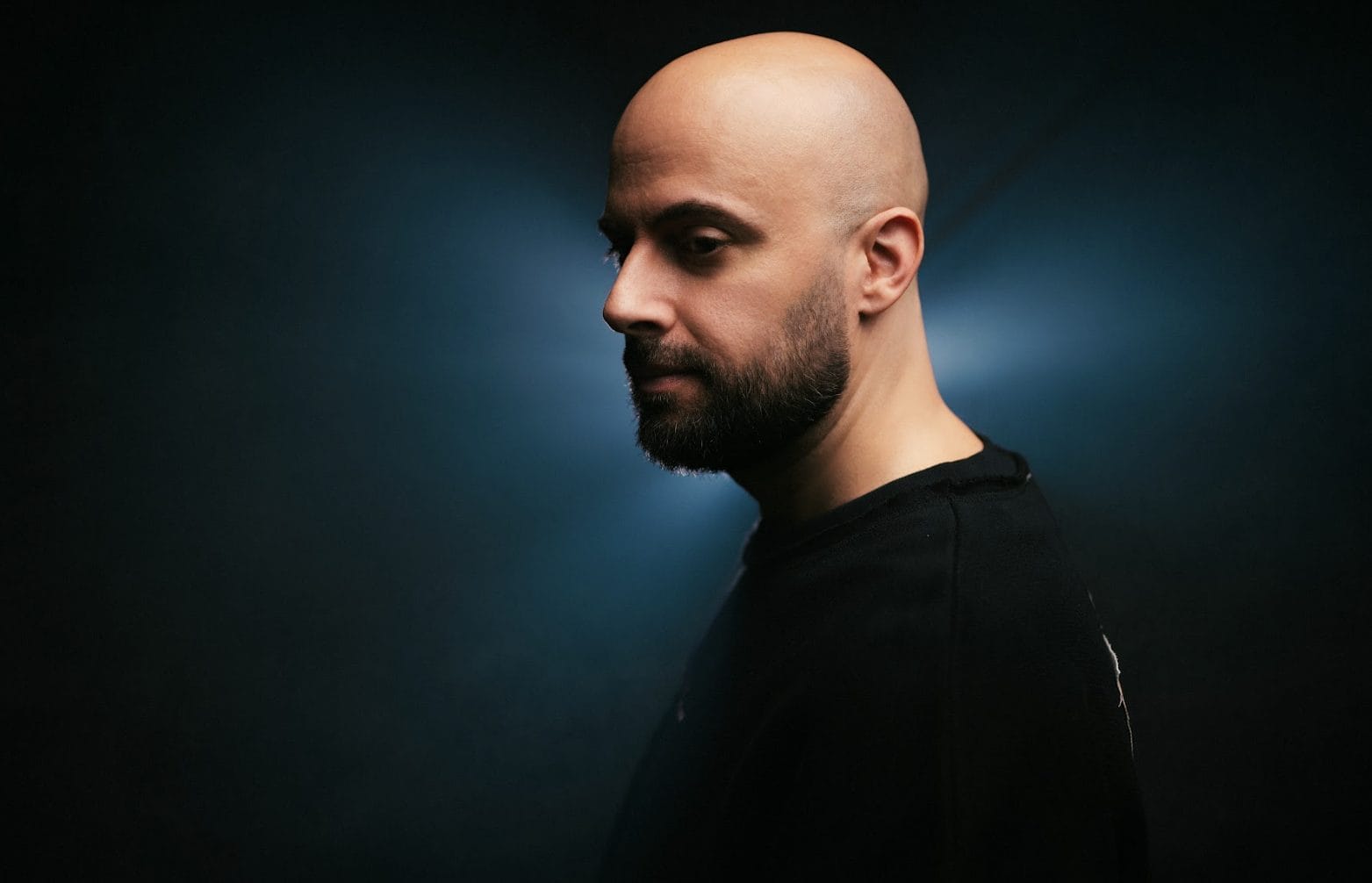
After five years of creative expansion under his NIN3S alias, Spanish electronic artist UNER is back in his own name—with CONTICINIUM, a reflective, high-impact LP that traces his internal rebirth through shadowy club grooves, IDM textures, and cinematic tension. Released April 25th via Veil Theory, the album feels like an artist reclaiming space on his own terms—refusing to chase perfection, but chasing honesty with everything he has.
The album’s title, which refers to the deepest part of the night when silence rules, is fitting. Because for UNER, silence isn’t absence—it’s the source. In this interview, he opens up about his creative reset, the role of daily rituals, and why discipline—not inspiration—is what truly shaped his evolution.
If you’ve ever felt stuck between structure and surrender, or wondered how to come back stronger after burnout, this one will stick with you.
What does your daily creative routine look like (if you have one)?
My creative routine has less to do with a rigid structure and more with creating an important space for silence, for chaos, but above all for myself. I wake up and spend time in stillness before even touching the machines or opening the DAW. In fact, there are days when I don’t even do it. I reflect, meditate, walk, sometimes I simply sit with the “discomfort” of nothingness. That emptiness is where music begins, long before the first note.
When I finally enter the studio, it’s not about “punching in,” but about listening to what has been brewing beneath the surface, whether it’s rage, sadness, curiosity, or pure joy.
Over the years I’ve learned that creativity is not a faucet you turn on but a wild animal, and the best I can do is make sure there’s space for it to appear. Now I protect that space in a vital way. There are days when I only play a synthesizer for 20 minutes, and days when I disappear in the studio for hours. The key is: the discipline is in showing up, in making the invitation, not in forcing.
What changed when you started creating consistently?
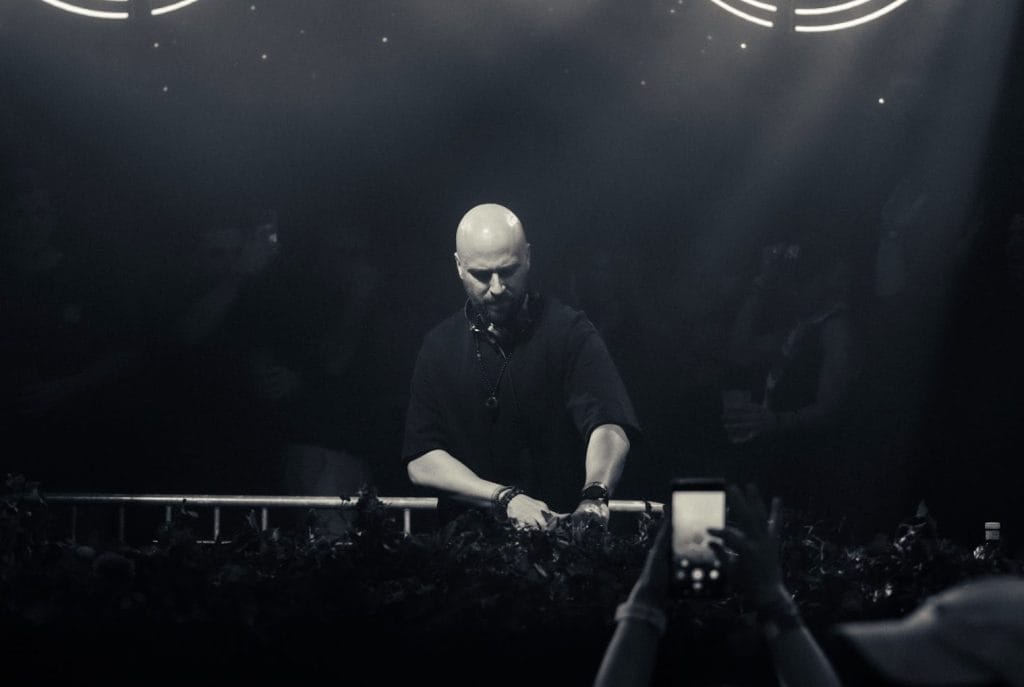
When I committed to consistency, I stopped being a hostage of inspiration. I used to wait for that spark, that perfect moment when everything aligned, but that was a trap. Once I understood that magic is a byproduct of movement, not the starting point, everything changed. I began to create from a deeper and rawer place, one that depended equally on mood and commitment. And that commitment gave me, paradoxically, a sense of freedom.
The exercise that helped me internalize all this has been my alter ego NIN3S and leaving UNER in the “corner” for a set period of time to reconnect with the purest part of life. I also eliminated the fear of failure. When you create every day, you stop judging each piece as “the one that defines you.” That honesty became the goal, not perfection. That’s where the true transformation began.
How do you navigate the balance between showing up and burning out?
I’ve burned out hard — I’m not immune to it. For years, I equated showing up with grinding myself into the ground. But now, the balance for me is to integrate silence totally into the process. Silence was always essential for me regarding musical creation, but now it’s essential for me in my life and inside myself. Silence is no longer absence. When I feel the edge of burnout approaching, I stop and dissolve into things outside of music: my family, nature, cooking, simply being without the pressure to create and/or achieve goals.
What saved me was realizing that I’m not a machine, and that forcing only leads to resentment. There’s enormous strength in surrendering when necessary, in knowing when to walk away in order to return more whole.
When you fall off, how do you reset your rhythm?
I lose the rhythm all the time: that’s human! What resets me is not punishment, but reconnecting with why I create in the first place. I go back to the roots: I listen to the records that blew my mind at the beginning, I watch movies that make me feel, I write about what’s moving inside me. I remind myself that music is not a job but my language, my therapy, my way of surviving in this world.
Practically, I set small rituals to return: lighting incense, reading, cleaning the space, organizing things. These small acts of care rebuild the bridge to creation. I don’t rush it. I let the rhythm rebuild itself, like healing a muscle and not forcing it to act.
Is there a time of day where your creative energy naturally peaks?
For me, it’s during the day when everything comes to life. There’s something in the clarity of the morning and the early afternoon (especially on cloudy days): the world feels sharp, present, full of potential. It’s when my mind is cleanest, when the noise hasn’t yet taken control, and I can immerse myself in sound with focused intensity.
That said, I’ve also learned not to romanticize just one moment of the day. While the day gives me that precision and sharpness, I still respect the night for its rawness and unpredictability.
What’s one rule you’ve made for yourself that keeps you creating?
The only rule: don’t pretend. Don’t pretend to be inspired when I’m not, don’t pretend to follow trends, don’t pretend to be someone different from who I am in this exact moment. That kind of honesty is what makes me come back, even when it’s uncomfortable, even when it means creating raw, ugly, or unfinished works.
This rule cuts through the noise of the industry’s expectations, of the audience, even of myself. The only sustainable fuel for art is truth.
How has discipline shaped your evolution more than raw inspiration?
Discipline has been the container where my wildest ideas could survive. Inspiration is a lightning bolt, but without discipline, it burns out quickly. Discipline is what has allowed me to transform pain into sound, heartbreak into movement, silence into symphony. It’s the muscle that carries the weight of all those fleeting moments of magic and gives them a home.
Through it, I’ve learned to “alchemize” chaos into coherence. Without discipline, I’d still be chasing highs and waiting for the muse to bless me. With it, I’ve become a guy who can create meaning out of anything—even from darkness and emptiness.

Will Vance is a professional music producer who has been involved in the industry for the better part of a decade and has been the managing editor at Magnetic Magazine since mid-2022. In that time period, he has published thousands of articles on music production, industry think pieces and educational articles about the music industry. Over the last decade as a professional music producer, Will Vance has also ran multiple successful and highly respected record labels in the industry, including Where The Heart Is Records as well as having launched a new label with a focus on community through Magnetic Magazine. When not running these labels or producing his own music, Vance is likely writing for other top industry sites like Waves or the Hyperbits Masterclass or working on his upcoming book on mindfulness in music production. On the rare chance he's not thinking about music production, he's probably running a game of Dungeons and Dragons with his friends which he has been the dungeon master for for many years.