Table of Contents
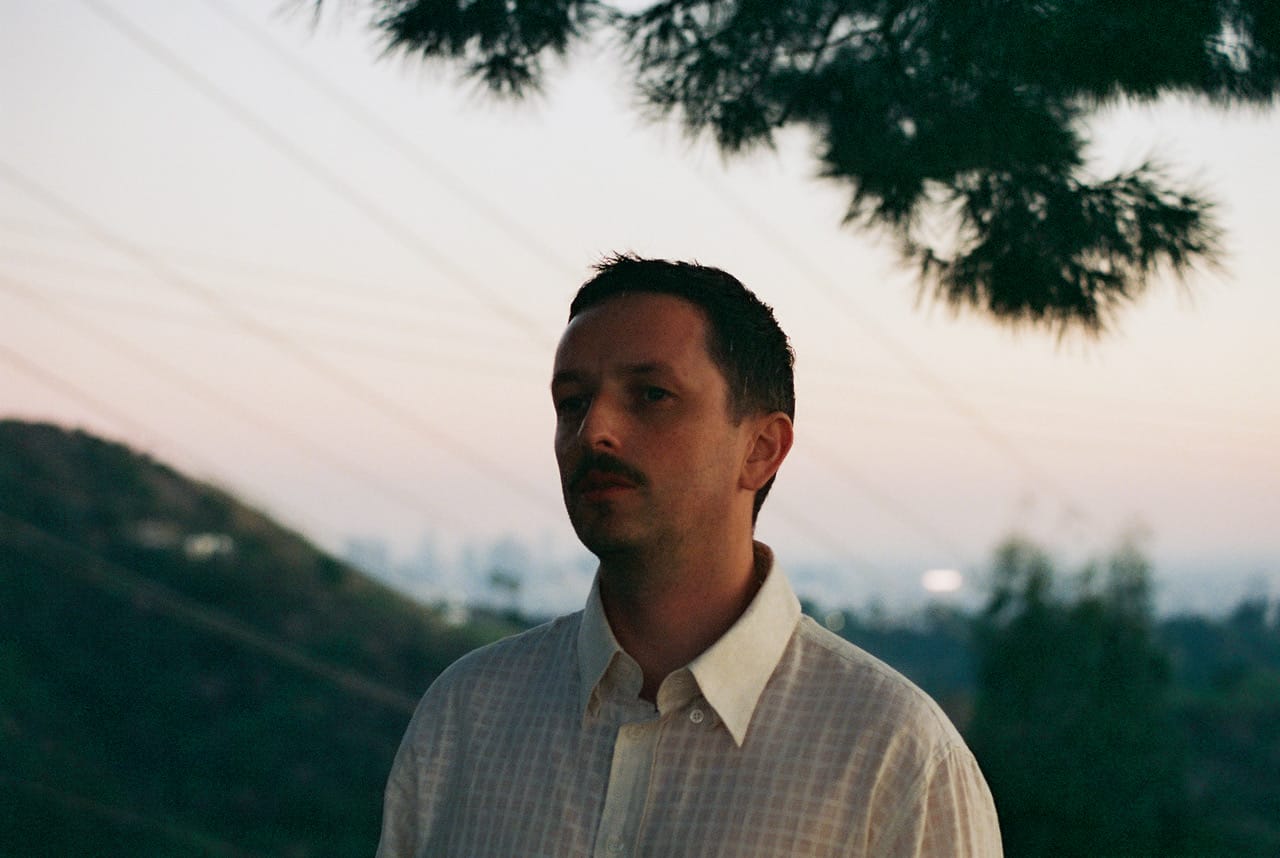
Masha Dabelka has been a quiet force in Vienna’s underground scene for years, and now she’s stepping forward with Dolphins In China, her latest EP on Fortunea Records. Out on March 7, 2025, the release lands on vinyl, digital, and streaming platforms, blending deep house and breaks with a sense of playful experimentation. Masha’s approach to music reflects her personality—effortless, self-assured, and uninterested in gimmicks. While some DJs perform for the camera, she focuses on what matters: the music itself.
Masha Dabelka’s Dolphins In China
Her sound pulls from different eras and subcultures, but never in a forced way.
There’s an ease to how she connects influences, shaping them into something personal. That same authenticity carries over into her DJ sets and productions, where humor and instinct take precedence over trends. It’s a quality that makes Dolphins In China stand out, not as a calculated statement but as a natural extension of her musical language.
With Fortunea backing the release, Masha finds herself in good company, surrounded by artists who value music’s deeper, unspoken connections. As she continues carving her space in Vienna’s electronic scene, Dolphins In China serves as both an introduction and a reminder—she’s been here, doing the work, and now it’s time for more people to hear it.
An Interview With Masha Dabelka
1 – What’s a key piece of advice you would give to your younger self at the start of your journey?
I’d recommend taking music production more seriously—like developing your own language.
2 – Who’s been your biggest supporter throughout your career, and what’s their impact been on your success?
Different people have supported me at different stages. I think that because of my young age and inexperience, I didn’t always fully appreciate the support I received. But with time and experience, it has become one of the most important and fundamental values for me. Now, I’m supported by my friends and my label, Fortunea, run by Klaus Benedek, which is releasing my Dolphins In China EP.
3 – What’s the hardest part of maintaining a music career that people don’t often talk about?

I think it’s really tough for introverts, people who struggle with communication, or those living far from cultural hubs to get attention for their work nowadays. I feel shy sometimes about sharing my music. Getting noticed on social media? Not easy at all.
I just genuinely hope that people reading this will at least make it to the end. The competition for attention and likes on social media now feels a lot like the loudness war of the 20th century.
4 – What’s one thing you’ve learned about the music industry that surprised you?
I guess that some artists lose interest in music pretty quickly. Maybe it’s because they get disappointed in the industry and start associating it with the creative process itself. Unfortunately, most up-and-coming producers burn out fast—either because big labels aren’t really invested in their growth or because of the constant multitasking. And those who can’t find their own labels or communities? They barely even have a chance to reach listeners.
5 – How has your sound evolved as you’ve grown as a person and artist?
I feel like every new release is a way to rediscover myself. The whole creative journey is really a path to understanding who you are. Since I sometimes work as a commercial sound designer, I can produce music in almost any style—which, ironically, makes it harder to find my own unique voice.
I love making remixes because I immediately hear new ways to reinterpret existing material. Even now, after releasing Reverie on my Dolphins In China EP, I already want to create a different version that feels more in tune with my current state of mind.
I’m also really into making ambient and drone music. My sound evolves as I expand my “vocabulary,” whether through new influences or experimenting with different gear. But at the core of it all, I think catchy melodies remain the key for me. In that sense, I guess I’m a bit of a dreamy, kind traditionalist.
6 – What’s one of the biggest sacrifices you’ve made to stay committed to your music?
I left my home, my city, and the country where I was born 17 years ago just to have a chance to express myself. That feels like a huge sacrifice to me.
7 – Why do you think it’s important for artists to share their struggles as much as their successes?
I think sharing our struggles is really important—it helps humanize musicians and makes the music industry more accessible. This work takes a huge amount of energy, and if we want real change, we need to be open about the issues.
I’d love to see more diverse but genuine artists, each with their own unique life stories and backgrounds. Honest human experiences, real emotions, and sincere music—that’s what truly inspires.

Will Vance is a professional music producer who has been involved in the industry for the better part of a decade and has been the managing editor at Magnetic Magazine since mid-2022. In that time period, he has published thousands of articles on music production, industry think pieces and educational articles about the music industry. Over the last decade as a professional music producer, Will Vance has also ran multiple successful and highly respected record labels in the industry, including Where The Heart Is Records as well as having launched a new label with a focus on community through Magnetic Magazine. When not running these labels or producing his own music, Vance is likely writing for other top industry sites like Waves or the Hyperbits Masterclass or working on his upcoming book on mindfulness in music production. On the rare chance he's not thinking about music production, he's probably running a game of Dungeons and Dragons with his friends which he has been the dungeon master for for many years.