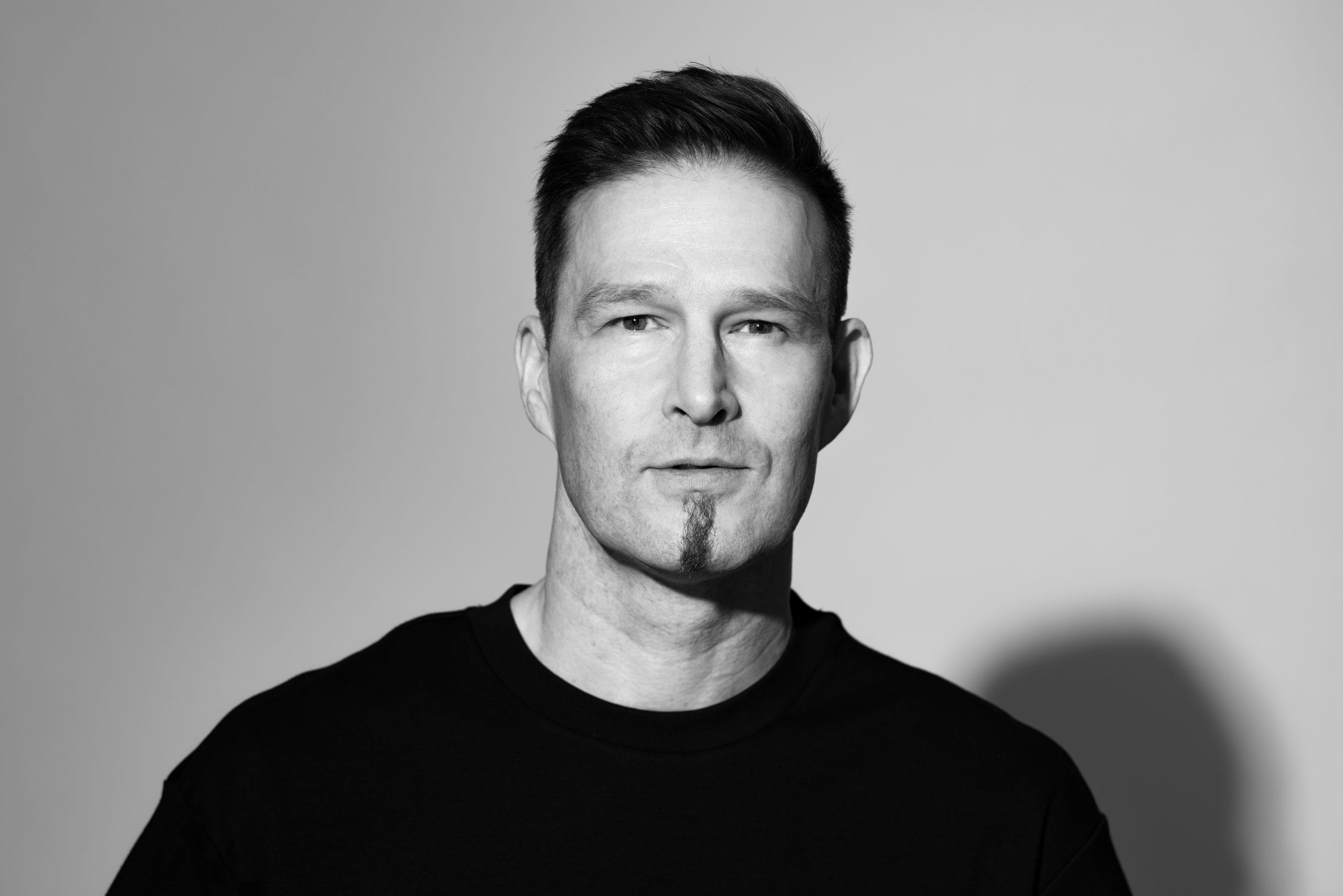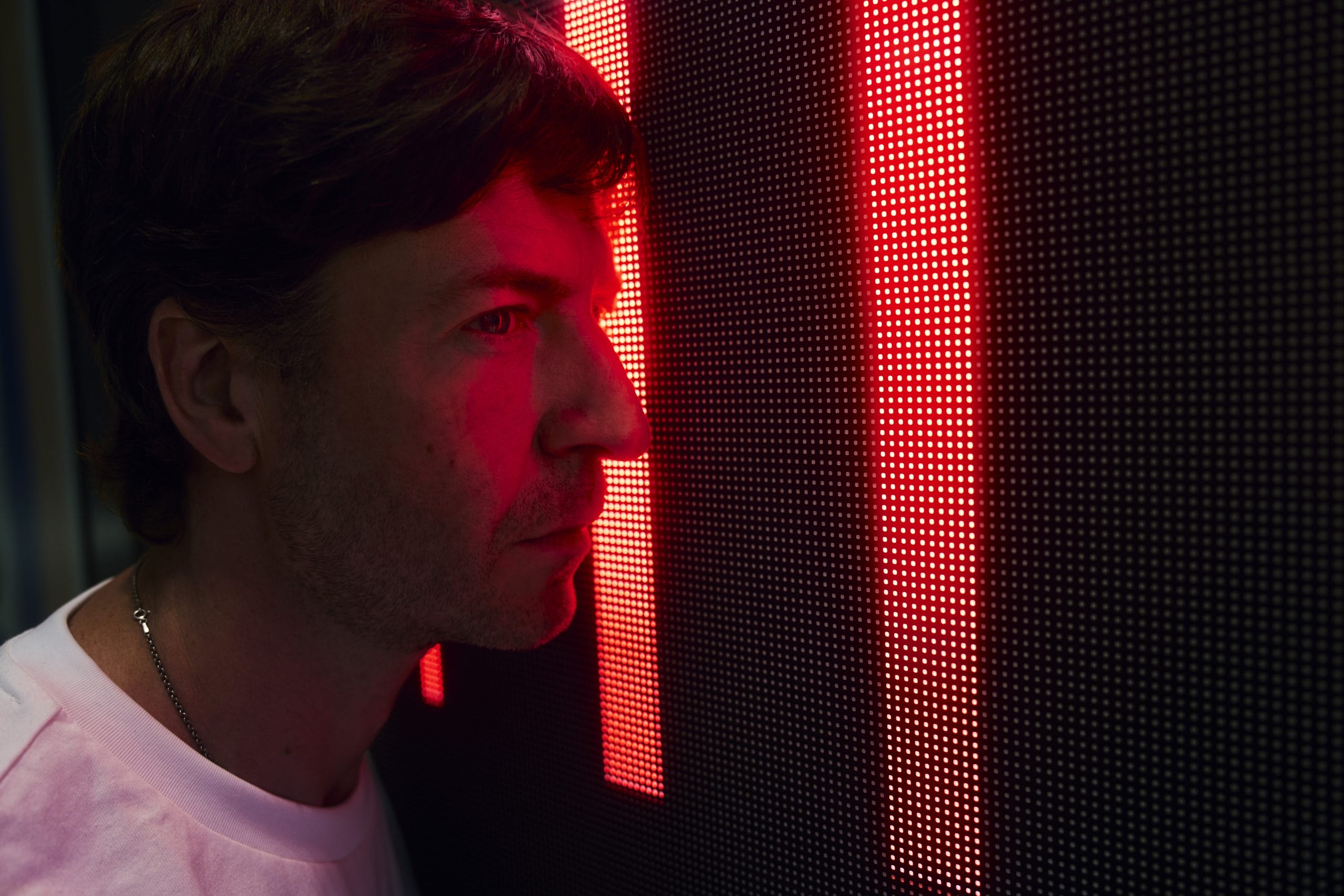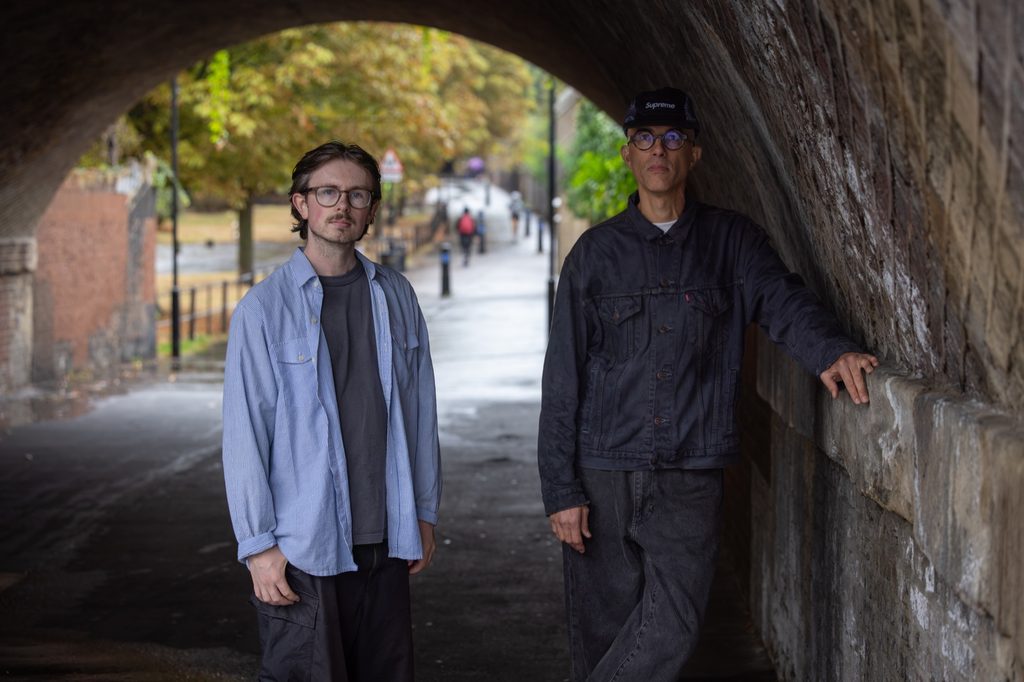
Bar Shaked and Mai Yanai’s Move Me EP is making its debut here ahead of its official release next week. The two-track release captures different sides of movement—Move Me is about connection, while Take It All Out is about releasing what holds you back. Both tracks are built around Mai Yanai’s vocals, delivering a balance of rhythm and melody designed for the dance floor.
Bar Shaked’s production style draws from years of influence, blending deep melodic elements with rhythmic foundations shaped by his time in London’s underground scene and early exposure to African and tribal sounds. His approach prioritizes instinct, keeping his process open to new sounds while refining a core identity that feels both familiar and forward-thinking.
In this interview, Bar talks about his creative process, what drives his sound, and the balance between trendsetting and staying true to personal style. He also shares insights on how he approaches collaboration, how he knows when a track is finished, and what he hopes listeners take away from the EP, which we debuted a week ahead of the full EP’s release next week.
Who are the artists or sounds that most shaped your style early on?
Ben Böhmer. Ive been following Ben for quite some time. Even before i started to write music. I’d say it’s been more than 10 years that I’m listening to his music.
I think the deep emotion he’s able to deliver with his sound has caught my heart and my heart, and I want to get people to get this state of mind while dancing in the club or even just listening to the radio as well.
What’s the one element every track you release has to have to feel complete to you?

I lived in Africa in my youth, and ever since I started to create music, I remember myself either going for an Afro track or at least adding some African elements or ethnic ones as well.
It just happens.
Naturally, I’m not thinking about it like “Oh i gotta add some afro vibe to it,” but I’m just attracted to it during the creation process.
Why do you think some artists become trendsetters while others just follow trends?
First, I think it’s a matter of seniority in the music industry. After a decent time, you can shift things through, especially if you got the experience, and the diversity – production wise, and nonetheless the right ears to define and predict what is going to work well.
However, those who follow trends, are most likely don’t have enough creation time and the ability to shift between genre for stylish purposes, which leads to a lack of experience and confidence to try out new things, but they’ll instead stick to what works best for them until till they gain a level where they can do the shift and start developing their sound.
What’s one piece of advice you’d give to an artist who’s struggling to find their sound?
I don’t know yet if I have a sound that defines me or makes my music stand out. But what i do know for certain, is that i’ll never copy a song from start to end. with this being said, I’d suggest always thinking about what makes you move, what you like, and what gives you goosebumps, and once you figure that out, just follow your intuitions, maintaining those “principles” while always listening to new & old music and take inspiration from it.
Adding those sounds you loved from other songs (not necessarily coming from you’re production field) to what you’ve already realized move your heart can create some changes to your production process and to your general approach to sound and the evolvement of your track.
Why do you think some artists get stuck in a certain sound, and how do you keep pushing your boundaries?
Producers who have just started their journey in the music industry lack experience in writing music, and it’ll be easier for them to stay where it’s comfortable. They’ll most likely try to create something similar to a track they love from a producer they appreciate. Well, at first, that’s fine cause that’s how to improve yourself, but we should watch out there and be aware of it when it’s time for us to find our signature.
As for pushing my boundaries – think I im just doing what i love, watching tutorials and podcasts, trying new plugins and sounds i never used before, and reaching out to singers suggesting collaboration.
I always remind myself what I love, what I find moving and exciting, and I go towards it while changing my approach; either I start with a groove or with melody instead; this way, I’m not getting bored.
And most importantly if i do get board, which might happen, i leave the project for a day or two, and get back to the studio with fresh ears.
How do you know when a track is finished?
Its a tricky one. I guess a track can never be finished as in music. You can always add more, erase, change; it can never be really done. However, I think the key here is to be aware of it and not be so hard on yourself. what you can do – acknowledge the time you spent on it, dance to it in your room, listen to it on your walks, and send it to colleges. If each time you love what you hear and get good feedback, and obviously, after a few times, you might have changed it already, then just let it go and trust your work!
In addition, if you have the chance to try it in the club (if it is a club tune) or send it to a mate to play, then that the best test you can do for the track, observe the crow,d and you will know the answer 🙂

Will Vance is a professional music producer who has been involved in the industry for the better part of a decade and has been the managing editor at Magnetic Magazine since mid-2022. In that time period, he has published thousands of articles on music production, industry think pieces and educational articles about the music industry. Over the last decade as a professional music producer, Will Vance has also ran multiple successful and highly respected record labels in the industry, including Where The Heart Is Records as well as having launched a new label with a focus on community through Magnetic Magazine. When not running these labels or producing his own music, Vance is likely writing for other top industry sites like Waves or the Hyperbits Masterclass or working on his upcoming book on mindfulness in music production. On the rare chance he's not thinking about music production, he's probably running a game of Dungeons and Dragons with his friends which he has been the dungeon master for for many years.