Table of Contents
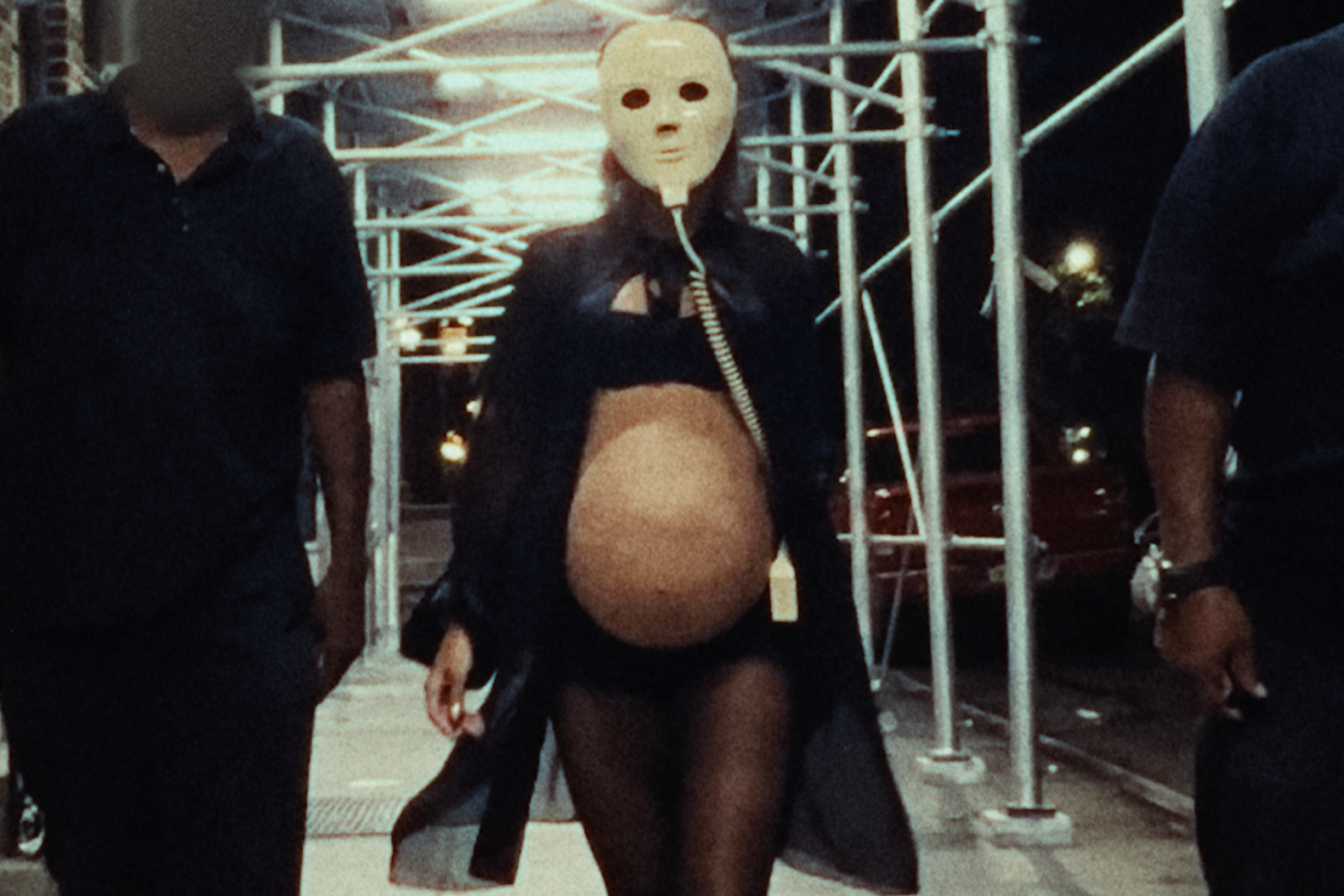
Image Taken From The Weeknd – São Paulo feat. Anitta (Official Music Video): Directed by Freeka Tet DOP : Ben Carey Produced by Phantasm Executive Producers: Gary Farkas & Camille Richardeau Label : Republic Records
Alright, let’s jump into “São Paulo” by The Weeknd and Anitta from a creative and cultural angle, looking at what these lyrics really tell us about the intense themes they explore. Using my background in creative writing, I’ll dig into how the lyrics dive into ideas of surrender, control, and desire—and we’ll use some classic pop culture films to help unpack these deeper meanings. Movies like Eyes Wide Shut, Black Swan, and Gone Girl might seem worlds apart, but each of them gives us unique perspectives on relationships marked by mystery, intense attraction, and the fine line between control and vulnerability. By drawing comparisons with these films, I’ll share my personal insights and takeaways on the lyrics, hoping to bring out a nuanced look at what makes this song’s themes so lasting and relatable.
This analysis is also a fun chance to stretch the literary comparisons and see what modern fiction can teach us about the song’s underlying messages. Just like we see in these films, the lyrics of “São Paulo” touch on timeless questions: How much of ourselves do we give in a relationship? How far do we let desire go before it’s too much? These movies can help us see that The Weeknd’s lyrics may be about more than just one relationship—they reflect patterns that many stories have explored for years, showing us the universal nature of passion, control, and even danger in relationships.
See The Weeknd Live On Tour Here👈
Snag The Weeknd On Vinyl Here👈
Sao Paulo The Weeknd Lyrics:

Sao Paulo The Weeknd Meaning:
“Bota na boca, bota na cara, bota onde quiser”
Anitta’s line here, meaning “Put it in your mouth, put it on your face, put it wherever you want,” brings out her confidence and control. She’s setting her own terms, boldly declaring what she wants and where she wants it. This direct, take-charge energy is a lot like what we see in Eyes Wide Shut when Alice, played by Nicole Kidman, tells her husband (Tom Cruise) about a fantasy she had of being with another man. Her openness shocks him, and it’s a power move that makes him realize he doesn’t fully understand her desires.
Like Anitta’s line here, it flips the usual dynamics by putting the woman in control, revealing her confidence in what she wants.
“Every time I try to run, you put your curse all over me”
The Weeknd’s line here about trying to escape but feeling under a “curse” shows a push-pull feeling, like he’s trying to break free but is too captivated to let go. This makes me think of Nina in Black Swan, where she’s both drawn to and haunted by her darker, riskier side.
There’s a scene where she starts to see another version of herself—someone bold and unafraid, who she both wants to be and fears. Just like Nina, The Weeknd feels bound by a strong desire that he can’t seem to shake. Both in the song and the movie, the characters seem almost “cursed” by what they want, struggling between attraction and the need to break free.
“I love it when you turn me on”
The repetition here of “I love it when you turn me on” isn’t just about attraction—it’s about being totally captivated, as if his partner’s influence over him is something he can’t get enough of. This reminded me of Gone Girl, when Amy reveals in her famous “Cool Girl” monologue how she changed herself for her husband Nick to keep him interested.
This idea of “turning on” or “switching on” attraction in another person, even by changing parts of oneself, matches the way The Weeknd admits he’s mesmerized by his partner’s effect on him. Both in the song and Gone Girl, the characters are willing to lose part of themselves just to keep the intense attraction alive.
“She don’t even want your money, can buy you and someone else”
Here, The Weeknd describes a partner who doesn’t care about money or traditional success, someone who’s looking for thrills that wealth can’t buy.
This reminds me of Eyes Wide Shut again, where Tom Cruise’s character gets pulled into a secret world of hidden desires and dangerous connections. Money doesn’t matter in that world; it’s the allure of the forbidden that drives people, just like The Weeknd’s partner here who’s searching for something deeper. In both cases, the characters are interested in what’s beyond the material, looking for real, intense experiences rather than traditional status or wealth.
“Kill me softly like you want me euthanized”
This line from The Weeknd is dramatic, showing how he’s willing to give up control and maybe even get hurt in the process. He’s drawn in so deeply that he’s open to the idea of being “killed” by the intensity. This echoes Black Swan perfectly, where Nina’s obsession with her art is so consuming that she’s willing to risk her well-being to achieve perfection.
There’s a scene toward the end of the film where Nina’s mind and body start breaking down from all the pressure she puts on herself, but she pushes on anyway. Both Nina and The Weeknd’s character in this song have a passion so intense that it’s worth any pain it brings, even if it means “euthanizing” themselves in the process.
“Take it easy, easy on me”
As the song reaches its final lines, The Weeknd pleads, “Take it easy, easy on me.” He’s been through an emotional and physical whirlwind with his partner and is reaching his limit.
This line reminded me of Gone Girl, where Nick tells the media, “I did not kill my wife. I am not a murderer.” He’s exhausted by everything he’s gone through, just as The Weeknd sounds here. Both characters want some relief, needing things to calm down after being pushed to their breaking points. This last line shows that even in a passionate relationship, there are limits to what people can handle, asking for some reprieve from all the intensity.
Themes, Meanings, and Main Takeaways
The lyrics of São Paulo by The Weeknd and Anitta center on themes of intense attraction, submission, and the clash between desire and self-control. In Anitta’s verses, she boldly claims her own power, expressing agency over her body and choices with lines like “Bota na boca, bota na cara, bota onde quiser.” Here, she presents a figure who’s self-assured and in command of her own attraction, aligning with how characters in films like Eyes Wide Shut and Gone Girl use self-awareness and confidence as a way to challenge or disrupt power dynamics.
For instance, in Eyes Wide Shut, Nicole Kidman’s character, Alice, directly confronts her husband’s assumptions, sparking a series of events where hidden desires and the limits of control are pushed to extremes. Anitta’s lyrics reflect that same kind of daring and control, questioning traditional dynamics and the boundaries of power in intimate relationships.
In contrast, The Weeknd’s lyrics explore surrender and vulnerability, as he admits being captivated by someone who holds an intense allure, almost like a “curse.” Lines like “Every time I try to run, you put your curse all over me” bring to mind the character of Nina in Black Swan. Her struggle with desire and ambition spirals into obsession, where attraction to the darker side of herself ultimately leads her to lose control.
Similarly, The Weeknd’s lyrics show a character drawn to a dangerous attraction that can’t be fully controlled, and, much like Nina, he’s compelled to go deeper into a connection that may ultimately consume him. This theme resonates strongly in both the song and the film, as they show that powerful connections can sometimes demand a form of self-abandonment, where attraction turns into something almost supernatural, as if beyond one’s will.
Another layer of the song speaks to a sense of disenchantment with material success. The Weeknd sings, “She don’t even want your money, can buy you and someone else,” suggesting that his partner values the thrill and connection over wealth.
This anti-materialism aligns with Gone Girl, where the complexities of love, control, and betrayal far outweigh any concerns about wealth or status. In Gone Girl, Amy creates an entire narrative to reclaim her sense of agency, driven by desires that go far beyond money. Much like Amy’s character, the song’s subjects are in search of a deeper, almost primal connection that challenges conventional measures of success. Ultimately, the lyrics and these films show that in some relationships, it’s not wealth or social markers that hold power, but the intangible forces of attraction, control, and the human drive for something that’s raw and all-consuming.

Will Vance is a professional music producer who has been involved in the industry for the better part of a decade and has been the managing editor at Magnetic Magazine since mid-2022. In that time period, he has published thousands of articles on music production, industry think pieces and educational articles about the music industry. Over the last decade as a professional music producer, Will Vance has also ran multiple successful and highly respected record labels in the industry, including Where The Heart Is Records as well as having launched a new label with a focus on community through Magnetic Magazine. When not running these labels or producing his own music, Vance is likely writing for other top industry sites like Waves or the Hyperbits Masterclass or working on his upcoming book on mindfulness in music production. On the rare chance he's not thinking about music production, he's probably running a game of Dungeons and Dragons with his friends which he has been the dungeon master for for many years.