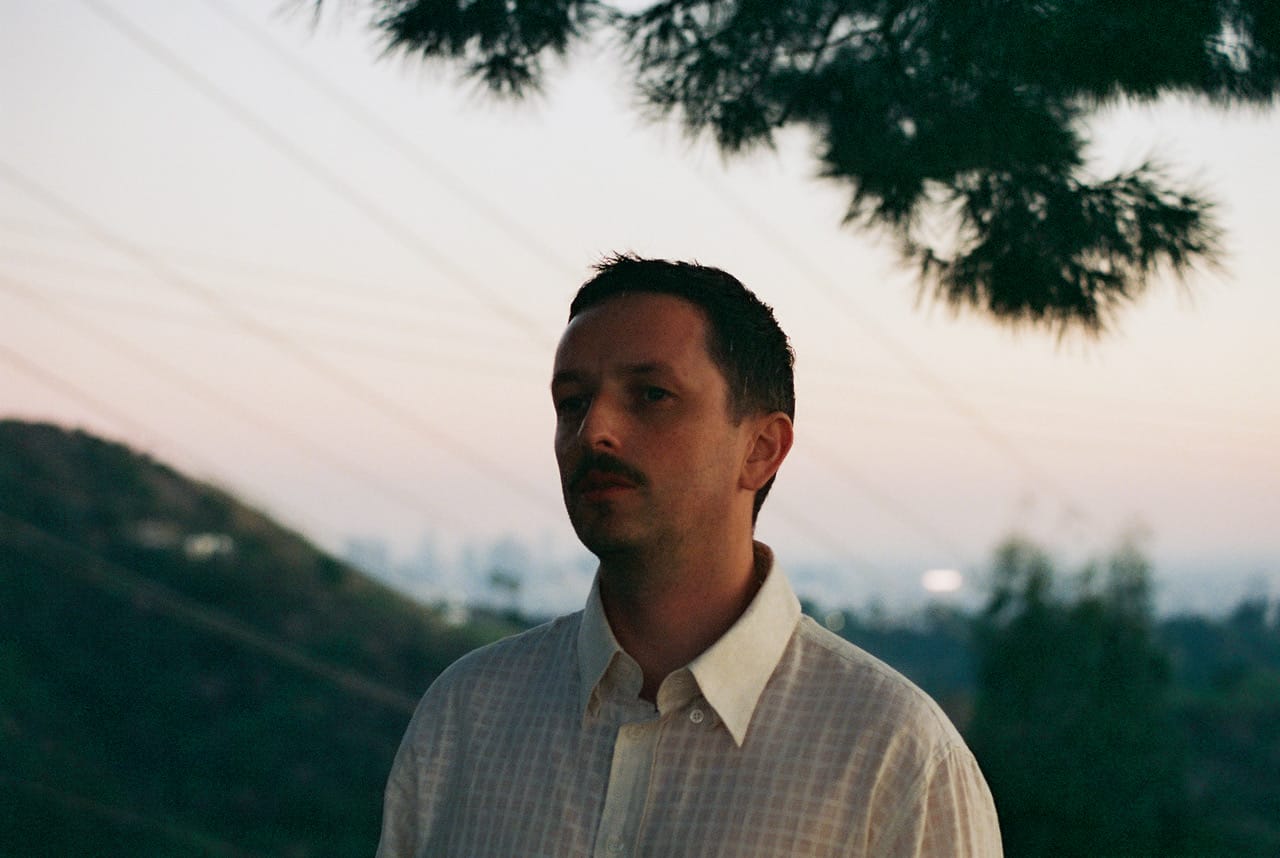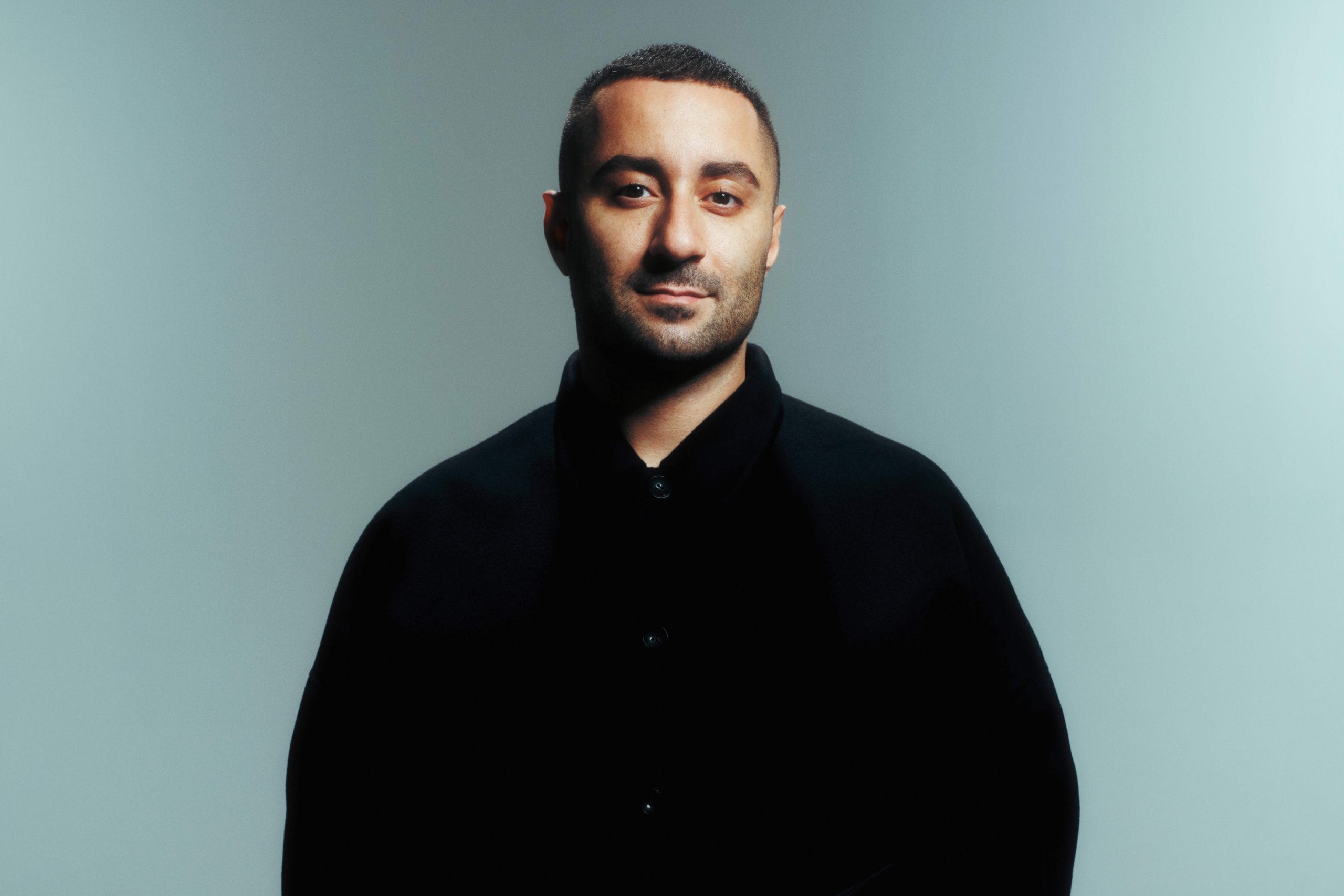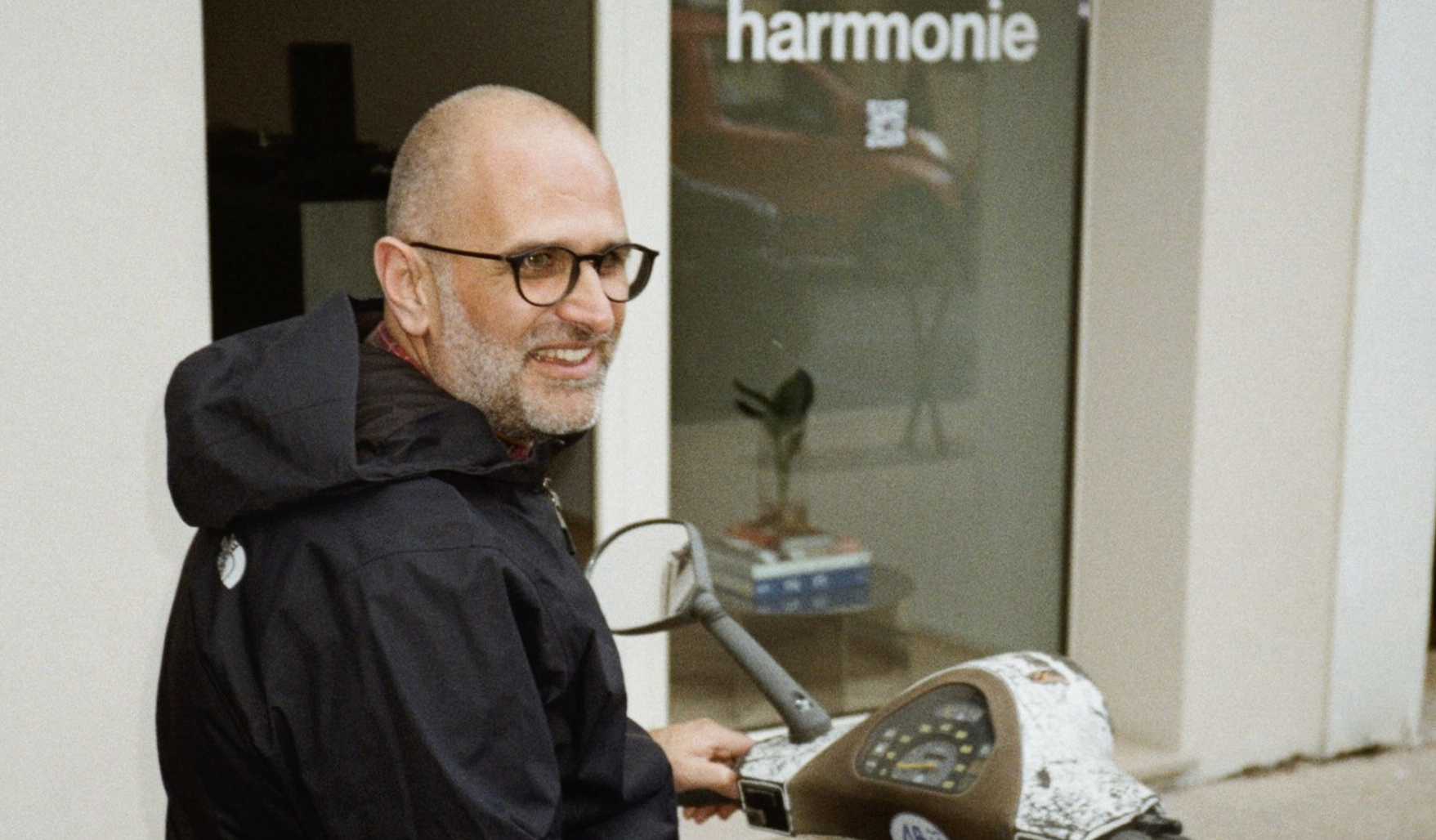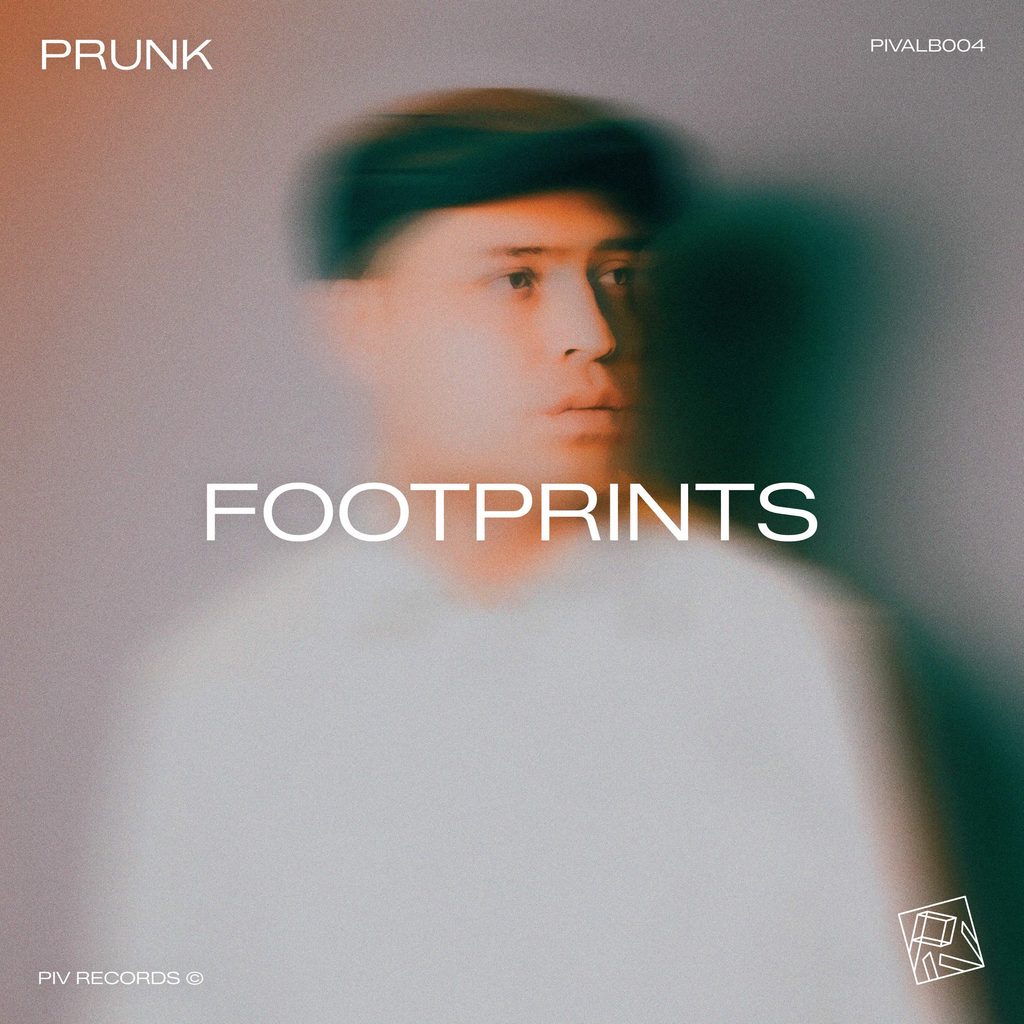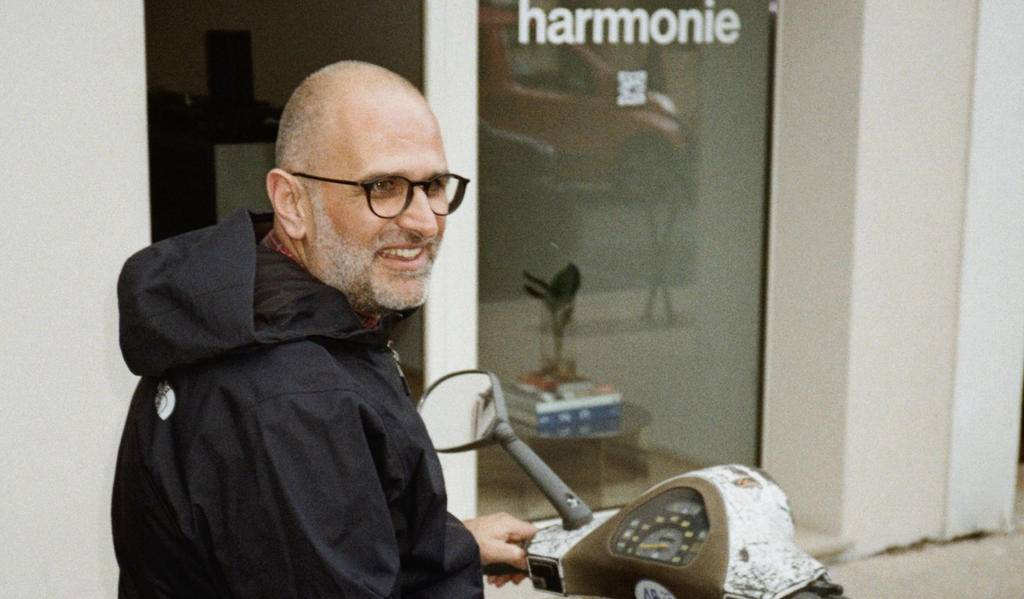
Dias Ridge’s End to Begin has a way of pulling you into its world—a blend of reflective piano lines, deep melodic currents, and that unmistakable groove that just hooks you. Released on David Hohme’s Where The Heart Is Records, this track carries the distinct feel of Dias Ridge’s influences, from his early days in Atlanta’s underground rave scene to the mix of classical and jazz that shaped his approach to electronic music. The result is a track that’s raw, personal, and refreshingly real in an industry that often leans into trends.
In our conversation, Dias Ridge opens up about those early moments that built his foundation—nights in packed warehouses, the hum of trance and drum & bass, and the feeling of connecting through music as he navigated his own path. For Dias Ridge, it was always about more than just getting people to dance; it was about creating a sound that could resonate, ground you, and maybe even bring a little healing along the way. End to Begin feels like a natural extension of that journey.
From advice on finding your voice to thoughts on why every track needs that one anchoring element, Dias Ridge shares insights that are as practical as they are personal. End to Begin marks more than a new release—it’s a look at an artist fully settled into his style, doing it his way.
Purchase The Single Here
1 – Who are the artists or sounds that most shaped your style early on?
I have a classical and jazz background, so my approach to songwriting today is rooted in traditional music theory. But the reason Dias Ridge exists at all is from music experiences from my youth.
My intro to electronic music began in the early 2000s in Atlanta’s rave scene. Those underground parties were the only places I could get into at that age, and at the time they were the safest, most welcoming environment for a queer person in Georgia to dance. I was drawn to trance for its epic breaks and builds, but I also enjoyed the progressive, happy hardcore, and drum and bass sounds often playing in adjacent rooms.
Dancing until sunrise at that age was the most connected to myself I’ve ever felt. Outside of the rave scene, I found sanctuary in jam bands, alt-rock, and punk, which also shaped me. So what carries through today is that deep understanding of how music can help and heal people, and provide a context for understanding life. That’s what drives me to make music.
3 – Why do you think it’s important for artists to focus on developing their own sound rather than chasing trends?
I had a few careers before going all-in on music. In each, I found that taking well-worn paths to success often led nowhere because they were based on outdated ideas. Real success in anything usually comes down to hard work, preparation, luck, and privilege. You can’t shortcut by following someone else’s formula.
In music, trends come and go and may even cycle back. For beginners, it can be helpful to copy popular sounds and techniques to learn, but the goal shouldn’t be to sound like the latest trend. The best artists are the ones who reinvent themselves again and again, especially as the sounds and techniques that made them famous evolve.
5 – How do you know when a track is finished?

I don’t think any artist ever releases something ‘finished’ since it’s easy to conflate ‘finished’ with ‘perfect’. If a track sounds good to you and resonates with others, put it out there! If it’s stuck, set it aside for another day and move on to something else.
I used to build software full-time, and we’d release products quickly to get user feedback, refining it with every update. Art is similar – it’s never ‘finished’ but always evolving. Like software, music has feedback loops that can help improve a track, whether that’s advice from mentors, friends, or gauging crowd reactions when playing it live. Also going a week or more without hearing a song, then listening with fresh ears.
These can help decide if a song is ready to be released or still needs work.
7 – What’s one piece of advice you’d give to an artist who’s struggling to find their sound?
When I feel stuck trying to ‘find my sound,’ I remind myself that oftentimes, your sound will find you (and not the other way around). One of my mentors who has been a successful electronic artist for over a decade told me he still experiences a gap between what he creates and what his expectations are. As we improve, our standards for ourselves rise, making ‘finding your sound’ an endless quest.
If I hit a rut where I’m not feeling any of the sounds I’m making, I lower my expectations a bit and aim to just do one productive thing for my music project each day. This could be just 15 minutes of organizing files. Then I let myself leave the studio and do whatever else until the next day. Usually after a few days, I feel recharged and ready to create without overthinking what the end result will sound like.
8 – What’s the one element every track you release has to have to feel complete to you?
It’s got to be a piano, especially a noisy felt one. I grew up playing classical and jazz piano from an early age, so the instrument has been a constant in my life.
For me it’s such an anchoring sound, and when properly mixed, can really become a centerpiece element in a song. They can be very difficult to fit into a mix, but we’re so spoiled by the latest generation of mixing tools (like Bloom) that can help pianos sit nicely without sacrificing too much of the character of the sound.

Magnetic byline note: This byline is used for staff produced updates and short announcements, often based on press materials and official release information. Editorial responsibility: David Ireland (Editor in Chief) and Will Vance (Managing Editor). About: https://magneticmag.com/about/ Masthead: https://magneticmag.com/masthead/ Contact: https://magneticmag.com/contact/