Table of Contents
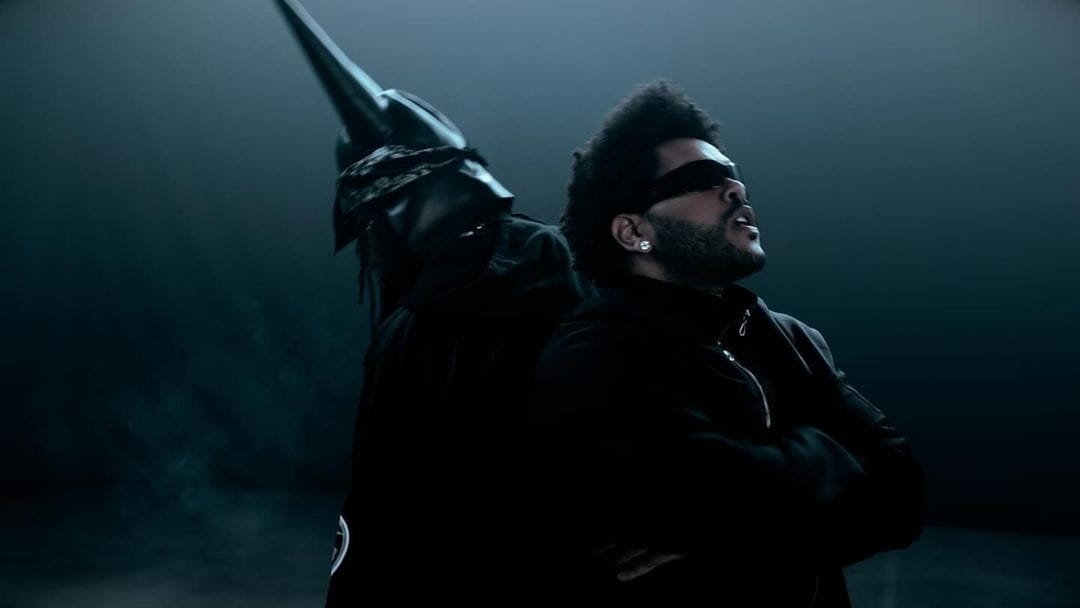
Image C/O UMG Music
When it comes to breaking down the lyrics of “Timeless” by The Weeknd and Playboi Carti, there’s a lot more going on beneath the surface than the usual flexing about success and status. Sure, at first glance, it’s about luxury, self-confidence, and being “timeless,” but if you take a closer look, you’ll catch a subtle undercurrent of emotional conflict and personal reflection. And that’s where I’m coming in. With my background in English literature and creative writing, I’m diving into this track from a more poetic angle—exploring themes and emotions that might not be immediately obvious.
For example, Carti’s opening line, “Ever since I was a jit, knew I was the shit,” is more than just a boast. It’s an assertion of identity and self-worth that echoes Walt Whitman’s “Song of Myself,” where Whitman confidently declares, “I celebrate myself.” Carti’s not just talking about being good at what he does—he’s positioning himself as someone who was always meant to stand out.
By connecting “Timeless” to poets like Whitman, Hughes, and Lowell, it becomes clear that this isn’t just a song about flexing; it’s about what it really means to be “timeless” in a world that thrives on the temporary. For me, songs like this get interesting when you peel back the layers and start connecting them to larger themes—identity, struggle, and legacy. Whether you agree with me or not, I hope this breakdown gives you a fresh perspective next time you listen.
Timeless The Weeknd Lyrics

Timeless The Weeknd Meaning
Verse 1: Carti’s Confidence and Materialism
From the moment Playboi Carti drops the line, “Ever since I was a jit, knew I was the shit,” you know exactly where he’s coming from. He’s not just boasting—he’s establishing his place in the world as something that’s always been certain, almost like destiny. It’s a powerful statement of self-identity that says, “I’ve been great since day one.” To me, it’s similar to the way Walt Whitman opens “Song of Myself” by confidently declaring, “I celebrate myself, and sing myself.” But where Whitman’s self-assurance is philosophical, Carti’s swagger is built on material success—luxury watches, designer fashion, and an image carefully crafted through status symbols. That’s the key difference: for Carti, the external defines the internal.
Take the line, “Double-O, bust down the watch, she know that I’m timeless.” This isn’t just about flaunting a pricey watch—it’s Carti’s way of saying his impact will last as long as those diamonds sparkle. It’s a modern, consumer-driven approach to legacy. He’s tying his sense of “timelessness” to objects that symbolize wealth and power, where Whitman’s idea of timelessness was rooted in the broader human experience.
Both are chasing immortality in their own way, but one’s framed by expensive jewelry, while the other is captured in poetic reflection. The “Double-O” reference, which Reddit users pointed out ties back to Carti’s Opium label, even adds another layer, suggesting that his legacy is intertwined not just with personal success but with a brand that represents his entire creative identity.
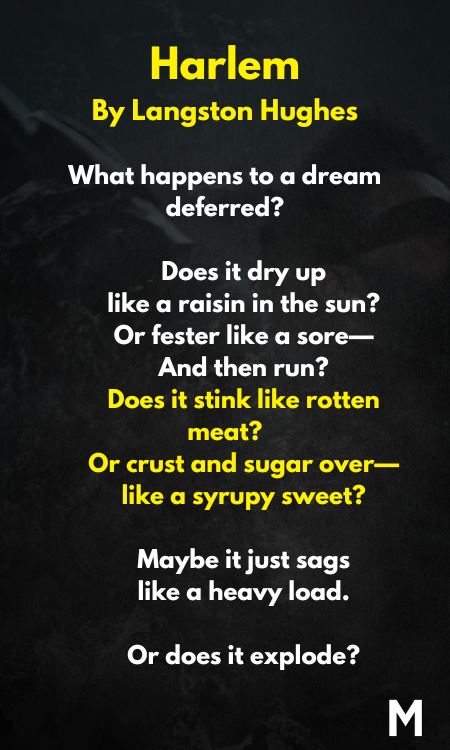
But here’s where it gets interesting. Carti’s fixation on these material markers—watches, cars, high-end fashion—hints at a vulnerability that’s hard to miss. His success feels contingent on these symbols. Without them, does his sense of “timelessness” fade? It’s like Langston Hughes’ “Harlem (Dream Deferred)” when he asks, “What happens to a dream deferred?” Carti’s not dealing with deferred dreams, but there’s definitely an anxiety underlying all the flexing: if these symbols of wealth disappeared, would his legacy hold up? That’s what makes this verse compelling—beneath the bravado, you get the sense that Carti’s chasing validation through possessions, not just greatness for its own sake.
Like Hughes’ dream, his success could be more fragile than it seems on the surface.
Chorus: The Weeknd’s Search for Permanence
The chorus shifts the focus to The Weeknd’s own journey, where he repeats, “Ever since I was a kid, I been legit.” On the surface, it’s a claim that he’s always been authentic—like he’s saying he’s had this star quality from day one. But what does it really mean to be “legit” from such a young age? To me, it’s about more than just the success he’s achieved. It’s about self-worth that goes beyond the money and fame. Yet, as the chorus continues, the lyrics still revolve around material markers.
“XO tatted all over her body, yeah” isn’t just about someone sporting a tattoo. It’s a way of saying that his influence and legacy are literally etched into people’s skin—a permanent symbol of devotion and presence. So while he’s asserting his timelessness, it’s still tied up in external markers that prove he’s made it.
What’s really interesting here, though, is how that need for permanence actually hints at something deeper—maybe even a bit of insecurity.
The Weeknd’s saying he’s “timeless,” but there’s this underlying feeling like he’s trying to convince himself, not just us. It brings to mind Robert Lowell’s “Skunk Hour,” when he admits, “My mind’s not right.” Lowell’s unease and emotional instability parallel what I see in The Weeknd’s work—a contrast between the confident exterior and the emotional struggles underneath. The Weeknd’s always been about this duality—celebrating his success while battling with his own inner demons.
Then there’s that jarring line: “If I was you, I would cut up my wrist.” At first, it comes off as extreme, but I think it says a lot about the emotional cost of constantly trying to validate yourself. It’s not just about the usual bravado—it’s a brutal, almost exaggerated way of acknowledging how difficult it is to stay on top. To me, it echoes Lowell’s feelings of self-doubt and pressure. It’s revealing the cracks beneath the surface. The Weeknd’s success may be measured in tattoos, cars, and wealth, but the emotional weight of always having to prove you’re “legit” is what really lingers long after the song ends.
Verse 2: Wrestling with Success and Demons
In the second verse, The Weeknd takes a more introspective turn. He’s still riding high on the imagery of his success—“City on fire when I’m coming home / Fill up the sky, I fill up the Dome”—but if you dig deeper, there’s a subtle hint of burnout beneath all that grandeur. Sure, setting the city ablaze and filling up massive arenas is a powerful image of dominance, but is it truly satisfying? Is this level of success actually enough? That’s the question I think he’s grappling with here, even as he’s flexing.
It’s a tension that reminds me a lot of Robert Lowell’s “Skunk Hour.” Lowell reflects on a similarly hollow sense of accomplishment when he writes, “The season’s ill—we’ve lost our summer millionaire.” It’s as if the outward show of success—whether it’s in The Weeknd’s stadiums or Lowell’s New England wealth—isn’t really filling that deeper void.
When The Weeknd says, “I’m wrestlin’ all of my demons, I feel like The Rock,” it’s more than just a clever turn of phrase. It’s an admission that despite all the fame and fortune, he’s locked in a battle with himself that he can’t seem to win. In my opinion, this is where the verse’s real tension comes through—the clash between wanting to be seen as “timeless” and the personal demons that success only seems to amplify.
Even when he sings about women falling in love with “the cream” and “the scene,” there’s a clear sense of disconnect. The allure of his wealth draws people in, but it doesn’t actually connect with who he is. It reminds me of Langston Hughes’ line in “Harlem” when he asks if unfulfilled dreams “crust and sugar over—like a syrupy sweet?” The Weeknd’s fame is like that sugary exterior—appealing, addictive—but underneath, it’s all masking an emptiness, a sense that something essential has been left unresolved or comes at too high a cost. His world might be on fire with success, but it’s still haunted by that unspoken question: is it really enough?
Poetic Themes, Takeaways, And What Literature Teaches Us
The themes in “Timeless”—self-confidence, materialism, and internal struggle—become way more interesting when you view them through the lens of poetry. On the surface, Playboi Carti and The Weeknd are basically declaring that they’ve been “legit” since day one, calling themselves “timeless” like their impact is set in stone. It’s the same idea Walt Whitman explores in “Song of Myself”: celebrating the self as something inherently valuable and enduring.
But while Whitman’s self-worth comes from the simple act of being, Carti and The Weeknd anchor their sense of self in status symbols—luxury watches, high-end fashion, and tattoos. Both are chasing permanence, but they’re doing it in very different ways—one through being, the other through having.
Here’s what I think really makes this song compelling: even though they’re both projecting confidence, there’s a lot more vulnerability just beneath the surface. Playboi Carti mentions “wrestling with demons,” which gives off major Skunk Hour vibes. In Robert Lowell’s poem, there’s this contrast between the outward signs of wealth and success and the inner sense of self-doubt and emptiness.
Same deal here. Carti and The Weeknd have the big houses, the expensive clothes, the adoring fans—but they’re still grappling with personal demons. They’re flaunting what they have, but they’re also showing glimpses of what’s missing. It’s like they’re trying to convince us (and maybe themselves) that they’re truly “timeless,” while struggling to keep it together behind the scenes.
And that’s where Dream Deferred by Langston Hughes comes in. Hughes talks about what happens when dreams don’t live up to expectations, when they “crust and sugar over.” Now, “Timeless” doesn’t directly touch on failed dreams, but there’s a definite sense that all this money, fame, and status still leave them empty.
You get the feeling that, for all their success, Carti and The Weeknd are still searching for something more—almost like their dreams haven’t been fully realized. It’s a powerful parallel because both the poem and the song leave you with this question: what happens when external success doesn’t fill that inner void?
When all the material symbols still don’t make you feel “legit”? It’s that tension that makes “Timeless” hit harder than your typical flex track—it’s not just about success, but about the struggle to find meaning and fulfillment in a world obsessed with appearances.Hughes’ poem feels like a mirror to that—when success doesn’t bring the fulfillment you expect, what’s left? Both the song and the poem leave you questioning whether all that external validation really delivers what you’re after.

Will Vance is a professional music producer who has been involved in the industry for the better part of a decade and has been the managing editor at Magnetic Magazine since mid-2022. In that time period, he has published thousands of articles on music production, industry think pieces and educational articles about the music industry. Over the last decade as a professional music producer, Will Vance has also ran multiple successful and highly respected record labels in the industry, including Where The Heart Is Records as well as having launched a new label with a focus on community through Magnetic Magazine. When not running these labels or producing his own music, Vance is likely writing for other top industry sites like Waves or the Hyperbits Masterclass or working on his upcoming book on mindfulness in music production. On the rare chance he's not thinking about music production, he's probably running a game of Dungeons and Dragons with his friends which he has been the dungeon master for for many years.