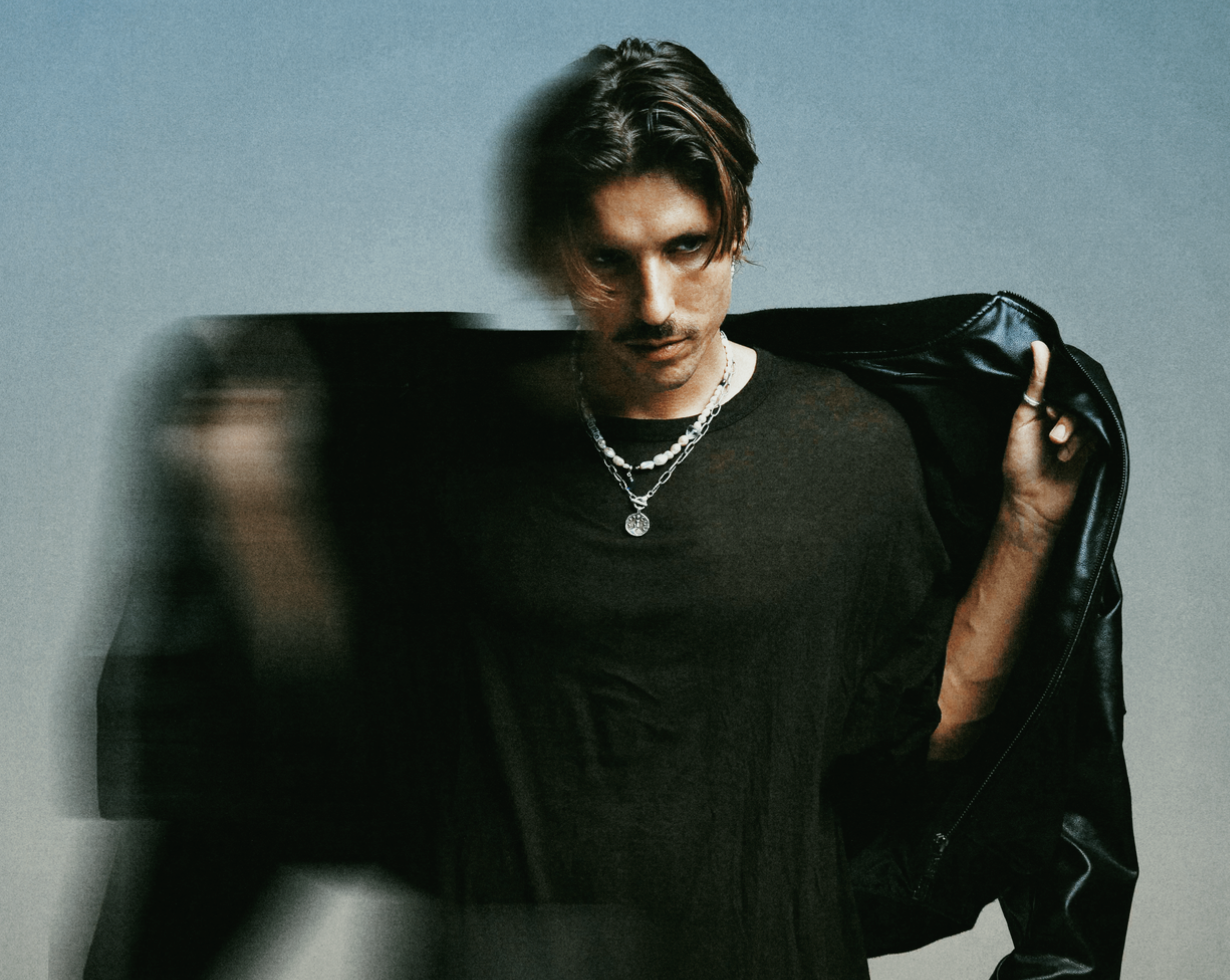
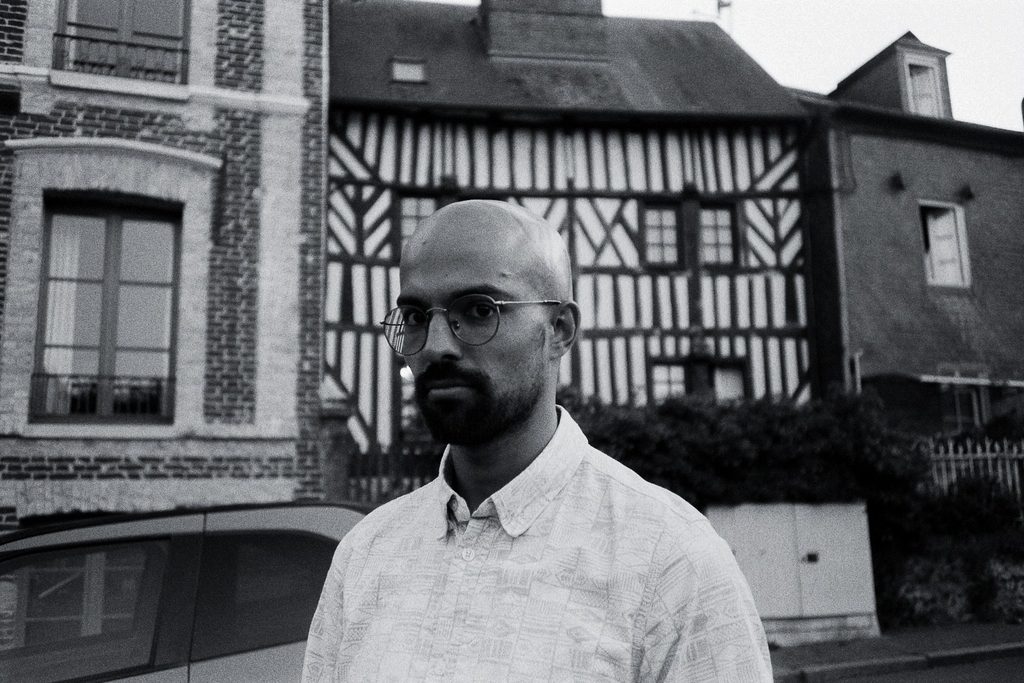
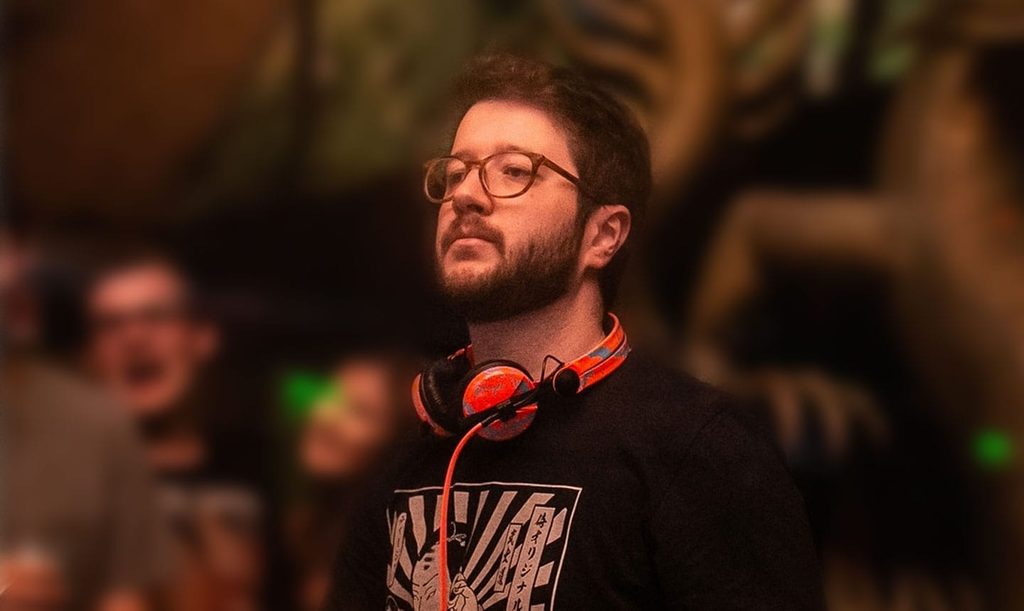
Born in the Netherlands and raised in New Zealand, Malvae, (Jim van der Breggen), has built quite an amazing career around his music, created from organic samples recorded with field recorders, combined with synthesizers and his manipulated voice, resulting in warm and dense productions.
He first entered the scene in 2017 with his release “Haunts Me” featuring Esther Veen, which climbed the Viral 50 Spotify chart in the USA. For his debut album ‘Amazonas,’ Malvae traveled 2000km through the Amazon Rainforest, creating an album from the sounds recorded there to raise awareness about this vast and vital ecosystem. The Chrysalis EP continues his tradition of innovative and meaningful music creation.
He recently released a beautiful, forward thinking EP titled ‘Chrysalis‘, a testament to Malvae’s limitless creativity and artistic intrigue. We had the pleasure to chat with him about the EP along with how he VJ’s his own live shows.
How has your sound evolved in the Chrysalis EP compared to your older tracks, and what key influences shaped this transformation?
My sound has evolved significantly in the Chrysalis EP compared to my older tracks, primarily due to my decision to incorporate analogue instruments. The journey of the EP began when I started experimenting with the Prophet 6 from sequential. The experience of twisting knobs and playing instruments brought a new level of creativity to my process. Now, I record everything to audio from the start, which not only forces me to think creatively to solve problems but also allows me to move more quickly through my projects, all while achieving the precise sound I’m aiming for. The tracks were created over different periods, and I believe you can really hear the evolution of analogue sounds in the music.
You mentioned that your new EP influenced the resulting live set. How did the tracks from Chrysalis shape your live performances, and what can fans expect from your shows?
Previously, I created almost all of my music from field recordings and using granular synthesis from my voice to build productions. While I still incorporate these organic elements, adding layers of analogue sound has brought new depth and contrast, making these elements stand out even more. This approach has also allowed me to bring these instruments to the stage, creating live versions of tracks on the spot. By rendering my tracks in stems, I can find new ways to express them during performances, sometimes resulting in full-on live remixes. Not all my music translates naturally to the dance floor when produced, but using the original instruments helps me infuse more energy into live performances while maintaining the original sound.
My current setup in Ableton Live is coming together over ADAT through the Push 3. I use an ADAT interface to convert analog signals into digital ones, allowing me to send each channel through return tracks into physical effects like the Zen Delay simultaneously. This setup lets all incoming instruments be digitally processed on the master channel, where I have a live mastering chain. I can also side chain the kick from the drum machine this way.
Combined with sequencers hooked up to a drum machine and a Moog DFAM, and with everything synced via Ableton Link over a hotspot, I can create alternate versions of my tracks on the spot. Originally I wanted a DAW-less setup over the Push 3, hence the ADAT connection, but with visuals synced and triggered live, I still need Ableton Live to talk to Resolume. For fans coming to my shows, they can expect an immersive and energetic performance. The tracks from Chrysalis have shaped my live sets by allowing me to explore new directions in sound and create a more dynamic and engaging experience.

You VJ your own visuals live using drone shots you’ve taken. How did this idea come about? What type of imagery are you drawn to photographing with your drone? How do you integrate these visuals into your performances?
The concept of VJing my own visuals with drone shots emerged while creating my debut album, Amazonas. During a 2000km journey through the Amazon rainforest, I captured sounds and drone footage to narrate the album’s story and enhance its release. Since then, I’ve continued using these visuals for Amazonas tracks. For Chrysalis, I expanded this approach by incorporating design effects as overlays, created in collaboration with Etienne Cootjans. This technique contrasts with drone shots from various places I’ve traveled. I’m particularly drawn to cinematic imagery, aiming to capture stunning landscapes and unique perspectives.
In my performances, I integrate these visuals using Resolume, which is synced with Ableton Live. This setup lets me trigger visuals with MIDI clips or control both visual and audio effects with faders and knobs. The main challenge is manually triggering the next sequence; for example, I might hold back the kick drum and, when it comes back in, select the next visual sequence to sync with the audio, I have this little mirror attached to my setup so I can have a quick look if everything is functioning without having to turn around.
Is there a particular moment or element in the EP that you believe will surprise your listeners or that you’re especially excited about?
Absolutely. In “Newone,” the way the track builds and then suddenly drops is something I think will really catch listeners off guard. It’s probably the track I spent the most time perfecting. Interestingly, it originally had a vocal part, but I couldn’t quite finish the lyrics, so I decided to keep it instrumental.
“Tell Me,” which I created with MAY BBY, went through many stages of development. All the vocals were recorded at different times, in different places, and with different microphones. The synth in the second chorus, was recorded at a slower BPM than the rest of the track. I loved how the arpeggio sounded at that pace, so I manually placed the start of each note, after recording, to create the illusion that it’s in sync with the track, even though it’s actually playing slower.
In “Gaze,” about halfway through, you’ll hear layers on the drums that were recorded through the Zen Delay. I played with the parameters and then layered these recordings with the original drums, creating a rich texture. The glitch sound that comes and goes was made with the DFAM and was recorded before I had a way to sync CV out of my interface a few years back. I’m particularly fond of the outro on that track.
Your music often incorporates field recordings. Can you share any interesting stories or experiences from capturing sounds for the Chrysalis EP?
Definitely, I made a recording once of a street band in Cartagena, Colombia (which I compensated for their time), I keep revisiting this recording, slicing all the drums into single sounds and repurposing them in many tracks, some are snare layers, percussive sections others a vocal shot. I also sampled my own voice through the Casio sk1 which I recorded to every note separately which you can hear on the first track, ‘0’.
What role do analogue synthesizers play in your new EP, and how do they contribute to the overall sound and feel of Chrysalis?
Analogue synthesizers play a crucial role in my new EP, Chrysalis. Experimenting with instruments like the Prophet 6 and Moog DFAM was a fresh approach for me. These synths are incredibly versatile and have a beautiful, organic feel that complements the samples I record. They are the main drivers of the entire EP, adding depth and texture to the sound. You can hear their presence in almost every track.
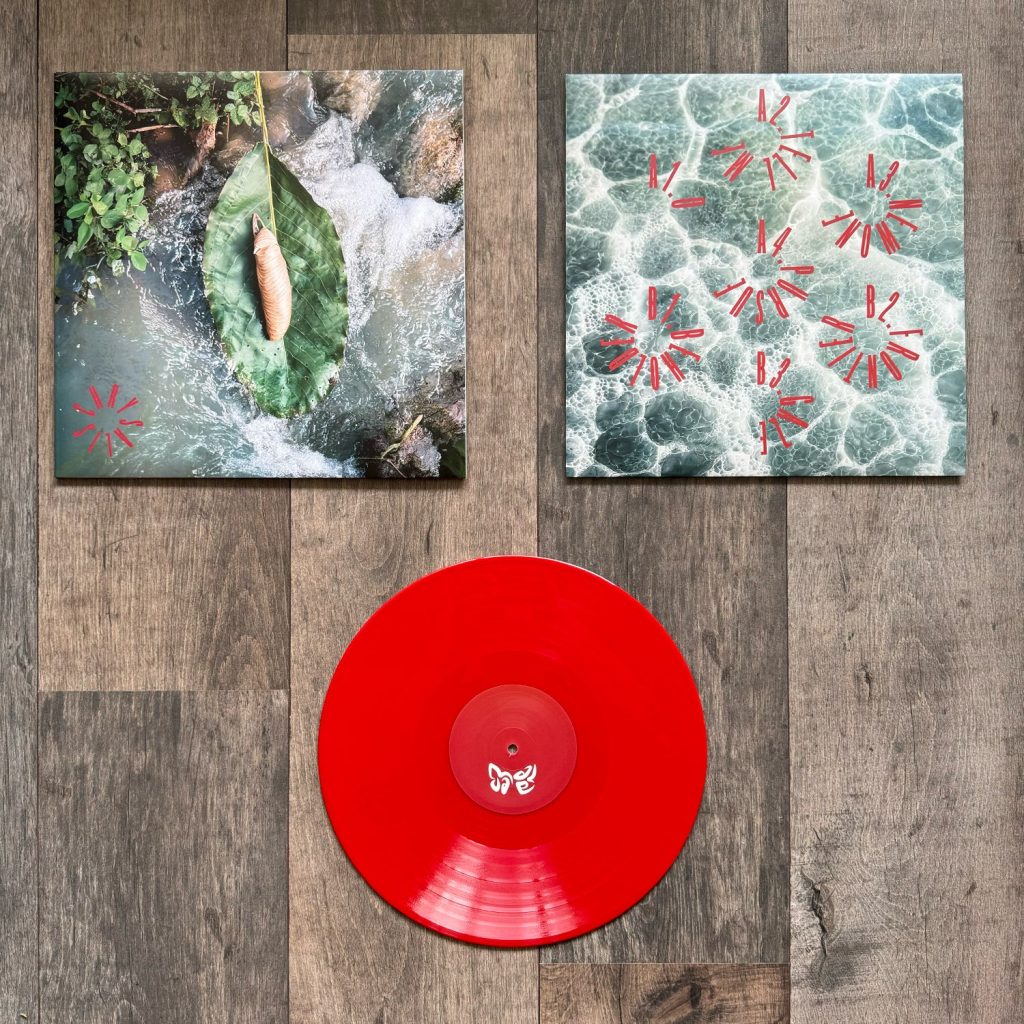
The Chrysalis EP will be available on sustainably produced vinyl. Why was this important to you, and how do you see it fitting into your overall artistic vision?
I love the idea of capturing the music and samples with all the different instruments and gear I used for this EP and then having that music physically present on vinyl. Vinyl has a unique sound —more dynamic and true to the original mix I created. I personally handled the entire process up until the blueprint stage, after which it went to the factory for production, locally here in the Netherlands at Deepgrooves.
When mastering music for digital platforms, I usually aim for a louder sound. With vinyl, there’s no direct comparison to neighbouring tracks on those platforms, allowing me to focus purely on achieving the sound I want. This approach fits perfectly into my overall artistic vision, which emphasises a deeper, more tangible connection to the music.