Table of Contents
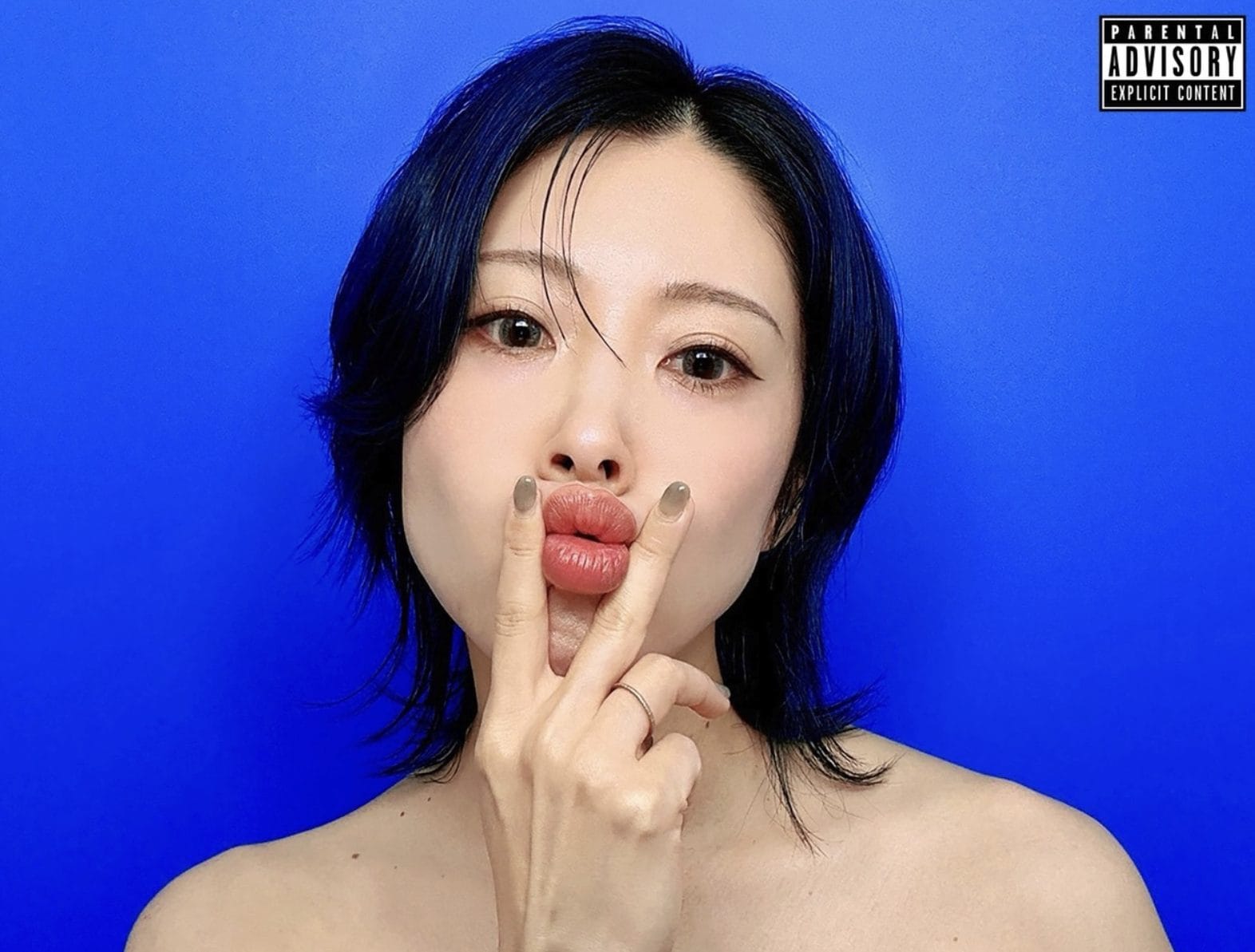
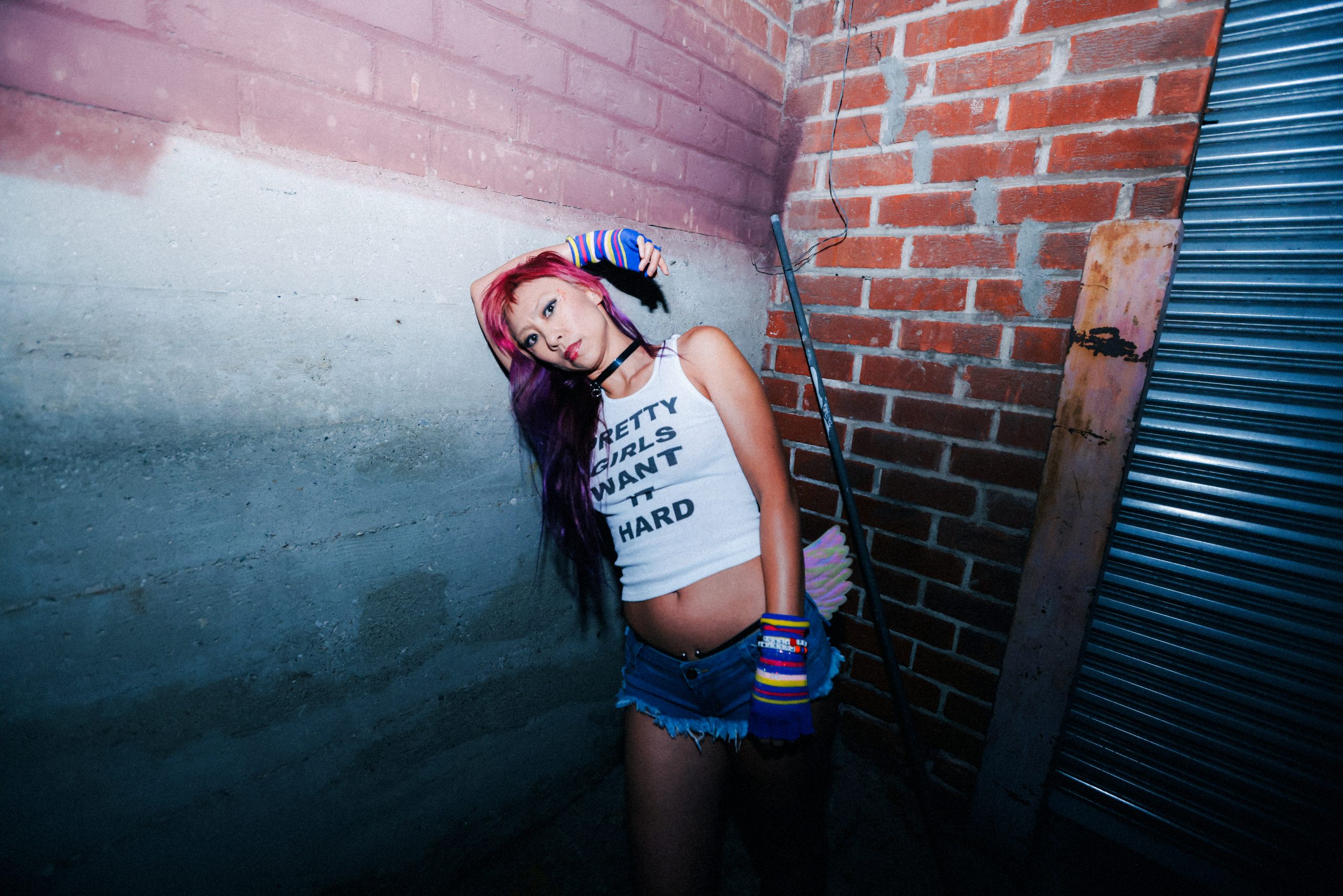
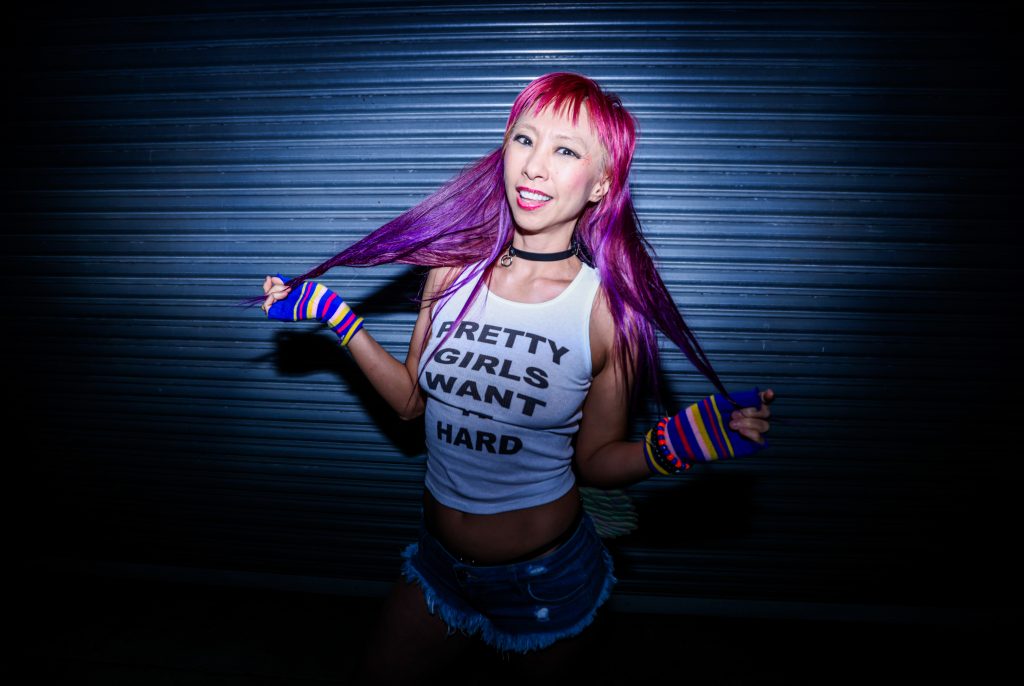
Fei-Fei’s latest release, “C-U-N-T-Y,” is not just a track but a bold statement of independence and self-expression. Known for her impactful presence in LA’s underground scene, Fei-Fei continues to push boundaries with her music, blending genres like alternative punk, hyper-pop, and acid-techno. Her new single challenges conventional rave culture, inviting listeners to embrace their true selves without apology. This release is a powerful reminder of her commitment to breaking norms and creating a space for unapologetic self-expression.
Originating from Madison, Wisconsin, Fei-Fei’s journey through the music industry is a tale of resilience and determination. Growing up during the Y2K era, she immersed herself in techno and trance, attending raves in unconventional venues and teaching herself to DJ. Despite facing scrutiny and skepticism, particularly as a woman in a male-dominated field, she persevered and carved out her unique path. Her experiences in the Midwest rave scene laid the foundation for her bold approach to music and her defiance of industry expectations.
C-U-N-T-Y
Fei-Fei’s story is one of overcoming adversity and challenging societal norms. Her new track, “C-U-N-T-Y,” encapsulates this journey, serving as a manifesto for those who dare to be different. By embracing her sexuality and using it as a medium for her art, she turns societal expectations on their head. Fei-Fei creates a space for liberation and empowerment through her music, urging others to reject conformity and celebrate their individuality. Her evolution as an artist reflects her unwavering commitment to self-expression and her role as a trailblazer in the music industry.
Interview With Fei-Fei

How do you perceive the role of sexuality in branding within the music industry?
When did you last hear about a “male artist” or an “all-male lineup?” Never. The “female artist” distinction is annoying. It feels like a qualifier. We don’t need the distinction, and we don’t need to be qualified. We’re just artists.
The music industry reflects and amplifies our social values and problems, for better or worse. It’s sexist and ageist. All artists are scrutinized, but women far more than men, especially physically and morally. And often in contradictory ways. We’re told we’re too sexy, or not sexy enough. We should smile more. Or if we don’t make it by 30, it’s too late. Doesn’t that feel dated?
It’s time to subvert this patriarchal nonsense. I’ve navigated the system, I’m aware of how it works, and I’ll take advantage of it. I claim and own my sexuality, and I’ll use it as my medium. I’m having my fun playing with the social code. I’m sexy and grotesque. And while that makes some people uncomfortable, others tell me it makes them feel understood. That’s why I make art.
I’m inspired by artist/theorist Alex Quicho’s take on girl theory. In her essays, Everyone is a Girl Online and Prey Mode, she writes, “We are experiencing the inhuman or posthuman version of cyberfeminism, where patriarchy—by relegating women to the status of machines, objects, or NPCs—accidentally creates an unpredictable and potent affinity between women and technology. As we are accelerating into the era of machine intelligence, this relationship is becoming more apparent and, paradoxically, destabilizing to the patriarchal order. Observing how the girl manipulates their design may help us slip out from the snare.”
How did your upbringing in the Midwest influence your journey and approach to the music industry?
Madison, WI is where I fell in love with dance music. I grew up during the Y2K golden era. Techno and trance flows in my blood and beats in my heart. All the sleepless nights I danced and danced until the sun came up. I lost myself again and again in dark warehouse parties, abandoned roller rinks, laser tag arenas, and forest raves in the middle of nowhere. The music did strange things to my body. I saw Richie Hawtin in a 100 cap venue, can you imagine?
I remember going to my first rave and watching the DJ bewitch the room. That was the moment I realized what I wanted to do. I wanted to be up there, shedding my human form, making the whole room lose their minds.
I saved up, got a pair of Technic MK2’s and a shitty Vestax mixer and spent many nights banging my head on the wall, teaching myself how to DJ. At my earlier DJ gigs, this phenomenon would happen where a bunch of bros would line up right in front of me, arms crossed, standing still, scrutinizing my every move, waiting for me to trainwreck. Afterwards, they’d come up to me and say “you did really good — for a girl.”
I guess some things never change lol.
How do you think societal attitudes towards gender and sexuality influence the music industry?
Women are doing everything right, it’s not our fault. Charli XCX said recently, “there always seems to be a disbelief that a woman can stand on their own feet and do something without the help of someone else. There’s doubt surrounding validity in what we do. Can you really do that on your own, can you really write that song on your own, did you really direct?”
That resonates with me. My entire career I’ve had people doubting me, asking me if I produce my own music, write my own lyrics, or if I really direct, produce and edit my music videos. Men aren’t questioned. Their validity never comes into play, it’s assumed that they do everything.
And speaking of music videos?
Yes, the video for C-U-N-T-Y just dropped! It’s a hot, wet and wild ride!
Who directed it the video?
I directed, produced and edited it.
And my co-star and co-creative director Lindsey Normington also stars in Sean Baker’s Anora which just won the Palm d’Or at Cannes Film Festival. I’m insanely lucky to get to make cool art with such a talented crew of friends and throw a sick sushi rave lol.
What challenges did you face breaking through the toxic EDM industry, and how did you overcome them?
I had fun making music in my EDM era. But after a while, the scene started feeling stale. You’ve felt it too, right? Bro producers making music for bros. Writing dated lyrics about fucking sluts, hitting it from the back. It’s the same shit over and over and I’m tired of it.
One day, I realized: this has become utterly boring. EDM and trad techno can be alienating. There are so many people out there who would love techno if they heard some that was made for them.
So I’m breaking out of the scene, and I’m bringing along everyone who wants to dance and find themselves in a new sound that invites them to be whoever they want.
How can artists and the industry work together to create a more equitable environment for all genders?
The lack of women/enby’s on lineups is annoying and honestly short-sighted. Want to reach new people? Book more women, more queer artists, more bipoc artists. And not on your token lineups or stages. Book more women engineers and producers. As artists, support your peers. I book a friend onto a show I’m playing whenever I can, or I refer a friend for a session. As I already said, we aren’t the problem. The industry needs to wake up to this opportunity.
What message do you hope to convey through your latest track, “C-U-N-T-Y,” and how does it reflect your personal journey and artistic vision?
Everyone has an inner cunt, and I think they should release it — that’s what C-U-N-T-Y means. It’s about laughing at others’ expectations and being free. It’s the antidote for anyone that’s bored by the usual hum-drum techno made by bros for bros.
I’m making hyper techno for the hoes.
MORE INFO ABOUT FEI-FEI:

Magnetic byline note: This byline is used for staff produced updates and short announcements, often based on press materials and official release information. Editorial responsibility: David Ireland (Editor in Chief) and Will Vance (Managing Editor). About: https://magneticmag.com/about/ Masthead: https://magneticmag.com/masthead/ Contact: https://magneticmag.com/contact/